

 From the Liveblog of
Friday, December 19, 2025
From the Liveblog of
Friday, December 19, 2025
IPC monitor says now no ‘famine conditions’ but Gaza food security still ‘critical’; Israel rejects findings
 Add ToI as a Preferred Source on Google
Jeremy Sharon is The Times of Israel’s legal affairs and settlements reporter
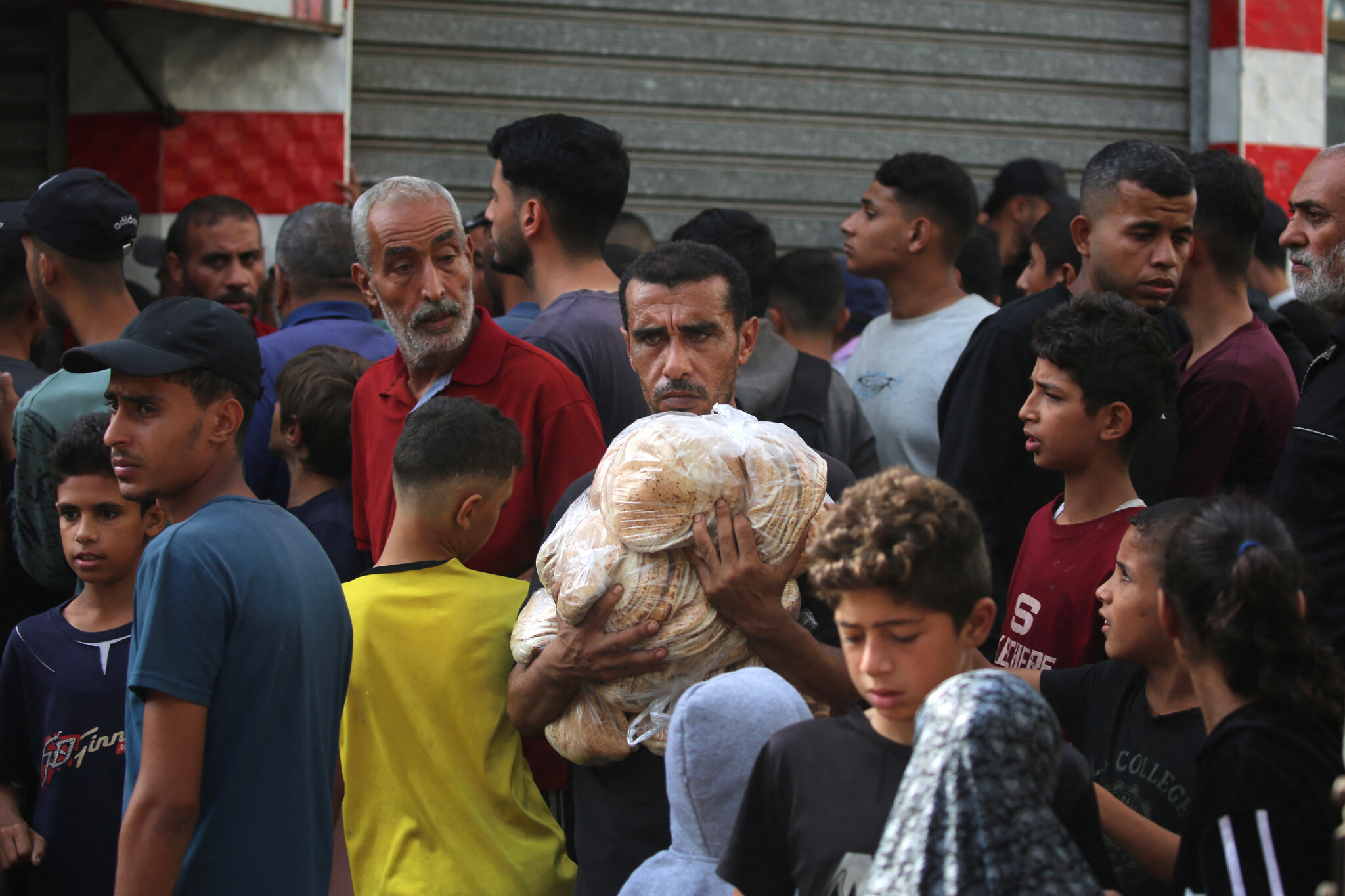
The IPC famine monitoring organization says food security “remains critical” in the entire Gaza Strip, but “famine conditions” no longer apply, and has classified the territory in its “Emergency” Phase 4 category, the fourth highest of its five levels of food insecurity.
The organization says that the situation has, however, improved since the ceasefire between Israel and Hamas went into effect on October 10 due to increased volumes of aid going into the territory, and has changed its determination of the Gaza governorate from Phase 5 — Catastrophe — in July and August to Phase 4.
In the IPC’s August report, it said “famine” had broken out in the Gaza governorate — the wider Gaza City area — in July and August. In its report for mid-October to the end of November issued today, it said that “famine conditions” were no longer prevailing in that district.
“Despite the improved situation, the population of the Gaza Strip still faces high levels of acute food insecurity and acute malnutrition. Although humanitarian assistance, including food aid, has increased, only basic survival needs are being met,” the organization claims.
The new analysis does not include consolidated, weighted data on malnutrition rates in Gaza by which it might be able to evaluate its claims from August that famine had broken out in the Gaza governorate.
Data published in October by the Nutrition Cluster in the State of Palestine organization, which monitors malnutrition on the ground in Gaza, found that malnutrition rates never crossed famine levels even in July and August, and actually remained 23 percent under that measure.
Israel’s COGAT agency, which coordinates the entry of aid into Gaza, strongly rejects the IPC’s findings that the humanitarian situation in Gaza remains critical, saying that some 500,000 metric tons of food has entered the territory since October 10, far outweighing the needs of the Gaza population according to metrics from the World Food Program, and as accepted by the IPC itself.
It describes the IPC report as a “distorted, biased, and unfounded picture of the humanitarian situation,” which suffers from “severe gaps in data collection” and relies on “sources that do not reflect the full scope of humanitarian assistance.”










The Times of Israel Community.