

 From the Liveblog of
Friday, December 12, 2025
From the Liveblog of
Friday, December 12, 2025
Iran raising fuel prices for heavy users to curb consumption
 Add ToI as a Preferred Source on Google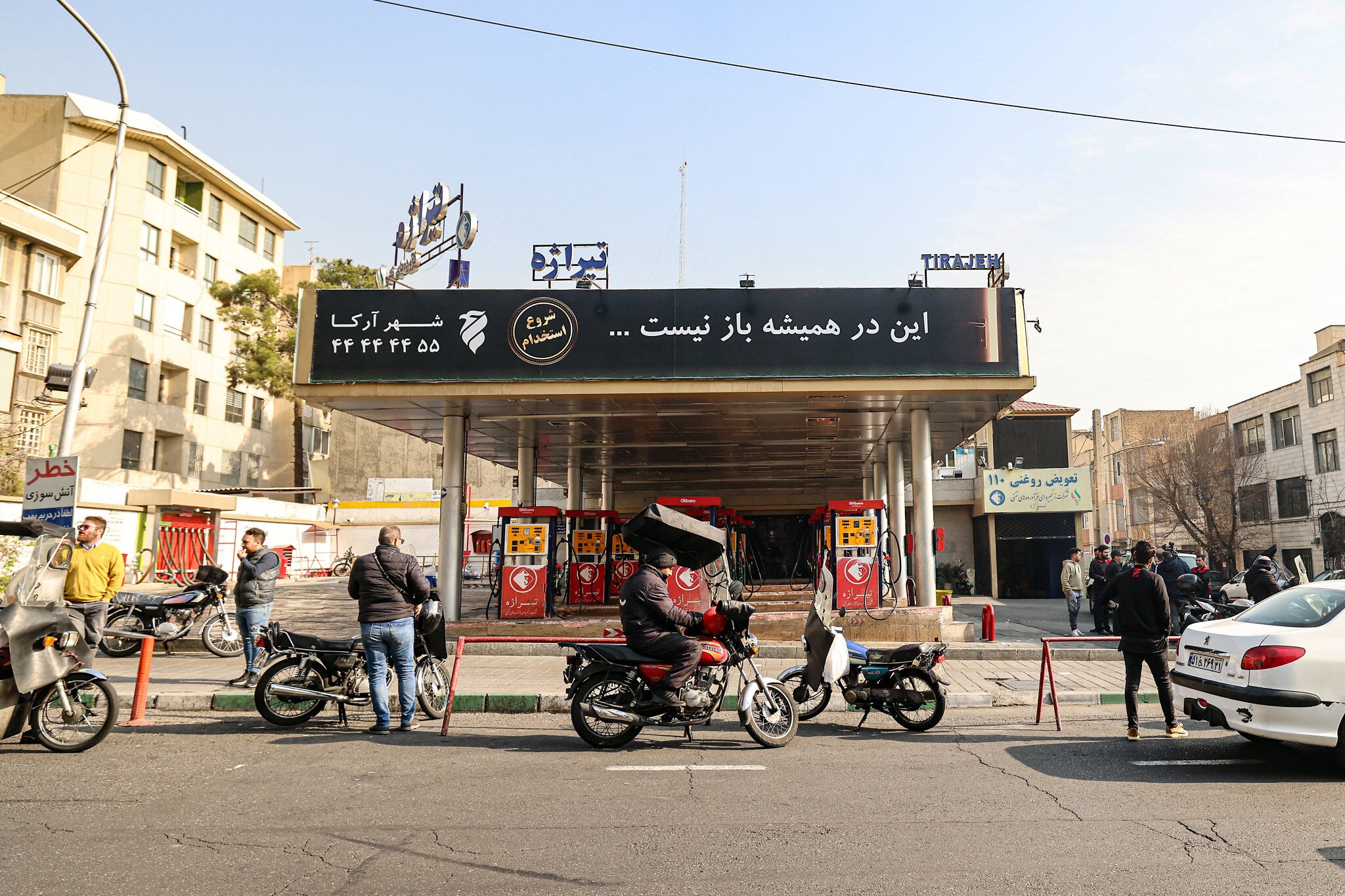
Iran will raise the price of its heavily subsidized gasoline for heavy users on Saturday, state media reports, as the OPEC member seeks to control rising fuel demand without triggering public anger.
Proposals to increase Iran’s fuel prices, some of the lowest in the world, have long been postponed amid apparent concerns that they might cause a repeat of widespread protests seen in 2019 that were crushed by the state.
The government will introduce a higher rate of 50,000 Iranian rials per liter (4 US cents under the free market rate) at midnight on Friday for most consumers requiring more than 160 liters per month, state television reported on Friday.
Other drivers can still purchase up to 60 litres of gasoline at the existing rate of 15,000 rials per litre and up to another 100 litres at 30,000 rials per litre.
According to local media, domestic fuel production of around 110 million litres per day lags rising demand, which can go up to 140 million litres per day due to factors such as inefficient cars, smuggling to neighbouring countries and heat in summer.
Government officials have warned that subsidised fuel prices in Iran are “not rational”, impose a heavy burden on state finances and encourage suboptimal consumption as well as necessitating fuel imports.
Private drivers owning several cars will only be able to buy fuel at the lower-priced quotas for one of their vehicles, while most government-owned vehicles, many newly-produced cars and imported vehicles will have to use the more expensive rate.
Iran’s economy risks staggering into simultaneous hyperinflation and deep recession, officials and analysts have said, as clerical rulers scramble to preserve stability with limited room to manoeuvre after a snapback of UN sanctions.









The Times of Israel Community.