

 From the Liveblog of
Sunday, July 26, 2026
From the Liveblog of
Sunday, July 26, 2026
Knesset legal adviser calls law freezing arrest of Haredi draft dodgers fundamentally flawed
 Add ToI as a Preferred Source on Google
Ariela Karmel is a political correspondent at The Times of Israel. She previously reported for Calcalist and Haaretz. She holds an MA in Middle Eastern and African History from Tel Aviv University and a BA in Political Science from the University of British Columbia.
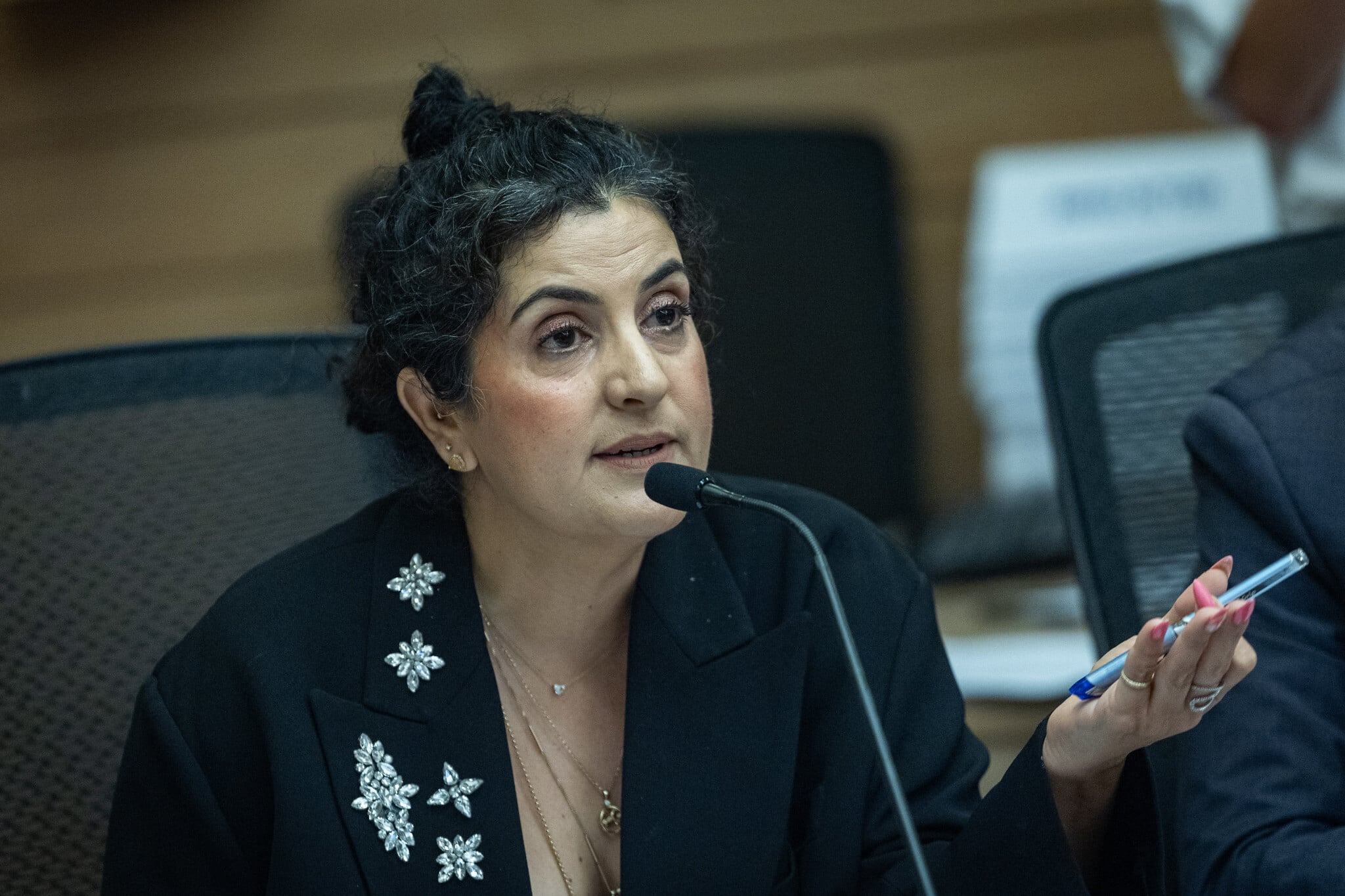
Knesset legal adviser Sagit Afik tells the High Court of Justice that legislation freezing criminal enforcement against ultra-Orthodox draft dodgers has fundamental procedural flaws and should not have been advanced through the legislative process used by the coalition.
The law, passed as part of the coalition’s end-of-session legislative blitz two weeks ago, bans arrests, investigations, and other enforcement measures against draft dodgers enrolled in yeshiva study until November 30, but will actually extend to February 2027, due to legal reasons tied to the upcoming elections.
The High Court has already temporarily frozen implementation of the law, after several petitions were filed immediately after its passage, while Attorney General Gali Baharav-Miara urged the court on Friday to block it entirely. The court is expected to hear the petitions before an expanded panel of justices.
Afik argues that the law violates the quasi-constitutional Basic Law: The Knesset because the legislation ultimately enacted differs substantially from the original bill, which was intended to establish a comprehensive framework governing Haredi enlistment, including recruitment targets, enforcement mechanisms and sanctions designed to increase military service, all of which were ultimately stripped from the final law.
Afik also says the legislative process “did not meet the high standard” required after the October 7 attack because lawmakers failed to adapt the original enlistment bill to “the updated data and needs of the IDF and the defense establishment.” She points to a pre-vote letter from IDF Chief of Staff Lt. Gen. Eyal Zamir, who called the legislation “inconceivable” and warned that it was “clearly and unequivocally inconsistent with the IDF’s needs.”










The Times of Israel Community.