

 From the Liveblog of
Thursday, April 24, 2025
From the Liveblog of
Thursday, April 24, 2025
Report: Government slated to spend $33 million financing foreign yeshiva students in Israel
 Add ToI as a Preferred Source on Google
Sam Sokol is a former political correspondent at The Times of Israel. He was previously a reporter for the Jerusalem Post, Jewish Telegraphic Agency and Haaretz. He is the author of "Putin’s Hybrid War and the Jews"
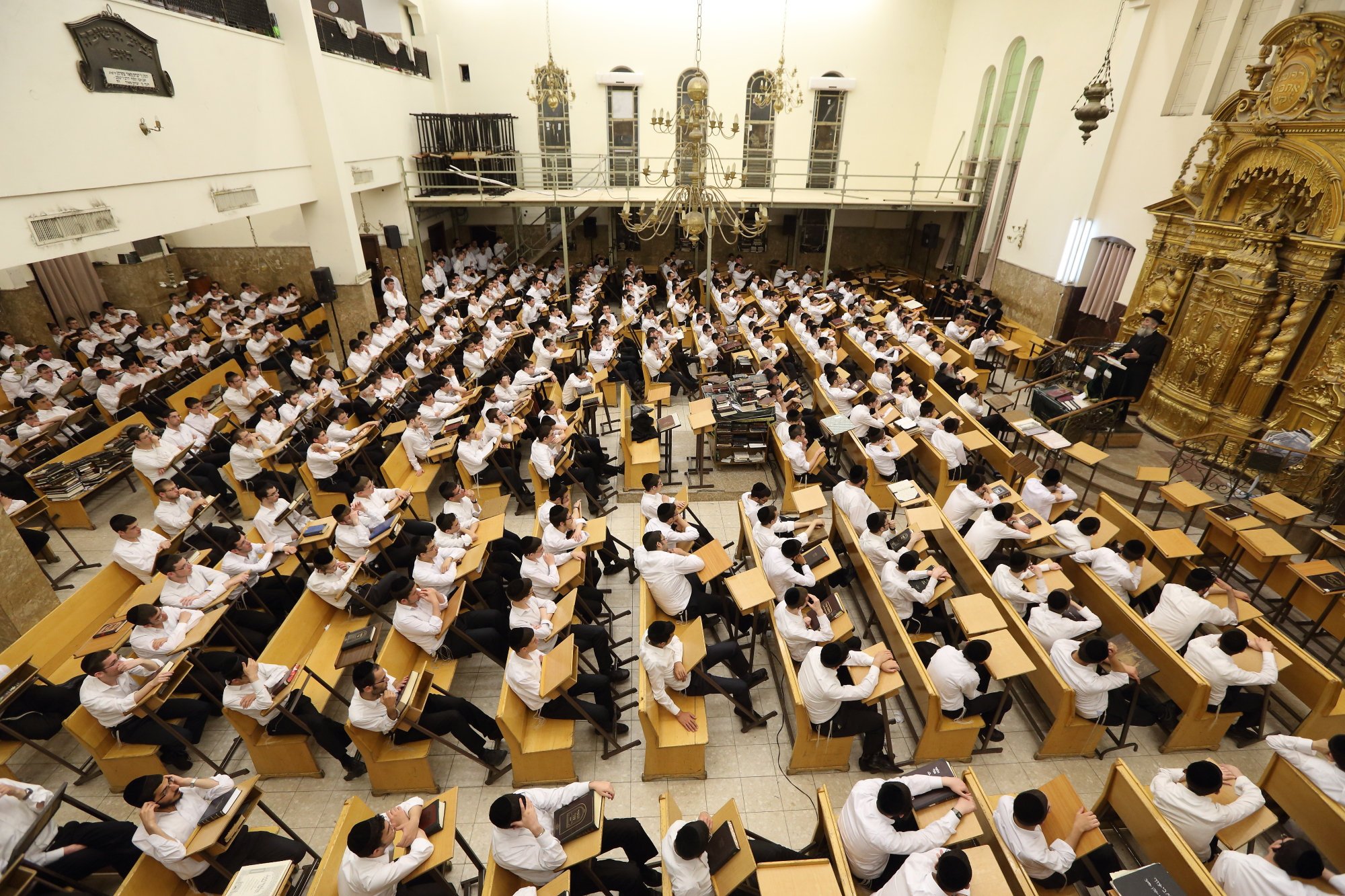
The government is slated to spend NIS 120 million ($33 million) financing the studies of overseas yeshiva students, double the NIS 60 million ($16.5 million) allocated out of coalition funds in the 2025 state budget, according to a new report.
Citing data provided by the Israel Hofsheet religious freedom advocacy group, Channel 12 says that the expanded budget will subsidize 15,000 foreign yeshiva students — some 4,500 or so of whom will study in full-time seminaries for married men, known as kollels.
These foreign students will also be eligible for discounts on property taxes, daycare subsidies and other benefits, the network adds, noting that while foreign students are provided with time-limited visas which do not allow them to work, yeshiva students from abroad are not subject to such restrictions.
Asked for comment, the Education Ministry tells Channel 12 that expenditures on these foreign students amount to NIS 65 million ($17.9 million) and are intended “to strengthen the relationship with Diaspora Jewry and to encourage immigration to Israel.”
“With all due respect, Israel has so many urgent needs, and bringing 15,000 Yeshiva students here just isn’t one of them. More than 100 million shekels will be better [off] spent on Israeli reservists and our families,” Israel Hofsheet executive director Uri Keidar tells The Times of Israel in a statement via WhatsApp.
Critics have described the annual spending bill, which was passed late last month, as an evasion budget — with Yesh Atid MK Vladimir Beliak recently arguing that its allocation of NIS 1.27 billion ($351 million) for yeshivas “is unequivocally encouraging evasion and is an incentive not to work.”
In response, Haredi politicians have countered that their community contributes significantly to Israeli society and have complained of being “delegitimized” and accused their critics of engaging in “incitement.”
The budget also included NIS 75 million ($20.7 million) for women’s seminaries, NIS 28 million ($7.7 million) for programs to prevent Haredim from dropping out of yeshivas and NIS 8 million ($2.2 million) for “coordination and liaison bodies” — a reference to groups that arrange military exemptions.
On Tuesday, the Vaad HaYeshivot (Yeshiva Committee), an ultra-Orthodox organization connected to some of the community’s top rabbinic leaders, issued an appeal to Haredi Jews with Israeli citizenship living abroad to take steps to ensure they are not drafted to the IDF when they come to Israel to study in yeshivas.
In an English-language message, the group warned that yeshiva students no longer enjoy a legal exemption from conscription. To make sure that they avoid any military entanglements, the committee advises students to approach their local Israeli consulate to change their status to “children of emigrants.”
Under such a status, they are allowed to study for up to four years in a yeshiva in Israel while retaining an exemption from mandatory service.
Last April, an interim order by the High Court of Justice barring the government from providing funds to ultra-Orthodox yeshivas for students eligible for IDF enlistment went into effect, ending the transfer of subsidies for tens of thousands of full-time students. (Israeli rabbis have since raised nearly $100 million in the US to cover the shortfall.)









The Times of Israel Community.