

 From the Liveblog of
Wednesday, April 8, 2026
From the Liveblog of
Wednesday, April 8, 2026
Report: Mojtaba Khamenei pushed for deal with US during final ultimatum hours
 Add ToI as a Preferred Source on Google
Stav Levaton is a military reporter for The Times of Israel
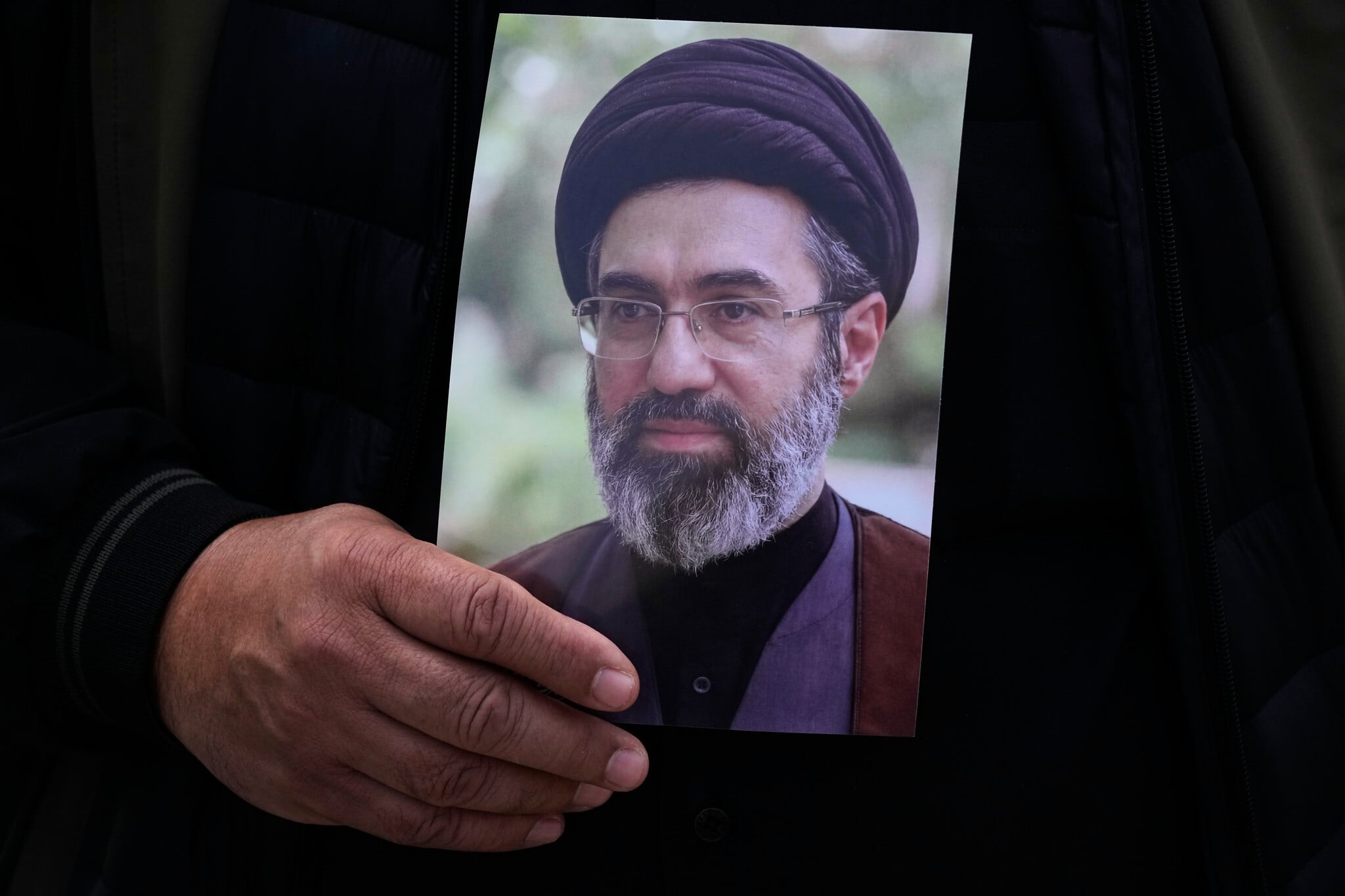
US and Israeli officials learned Monday that Iran’s Supreme Leader Mojtaba Khamenei had instructed negotiators to move toward a deal for the first time since the war began, Axios reports.
The development came as US President Donald Trump was publicly threatening that “a whole civilization will die” if Iran did not agree to his demands for reopening the Strait of Hormuz.
According to Axios, US forces in the Middle East and Pentagon officials spent the final hours of Trump’s ultimatum preparing for a massive bombing campaign on Iranian infrastructure, amid uncertainty over Trump’s intentions.
“We had no idea what was going to happen. It was wild,” one defense official is quoted as saying.
Talks on Monday were described by a source as “chaotic,” with Pakistani mediators relaying proposals between US envoy Steve Witkoff – who reportedly called Iran’s 10-point counter-proposal “a disaster” – and Iranian Foreign Minister Abbas Araghchi. Egyptian and Turkish officials are also said to have worked to bridge gaps.
By Monday night, mediators had reportedly secured US approval for an updated proposal for a two-week ceasefire, with Khamenei – who sources say was actively involved – holding the final say.
“Without his green light, there wouldn’t have been a deal,” one source tells the outlet.
Khamenei’s decision to allow negotiators to pursue a deal is described by two sources as a “breakthrough,” though his involvement remained highly secretive amid Israeli assassination threats, with communications carried out via intermediaries.
Axios reports that Araghchi also played a central role in advancing the talks and persuading Iran’s Islamic Revolutionary Guard Corps commanders to accept a deal. At the same time, China, too, encouraged Tehran to pursue a ceasefire deal.






The Times of Israel Community.