

 From the Liveblog of
Monday, September 7, 2026
From the Liveblog of
Monday, September 7, 2026
Wildfires, heatwaves endangering air quality and health, says UN in annual report
 Add ToI as a Preferred Source on Google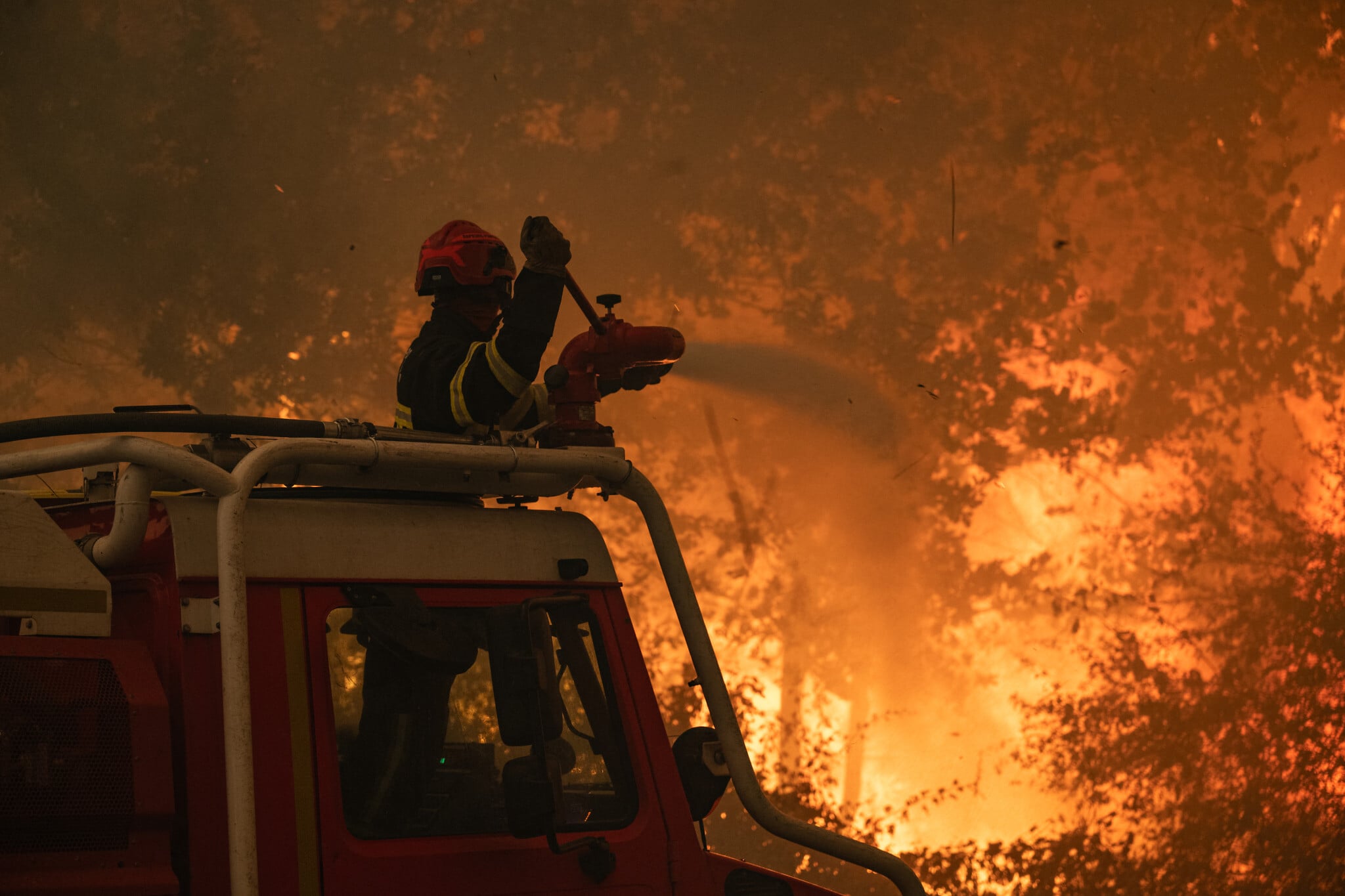
Wildfires and heatwaves, which generate microscopic airborne pollutants, risk undermining international efforts to improve air quality, protect human health and safeguard nature, the World Meteorological Organization (WMO) says.
The United Nations’ weather and climate agency underlines the links between air pollution and climate change, which scientists say is leading to more frequent and more intense heatwaves and wildfires.
“Extreme wildfires are increasing, leading to big health consequences because of the high toxicity of smoke,” the WMO says in a statement accompanying its latest annual Air Quality and Climate Bulletin.
“Whilst regulations in Europe and North America have reduced industrial and transport PM2.5 emissions, exposure to fire-related PM2.5 has increased.”
Particulate matter PM2.5 is composed of microscopic particles and droplets of less than 2.5 micrometres in diameter, which is a health hazard because it can penetrate deep into the lungs and bloodstream.
It is emitted by fossil fuel-driven industrial activities, farming, domestic heating and transport, as well as by wildfires and dust storms.
The report says the world needs to better monitor air pollutants such as aerosol — including black carbon and microplastics –, fine particles and ground-level ozone.
These pollutants “are not sufficiently monitored even though they are widespread and are potentially harmful to ecosystems,” the WMO says.
“(We need) complementary and coordinated policies on air quality and climate because they cannot be dealt with in isolation.”










The Times of Israel Community.