

 From
From Yemen’s Houthis joining forces with Iran-backed Iraqi forces to threaten Saudis and the Gulf, officials say
 Add ToI as a Preferred Source on Google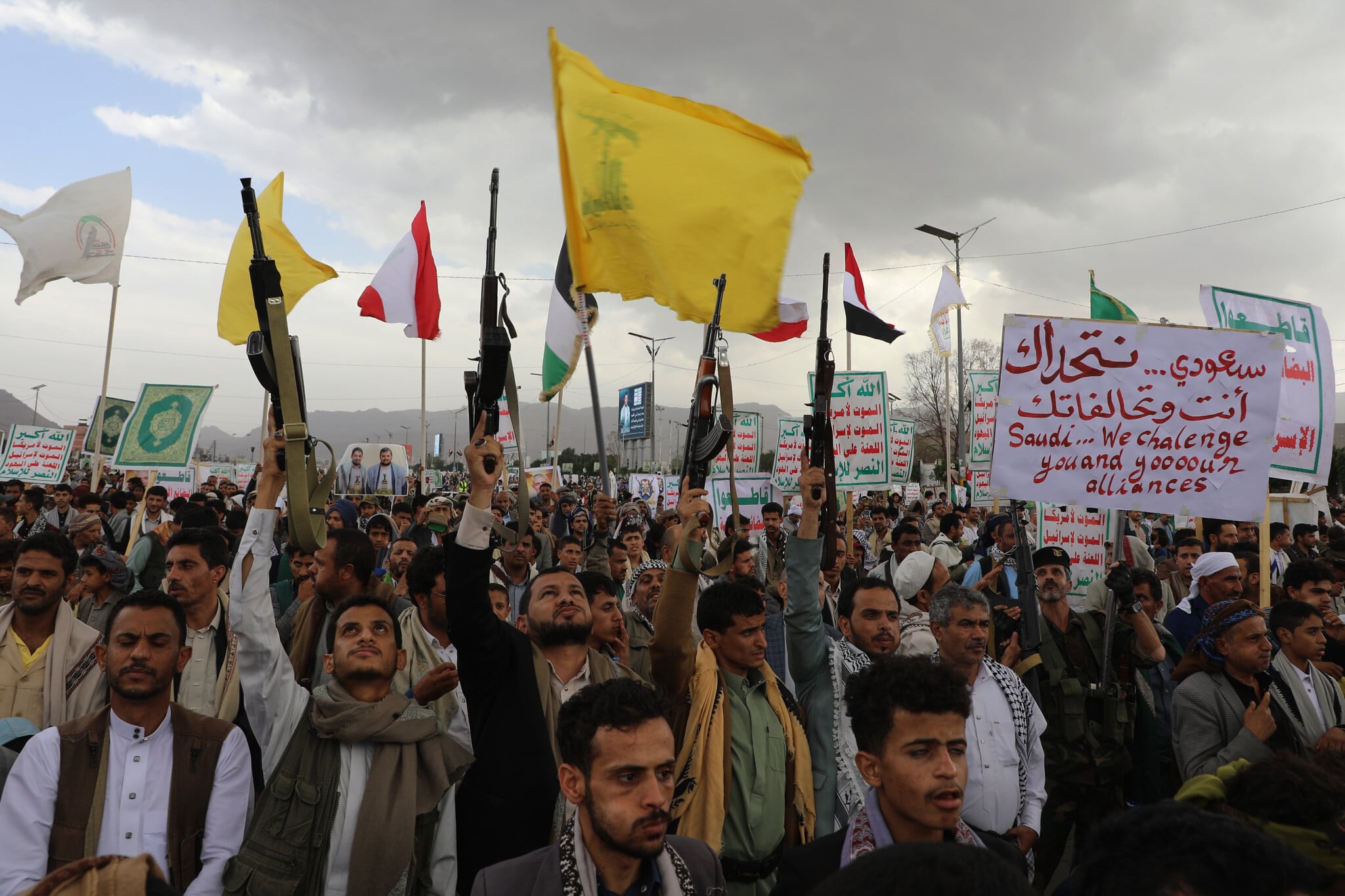
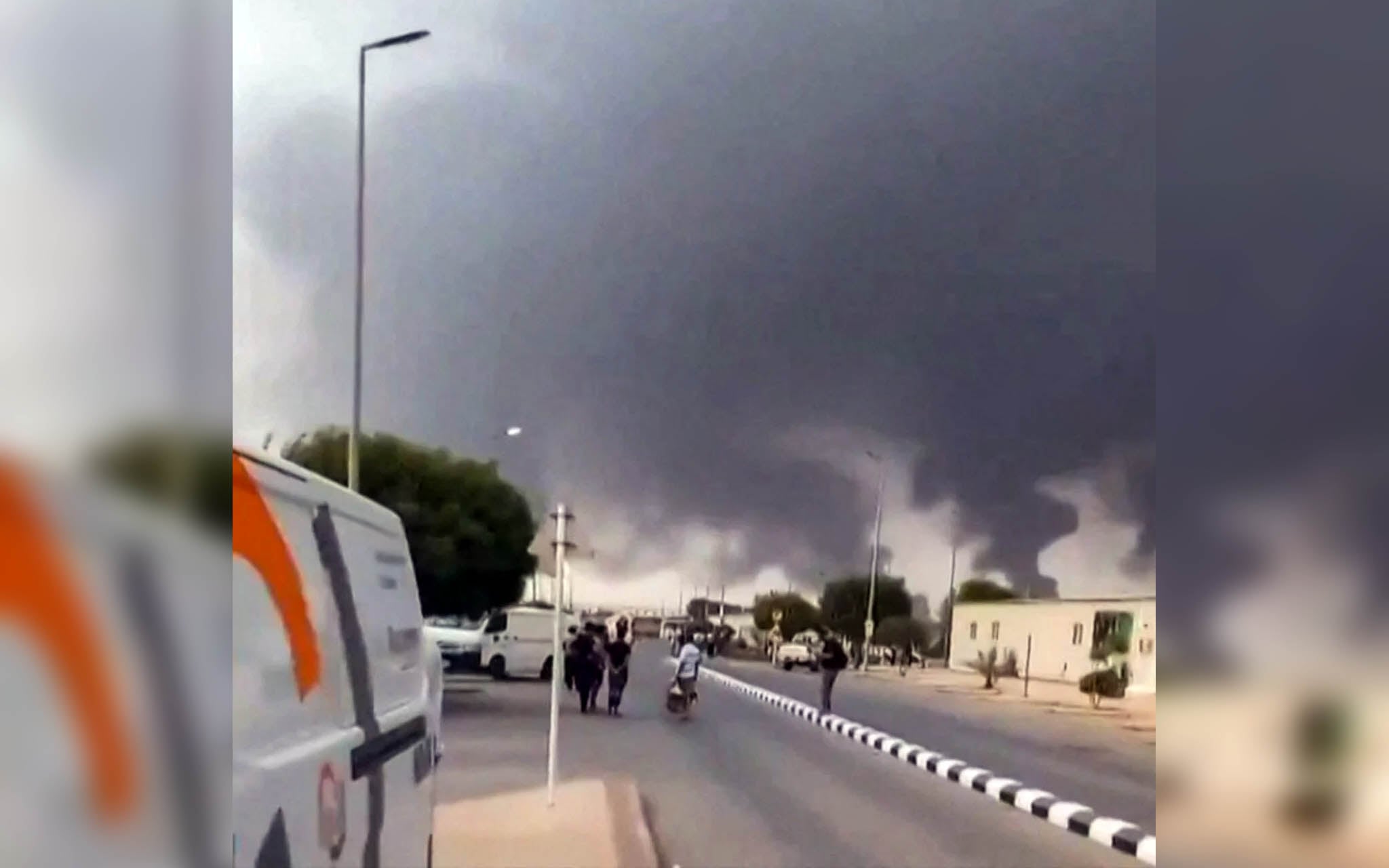
In July, Saudi Arabia and the United States bombed Iran-backed militias in Iraq after blaming them for drone attacks on Saudi oil facilities that had been claimed by Yemen’s Houthi rebels, another Iranian terror proxy.
Now, regional officials tell The Associated Press that the Houthis helped the Iraqi militias plan and execute the two-day swarm attack, showing a new level of coordination.
Iran spent decades building up armed jihadist groups on Israel’s frontiers that suffered major losses in the wars following Hamas’s October 7, 2023, onslaught out of Gaza.
Regional officials and experts say Iran is now using the Iraqi militias and the Houthis to threaten Saudi Arabia and other American allies in the Gulf in order to drive up the costs of the war launched by the US and Israel in February.
It is a risky strategy. A wave of Houthi attacks yesterday on Saudi oil facilities has threatened to reignite full-scale war with the kingdom. Iraq has ordered militias to disarm by the end of this month, though powerful Iran-backed groups have refused to do so. A new American effort to economically isolate Iran could spark further escalation.
The Houthi involvement in the Iraqi drone attack is confirmed by two Saudi officials, citing intelligence, and a senior Iraqi security official. They say Houthi emissaries worked in an operations room run by Iraqi militias.
Saudi Arabia and the US responded with joint airstrikes that killed at least 20 Iraqi fighters, six Iranian advisers and at least one Houthi official. The death of the Houthi, not previously reported, is confirmed by a Houthi official and an Iraqi militia member.
A US military official says Houthis were killed in previous strikes in Iraq. The US is concerned about the Houthi presence there and their ability to launch attacks on other countries, including Saudi Arabia, the official says.
Two officials with the Popular Mobilization Forces, an umbrella group of militias that is officially part of Iraq’s security forces, deny involvement in the attack on Saudi Arabia and deny that the Houthis have been operating under its auspices. The PMF includes powerful militias backed by Iran that sometimes act independently.
All the officials and the militia member speak on condition of anonymity because they are not authorized to speak to media. The Houthis do not respond to a request for comment.
Cooperation between the Iraqi militias and the better-organized Houthis has grown throughout the war in Gaza, when they coordinated attacks on Israel, according to the Houthi and regional officials. At the height of the war, Houthi leader Abdel-Malek al-Houthi spoke of a joint operations room.
After the US and Israel attacked Iran on February 28, Iran and its allies began firing on Gulf nations to broaden the conflict and inflict pain on major oil producers hosting American forces.
“The Houthis’ growing prominence during the Gaza war opened up a new horizon in Iraq. Many groups there became eager to support the Houthis, and in return, the Houthis started sharing their military expertise with Iraqi militias,” says Ahmed Nagi, senior Yemen analyst at the Crisis Group, an international think tank.
Now they are “squeezing Saudi [Arabia] like with pliers,” Nagi says.
Times of Israel staff contributed to this report.







The Times of Israel Community.