

Most Israelis feel no political party fully represents their views, poll finds
Israel Democracy Institute study finds only 26% ‘feel that there is a party that properly represents them’ as country gears up for 2026 electoral campaign
 Add ToI as a Preferred Source on Google
Sam Sokol is a former political correspondent at The Times of Israel. He was previously a reporter for the Jerusalem Post, Jewish Telegraphic Agency and Haaretz. He is the author of "Putin’s Hybrid War and the Jews"
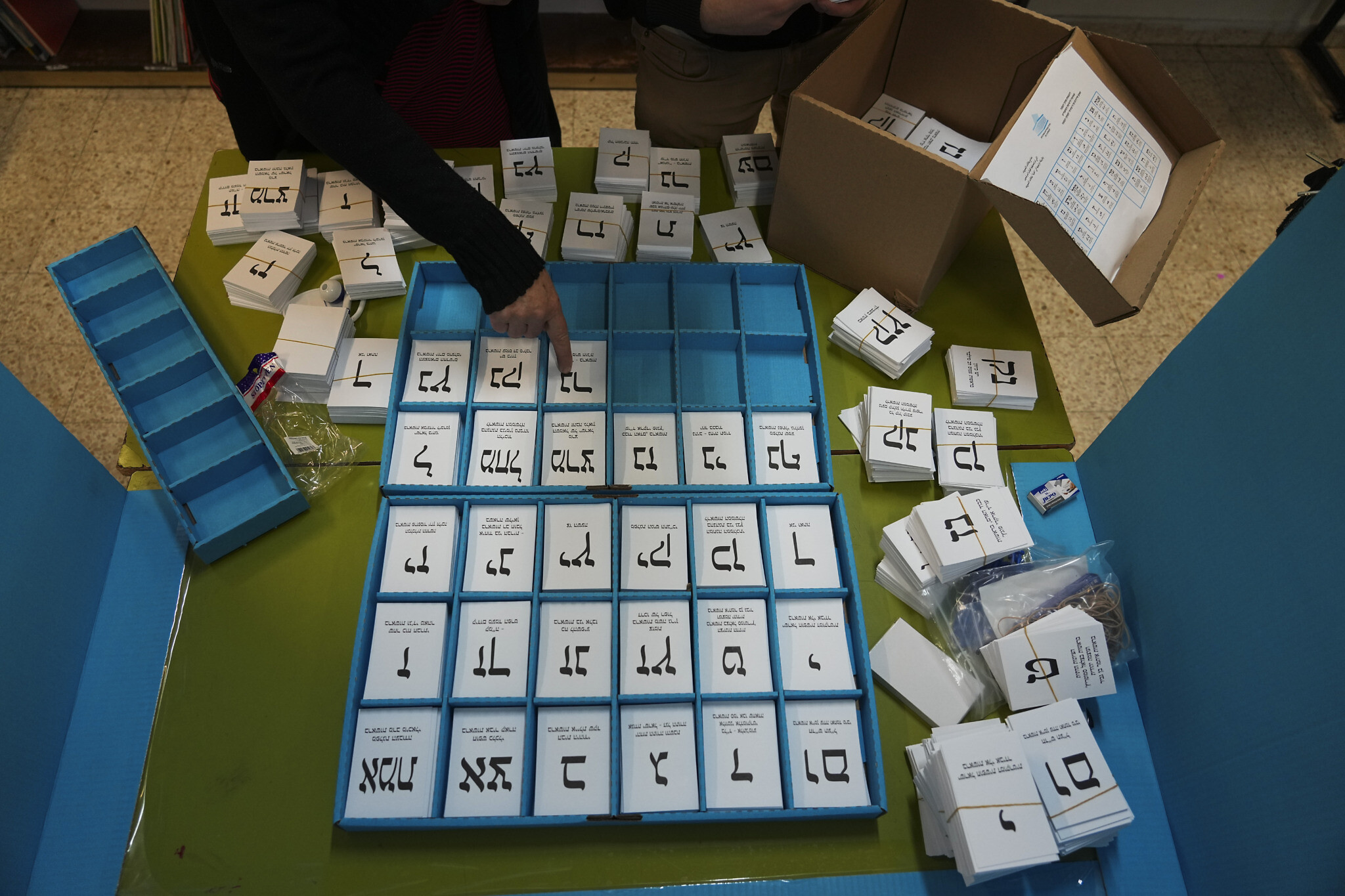
Ahead of the next Knesset election, slated to take place by late next year, a majority of Israelis feel that their policy views are not adequately represented by the existing political parties, a study by the Israeli Democracy Institute has found.
According to the Jerusalem-based think tank’s annual Democracy Index, only 26 percent of Israelis “feel that there is a party that properly represents them,” while 35% say that they feel “partly” represented and 34% believe that no party reflects their views.
The share of Israelis who believe that there is a party that closely represents their views “is the lowest recorded since 2003,” IDI reported, adding that those feeling the most politically homeless are mostly clustered in the center of the political spectrum.
On the left, 27% of respondents stated that there was no party that closely represented their views, versus 31.5% in the center and 27% on the right.
Overall, 86% of Haredim reported feeling that there is a party that closely or partly represents their views, while only 59.5% of national-religious Jews feel the same. Thirty-six percent of national-religious Jews feel that there is no party that represents their views, versus 32% among traditional religious, 32% among traditional non-religious, and 28% among secular Jews.
Seventy-one percent of Israelis (69% of Jews and 78% of Arabs) believe that it is “important for Israel to have a constitution,” something the anti-Netanyahu opposition has said it will pursue if it wins the next election.
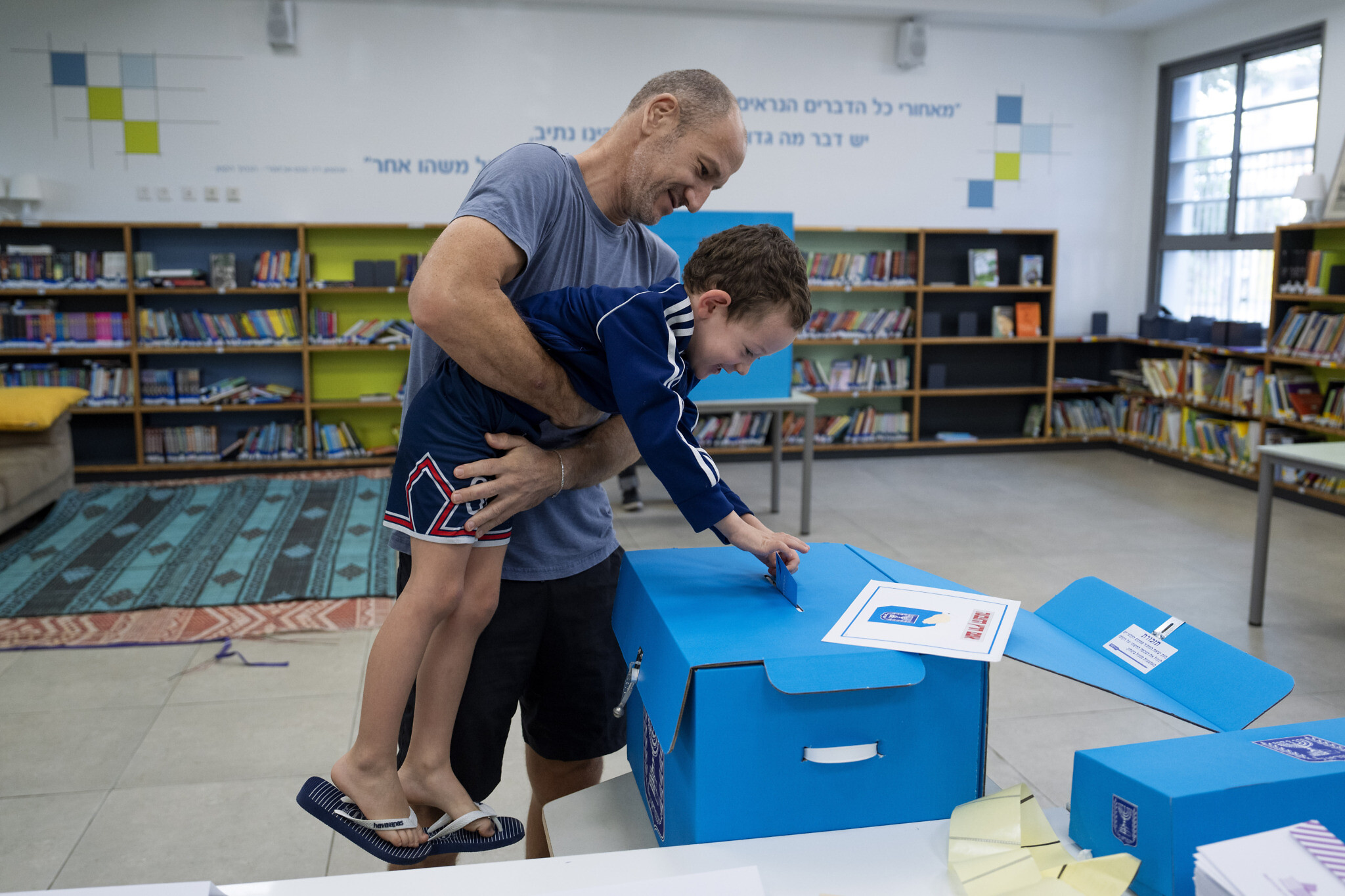
Overall, while 65.5% of Israelis believe the next elections will be free and fair, a majority of both Jews and Arabs are concerned that either domestic or foreign entities will attempt to improperly sway their results.
Among Jews, 58% are concerned over domestic election interference versus 51% among Arabs — while 50% and 47%, respectively, are worried about outside influence.
Among Jewish voters, the top issues influencing choice of party come down to positions on foreign policy and security (20%), religion and state (19%), and the economy and the high cost of living (19%), followed by the identity of the party leader at 17%. On the left, the top issue is religion and state (24%), while on the right it is foreign policy and security (22%), and in the center it is the economy and the cost of living (25%).
Arab voters, meanwhile, tend to focus on the economy and cost of living (33%), as well as foreign policy and security (18%).
Asked which specific issue would have the greatest impact on party choice, 49% of Arabs said the economy, 11% the judicial overhaul, and 11% Prime Minister Benjamin Netanyahu’s ongoing criminal trial.
Among Jews, 18% said the return of the hostages, 17% said the events of October 7, and 17% said ultra-Orthodox conscription.
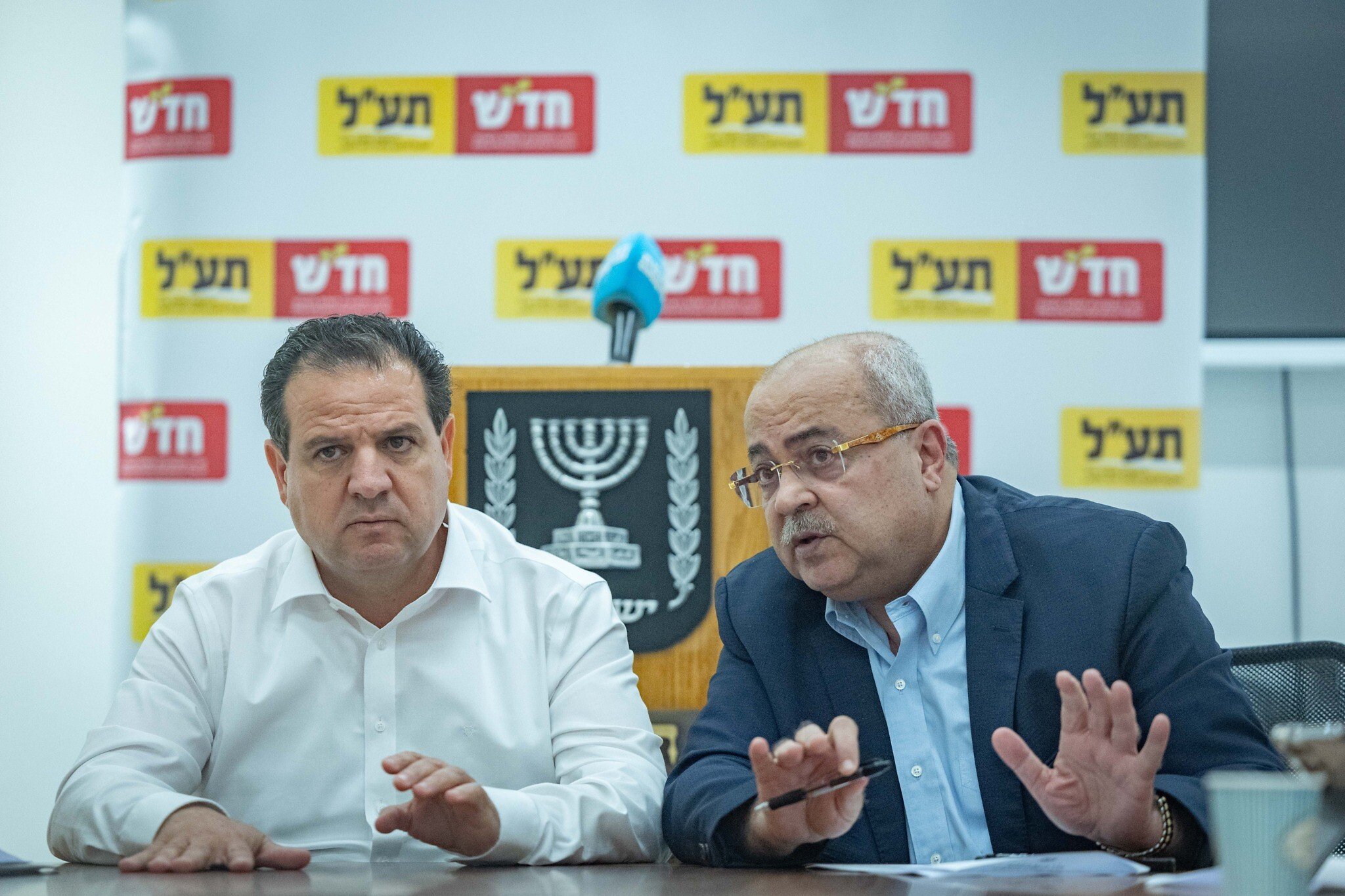
Three-quarters of Arab respondents also stated that parties’ platforms on the fight against crime were a “major factor” in their political decision-making.
Seventy-seven percent of Arab respondents said they supported the inclusion of an Arab party in the government, while 71.5% of Jews oppose it.
Overall, Israeli Jews trust the IDF (81%) more than any other institution, followed by the president (41%), the Supreme Court (41%), the police (39%), the media (26%), the government (25%), the Knesset (18%), and the political parties (10%).
Among Arabs, the most trusted institution is the Supreme Court (41%), followed by the IDF (31%), the president (27%), the media (25%), the police (22%), the government (17.5%), the Knesset (15.5%), and the political parties (14%).
Overall, 60% of Jews are optimistic about Israel’s future versus only 38% of Arabs. As for Israel’s current situation, according to IDI, “in November 2025, 30.5% of Jews classified Israel’s overall situation as bad,” while “more than half of the Arab respondents still defined Israel’s situation as bad (52%), though this was a significant improvement from May 2025, when the corresponding share was almost two-thirds (64.5%).”

Among Jews, 65.5% on the left view the current situation as bad, versus 46.5% in the center, and 16% on the right.
Regarding the state of Israeli democracy, only 9% of those on the left, 14% of those in the center, and 34% of those on the right give it a rating of good or excellent, IDI’s study found.
IDI said it polled 1,205 Jews and 364 Arabs throughout May 2025 with a maximum sampling error of 2.47 points — with an additional 604 Jewish and 158 Arab interviewees in November with a maximum sampling error of 3.55 points.







The Times of Israel Community.