

‘No real argument’ against need for state inquiry into Oct. 7, High Court tells government
Top court tells government to inform it within 30 days if it will establish a state commission of inquiry into devastating Hamas invasion; ‘everyone deserves the truth’ says NGO
 Add ToI as a Preferred Source on Google
Jeremy Sharon is The Times of Israel’s legal affairs and settlements reporter
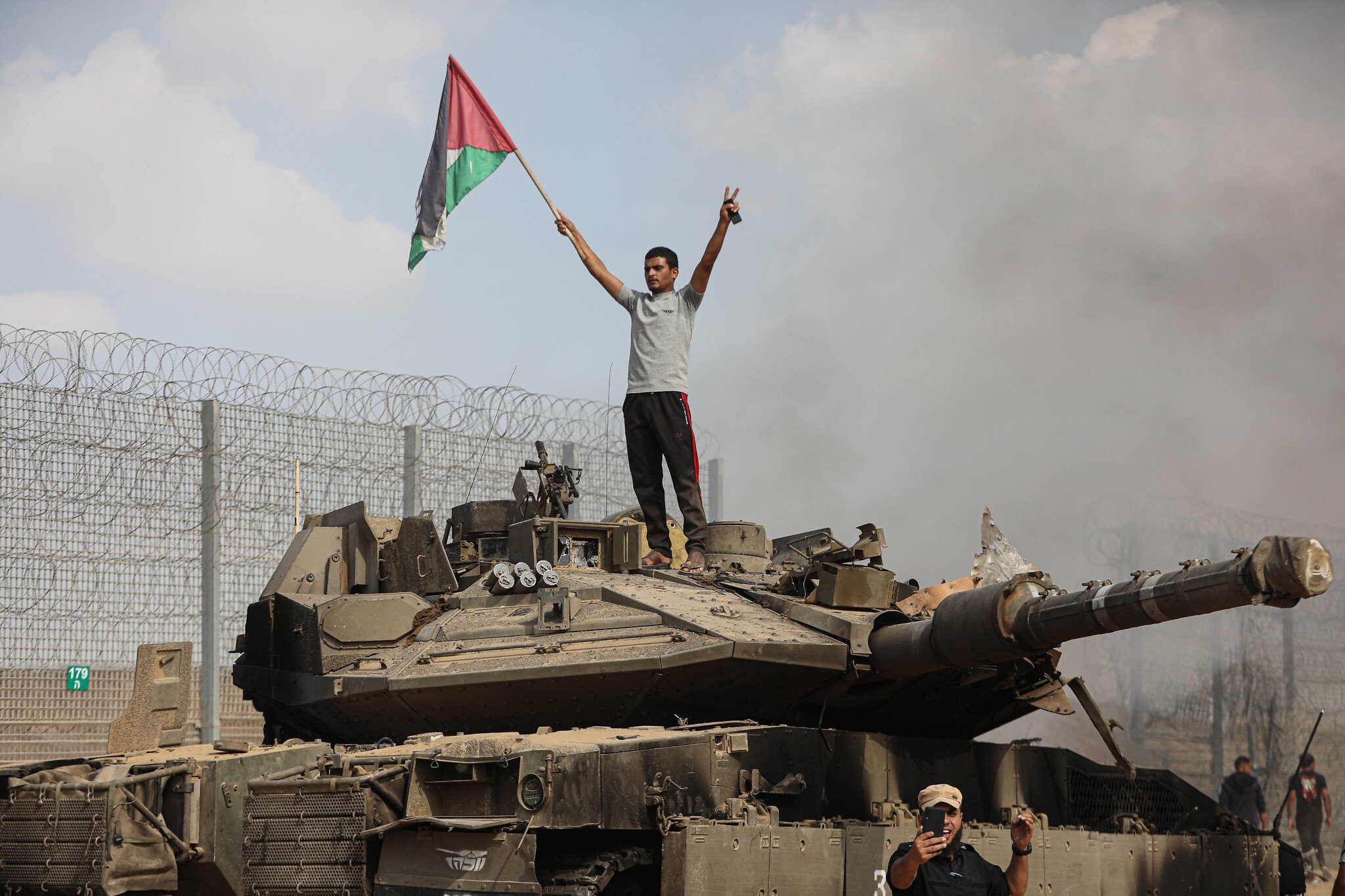
The High Court of Justice told the government on Wednesday that there is “no real argument” against the need to establish a state commission of inquiry into the catastrophic invasion and massacres perpetrated by Hamas on October 7, 2023.
In the court’s latest decision over petitions demanding the establishment of such an inquiry, it gave the government 30 days to submit a new update about “the fate” of such a commission.
The ruling on Wednesday was issued unanimously by a three-judge panel, including hardline conservative judge David Mintz.
“The most serious failure in the history of the state requires a thorough and independent investigation,” said the Movement for Quality Government in Israel in response to the High Court decision.
The organization, one of the primary petitioners in the case, said the government’s primary objection to the creation of a state commission into the October 7 onslaught — that such an investigation could not be conducted during a time of war — was now no longer relevant given the ceasefire and hostage return deal agreed with Hamas.
“The hostages who returned, those who died, the evacuees who were abandoned — everyone deserves the truth. A state commission of inquiry must be established as soon as possible, without further delays,” the group added.
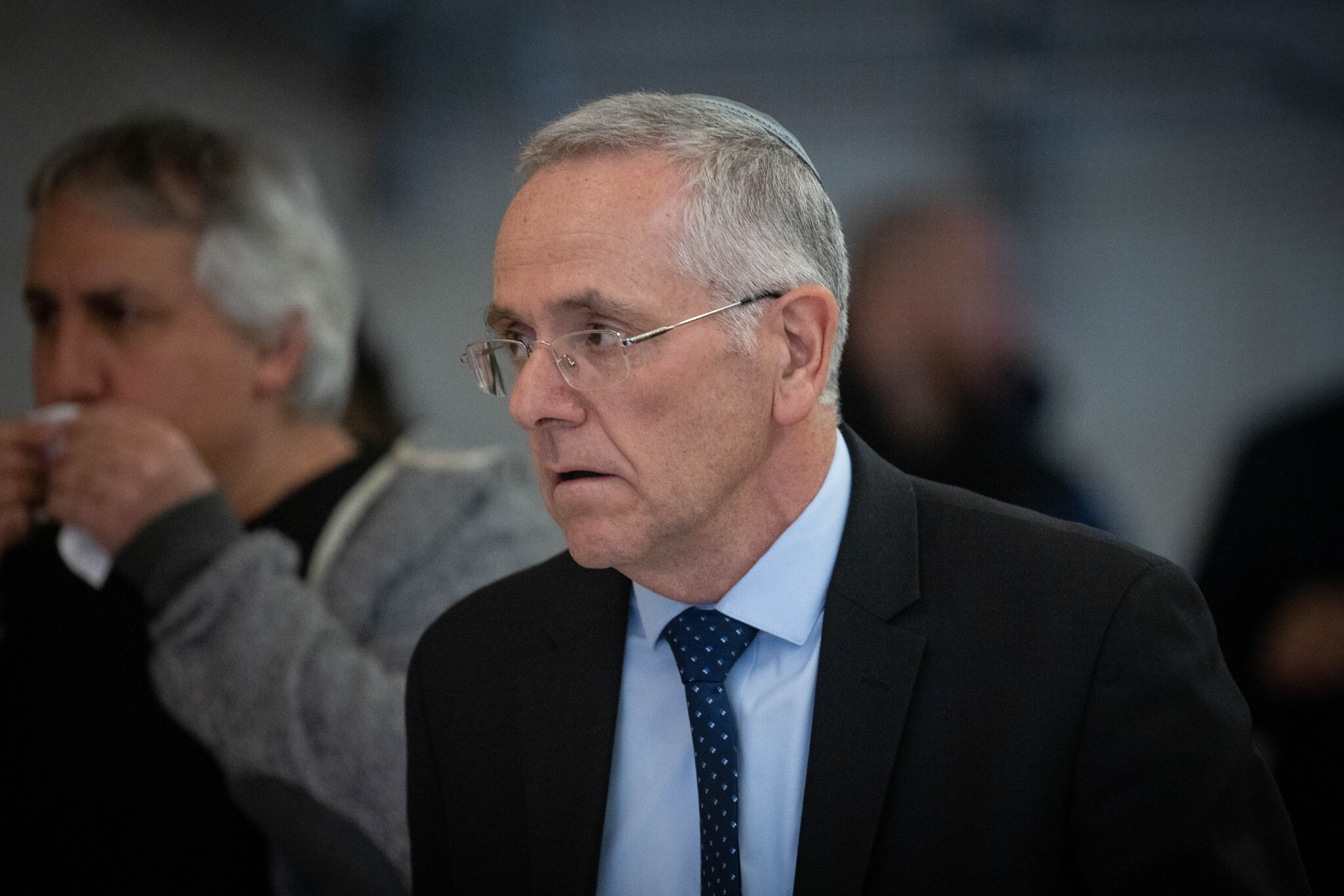
Attorney Daphna Holz-Lechner of the Zulat Institute, another petitioner, said the court’s decision “leaves no room for doubt” that a state commission of inquiry will now be established.
The Movement for Quality Government in Israel, the Defensive Shield for Israel Forum, the Zulat Institute, and other groups petitioned the High Court back in 2024, requesting the court order the government to establish a state commission of inquiry into the events of October 7, after it refused to do so for months after the attack.
The government vigorously opposed the establishment of a state commission of inquiry into the October 7 catastrophe, originally on the grounds that such an inquiry could not be conducted while Israel was at war, but later due to accusations by several cabinet ministers that Supreme Court President Isaac Amit could not be trusted to appoint a fair-minded judge or retired judge to head the panel.
The court has granted several delays to the government in responding fully to the claims in the petitions since they were filed.
In August this year, Attorney General Gali Baharav-Miara told Prime Minister Benjamin Netanyahu that the government’s ongoing delay in establishing an investigative body was harming the ability of any future investigation to uncover what went wrong.
And opposition parties, along with good-governance groups and a number of bereaved families, have accused the government of trying to shirk responsibility for the failures leading up to, and following, the brutal Hamas attack, and of stymying the establishment of a state commission to avoid a reckoning with the public.
A state commission of inquiry holds unique powers to investigate a national disaster, including subpoena power, and is totally independent of the government after it is set up. The initial establishment of such commissions does, however, require government approval.
State commissions of inquiry have been established in the past to look into other military failures, including into the events of the Yom Kippur War in 1973, and the Sabra and Shatila massacre in Lebanon in 1982.
A government commission of inquiry, in which the government appoints the members of the commission, was established to investigate the failures of the 2006 Second Lebanon War, although it was granted some of the powers of the more rigorous and independent state commissions, including the power to subpoena witnesses.








The Times of Israel Community.