

Prehistoric elephant jerky? Early humans preserved megafauna meat in a smokehouse
New Israeli research suggests large game was smoked as early as 1.8 million years ago, a survival strategy that may have helped shape human evolution far before BBQs took hold
 Add ToI as a Preferred Source on Google
Rossella Tercatin is The Times of Israel's archaeology and religions reporter.
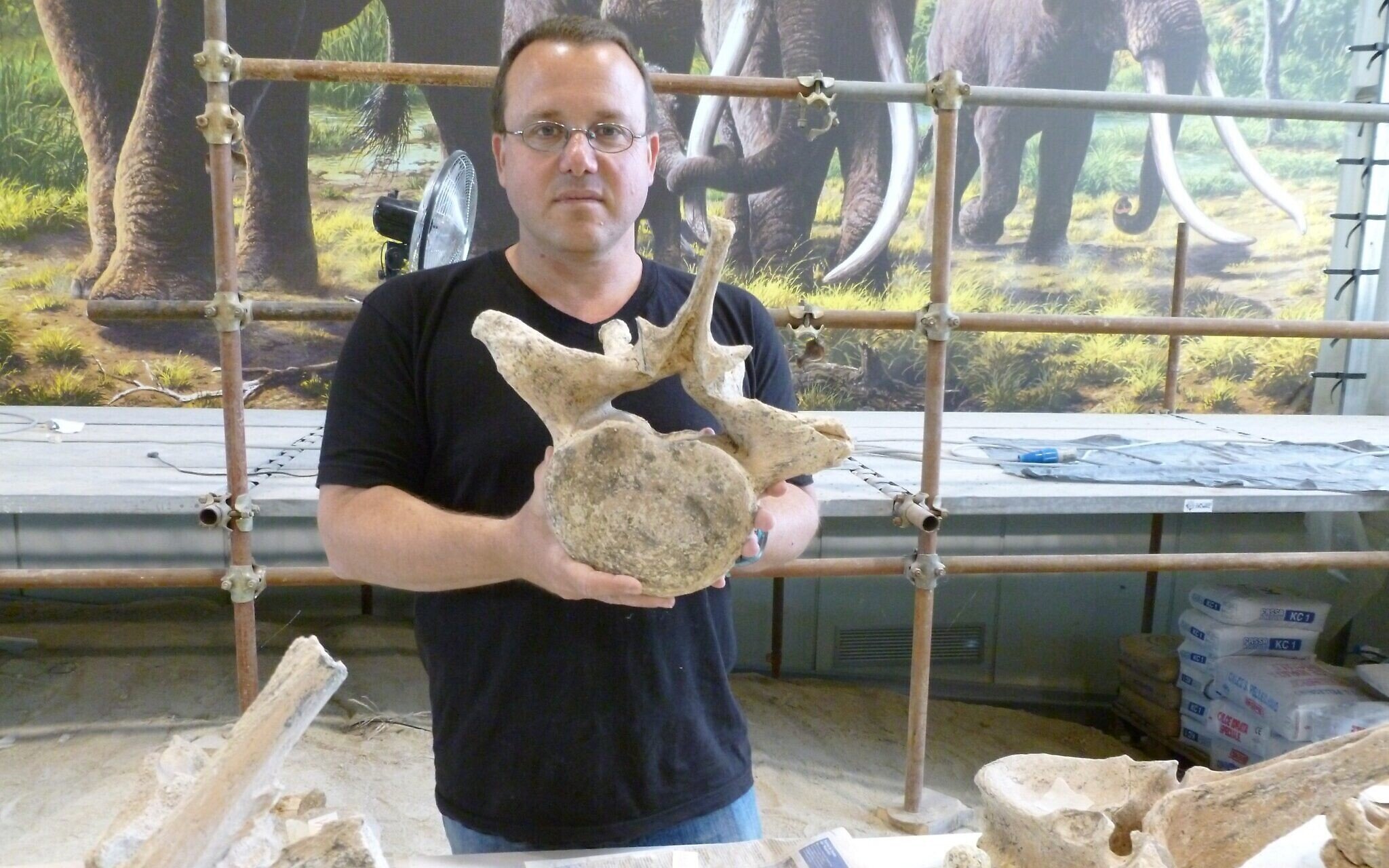
Evidence indicates that early humans may have harnessed fire as far back as 1.8 million years ago — likely to keep predators at bay and to smoke meat in order to preserve it. Offering a rare glimpse into prehistoric survival, new research by Israeli scholars has investigated the earliest use of fire before a major shift occurred up to 400,000 years ago, in which a cooking fire’s primary purpose turned from preserving hunted meat through smoking to roasting it.
Until this shift to BBQ cooking, small 20-30 person hunter-gatherer groups may have survived for weeks on smoked and dried large animals’ fat and meat, which provided millions of calories. According to the research team, the hunters’ targets included megaherbivores such as elephants and hippos, whose remains were uncovered at the excavated sites.
“The human use of fire is a big mystery,” Prof. Ran Barkai from Tel Aviv University told The Times of Israel in a phone interview this week.
“We know that at a certain stage, between 400,000 and 200,000 years ago, the use of fire became widespread, primarily for roasting meat,” he said.
“However, in a few sites, there is evidence of fire being used earlier. For what purpose and why it only appeared in certain places and not in others remains an enigma, part of the larger question of the role of fire in human evolution, nutrition, and biology,” said Barkai, who, together with Dr. Miki Ben-Dor, also from TAU, authored a paper that was published last month in the Frontiers in Nutrition journal.
The most recent paper proposing that early man primarily smoked his meat is part of a larger research project that Barkai and his team have been conducting for over a decade, focusing on the role of megaherbivores (and their extinction) in human diet and evolution.

Previous research suggested, for example, that by killing off large animals over hundreds of thousands of years, Homo erectus, an ancient human species, was forced to move to chase smaller creatures — and the smaller they were, the more ingenuity it took to catch enough of them to meet dietary needs. This, in turn, selected bigger and more capable brains in the species.
The latest research by TAU scholars explored how early humans began hunting such massive animals, and the pivotal role fire played in the process.
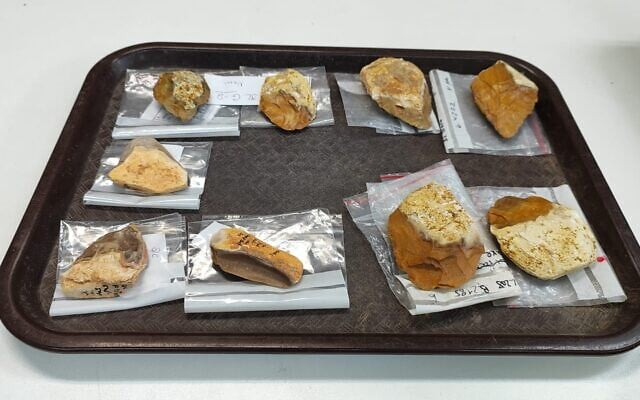
“There are only nine sites across the world that present evidence of fire between 1.8 million and 1 million years before the present, and what we saw is that each and every one of them also offers remains of megaherbivores, of elephants, rhinos and hippos,” the researcher noted.
Such locations include Gesher Benot Ya’aqov and Evron Quarry in Israel, as well as six sites in Africa and one site in Spain.
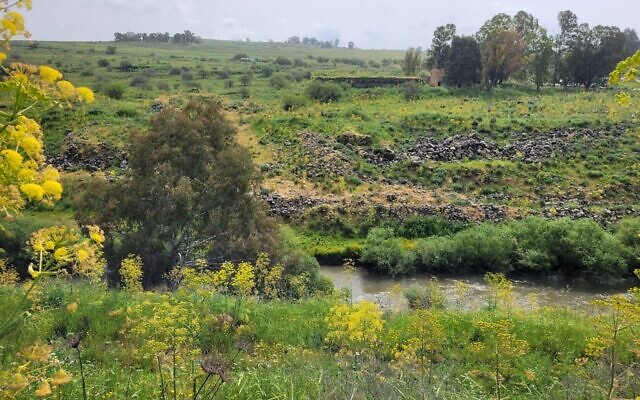
These sites do not exhibit any signs of burned bones, unlike later prehistoric sites dating back 400,000 years or less, where charred bones indicate that meat was roasted.
“For this reason, we suggest that fire at the time was used differently to protect the tons of meat and fat that humans hunted and wanted to keep for themselves and to dry the meat so it would keep,” Barkai said, such as smoking the meat.
The researchers also analyzed the question from a bioenergetic perspective, weighing the calories burned to light and maintain fires against the caloric payoff of preserved meat.
“Making fire was very costly,” Barkai said. “It entailed looking for wood, lighting the fire and keeping it on. Cooking does offer such a caloric return to justify using fire, at least as long as megaherbivores existed.”
According to Barkai, large animals offered a rich source of fat, a highly prized nutrient that early humans sought to consume in its natural form.
“Early humans were crazy for fat, and therefore roasting the meat did not make sense, as it dramatically reduced the fat,” he said.
Using fire to smoke or dry the meat was the most efficient way to maintain as much fat as possible.
“Only when large fauna became extinct did it make more sense to use fire to roast the meat and make it more digestible,” Barkai noted.

Asked about whether it would have been possible to preserve the meat for long periods without using fire, Barkai said that other methods might have existed. Still, they were confined to colder regions where meat could be somehow refrigerated.
“The Levant and Africa were always hot regions,” he said. “Theoretically, they might have tried to dry the meat in the sun, but they would have needed to cut it into very thin slices, so it would not have been practical.”
According to Barkai, early humans began hunting megaherbivores only once they had figured out how to preserve their meat.
“We know that modern hunter-gatherers use every single calorie that can be obtained from the animals they hunt,” he said. “They waste nothing, and they do it not only for practical reasons but also for perceptual reasons, as part of their relationships with the world in an animistic belief system that you have to treat the world with respect so that it will continue to supply you with what you need.”
“We believe that this concept is very ancient,” Barkai added. “Early humans, therefore, hunted megaherbivores only when they had the capability of making use of all that was within.”
Though evidence is scarce, the researcher also suggested that once a fire was burning, early humans may have used it to roast food as well.
“One site, Gesher Benot Ya’aqov, presents evidence of roasted fish,” Barkai noted. “We suggested that since fire was already used at that site to protect the meat, its ancient residents also used it to roast fish. But this is a very unusual case.”










The Times of Israel Community.