

Repeatedly attacked by Iran, Jordan pays a price for its strong bond with the US
Kingdom has faced hundreds of drone and missile attacks from the Islamic Republic, amid soaring energy prices and concerns about West Bank instability, but relationship seems solid
 Add ToI as a Preferred Source on Google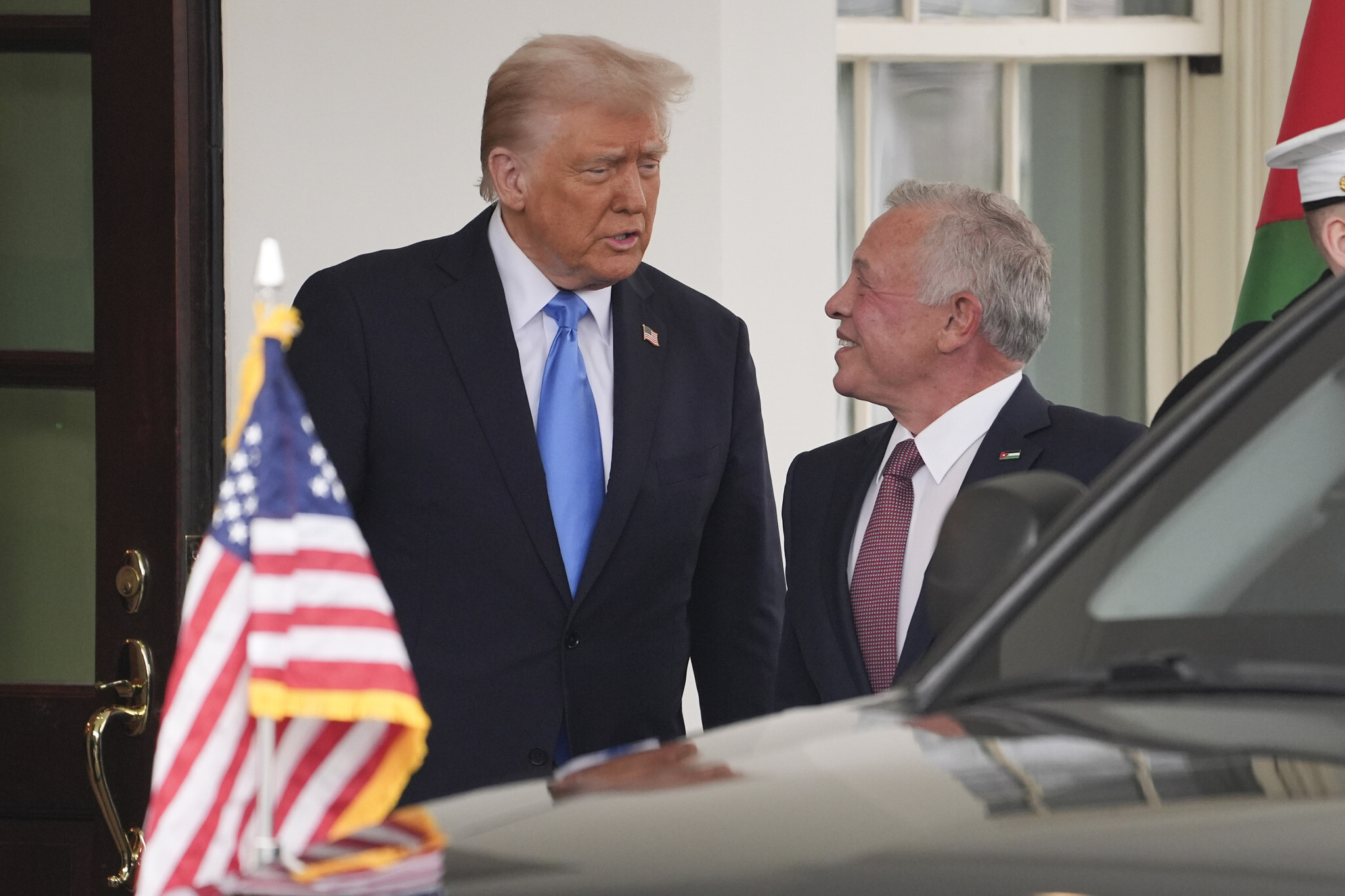
AP — Jordan, a staunch US ally that hosts American forces in the Middle East, has paid a price for its relationship with Washington, which has made the kingdom’s military bases a target of repeated Iranian strikes.
Hundreds of drone and missile attacks have added to other strains on Jordan that include a slumping economy and volatility in the neighboring West Bank, where extremist Israeli settlers have ramped up attacks on Palestinians.
Despite the risk of more strikes, Jordanian leaders say they are committed to maintaining the relationship after decades of courting deeper security ties with American officials and offering to be a reliable partner with the West in a region rocked by conflict. Analysts say the alliance offers Jordan a way to guard against Iran’s attempts to destabilize its neighbors.
King Abdullah II of Jordan seemed to acknowledge the need for such alliances last year, when he warned that destabilization fueled by the COVID-19 crisis, Russia’s full-scale invasion of Ukraine and the multi-front war Israel has been fighting with Iran and its terror proxies could trigger chaos far beyond the region.
“We are living through wave after wave of disruption, without pause,” he told European lawmakers. “There is no telling where the boundaries of this battleground will end. That, my friends, is a threat to people everywhere.”
The Hashemite Kingdom of Jordan is a puzzle-piece-shaped nation bordering Iraq, Saudi Arabia, Syria, Israel and the West Bank. More than 11 million Jordanians live between the Jordan River, the Red Sea and eastern deserts strewn with ruins.
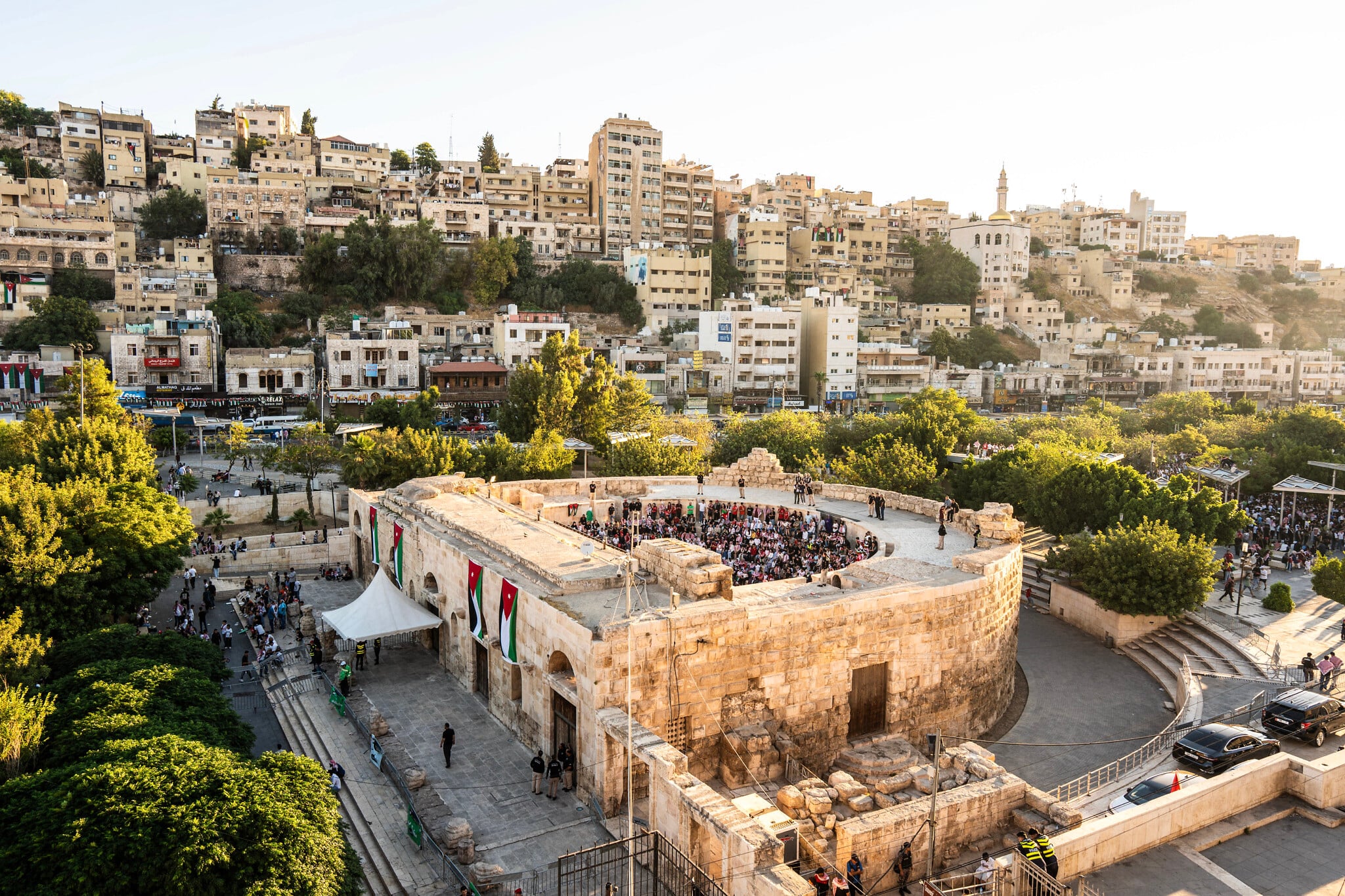
Besides the threat from Iran, Jordan faces other challenges, such as an economy that has buckled under millions of refugees fleeing regional conflicts. Soaring energy prices and inflation have added to the burden as the tourism sector struggles to draw visitors to landscapes lionized in Hollywood by Peter O’Toole, Harrison Ford and Matt Damon.
And next door, growing settler violence in the West Bank is deeply unsettling to Jordanians who fear instability could drive many of the 2.8 million Palestinians there to flee into the kingdom, said Sean Yom, a professor at Temple University and author of a 2025 book titled “Jordan: Politics in an Accidental Crucible.”
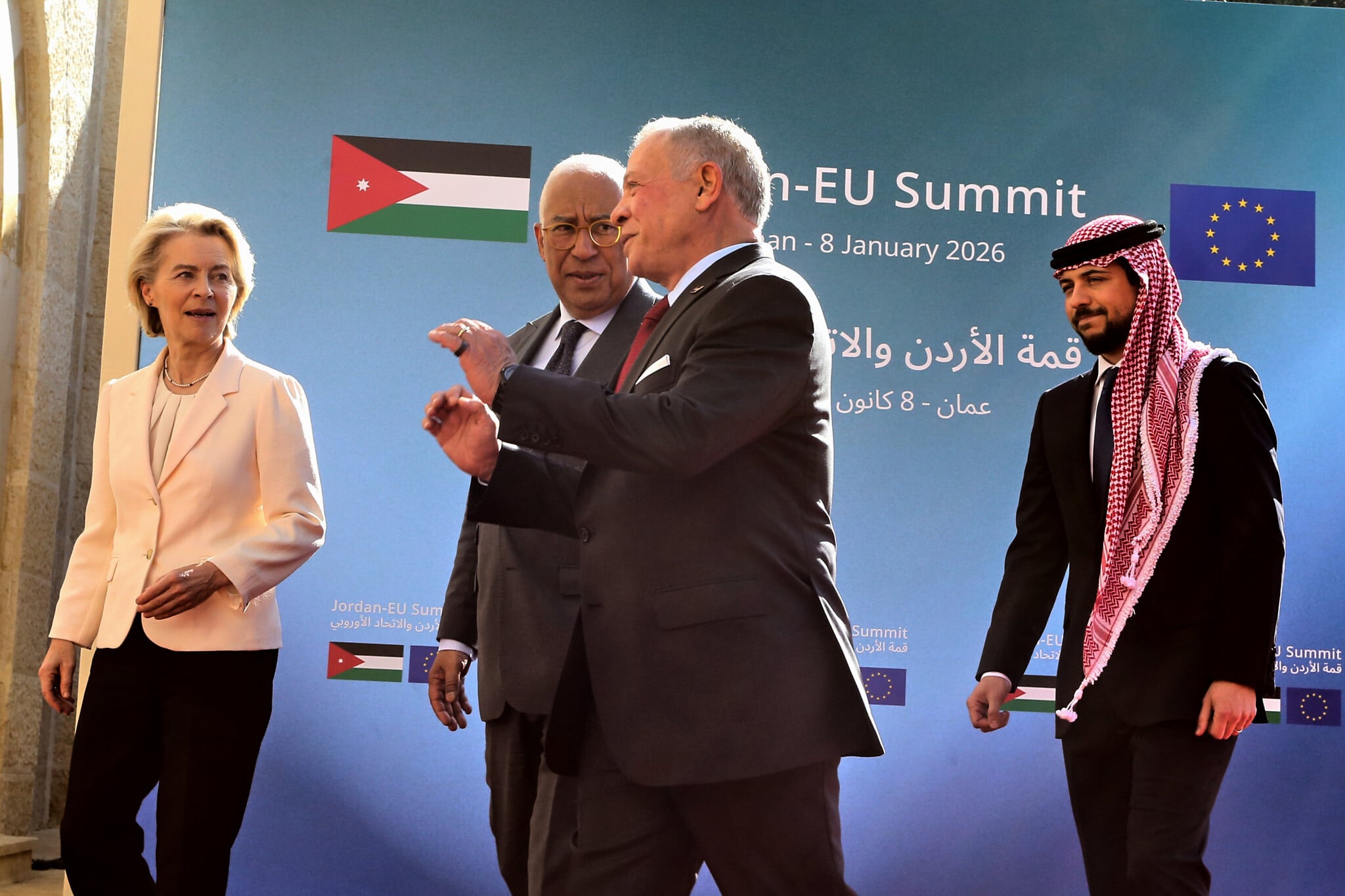
Since taking the reins from his father, King Hussein, in 1999, Abdullah has forged ever-stronger links between his capital, Amman, and Washington. The monarch — a fluent English speaker whose dynasty claims to be descended from the Prophet Muhammad — enjoys widespread support among world leaders and Democratic and Republican lawmakers in the US.
US President Donald Trump once called the king “one of the true great leaders of the world.” Joe Biden also praised his leadership. First Lady Jill Biden was a guest at the wedding of Abdullah’s son Hussein to a Saudi aristocrat in 2023. Pope Leo welcomed Abdullah to the Vatican in 2025.
As part of its partnership with the West, Jordan provided logistical help and intelligence for the US-led 2003 invasion of Iraq, and it contributed to the fight against Islamic State jihadists in Syria and Iraq.
Amer Sabaileh, an independent Jordanian political analyst, said Jordan’s alliance with the US is central to Abdullah’s years-long campaign to secure his kingdom against danger, including from Iran.
Jordanian elites see Iran’s support of Shiite militias in Iraq, armed Palestinian terror groups and Syrian drug traffickers as direct threats to the royal court, Yom said.
“Very few people in Jordan think the Islamic Republic is good for the Middle East,” he said.
US military relies on a dozen sites in Jordan
Amman and Washington signed a defense cooperation agreement in 2021 that granted US forces and contractors access to 12 military installations across the kingdom. The NATO military alliance opened its first liaison office in the region in Jordan in 2025.
In the run-up to the Iran war, Jordan’s sprawling Muwaffaq Salti Air Base became “a key logistics hub” for US C-17 transport planes and about 60 combat aircraft, said David Schenker, a fellow at the Washington Institute.
“Jordan provides great strategic depth,” he said, calling the kingdom’s position “essential” to the US campaign against Iran. “This makes Jordan a target, not just targeting US forces but also targeting the king.”
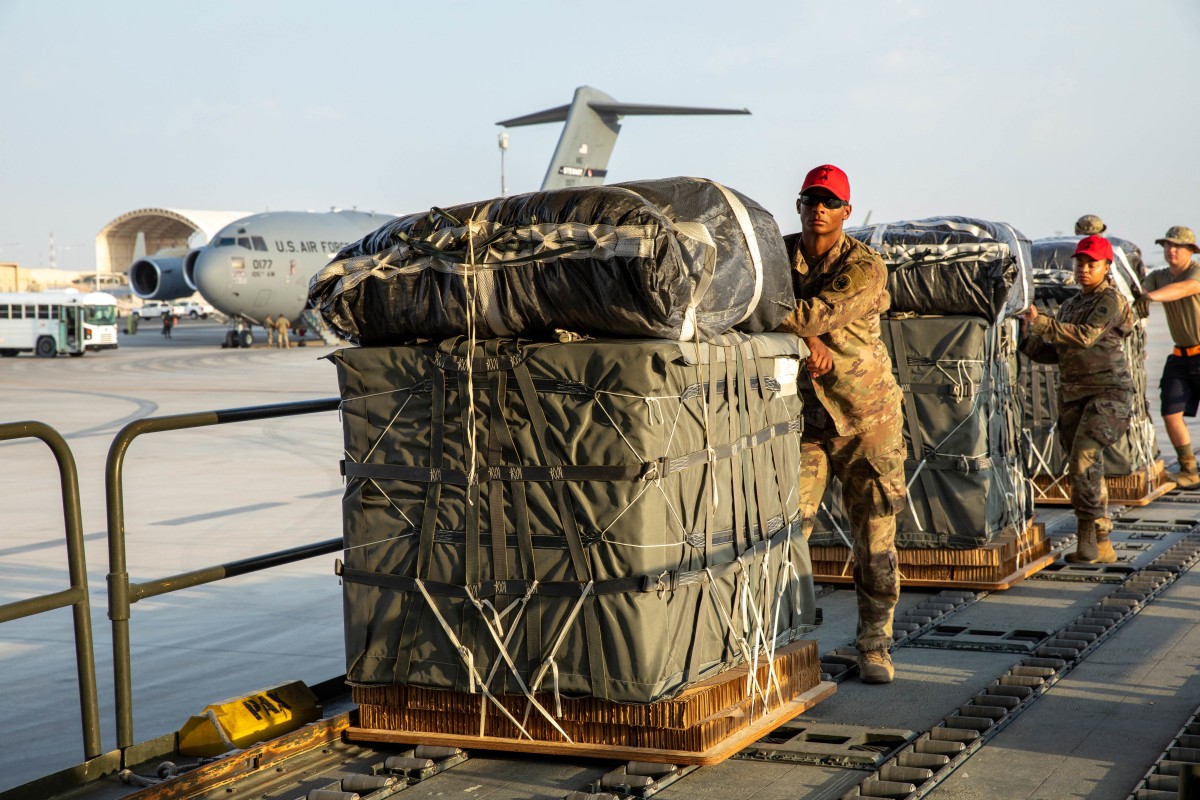
About 50,000 US troops are currently deployed across the Middle East, with an unknown number in Jordan. Schenker estimates that at least 8%, or $1.47 billion, of the kingdom’s annual budget comes directly from US grants.
Adm. Charles Bradford, commander of the Pentagon department covering the Middle East, said in May that the US military had relocated personnel and assets from its mission against the Islamic State group from Iraq to Jordan. The shift was part of a broader, long-running strategy to put more distance between American forces and Iranian missiles.
Those troops were enough to draw fire to Jordan from the Islamic Republic. Most of the incoming missiles and drones were knocked down by US air defenses.
Speaking Thursday in Vienna, Jordanian Foreign Minister Ayman Safadi defended his country’s right to make its own decisions.
“Iran has been attacking us and many other countries in the region long before even this war started,” he said, referring to Iranian “meddling in internal affairs” and other clandestine efforts. “So we do not buy their argument. We are a sovereign country. We were not a party to this war.”








The Times of Israel Community.