

Report: Israel agrees to US demand to pay for massive Gaza rubble-clearing operation
Washington said to expect Israel to finance, oversee debris removal as a 1st step toward reconstruction, in project that could cost over $1 billion and take years to complete
 Add ToI as a Preferred Source on Google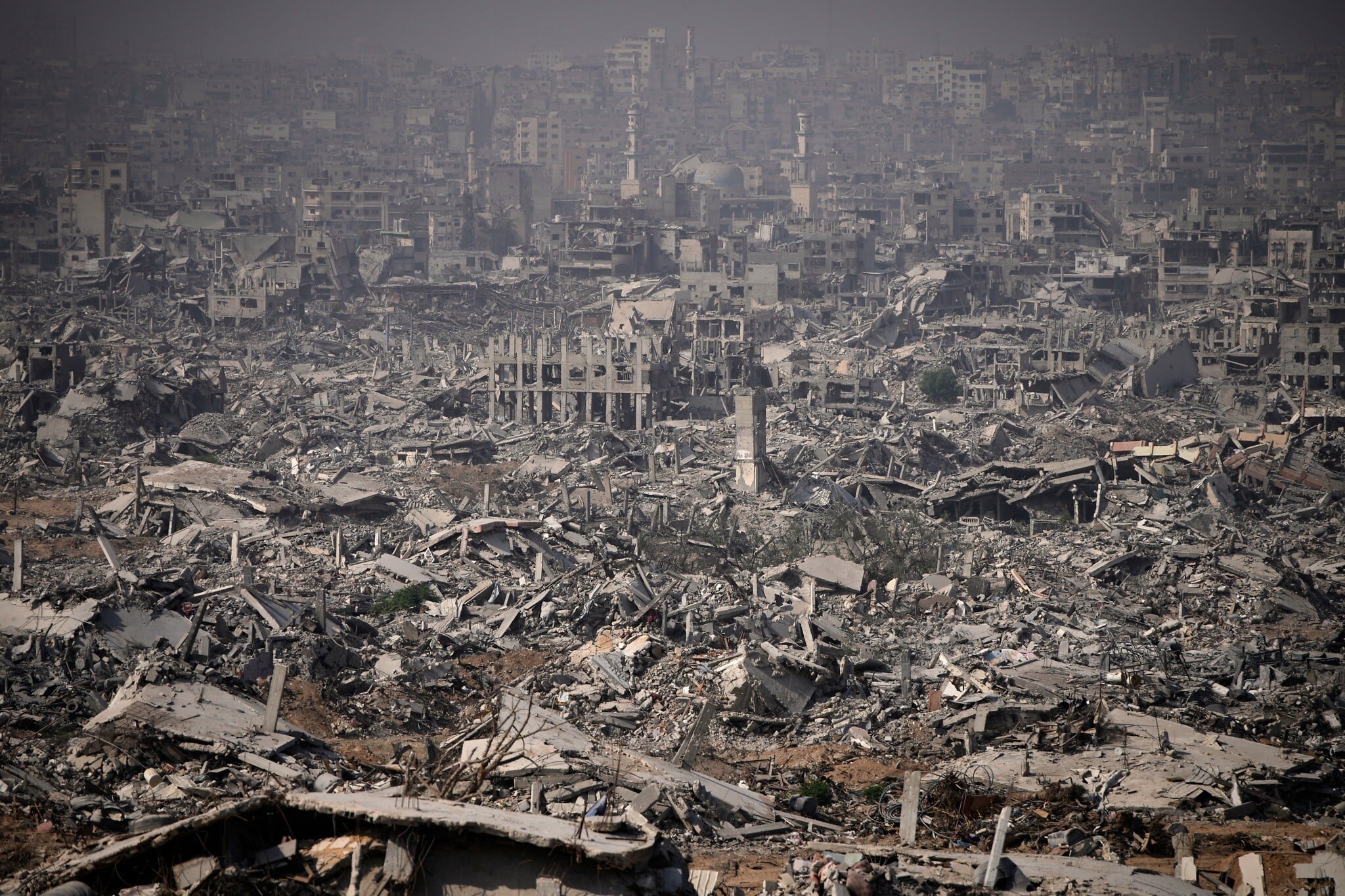
The United States has reportedly pressed Israel to assume responsibility for clearing the vast rubble left behind by more than two years of war in the Gaza Strip, a demand that could burden Jerusalem with a massive, multi-year engineering project costing upward of $1 billion.
According to a Thursday Ynet report, Washington has conveyed to Israel that it expects the country not only to finance the removal of debris across Gaza, but also to oversee the operation itself — a prerequisite for reconstruction that has yet to begin under the proposed postwar framework.
The Gaza Strip has been devastated during the war that erupted after Hamas’s October 7, 2023, attack on southern Israel, in which some 1,200 people were killed and 251 taken hostage. Israel launched a military campaign against Hamas in response, leading to widespread destruction across the enclave as fighting expanded on the ground and from the air.
A senior Israeli official cited by Ynet said Israel has, at least for now, agreed to the American request. Initial efforts would focus on a limited pilot project in the IDF-controlled southern city of Rafah, clearing a single neighborhood as a test case. The cost of that first phase alone is estimated to run into the tens or even hundreds of millions of shekels.
Beyond that, the senior official acknowledged, the price tag would escalate dramatically.
With Arab states and international donors signaling reluctance to fund debris removal, Israel could ultimately be required to clear the entirety of the Strip.
A landscape of destruction
The scale of the task is staggering.
According to The Wall Street Journal, an analysis of satellite imagery by the United Nations indicates that more than 123,000 buildings have been destroyed and another 75,000 damaged, leaving roughly 81 percent of all structures in the enclave either ruined or compromised.
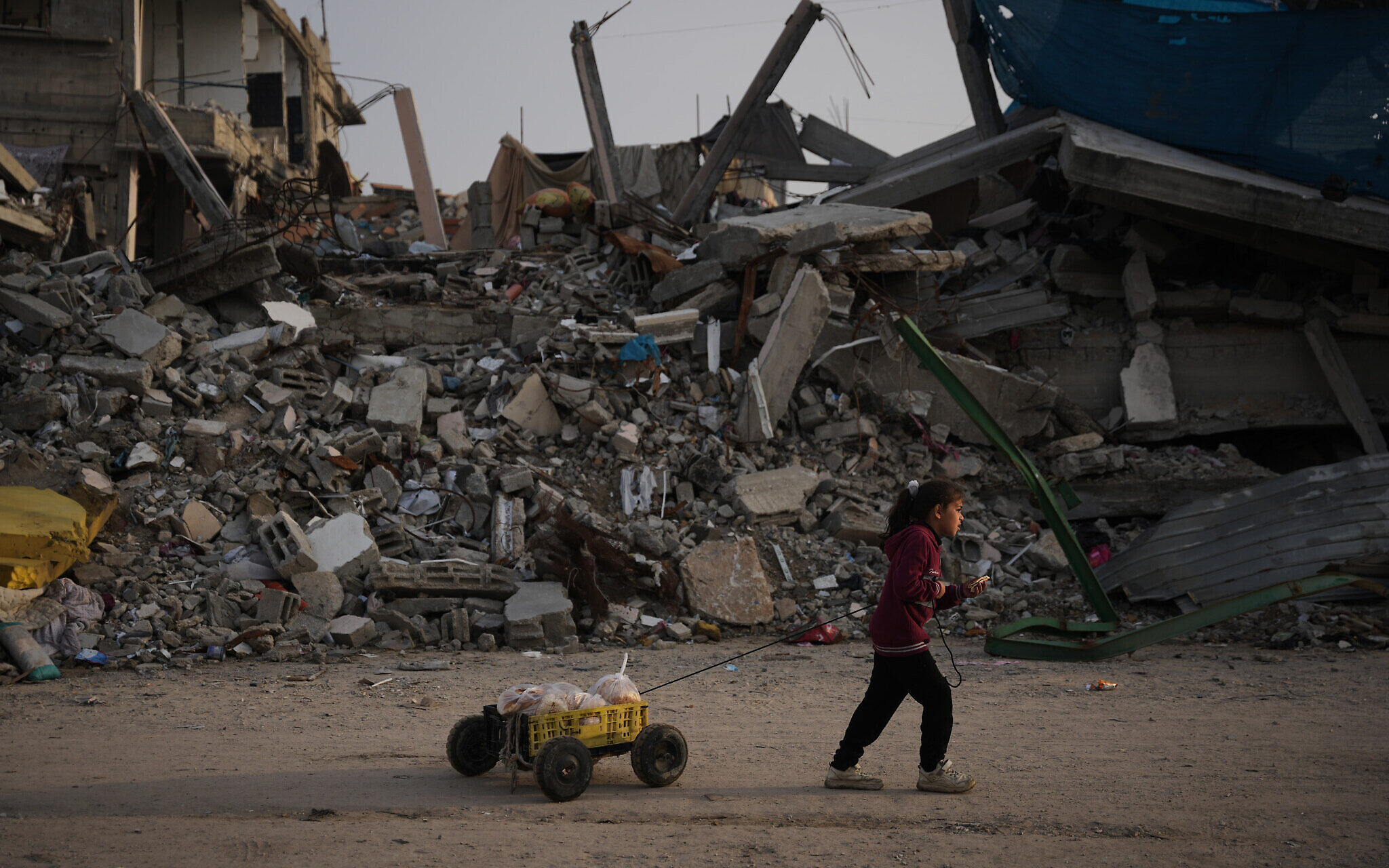
That destruction has produced an estimated 68 million tons of debris, according to the UN Development Programme (UNDP), which has been tasked with overseeing rubble clearance.
Clearing the debris is seen by mediators and international agencies as a prerequisite for launching reconstruction during the second phase of the ceasefire.
According to the Ynet report, US officials have indicated that they want reconstruction to begin in Rafah, where Hamas’s presence is believed to be limited, and to use the area as a model for a broader rebuilding effort.
Who will foot the bill?
Washington’s push came as regional actors signaled unwillingness to shoulder the financial burden. Qatar’s Prime Minister Mohammed bin Abdulrahman Al Thani said this week that Doha would not bankroll the reconstruction of Gaza, arguing that responsibility lies with Israel.
“We will not sign checks to rebuild what someone else destroyed,” Al Thani said during an interview at the Doha Forum, drawing a parallel to expectations that Russia would bear responsibility for reconstruction in Ukraine.

The Ynet report suggested that the American position effectively mirrors that stance — and leaves Israel with few alternatives if it wants the reconstruction process to move forward.
This is not the first time Washington has demanded that Israel finance costly Gaza-related initiatives.
In previous phases of the war, the US pressed Israel to pay for aspects of humanitarian aid distribution in the Strip, demands Israel ultimately accepted.
A fragile path forward
Behind the scenes, however, tensions remain over what comes next. US interlocutors have reportedly increased their emphasis on reconstruction while giving less attention to Israel’s core demands: the disarmament of Hamas and the return of the final Israeli hostage in Gaza, the body of slain captive Ran Gvilli.
Prime Minister Benjamin Netanyahu has expressed skepticism that any international stabilization mechanism would be capable of dismantling Hamas’s military capabilities without direct Israeli involvement.
A senior Israeli official told Ynet that Jerusalem fears that a growing focus on rebuilding could outpace — or even sideline — efforts to demilitarize the Strip, despite explicit language on the issue in existing agreements.
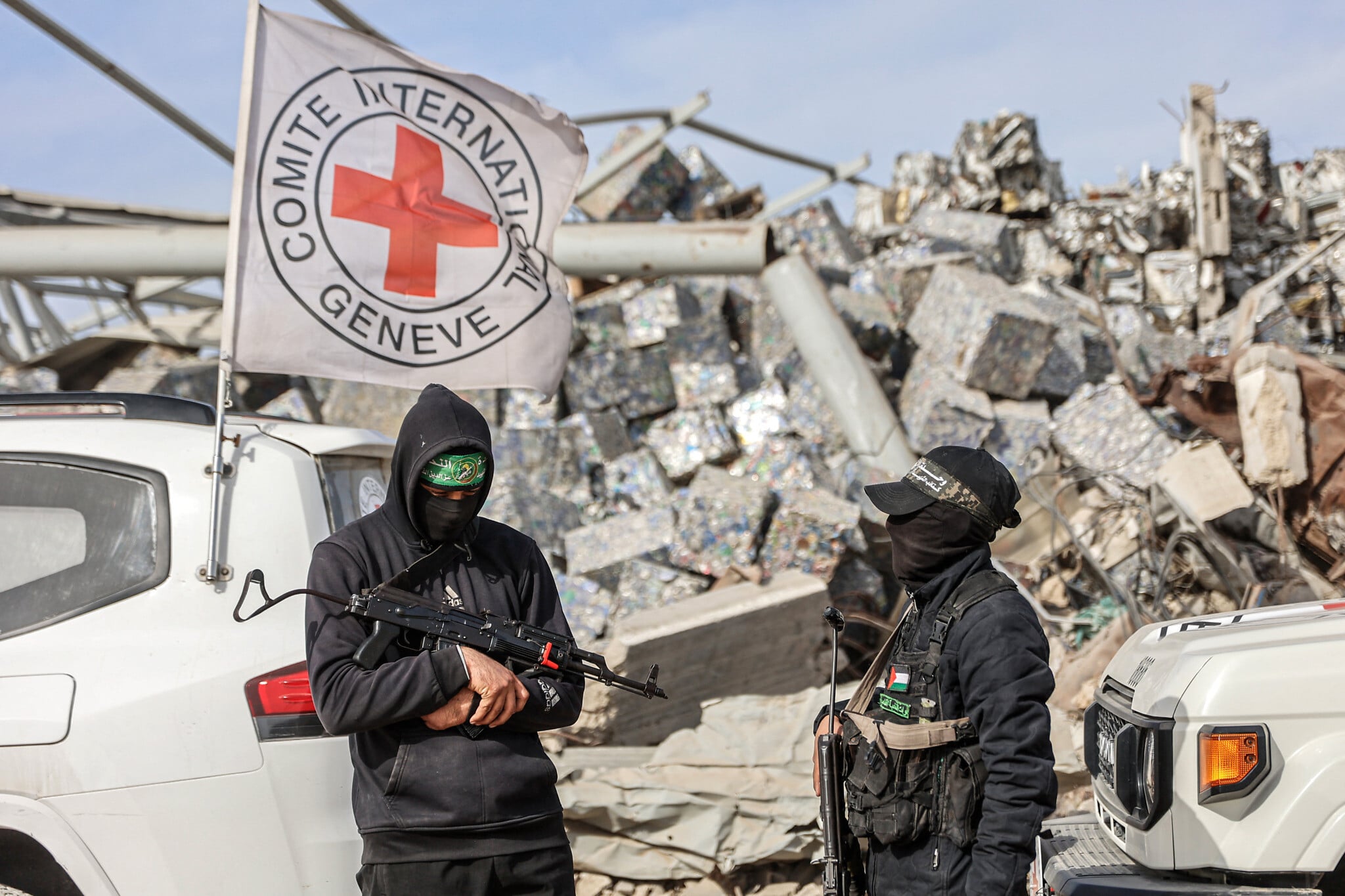
Israel reportedly fears Washington may push to advance to the next phase of the ceasefire even if Gvilli is not returned, and before a clear operational plan is established for Hamas’s disarmament.
Those concerns are compounded by Washington’s continued efforts to shape the composition of a future International Stabilization Force (ISF) for Gaza.
According to the Ynet report, US Ambassador to Turkey Tom Barrack will meet with Netanyahu next week to try to convince Israel to accept Turkish troops in Gaza — a proposal Israel has categorically rejected.








The Times of Israel Community.