

Smotrich: Israel delayed sending troops south on Oct. 7 for fear of Hezbollah attack
Contradicting IDF, finance minister says government thought Hamas invasion aimed to divert attention from northern border, declares ‘God did us a favor’ that day by alerting Israel to threat from Gaza
 Add ToI as a Preferred Source on Google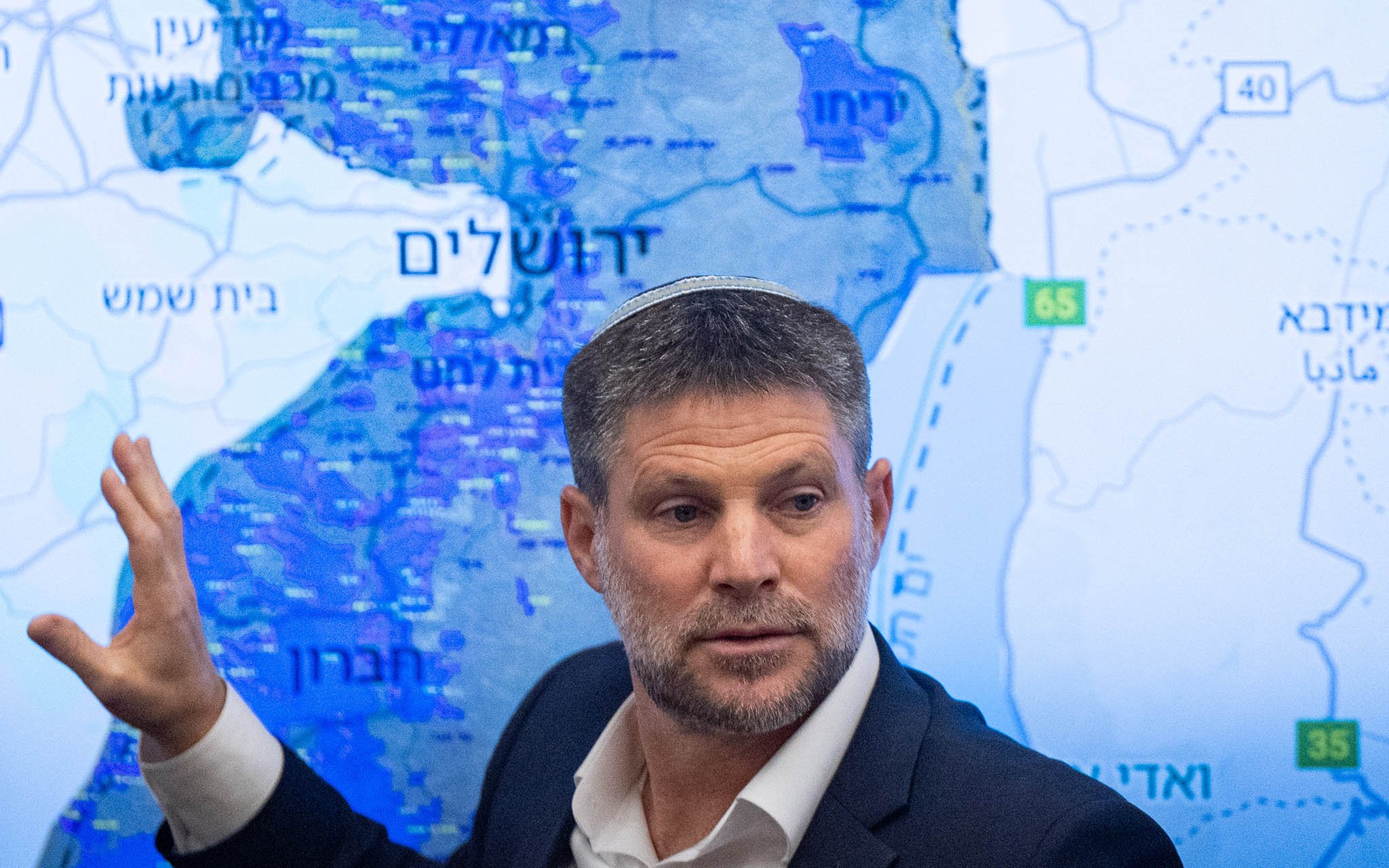
Finance Minister Bezalel Smotrich said “God did us a favor” on October 7, 2023, by rousing Israel to the threat of Hamas, and claimed that the government and IDF delayed sending troops to southern Israel for fear the Hamas invasion was a distraction meant to draw troops away from northern Israel, leaving the border vulnerable to a simultaneous Hezbollah invasion.
In a Thursday interview with the Yedioth Ahronoth newspaper (Hebrew), he recalled that between “11 a.m. and 12 p.m.” on October 7, he sat with Prime Minister Benjamin Netanyahu and former defense minister Yoav Gallant while speaking to then-IDF chief Herzi Halevi over the phone.
The four debated whether or not to send forces down south, where civilians and troops were being slaughtered by invading terrorists.
“We still didn’t know if the catastrophe in the south was just a deception created by Hamas so that we would send all the forces south, and then Hezbollah would attack us from the north,” he said. “That’s why we waited a moment, and only when intelligence arrived and we realized it wasn’t coordinated [with Hezbollah] did we send the forces south.”
Smotrich said they “weren’t aware of the scope” of the assault, in which dozens of communities were invaded and destroyed, and some 1,200 people — mostly civilians — were killed and 251 were taken hostage.
Still, the far-right minister said God “did us a favor” with the October 7 attack. “He gave us a slap — painful, harsh, a huge disaster with terrible and horrific consequences — but the slap woke us up” to the threat on the other side of the Gaza border “after many years of sleep,” Smotrich said.
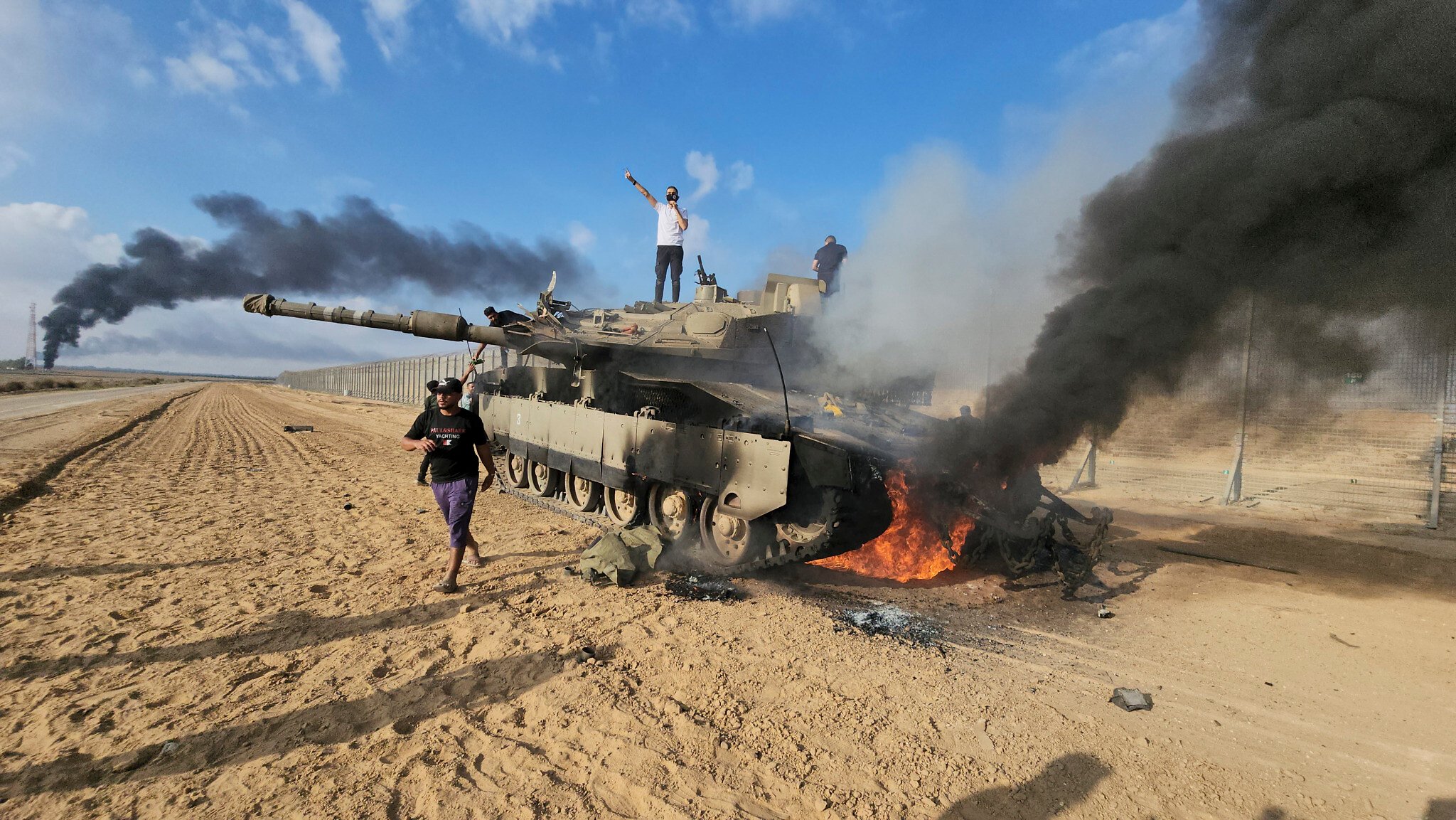
Smotrich’s claims contradicted the findings of a past IDF probe conducted into October 7, which concluded that the IDF began flooding southern Israel with troops shortly after the surprise attack while simultaneously deploying soldiers up north to fend off a potential Hezbollah incursion.
Hezbollah had in fact been been preparing to invade following October 7 and dispatched thousands of terrorists to the Lebanon border in a plan to unleash similar carnage in the north, according to the army.
Eyal Eshel, whose surveillance officer daughter Sgt. Roni Eshel was killed on the IDF’s Nahal Oz base on October 7, 2023, said Saturday that Smotrich’s comments showed the urgency of a state commission of inquiry to investigate that day and the period running up to it.
“Between 6:29 and 12 noon, my Ronki and her friends begged for help, until between 12:00 and 13:00 her voice fell silent,” he said, using a nickname for his daughter. “Now I understand why there were no forces to assist them. A state commission of inquiry now!!!”
I’m not a masochist
When asked whether he had been to Tel Aviv’s Hostages Square over the past two years, Smotrich said he had not, lest he be received with derision.
“I assume I would be received there with shouts and boos, and I’m not a masochist. On the other hand, families who want to talk to me certainly can,” he said.
However, he clarified that he has categorically declined to meet with relatives of hostages during times when “decisions had to be made” regarding the war in Gaza.
“There were periods when I decided I did not want to meet — periods when decisions had to be made and I had to eliminate the emotion and work coldly,” he said.

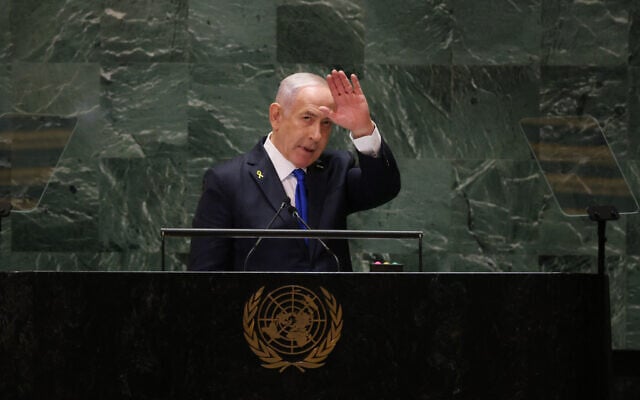
Regarding the US-backed hostage and ceasefire deal, now in its first phase, Smotrich told the Hebrew outlet that he would support it; however, he backtracked in the actual cabinet vote held later that night.
“The hostages are not returning because they are held by Hamas, which demands the State of Israel surrender to bring them back… [but] it will not surrender even to bring back hostages, and that has to be laid out on the table,” he said, maintaining that Israeli military rule in Gaza was the ideal way forward.
“What is preferable, avoiding this [military rule], keeping the Hamas threat and then getting into another war that will cost NIS 200 billion and bring misery to the residents of the south and Gaza border communities?” he asked the interviewer.
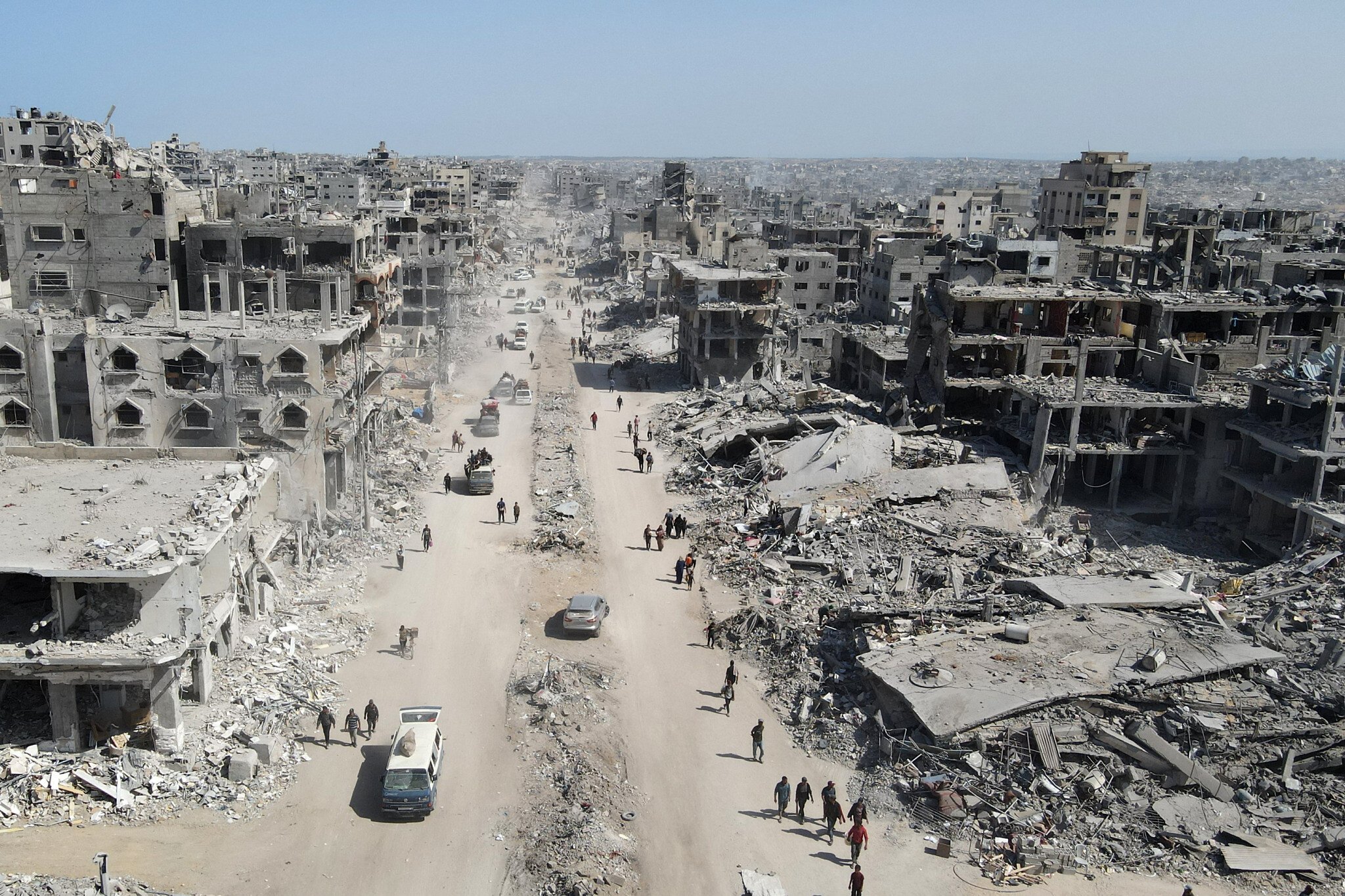
The agreement’s first phase provides for a ceasefire and the release of the 48 hostages still held by terror groups in Gaza, with the IDF partially withdrawing from the enclave.
In exchange, Israel will release 250 Palestinian terror convicts serving life sentences, as well as 1,700 Palestinian detained as unlawful combatants amid operations in Gaza over the course of the war.





The Times of Israel Community.