

Targeted Hanukkah lighting spotlights decades-old Chabad mission to illuminate the world
Over 50 years after the first public menorah lighting in Philadelphia, annual tradition has spread to some 15,000 locales worldwide from Australia to Uzbekistan
 Add ToI as a Preferred Source on Google
Rossella Tercatin is The Times of Israel's archaeology and religions reporter.
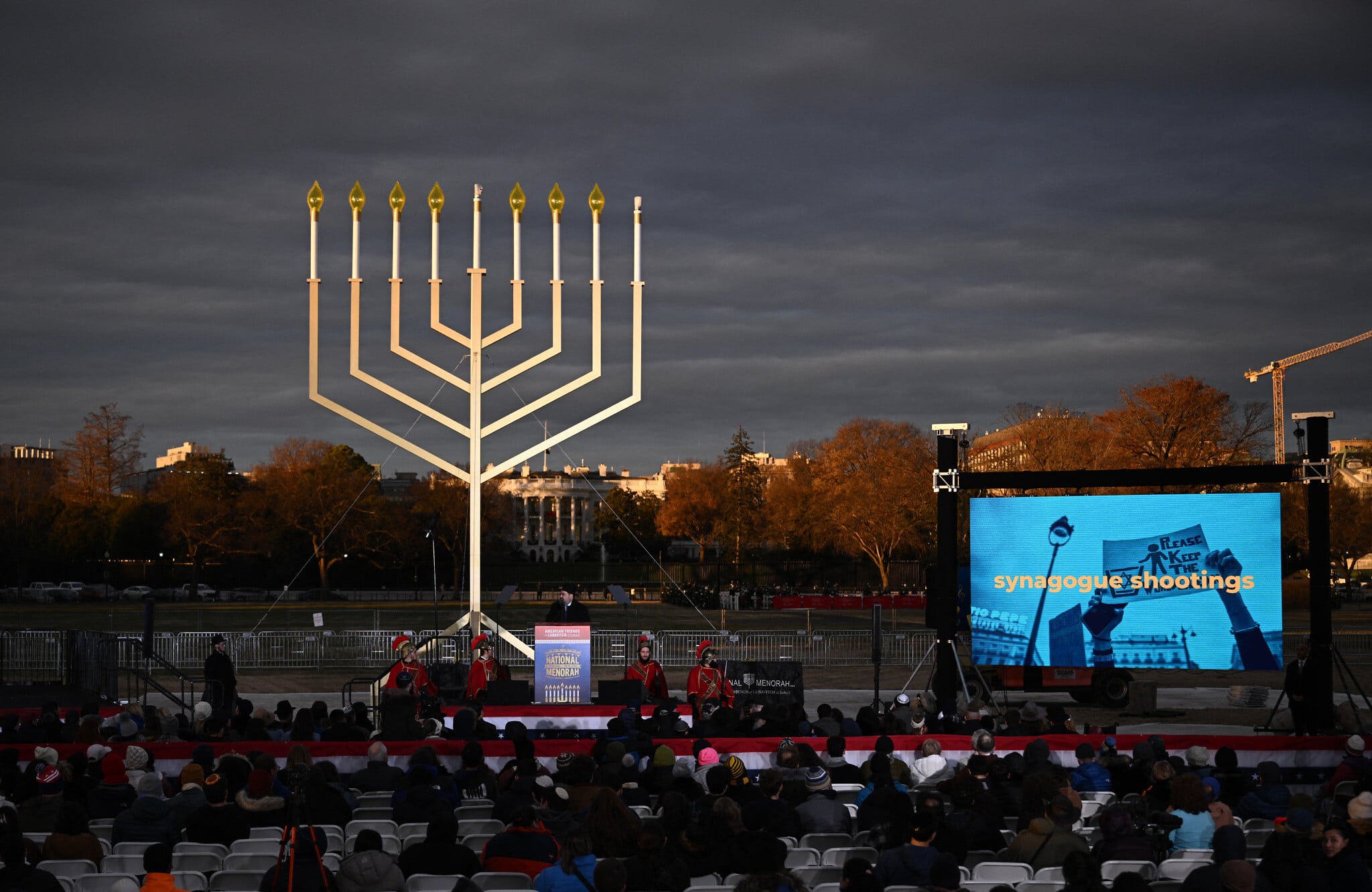
The attack on the Chanukah by the Sea celebration at Bondi Beach in Sydney, Australia, that killed at least 15 people on Sunday also snuffed out what was to be one of the first of some 15,000 public menorah lightings planned worldwide Sunday to kick off the Hanukkah festival.
From New Zealand to Hawaii and thousands of locales large and small in between, Chabad emissaries have made the annual tradition into a landmark event, with public lightings in city squares, parks and even mounted on vehicles, often including the participation of local officials and among the outreach group’s most recognizable and beloved activities.
In Sydney, home to a large Jewish community, the annual Bondi Beach gathering usually features a petting zoo, face painting and box after box of free jelly donuts. (According to an article on the official Chabad website, in 2024, they distributed some 2,500 of the fried treats). This year, Sunday’s Hanukkah party in Sydney drew around 1,000 celebrants, according to police.
First conceived over half a century ago, the public menorah lightings have become the most recognizable Jewish event for the general public organized by the Hasidic sect, whose primary mission is to engage Jews and encourage them to participate in Jewish life.
It all started in 1973, when Chabad Rebbe Menachem M. Schneerson launched a campaign to encourage Jews to celebrate Hanukkah. His plan, according to the official Chabad website, included supporting every Jewish household in lighting a menorah, inviting neighbors and friends to join, gathering and teaching children the holiday’s story, and encouraging them to give charity.
A relatively minor holiday in the Jewish pantheon, Hanukkah is unique in that Jewish tradition prescribes that the holiday be publicized via the visible lighting of an eight-branched candelabra (technically a hanukkiah, but generally called a menorah in the Jewish Diaspora), unlike other holidays that have no such public-facing element.
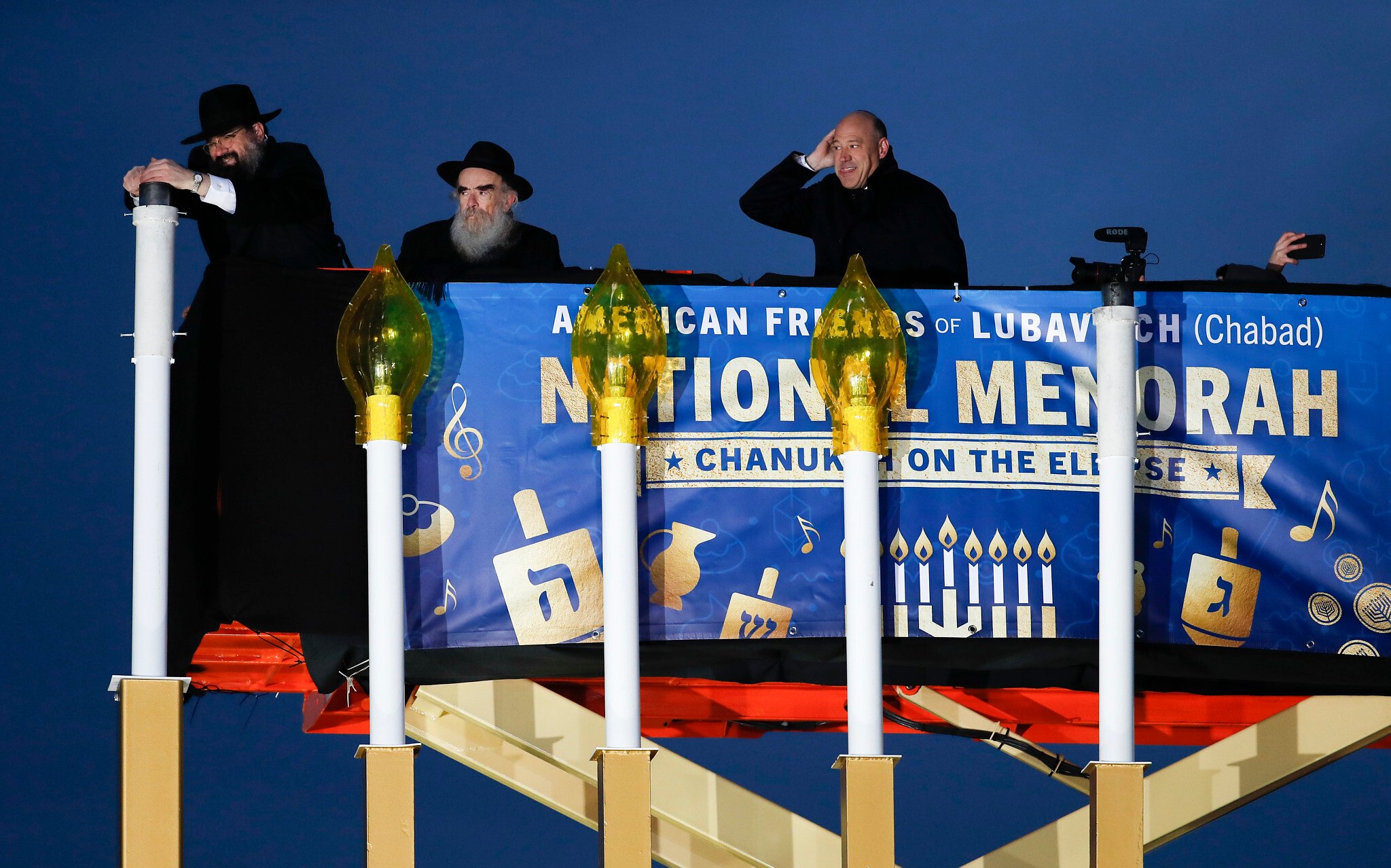
“There is a special advantage in the mitzvah of the Chanukah lights,” Schneerson explained at a gathering held on Dec. 15, 1973, “for when a Jew kindles a menorah, literal light emanates from it and illuminates the street.”
Following his appeal, hundreds of Chabad emissaries got to work to distribute thousands of tin menorahs and wax candles. One of them had an additional idea, and in 1974, Rabbi Abraham Shemtov, director of Chabad of Philadelphia, gathered a few fellow Chabad members and lit a wooden menorah in front of Independence Hall.
Within a few years, that first modest lighting in a public square inspired dozens of others. In 1979, then-US president Jimmy Carter attended a lighting at Lafayette Park north of the White House, addressing the crowd and the nation weeks after Iranian revolutionaries took over the American embassy in Tehran and took dozens of Americans hostage.
“[This holiday] commemorates humankind’s commitment to be free,” Carter said, as quoted by a Chabad news website. “These commitments to live and to be free are ever present these days in the minds and hearts of all Americans, because we know that 50 of our fellow human beings, our fellow citizens, are not free and they want to live. We pray that this will prevail, this desire to be free and to maintain life.”
In many American cities, menorah displays have become as much a part of the holiday season as Christmas tree lightings. And like the trees, they have also been mired by challenges against religious displays in public spaces.

In 1989, the US Supreme Court ruled in “County of Allegheny v. American Civil Liberties Union,” that the city of Pittsburgh was allowed to place a menorah offered by Chabad next to its Christmas tree, officially recognizing the symbol’s right to be placed in the public sphere, as recalled by Rabbi Menachem Posner, managing editor at Chabad.org, in an article on eJewish Philantrophy marking the 40th anniversary of the first menorah in 2014.

In 1980, Schneerson commented on the public lighting initiative, noting the deep connection between the Hanukkah story and the United States.
“Though [Hanukkah] begins at home, it does not stop there,” he wrote in a message addressed to those who took part in the National Menorah lighting in Washington, DC, which Shemtov has continued to lead together with his son, Rabbi Levi Shemtov. “The Chanukah Lights are expressly meant to illuminate the ‘outside,’ symbolically alluding to the duty to bring light also to those who, for one reason or another, still walk in darkness.”
“What is true of the individual is true of a nation, especially this great United States, united under G‑d, and generously blessed by G‑d with material as well as spiritual riches,” he added. “It is surely the duty and privilege of this Nation to promote all the forces of light both at home and abroad, and in a steadily growing measure.”
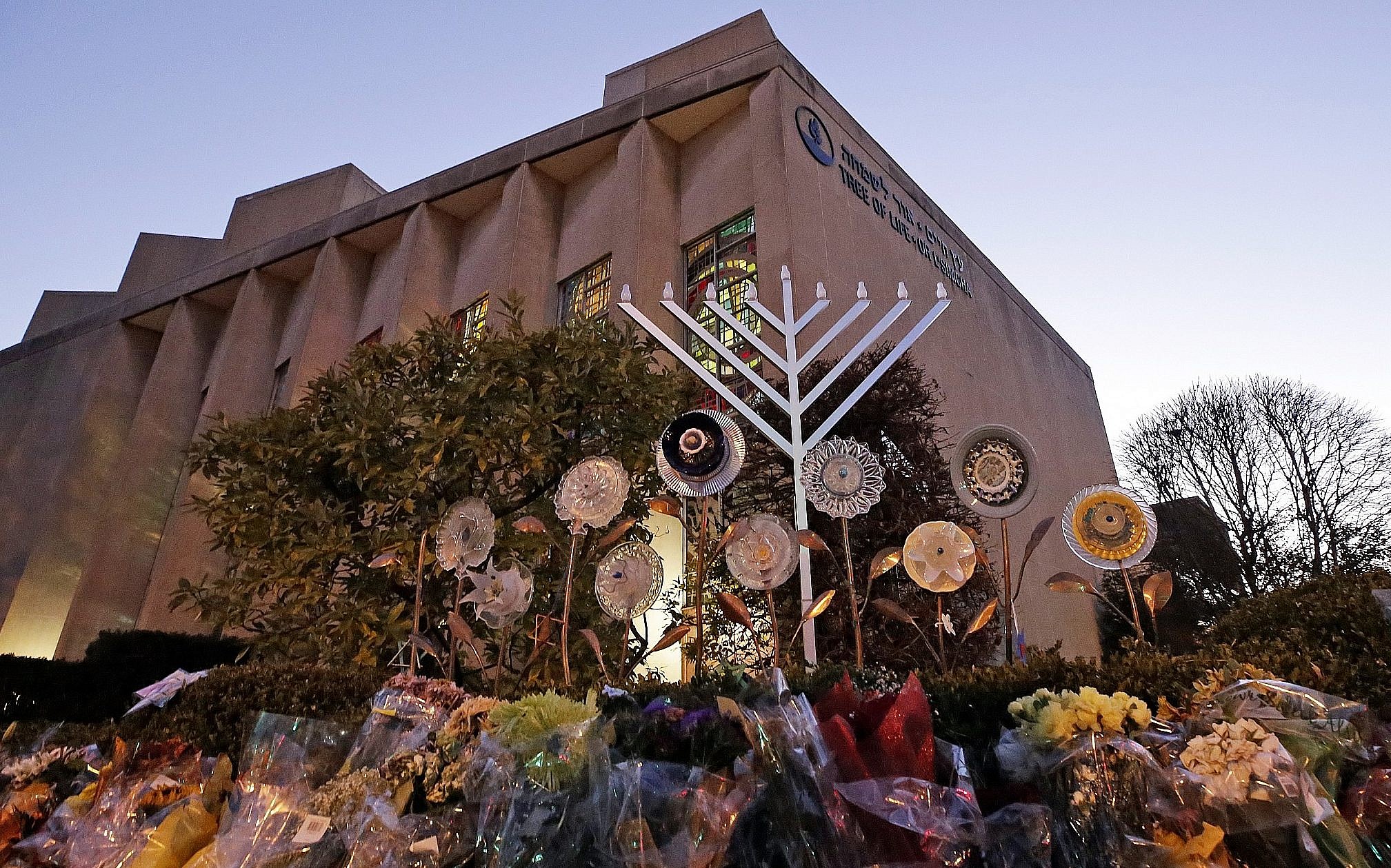
Decades later, these Hanukkah events have for many become both celebrations of flourishing Jewish life and displays of Jewish defiance in places where wearing a Star of David can invite unwanted attention.
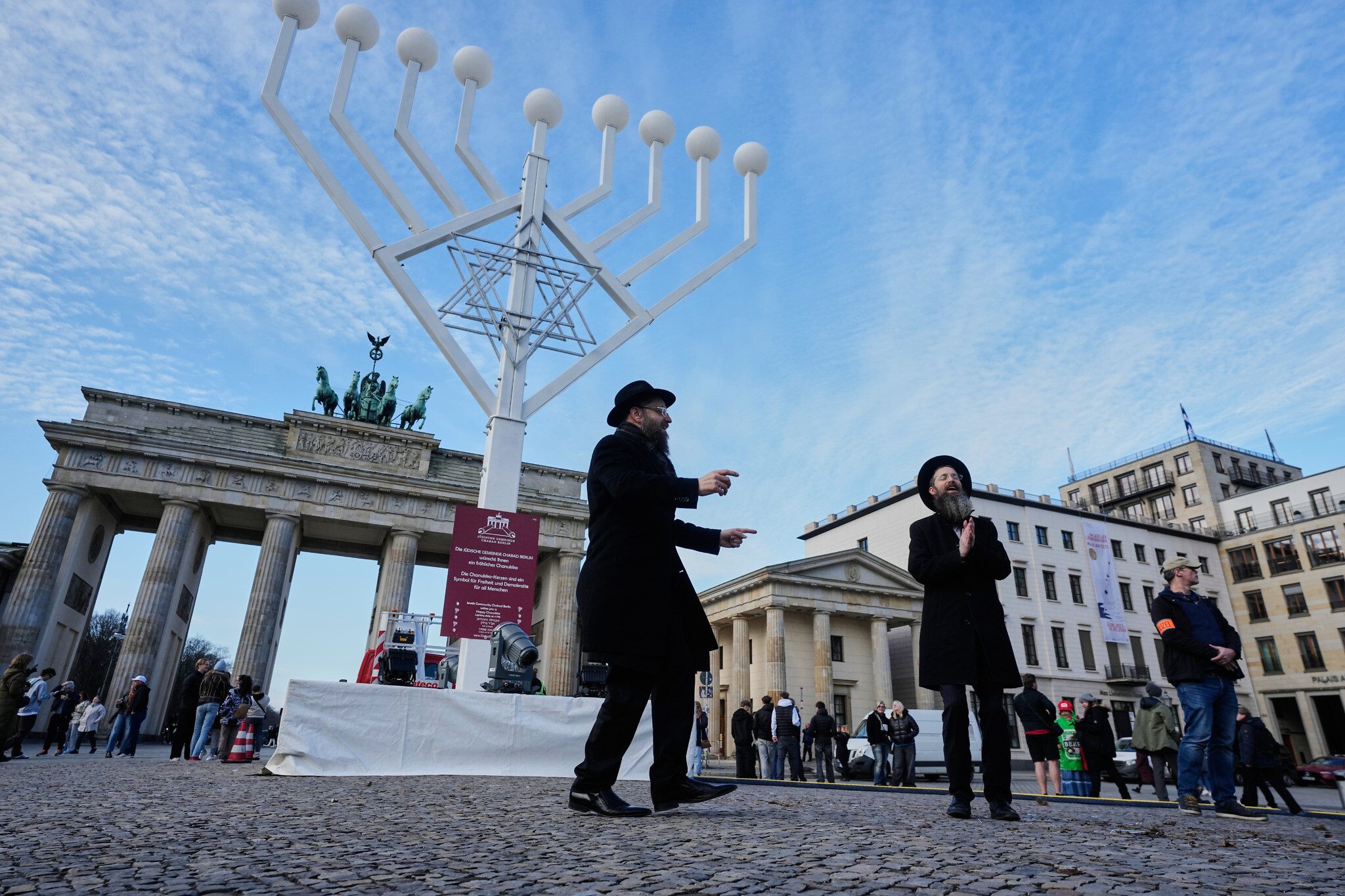
Notable locations where menorahs have been lit or continue to be displayed include the Eiffel Tower plaza in Paris, Red Square in Moscow, the Brandenburg Gate in Berlin, and the Burj Khalifa in the United Arab Emirates.
After the Sydney shooting, a Hanukkah celebration in Melbourne was canceled for security reasons, but others around the world, including those organized by non-Chabad groups, will go on as planned, organizers say.
“It’s moments like these that we need more light, more energy, more confidence,” a Chabad spokesman said. “Jews need to stand strong and tall. That’s the call to action that Rabbi Eli Schlanger, the Chabad rabbi murdered in today’s attack, lived by.”
Zev Stub contributed to this report.



The Times of Israel Community.