

The 3.00 squeeze: Why the surging shekel is a threat to Israel’s economy
As the local currency leads a global strengthening trend against the dollar, exporters struggle to survive rising costs, with Israel’s competitiveness at immediate risk if government doesn’t act

 Add ToI as a Preferred Source on Google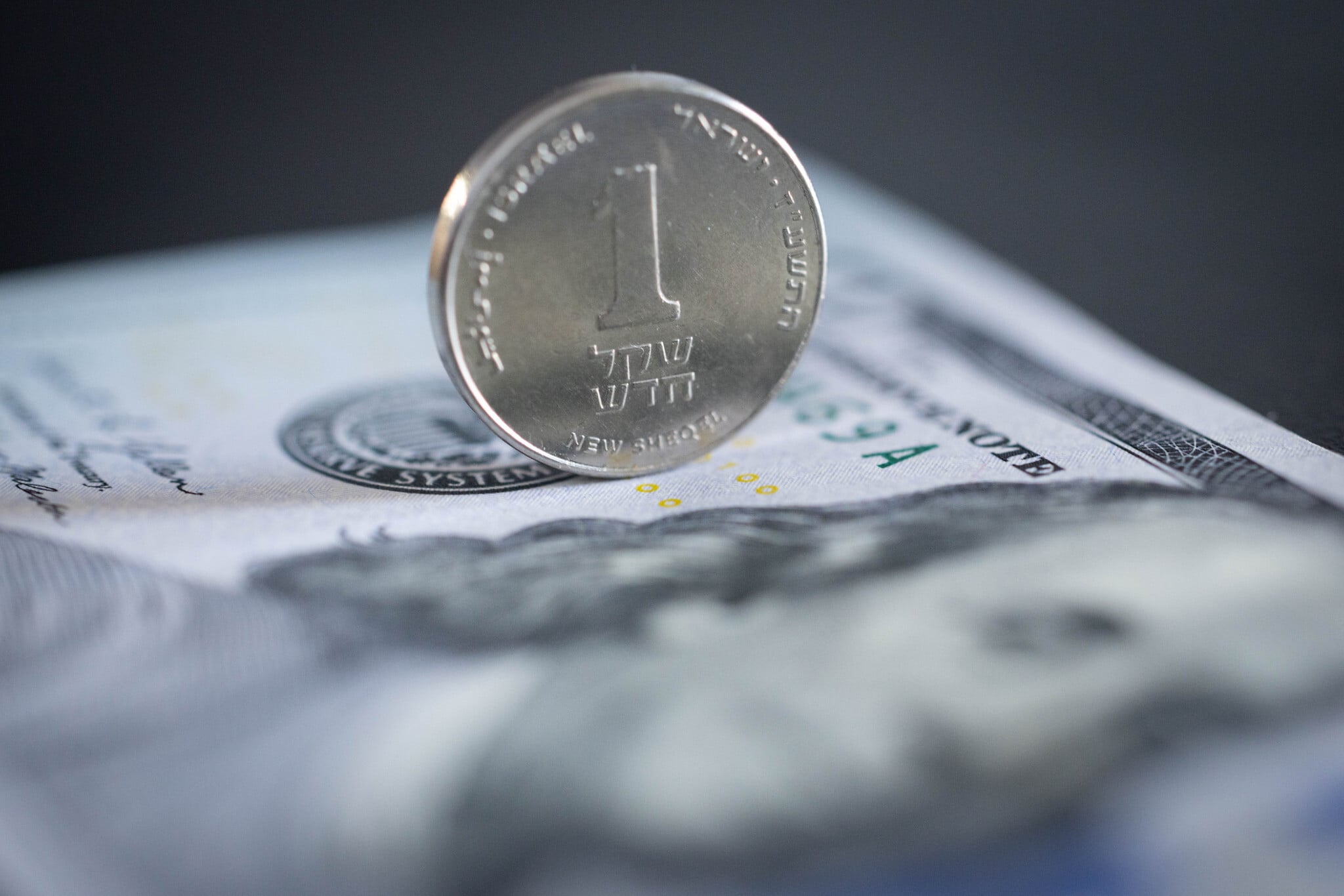
In recent weeks, Israel’s monetary system has been undergoing a shake-up that goes beyond routine fluctuations. While the US dollar is exhibiting global weakness and losing ground against most of the world’s major currencies, the Israeli shekel is not merely joining the trend — it is leading it with an intensity that leaves other currencies in the dust.
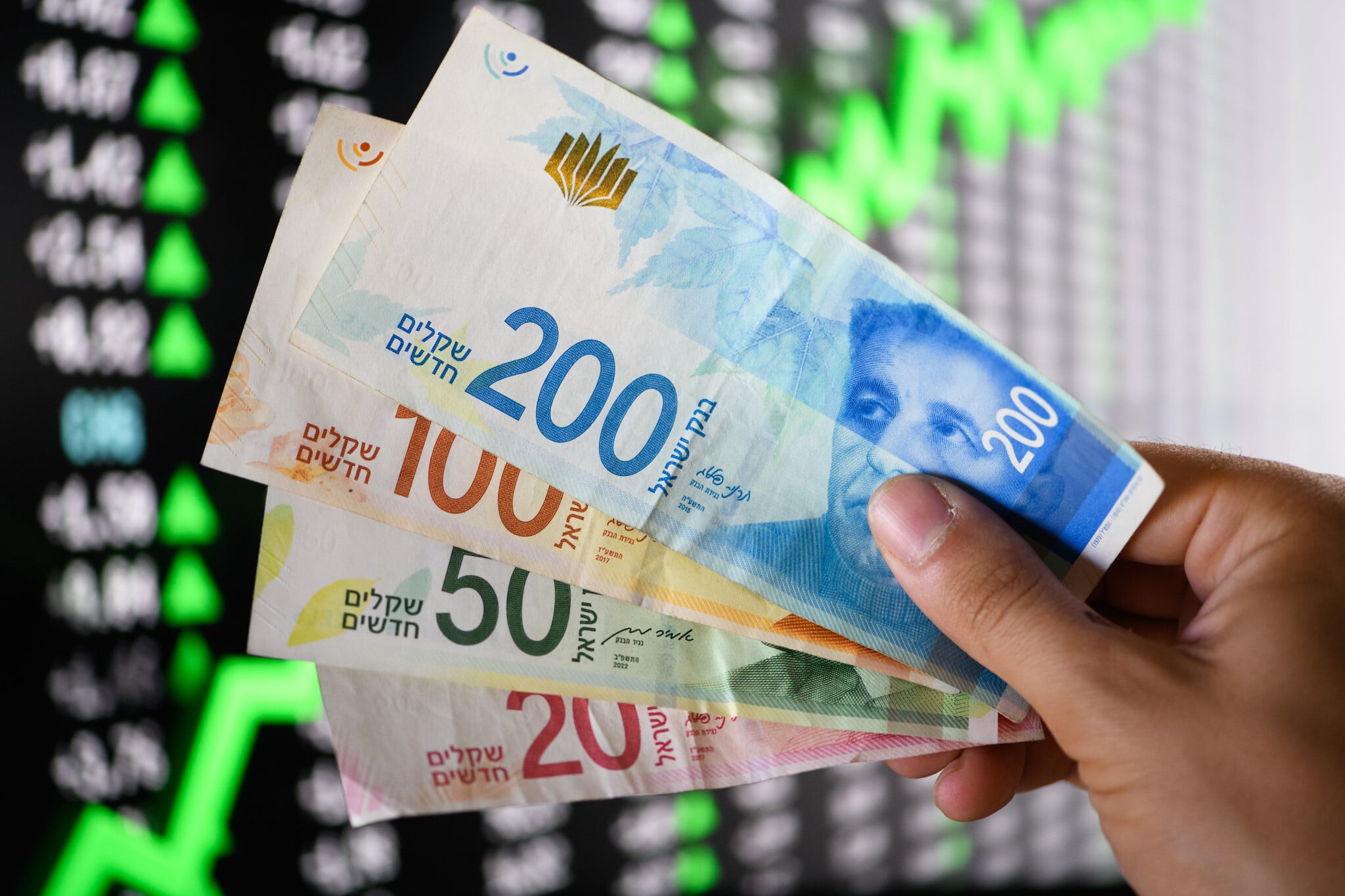
The world’s major currencies have strengthened by an average of about 2 percent against the dollar so far this month alone. The shekel has surged at double that rate, and has, for the first time in 31 years, crossed below the threshold of three shekels to the dollar. Over the past year, the dollar has fallen by a staggering 18.83 percent against the shekel — from 3.691 to 2.996.
There are various reasons for the surge: a combination of a sharp decline in Israel’s risk premium against the backdrop of regional developments, including ceasefires with Iran and Lebanon; significant capital inflows resulting from technological and security successes; interest rate differentials that remain high; and gains on the New York Stock Exchange, which also affect the local currency.
All of these factors have made the shekel particularly strong. However, what may be perceived as a badge of honor for the Israeli economy is rapidly becoming a heavy burden on its growth engines.
An overly strong shekel is a ticking time bomb for exporters and high-tech companies. These companies sell their services and products in dollars, but pay salaries and operational expenses in shekels. When the dollar weakens, exporters receive fewer shekels for the same product, yet are required to pay the same expenses in shekels.
The appreciation in the value of the shekel cuts into profit margins. When the shekel strengthens by 5% within two weeks, it means a dramatic drop in revenues in shekels. Sometimes, just a few percentage points are the difference between a profitable business and one that falls into losses. This is a strategic threat to the competitiveness of the economy.
This reality raises an obvious question: Why are none of the government institutions intervening to moderate the shekel’s strength?
The Bank of Israel is not purchasing dollars at this stage because the shekel’s rise is part of a global trend, which is difficult to influence. This does not rule out future intervention, but for now, the bank is holding back.
Manufacturers are therefore looking to the government. It may not be able to halt the rise, but it could slow it.
What tools are at its disposal?
The first solution, accepted worldwide, is a sovereign wealth fund. The concept is simple: Take dollars out of the economy. Instead of injecting the foreign currency inward and flooding the market, the state invests a significant portion of it abroad, thereby reducing the pressure for the shekel to appreciate.
Israel already has such a fund, intended to manage revenues from natural gas. However, it is focused on a specific purpose and is not built to deal with the current broad changes, and therefore, it is doubtful whether it will provide a viable answer.

The second solution is an accelerated expansion of infrastructure investments. Although it may seem like a step far removed from the foreign exchange market, the connection exists: Increasing investment in transportation, energy, digitization and public construction raises demand in the economy — including demand for imports of equipment and services, and thus also for foreign currency. As a result, some of the pressure for the appreciation of the shekel is reduced.
However, this is a slow process, requiring planning and approvals, and it is also expensive. More importantly, it does not provide an immediate response to the dollar exchange rate in the short term, and may increase the deficit and debt if not carried out with budgetary discipline.
The third solution is the most interesting and most feasible: Institutional bodies — pension funds, provident funds and training funds — invest large sums of public money abroad, mainly in US stocks denominated in dollars. When stock markets in the US rise, the value of the investments in dollars increases — and sometimes an excess exposure to foreign currency is created relative to the set policy.
To balance the exposure, the institutions sell dollars and buy shekels. In a relatively small market like the one in Israel, sales on the scale of billions of dollars create significant pressure on the exchange rate. For years, there has been an almost complete correlation between the S&P 500 index and the strength of the shekel: When the index rose, the shekel strengthened, and when it fell, the institutions were required to purchase dollars, and the shekel weakened.
Manufacturers have proposed a creative solution: to carry out the hedging operations of the institutions through “over-the-counter” transactions with the Bank of Israel. Thus, instead of institutions selling dollars on the open market whenever Wall Street rises, the central bank would absorb the dollars directly from them. Such a move could reduce pressure on the shekel, but at this stage, it appears that the Bank of Israel is not enthusiastic about the idea.
In the absence of such steps, exporters are looking to the government to provide them with oxygen in the form of regulatory relief, financial assistance and encouragement of local procurement.
The government’s silence in the face of these proposals constitutes an abandonment of exporters and the high-tech sector to the financial whirlwind of the shekel. It is important to remember that the battle over the shekel is not just conducted in trading rooms. It is also a test of the government’s ability to preserve the essential competitiveness of the entire Israeli economy.
Translated from the original Hebrew on The Times of Israel’s sister site Zman Yisrael.









The Times of Israel Community.