

Three decades on, a return to Rabin Square gives the slain premier’s right-hand man hope
Early November used to be very painful for Shimon Sheves, one of Yitzhak Rabin’s closest aides. But as young people honor his legacy and Trump pushes a ‘repackaged’ Oslo, things are looking up
 Add ToI as a Preferred Source on Google
Tal Schneider is a Political Correspondent at The Times of Israel
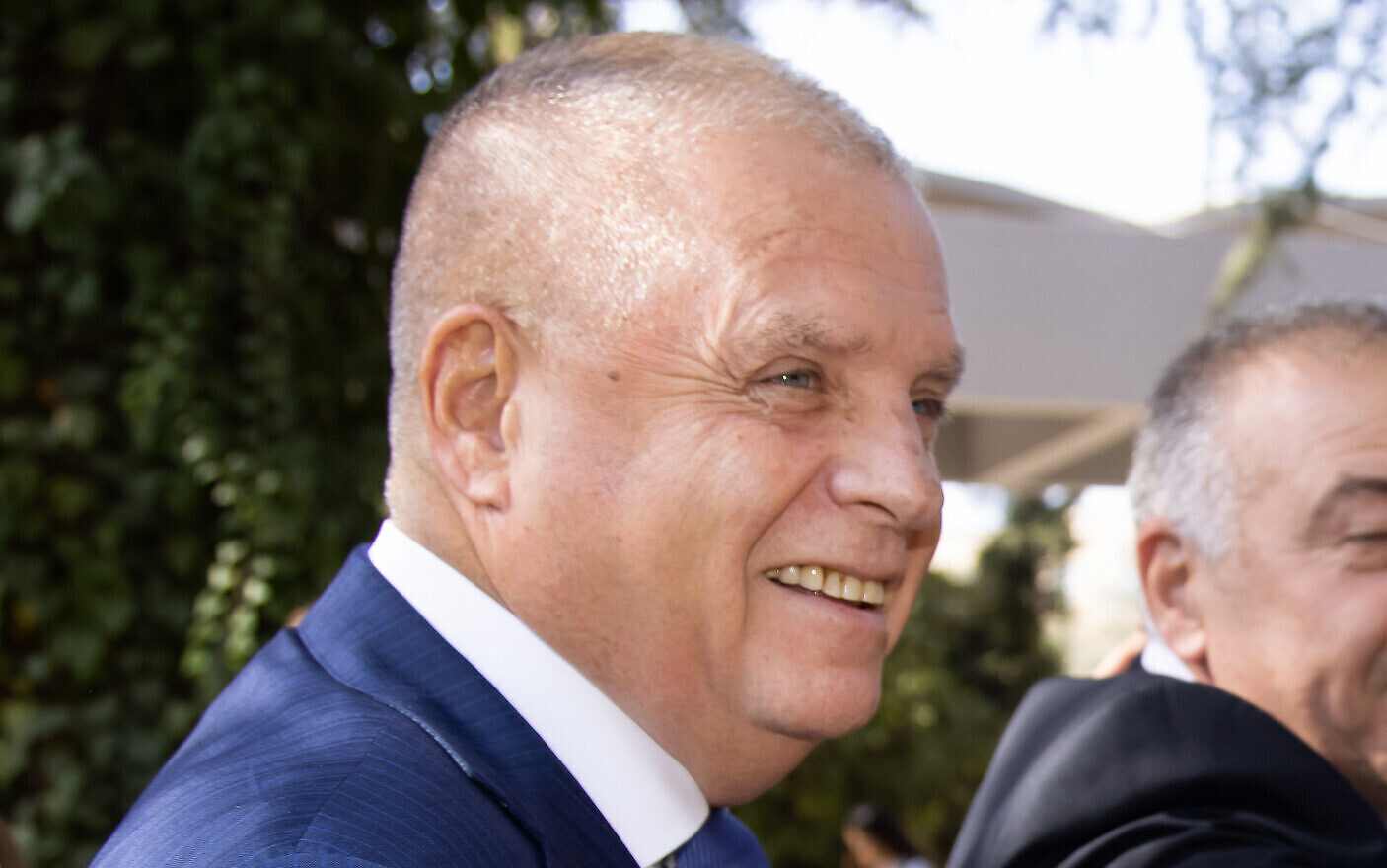
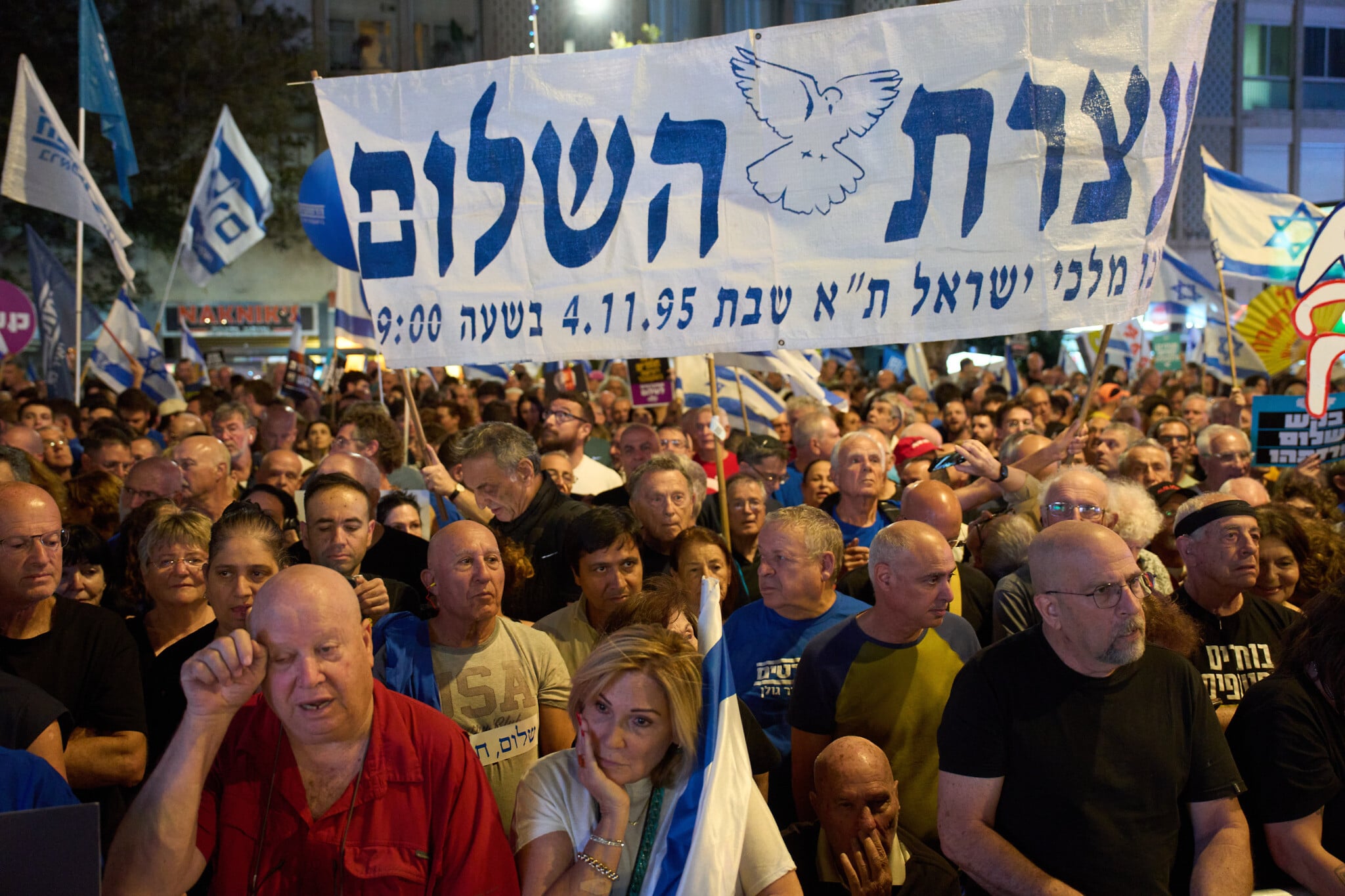
Among the tens of thousands of Israelis who gathered in Tel Aviv Saturday to honor the memory of the late prime minister Yitzhak Rabin was Shimon Sheves, who had been one of the slain leader’s closest confidants.
Standing in the square where Rabin was killed by an assassin 30 years earlier, Sheves, who was Rabin’s right-hand man for years, including as director general of the Prime Minister’s Office, felt something different.
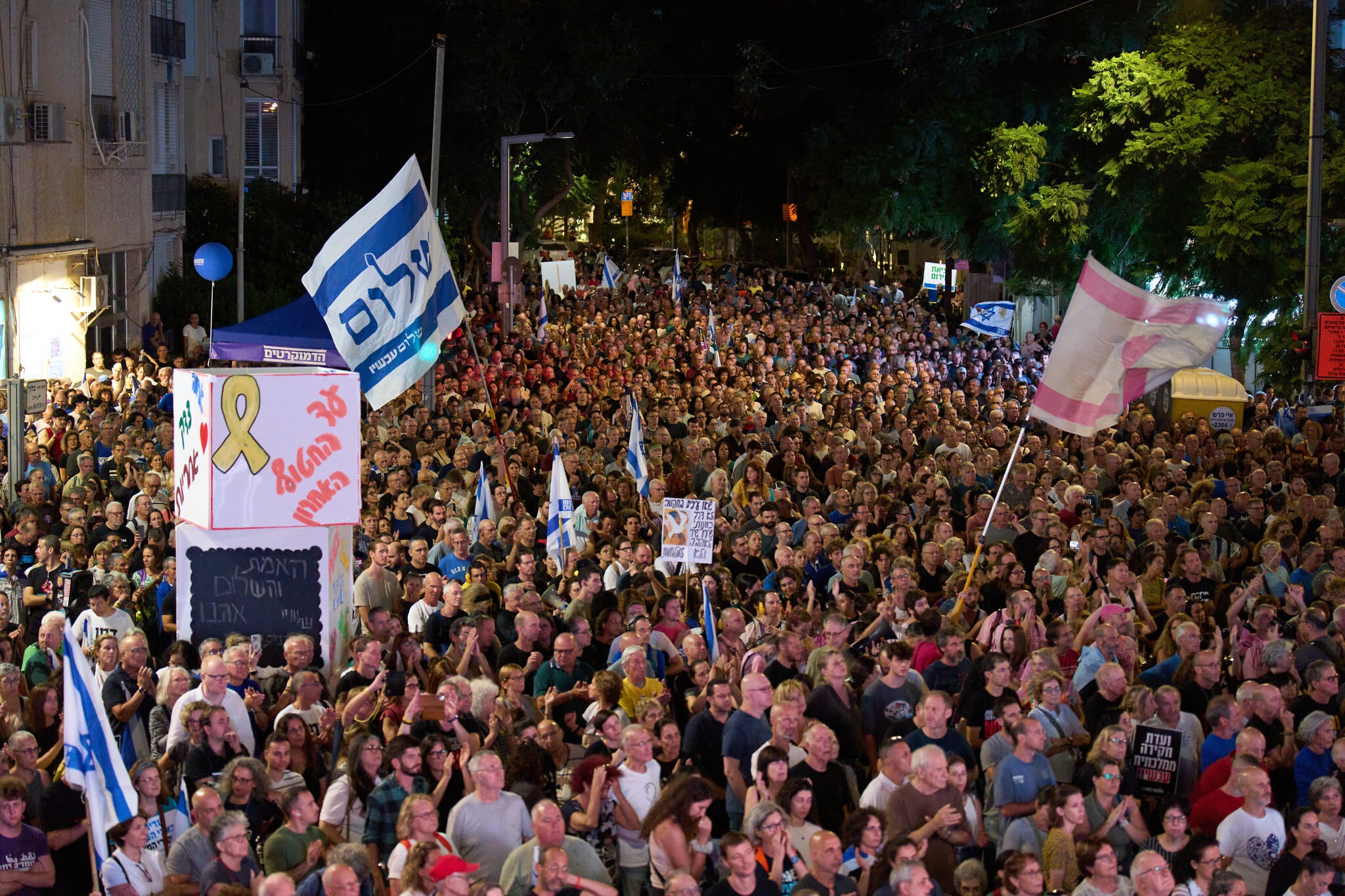
The November 1 memorial rally at Rabin Square was the first large gathering there in the prime minister’s memory since 2019, after five years in which the public was first swept off the streets by the COVID pandemic, and then repeatedly called out en masse to protest the government’s judicial agenda and advocate for the return of hostages from Gaza.
“The biggest surprise for me was the number of young people, people who weren’t even born in 1995 when Rabin was murdered,” he told the Times of Israel in an interview.
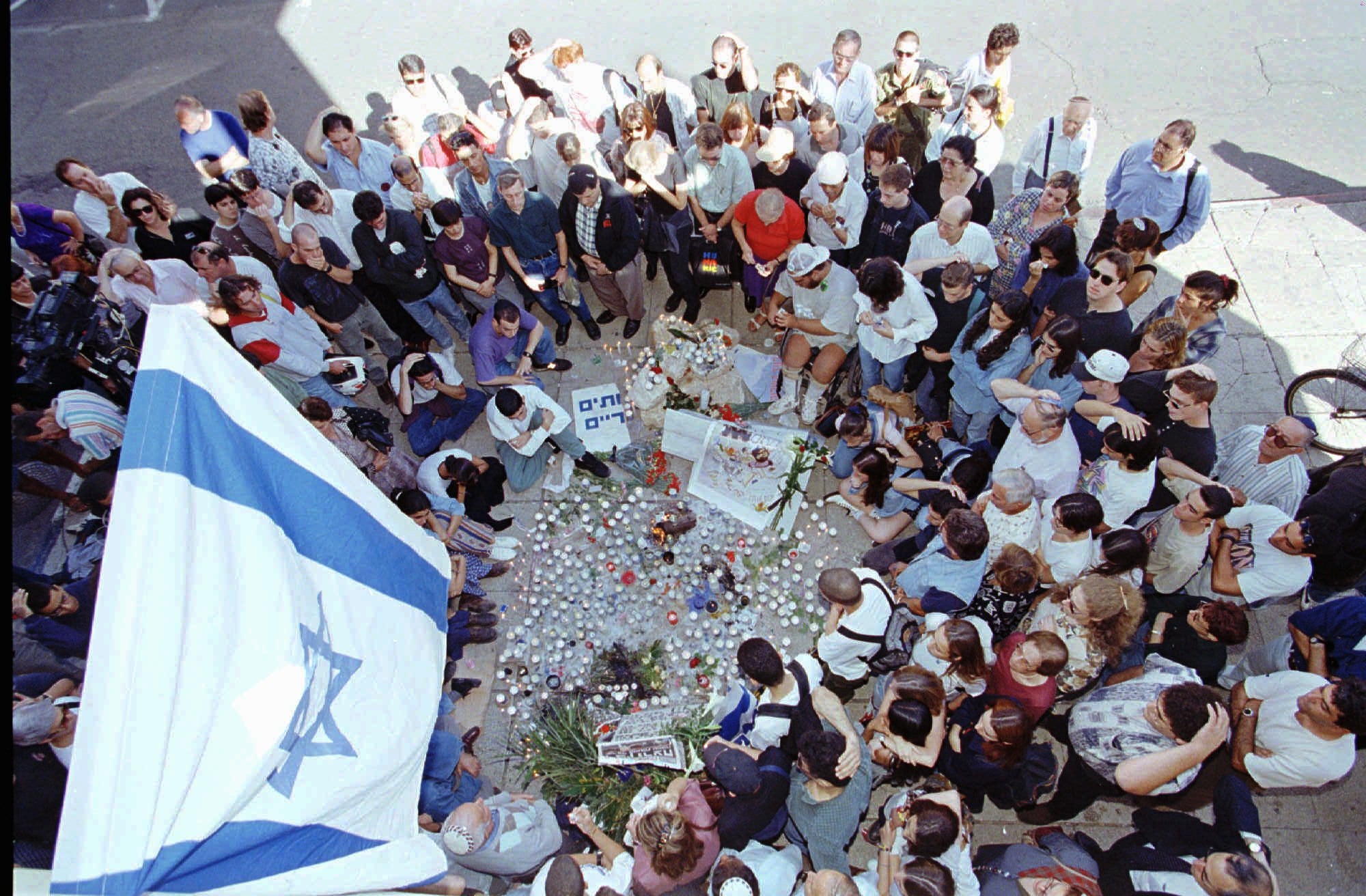
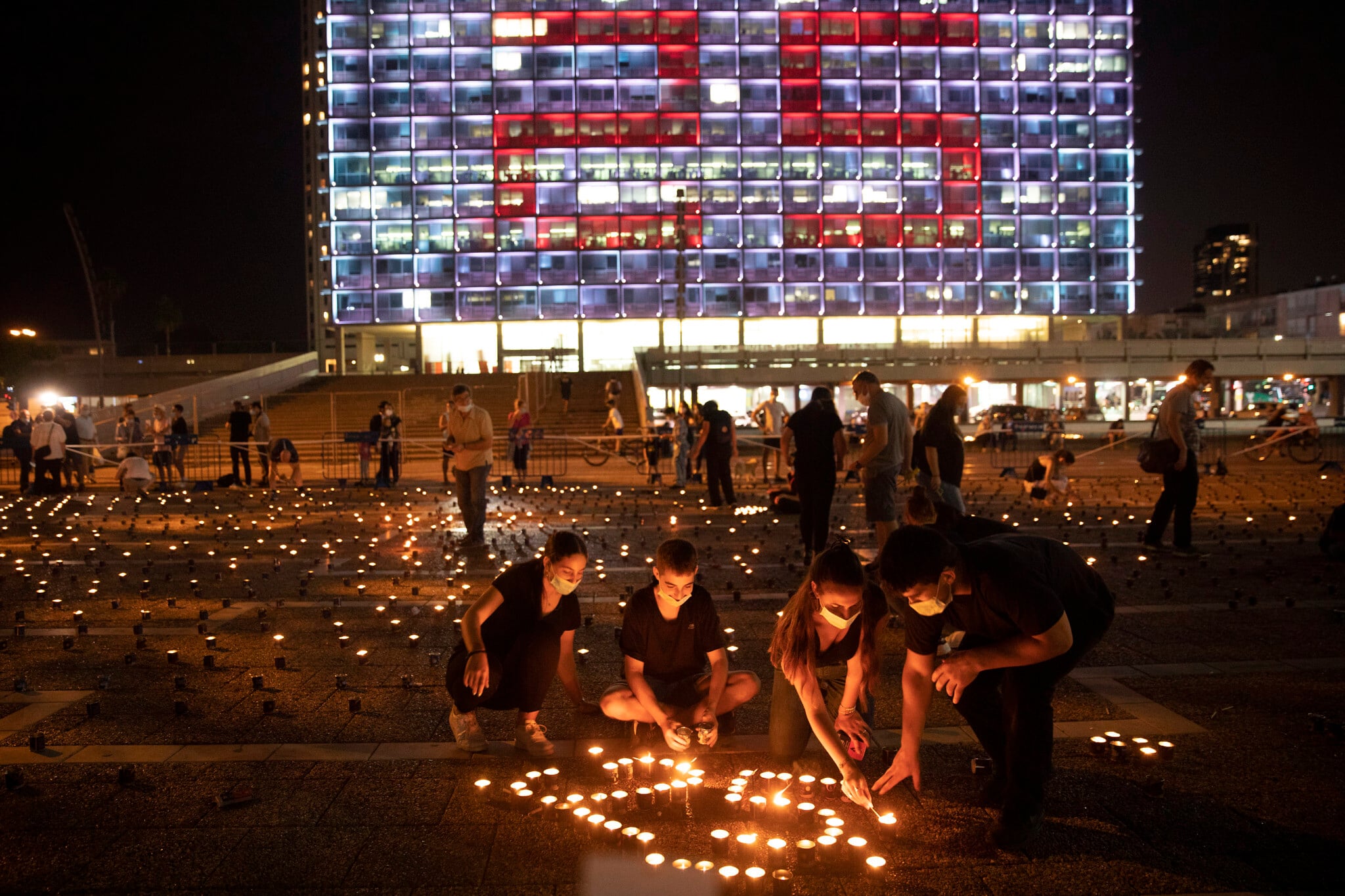
The scene on Saturday night, he said, reminded him of the transformation of the square following the November 4, 1995, murder of Rabin by right-wing extremist Yigal Amir at the conclusion of a peace rally, when young people spontaneously congregated in the cobblestone plaza to hold vigils, light candles and cry.
“Here we are, 30 years later, and again young people flock to the square,” he said. “For 25 years, the rallies were mostly attended by older people. But on Saturday night, the square was full of young faces, with shining eyes, listening to the speeches and the songs, and realizing that once there was hope here and that we need to find our way back to it.”
Sheves’s long working relationship with Rabin, which he described as “true intimacy,” began in 1984, when he was the then-defense minister’s adviser on settlements.
Sheves gradually entered Rabin’s inner circle and, in 1992, engineered his return to the premiership for the Labor Party. Throughout the years, Sheves was by Rabin’s side, often around the clock.
They knew each other’s families well and after the murder Sheves remained close with Rabin’s family.
In the years since Rabin’s assassination, he has worked in the private sector and as a political consultant. In 2020, he published the book “Friend” in Hebrew, exploring Rabin’s leadership, his role as his closest aide, and the campaign of incitement in the years leading up to the assassination. Sheves is currently working on “The Truth About the Lie,” which examines how politicians manufacture, spread, and entrench false narratives within Israeli political culture.
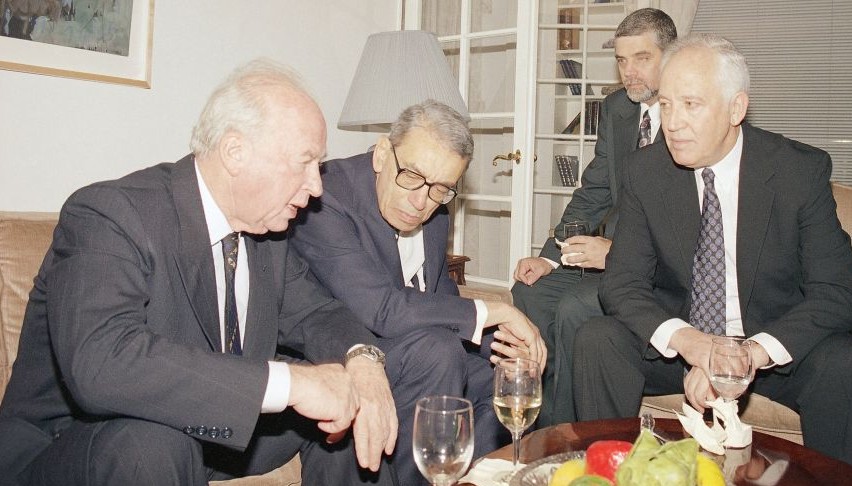
He spoke to The Times of Israel on Sunday as Israel marks 30 years since Rabin’s assassination. The text has been edited for clarity.
How do you feel about the anniversary of Rabin’s assassination this year?
This year, I feel completely different. For many years, the first week of November was emotionally heavy and painful for me. I avoided some memorial events. But this year, because of the war, the diplomatic implications, and the constant engagement with the Americans, the feelings are different for me.
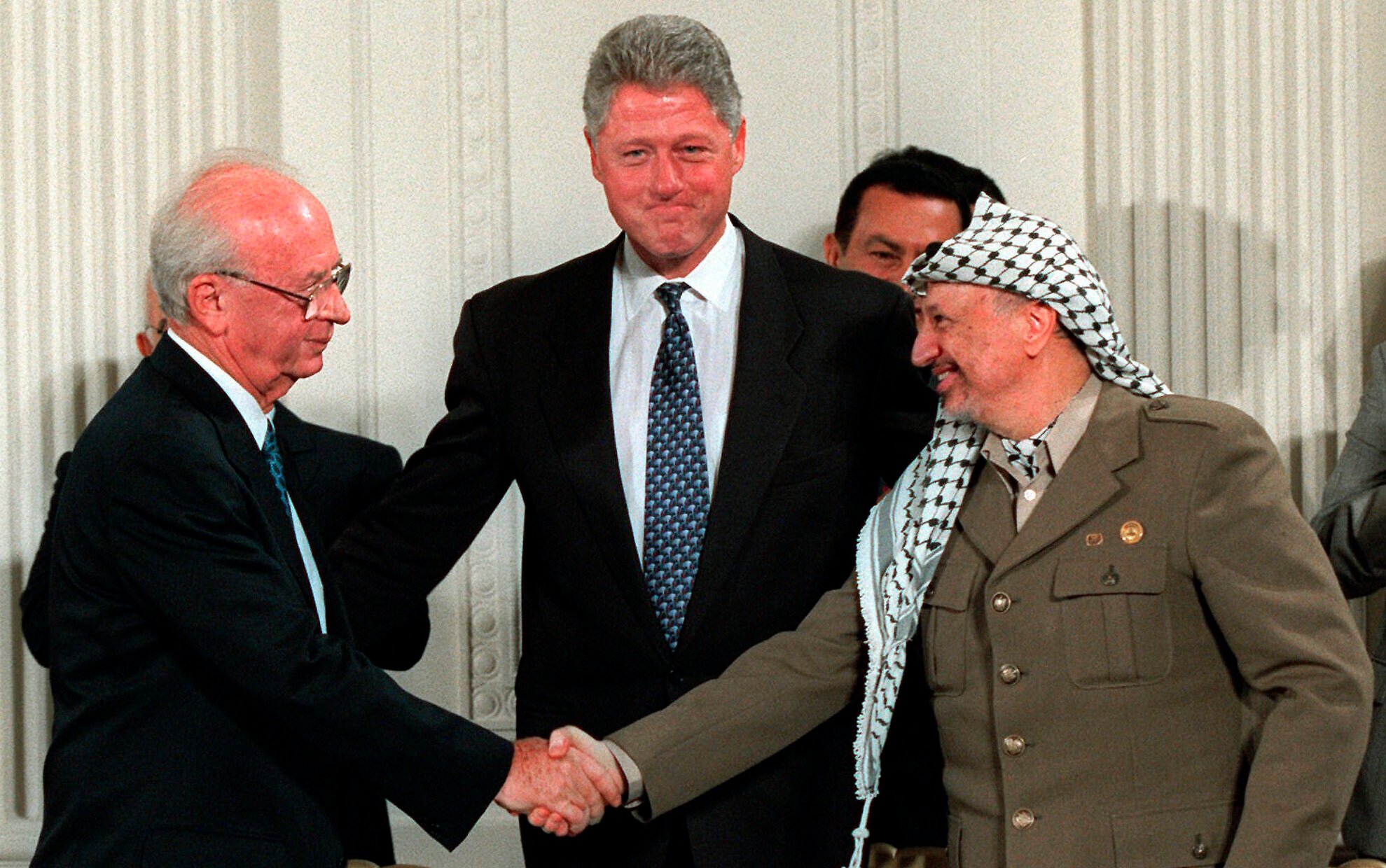
When I read the White House’s 20-point plan, which Netanyahu agreed to, and especially the 19th point [on Palestinian statehood], I felt as if I was reading the Oslo Accords, only worse. A few years ago, they spoke of the ‘Deal of the Century,’ but that too was essentially Oslo, just packaged differently.
With or without Oslo, there are only two options: a bi-national state with seven million Palestinians west of the Jordan River, or a separation arrangement in which the Palestinians manage their civilian life and Israel maintains responsibility for regional security. Rabin called it a Palestinian state-minus. If someone like Rabin were leading the country today, our decisions and our lives would look completely different.
Why were there no memorial rallies in Rabin Square for the past five years?
First came COVID, then the mass protests against the judicial overhaul, and now, the war. Beyond that, there was fatigue, both emotional and financial. For 25 years, the rallies were organized entirely by volunteers, without any institutional funding. In some years, donors simply didn’t step forward, and the event didn’t take place.
The government and the Knesset speaker boycotted this year’s state ceremony held to mark the annual Yitzhak Rabin memorial day. What do you think about their absence?
It’s a national memorial day established under the law. The government is obligated to be there, and their absence means boycotting Rabin’s legacy. Even the Knesset speaker, who is required by law to attend state ceremonies, sent one of his deputies instead.
We’ve seen Netanyahu subjected to intense pressure at these ceremonies in the past.
A prime minister must be able to withstand discomfort. This is a traumatic event in the life of the nation, the assassination of a prime minister, and he is obligated to show up, speak and accept criticism. But some people simply cannot. It’s the same lack of empathy that kept him from visiting Kibbutz Nir Oz for nearly two years and from showing compassion to families in the Gaza border communities or to the hostages’ families.

Netanyahu didn’t pull the trigger, but he was leading the incitement campaign against Rabin. Rabin called him the ‘chief inciter’
Netanyahu didn’t pull the trigger, but he was leading the incitement campaign against Rabin. Rabin called him the “chief inciter.” In 1995, they were supposed to meet regularly as the prime minister and the opposition leader, and Rabin refused to meet him, because he held him responsible for the incitement and delegitimization.
How does your newest book, released in Hebrew as “They Stole My Country,” connect to the current moment?
The book describes how a messianic ideological group took over the mainstream of Israeli politics, the Likud, together with the ultra-Orthodox and national-religious factions, and over 30 years, stole the country step by step. They extended the war unnecessarily and left the hostages in captivity for far too long.
I come from a different place: Israel must be a liberal, democratic, Jewish state, and they are turning it into a dark one. This isn’t about refusing to accept election results; it’s about who exerts power over the government.
You worked beside Rabin for years. Can you share a personal moment from your time with him?
During the 1992 primary campaign, we drove around the country in terrible winter weather. One night, we arrived at the Labor Party chapter in Pardes Hanna. Rabin hated being late and insisted we get there early. The building was locked and empty, so we sat in the car, Rabin, the bodyguard, and I. It was pouring outside. Eventually, the custodian arrived and opened the door. A few people trickled in, maybe 10 or 12. Rabin had a hot drink and began speaking to them as if he were addressing three thousand people in a packed hall. He believed every voter deserved a conversation.
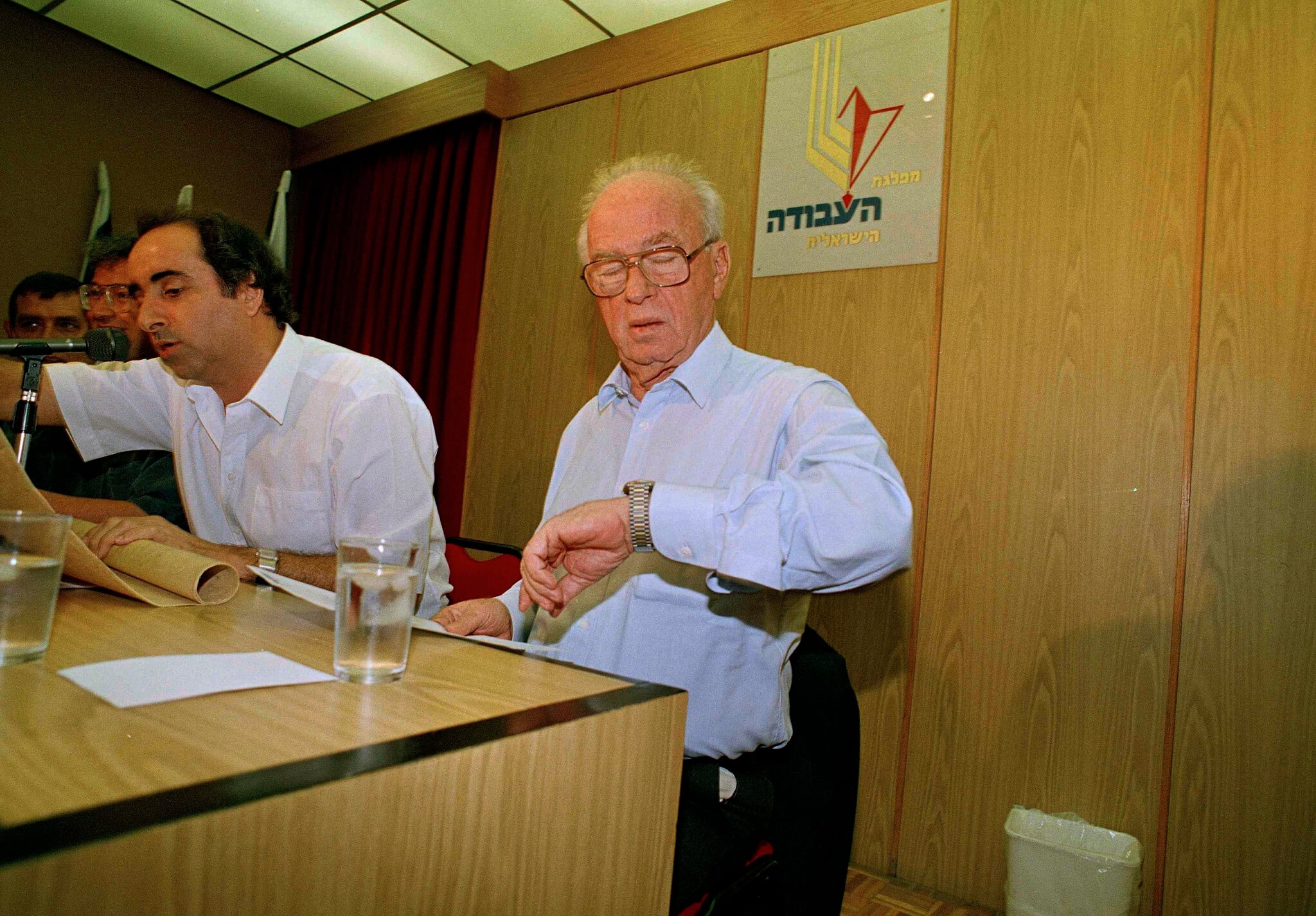
Another time, we drove to the Arab village of Sulam, just past Kibbutz Merhavia near Afula. The access road was muddy, with open sewage, shocking neglect. Rabin couldn’t believe that such a place existed inside Israel. At the end of the visit, he got into the car and said, “If we win the election, the first thing we do is build a road to Sulam.” Seven months later, after forming his coalition, he called me in and said: “Remember Sulam? Call the Roads Authority. I want the road done before Eid al-Adha.” And it was done.



The Times of Israel Community.