

Frightened foreigners flee Tunisia after seaside massacre
Vacationers scramble to leave as country vows new security measures in attempt to save crucial tourism industry
 Add ToI as a Preferred Source on Google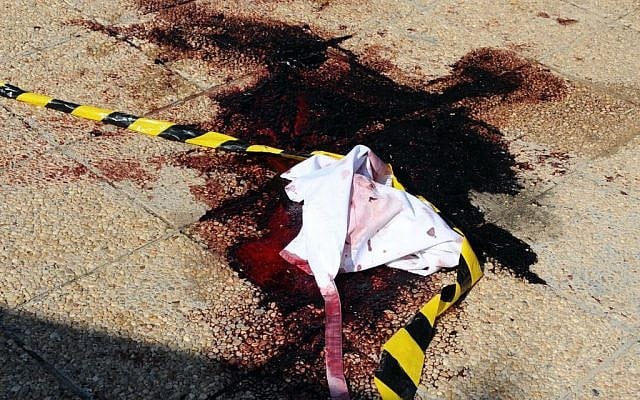
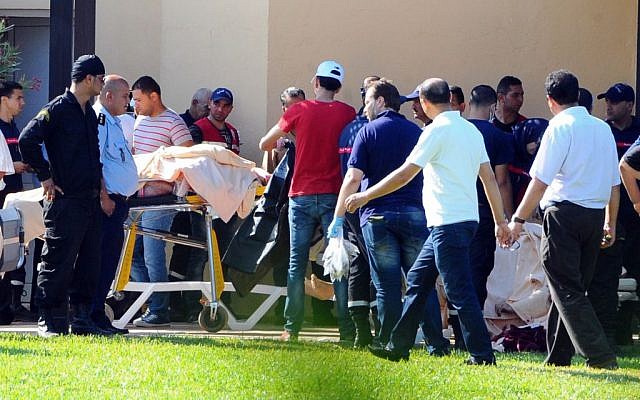
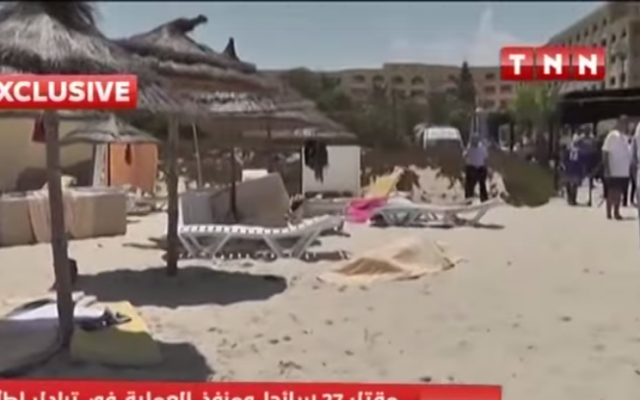
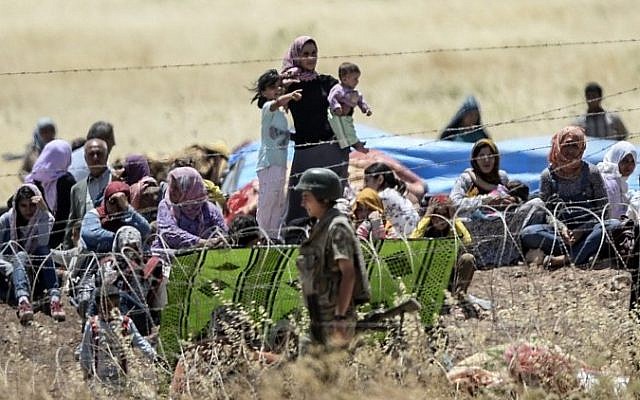
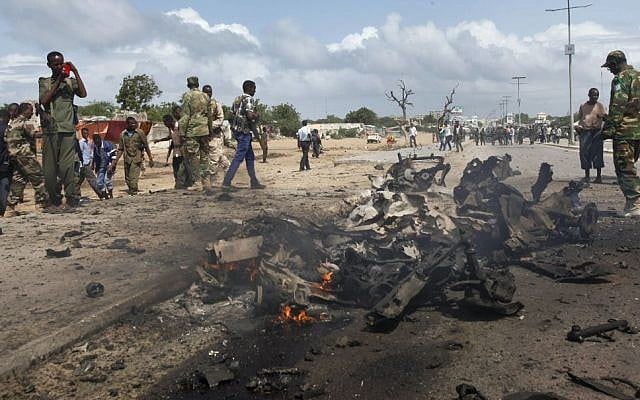
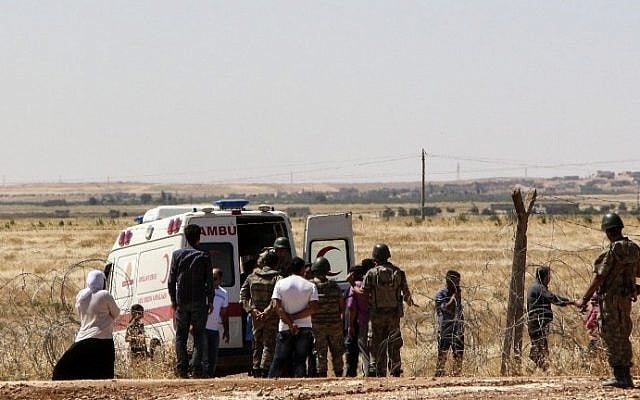
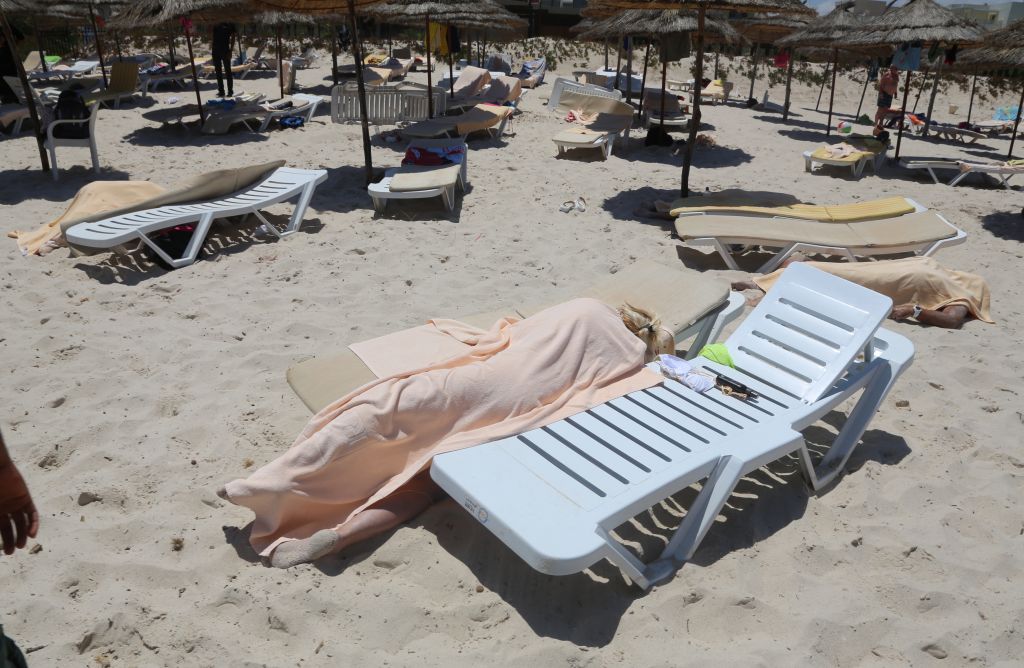
Thousands of scared foreign holidaymakers were being flown from Tunisia on Saturday after an Islamist gunman killed 38 people, most of them British tourists, at a beach resort.
The attack in the Tunisian resort of Sousse was the worst ever in the country and came just months after the March 18 massacre at the national Bardo museum in Tunis that left 22 people dead, again mostly tourists. It is expected to deal a heavy blow to the country’s tourism industry, which accounts for nearly 15 percent if Tunisia’s gross domestic product.
British Foreign Secretary Philip Hammond has said a high proportion of the casualties is likely to be British and UK tour operator Thomas Cook was among the travel agents that started evacuating its customers from Tunisia Saturday.
It said on Twitter it has arranged an additional plane to depart from Tunisia to fly home anyone wishing to leave.
Travel companies Thomson and First Choice, part of the TUI UK group, said their customers had been caught up in the massacre.
“While the situation on the ground remains fluid, we have… had confirmation that a number of fatalities and injuries are Thomson and First Choice customers,” said a statement issued by the companies.
The statement added that ten Thomson Airways flights would be repatriating about 2,500 Thomson and First Choice customer.
Tunisian Prime Minister Habib Essid announced that from next month armed tourist security officers would be deployed all along the coast and inside hotels.
But a heavy blow had already been delivered to the key tourism industry with Thomas Cook announcing it would offer all customers the possibility to change bookings to Tunisia up to and including July 24.
The Association of British Travel Agents said it was consulting with the Foreign Office about the longer term.
The Islamic State jihadist group, which controls swathes of Iraq and Syria, claimed responsibility for the attack, the deadliest in Tunisia’s recent history.
Dozens more people were wounded when the assailant pulled a gun from inside a beach umbrella and opened fire on crowds of tourists on the beach and by a hotel pool in the popular Mediterranean resort of Port el Kantaoui.
The Tunisian prime minister said that most of the dead were British but that they also included Germans, Belgians and French.
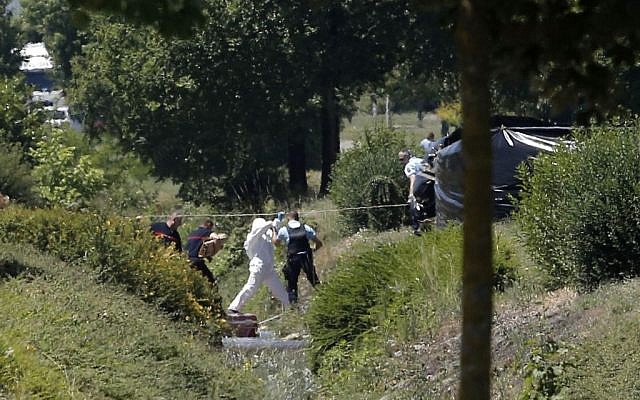
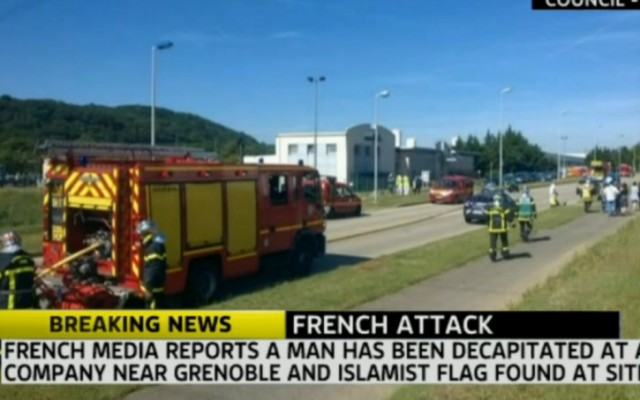
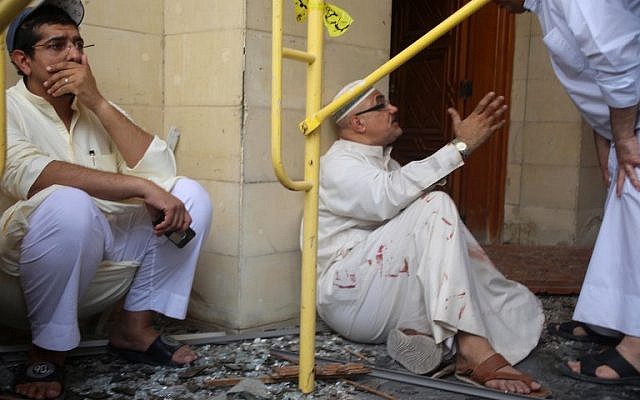
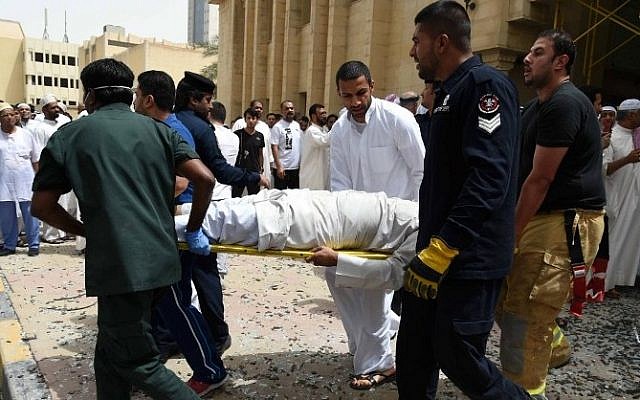
The attack, the second against tourists in Tunisia this year, came on the same day that 26 people were killed at a Shiite mosque in Kuwait and a suspected Islamist attacked a factory in France.
IS claimed both the Kuwait bombing and the Tunisia attack, which came just days before the first anniversary of the group declaring its territory in Iraq and Syria a “caliphate.”
IS said the gunman was a “soldier of the caliphate” who had targeted enemies of the jihadist group and “dens (of…) fornication, vice and apostasy.”
Most of those killed were “subjects of states that make up the crusader alliance fighting the state of the caliphate,” the group said, referring to the US-led coalition conducting an air campaign against it in Iraq and Syria.
The Tunisian premier said a raft of new anti-terrorism measures would go into effect from July 1, including the deployment of reserve troops to reinforce security at “sensitive sites… and places that could be targets of terrorist attacks.”
He said the government would also close 80 mosques suspected of inciting extremism.
It constituted an “exceptional plan to better secure tourist and archaeological sites,” he said.
Tourism accounts for seven percent of Tunisia’s GDP and almost 400,000 direct and indirect jobs.


The Times of Israel Community.