

UNESCO lists Israeli-controlled heritage sites in Lebanon, West Bank as in danger
Cultural agency says Beaufort Castle has sustained damage and faced ongoing threats since IDF takeover amid fight against Hezbollah; Israel blasts Sebastia’s classification as Palestinian
 Add ToI as a Preferred Source on Google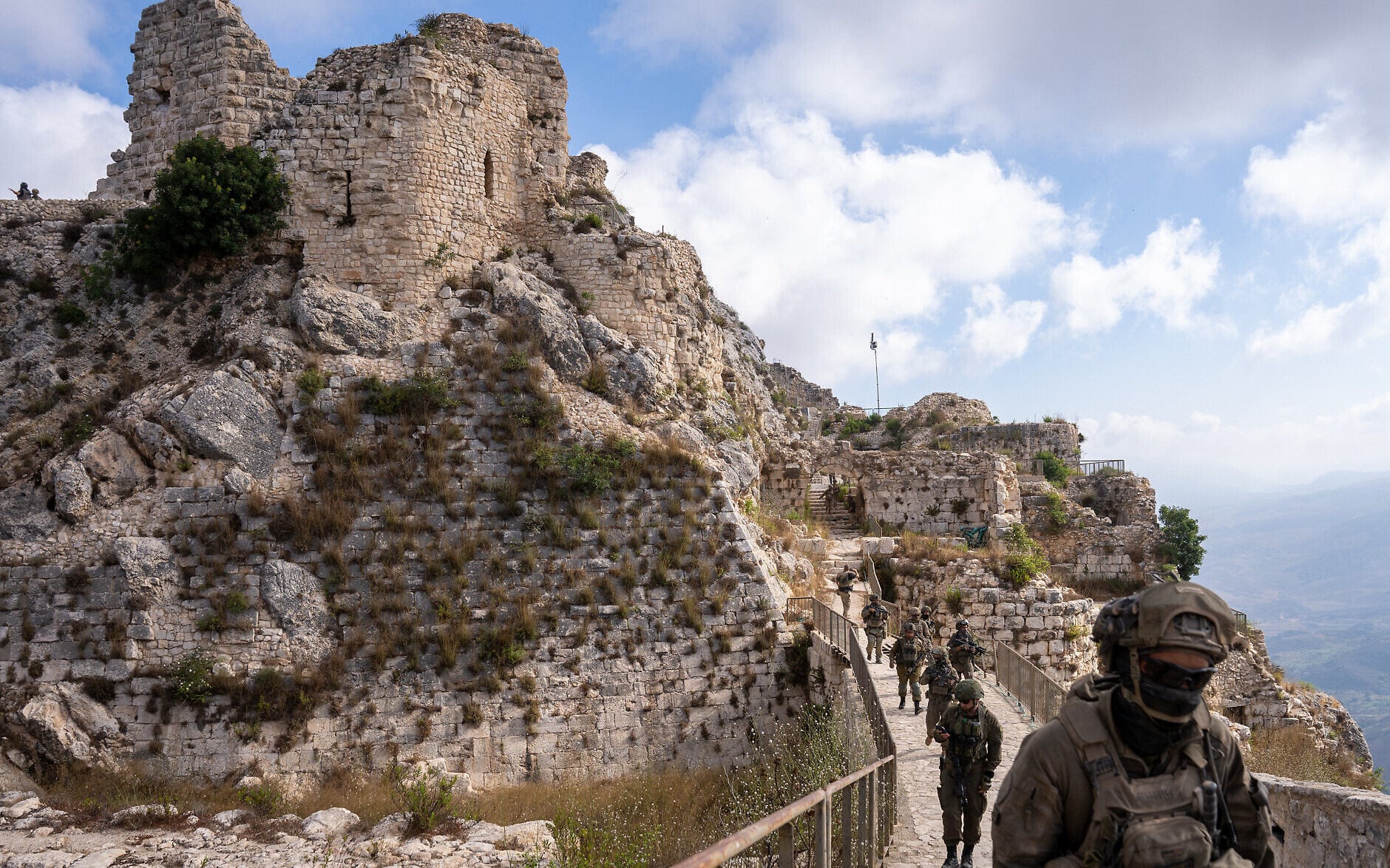
PARIS — The UN’s cultural agency on Friday placed locations including a Lebanese castle recently conquered by Israeli forces and an archaeological site in the West Bank on its list of World Heritage in Danger.
Beaufort Castle, a Crusader fortress also known as Qalaat al-Shakif, was captured by Israeli forces invading Lebanon in May as part of their war with the Hezbollah terror group.
It is one of five castles in the Jabal Amel area of southern Lebanon listed together by UNESCO. The mountainous area has come under repeated Israeli bombardment during the war.
UNESCO said the fortresses had sustained damage and faced ongoing threats from the conflict, “serious enough to justify resorting to an emergency procedure.”
Lebanese Culture Minister Ghassan Salame told AFP the endangered listing was “a remarkable achievement in the effort to protect these important Lebanese historical landmarks.”
He said only two of the castles were “within the Lebanese government’s reach” and accused Israel of having already destroyed Shamaa Castle and threatening to demolish Beaufort.
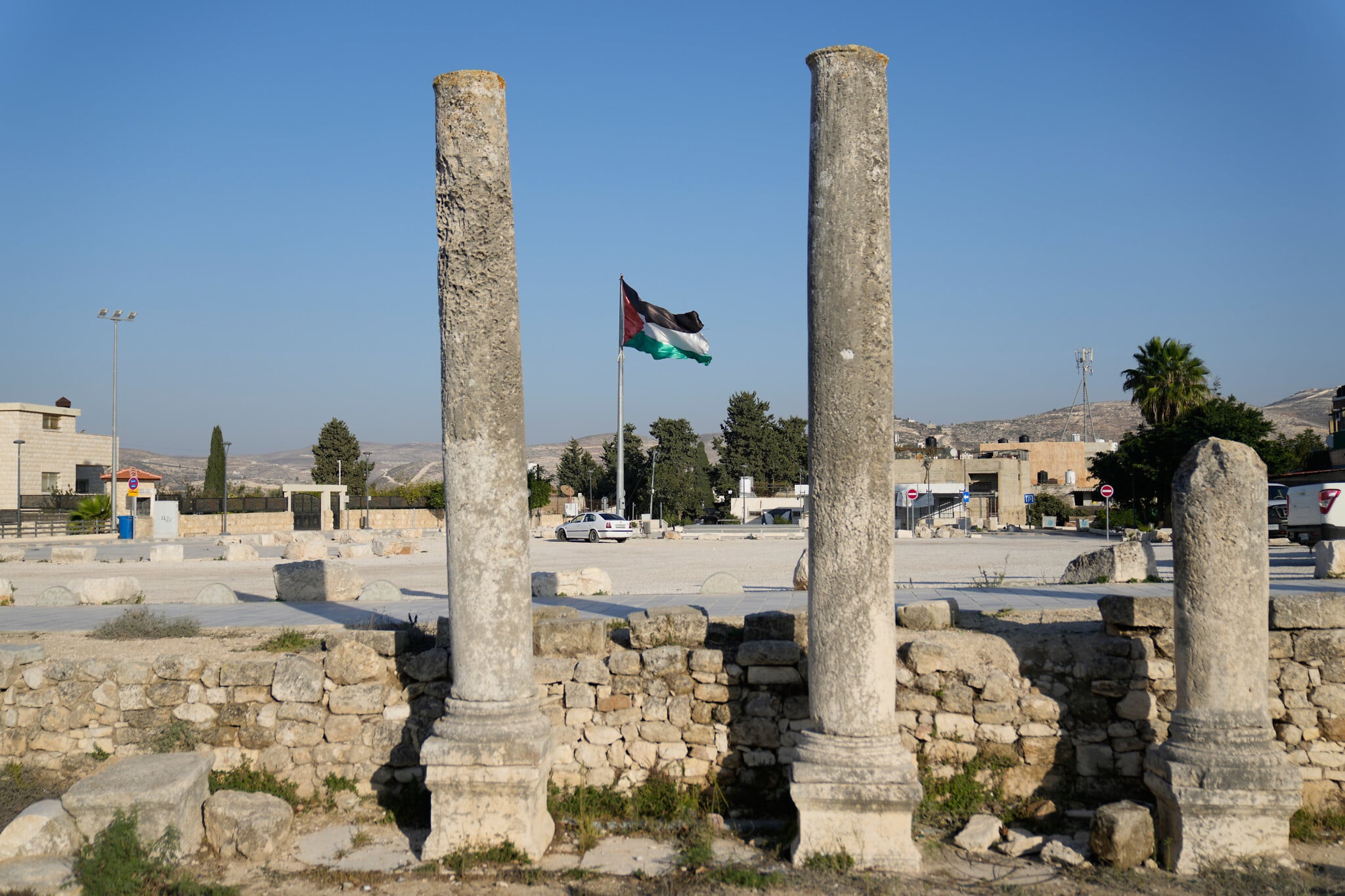
Also added to the in-danger list was Sebastia, near the West Bank city of Nablus, with UNESCO classifying it as located in Palestine.
The site is thought to be the ancient Jewish and later Roman city of Samaria, whose name Israel still uses to refer to the northern West Bank.
In recent years, Israeli authorities have taken an interest in the site, which sits near the modern Palestinian town of Sebastia but is in an area controlled exclusively by Israel.
In 2025, they expropriated around 500 acres of Palestinian land near the site, saying it was for preservation and development purposes.
The Palestinian Authority is trying to have Sebastia recognized by UNESCO as a Palestinian heritage site.
Because when you don't have your own ancient heritage, you steal someone else's.
The city was founded as Shomron (Samaria), the capital of the Kingdom of Israel in the 9th… pic.twitter.com/dAOxekjagi
— Israel Foreign Ministry (@IsraelMFA) July 22, 2026
While Palestinians in Sebastia have developed a tourism industry based on the site, the new Israeli plans threaten to bypass it with an Israelis-only road, a fence and entry fees.
“The integrity of the site is currently threatened by an expropriation project aimed at subdividing the property and creating the ‘Samaria’ (Shomron) National Park,” UNESCO said.
Foreign Minister Gideon Sa’ar hit back at the listing, blaming it on Palestinians and saying it was an attempt at “erasing and denying the Jewish connection to this land.”
The sites were added to the endangered list after votes by all 196 member states of the UN agency.









The Times of Israel Community.