

On first day of coalition talks, Netanyahu faces uphill battle
With six parties fighting to receive their share of the spoils in the incoming government, the PM’s task will be anything but easy
 Add ToI as a Preferred Source on Google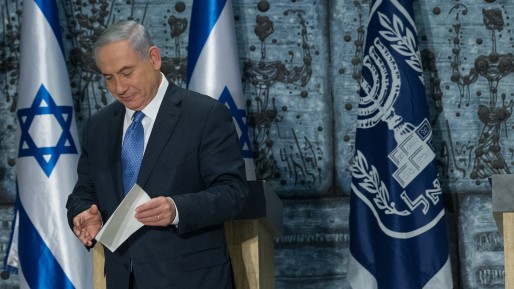
Fresh out of being given the task he had so coveted of forming the next government, Prime Minister Benjamin Netanyahu was set to officially launch his efforts to establish a ruling coalition on Thursday. But facing six different parties already engaged in power struggles and political arm-wrestling, the premier appeared to have his work cut out for him.
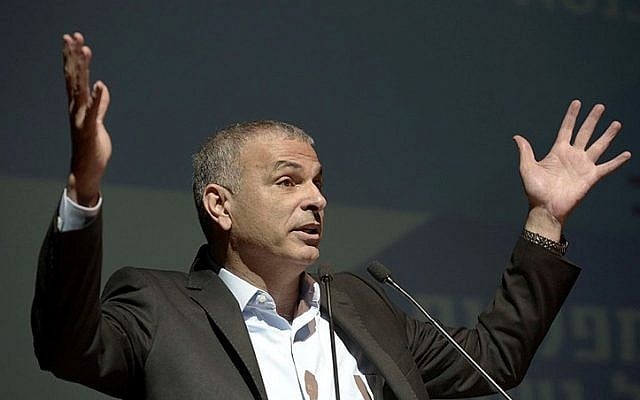
On Wednesday night, before negotiations had even begun, Netanyahu had already waded into problematic territory with Kulanu leader Moshe Kahlon, who expressed anger over reports that United Torah Judaism would be given control of the Knesset’s powerful Finance Committee.
In a bid to shore up votes for Likud ahead of the election, the prime minister had publicly promised that Kahlon would be the next finance minister no matter the results. Kahlon, who ran on a social platform, has made it clear that he would only enter the government if he were given adequate power to affect true change in the Israeli economy.
However, after indicating in previous days that he intended to keep his word and give Kahlon the finance ministry, Netanyahu said Wednesday he sought to appoint UTJ’s Moshe Gafni as chairman of the finance committee.
“I’ve heard this evening that rather than take care of the housing problems and lowering the cost of living, someone thinks it is more urgent to divide the tools to deal with these issues in a political and non-logical way,” Kahlon wrote in a Facebook post Wednesday night.
Kahlon expressed annoyance at reports circulating in the media according to which his party had agreed to forego any other finance-related demands, calling them “spins.”
“We haven’t held negotiations with anyone yet, and no one could have agreed to anything on our behalf,” Kahlon wrote.
Meanwhile Haaretz reported Thursday that Netanyahu was also preparing for a fight with Jewish Home over leader Naftali Bennett’s desire to receive the defense, education and religious affairs ministries.
Likud officials told the paper that given their party’s strong showing at the polls (30 seats compared to Jewish Homes’ 8) there was no intention of giving Bennett more than one of those ministries, and it definitely wouldn’t be defense — which Netanyahu would like to retain for Moshe Ya’alon.
“Bennett hasn’t yet internalized the election results,” Likud sources told Haaretz. “We see Bennett as education minister or economy minister with extended powers. He won’t get a better position. On the other hand we are willing to make it up to Bennett and offer his party three portfolios.”
Likud officials also said they believed the number of ministers would have to be raised from the 18 stipulated by current law to 24, in order to accommodate the needs of all six parties vying for power: Likud, Jewish Home, Kulanu, Shas, UTJ and Yisrael Beytenu.
Yisrael Beytenu’s Avigdor Liberman has also said he would demand the defense portfolio. However, given his poor showing at the polls (6 seats, down from 13 in the previous Knesset), Liberman may have to settle for Netanyahu’s reported proposal that he remain in his current post as foreign minister — a seemingly rather generous offer given the circumstances.
UTJ’s Yaakov Litzman was set to return to his previous post of deputy health minister (the de facto health minister — the ultra-Orthodox UTJ refuses to take formal cabinet posts in order to not officially recognize the state).
Shas leader Aryeh Deri was likely to receive the Interior Ministry, despite public calls that he not be given a portfolio due to his past criminal conviction, and an online petition against such an appointment that has already received over 30 thousands signatures.
On Wednesday, President Reuven Rivlin formally tasked Netanyahu to form the coalition, fulfilling his commitment to give the candidate who received the most recommendations for the premiership the first opportunity to build a coalition.
Netanyahu will have until May 7 to present his coalition to the president, with an option to extend talks for another two weeks.
On Thursday teams from all parties are expected to arrive at the Knesset to negotiate their terms with Netanyahu’s Likud party representatives. Two-hour meetings will be held with every party, in a first round of talks that will continue until a final coalition is formed.
Analysts believe the incoming government will be formed by right-wing and religious parties, some of which oppose the creation of a Palestinian state, and that if Netanyahu bows to international pressure to disengage or evacuate settlements in the West Bank, he could risk a coalition break-up leading to new elections.
Meretz, Yesh Atid, Zionist Union and the Joint (Arab) List are expected to sit in the opposition.
Lazar Berman and Marissa Newman contributed to this report.









The Times of Israel Community.