

US companies ready to cash in on Iran
Relaxing of sanctions expected to free up finances and enable a return to business for some global vendors
 Add ToI as a Preferred Source on Google
Stuart Winer is a breaking news editor at The Times of Israel.
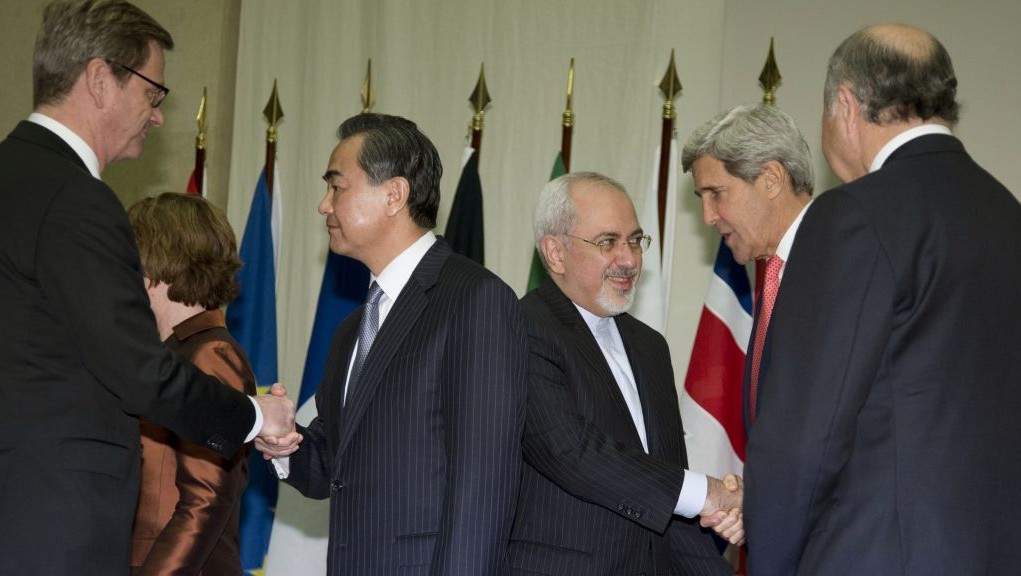
Several US and European companies are preparing to cash in on the sanction relief that Iran negotiated in the nuclear talks last month, and they could be positioned to rake in billions of dollars.
The opportunities come not so much from the removal of sanctions on products that the companies sell, but rather from the enabling of financial methods to pay for them, The Wall Street Journal reported on Sunday.
Items defined as “humanitarian products” were not restricted by the sanctions imposed on Iran to try to force it into rolling back its nuclear research program. Companies such as GlaxoSmithKline, Sanofi SA, Siemens, Procter & Gamble and Nestlé were able to continue providing a range of merchandise from agricultural products to medicinal items such as diabetes medication, and even chocolate. However, as sanctions clamped down on Iranian banks and international transactions and the Iranians therefore became unable to pay, companies became reluctant to do business.
Following last month’s agreement between Iran and the P5+1 world powers in which Iran agreed to reduce its uranium enrichment activities in return for an easing of some sanctions, a limited number of banks will be allowed to conduct transactions, opening the way for a return to business for companies in Europe and the US for “humanitarian trade” and in particular agricultural and medical items.
Most of the companies that are best positioned to take advantage of the reduced sanctions regime were unwilling to comment on what the future might hold.
The company “doesn’t want to speculate about possible outcomes [of the nuclear pact] and their implications,” Siemens said, while a representative from Glaxo noted that the company was “monitoring the situation, but it’s early days.”
The deal signed in Geneva at the end of November between Iran and the US, Britain, France, Russia, China, and Germany calls for Iran to reduce its stockpiles of 20% enriched uranium and to not use an under-construction heavy water facility to produce plutonium, a potential atomic bomb ingredient. Israel criticized the deal for not going far enough in dismantling Iran’s uranium enrichment capabilities. In Iran, although the deal received wide support, some hardliners rejected the plan as going too far.
A further round of talks is planned to iron out final details before the agreement goes into effect, but the time and location of the negotiations have yet to be set.









The Times of Israel Community.