

Veteran avocado farmer killed in north; IDF checking if he was hit by Israeli fire
A week ago, Ofer Moskovitz, 60, likened life in border town to ‘Russian roulette’; Hezbollah claims responsibility for attack, but army investigating if its own artillery responsible
 Add ToI as a Preferred Source on Google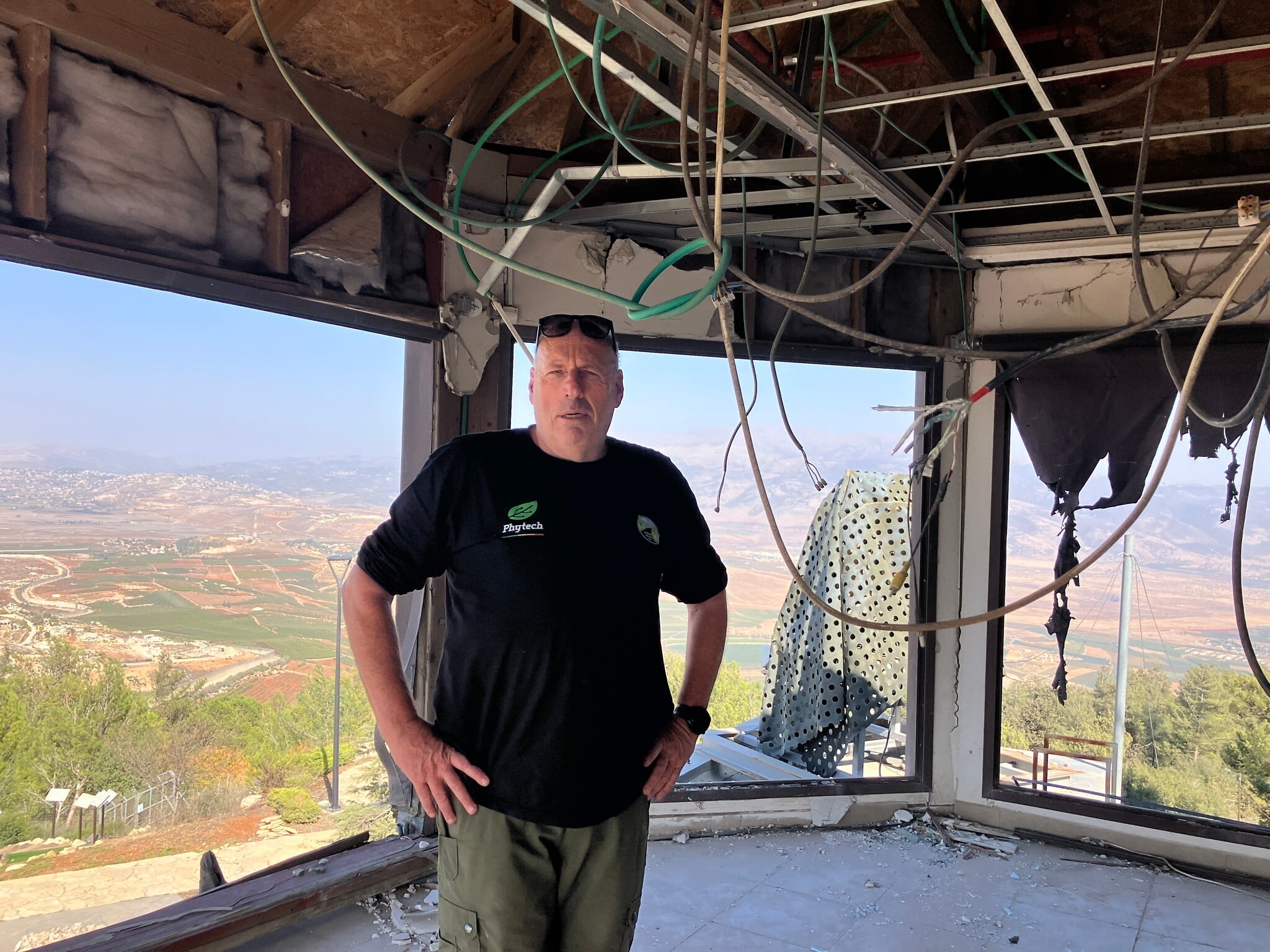
An Israeli farmer was killed Sunday morning by a projectile that struck the northern kibbutz of Misgav Am, as Israel’s border communities continued to absorb regular attacks from the Hezbollah terror group.
The Israel Defense Forces said in the evening it was investigating the possibility that 60-year-old Ofer Moskovitz, an avocado farmer and a kibbutz spokesman, was hit by Israeli artillery shelling, and not by a Hezbollah attack.
No sirens had sounded when the projectile struck the kibbutz.
The projectile ignited a fire that engulfed two vehicles. The slain man’s body was pulled from one of them, according to first responders in the Magen David Adom emergency service.
Hezbollah, which like Iran seeks openly to destroy Israel, swiftly took responsibility for the strike, saying it targeted “a gathering of Israeli enemy army soldiers” with a barrage of rockets at 8 a.m.
The IDF initially said that the strike was the result of rocket fire from Lebanon. “There is damage, and there are casualties. The incident is under investigation,” the army said in a first statement.
In a later statement, the military said it was “conducting a comprehensive investigation involving all relevant authorities” following the incident.
“The possibility that the incident involved fire originating from IDF soldiers is being examined,” the army said. “The IDF extends its deep condolences to the family at this difficult time. The IDF is in ongoing contact with the kibbutz,” it added.
Moskovitz was an active member of the kibbutz who managed its 400 dunams (100 acres) of avocado groves. He was eulogized by the community as “a prominent voice for us all over the years.”
במשגב עם, פגיעה ישירה ברכב, נבדק האם מפגיעת נ"ט מלבנון. במקום שני פצועים. אחד קשה. @WallaNews pic.twitter.com/HURaBXHvtA
— יואב איתיאל מדווח כי (@yoavetiel) March 22, 2026
Speaking to The Times of Israel last week, Moskovitz said the northern community was largely staying put despite being well aware of the danger emanating from across the Lebanon border.
“It’s dangerous, and it’s stressful, but there’s nothing to do about it,” said Moskovitz.
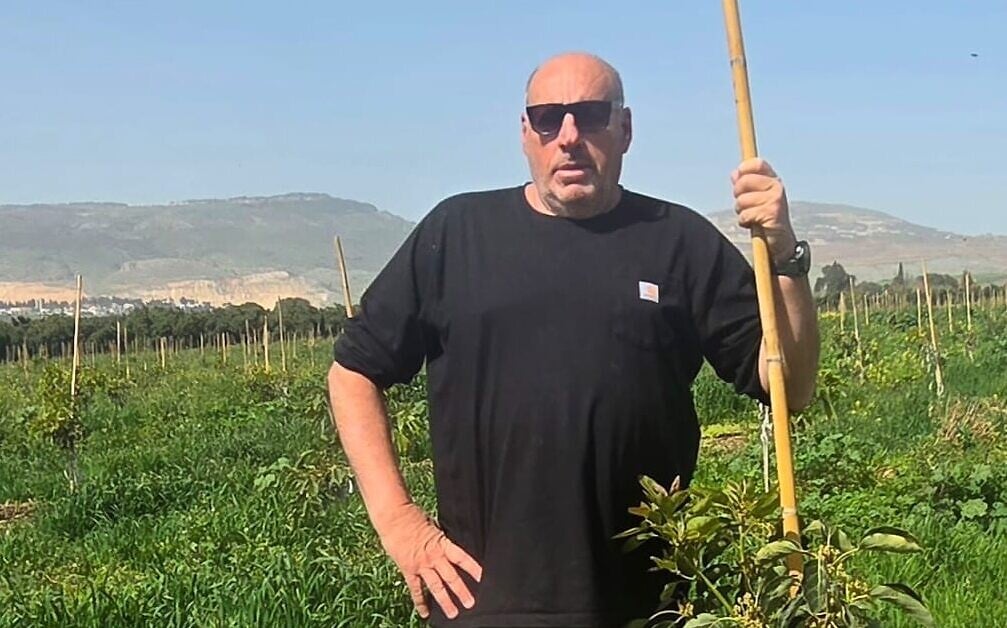
“The field is so close to Lebanon and the Hezbollah stronghold that they see us and we see them.”
According to the Ynet news outlet, he told a Haifa radio station on Friday that “I could be hit by a rocket or drone at any moment. It’s Russian roulette.”
תיעוד: הפגיעה הישירה בקיבוץ משגב עם הבוקר@rubih67 pic.twitter.com/1JaEK37N0O
— כאן חדשות (@kann_news) March 22, 2026
Since the war began on February 28, 15 civilians and foreign nationals have been killed in Israel in Iranian missile attacks, along with four Palestinians in the West Bank. Two soldiers have also been killed in a Hezbollah attack.
Moskovitz was killed as the IDF prepared to deploy more forces in southern Lebanon in order to expand the buffer zone there and push Hezbollah further from the border, part of a ground offensive that has been going on since early last week.
During the ground operations in southern Lebanon over the weekend, Israeli troops killed dozens of Hezbollah operatives and captured weapons in raids on several buildings used by the terror group, the army said Sunday morning.
In one incident on Saturday, the IDF said nine armed Hezbollah operatives were killed by troops and in drone strikes.
According to the IDF, the Hezbollah gunmen were detected approaching Israeli forces in southern Lebanon. Troops opened fire on the gunmen, and at the same time, the Israeli Air Force carried out strikes, “eliminating the terrorists,” the IDF said.
No soldiers were hurt in the incident, according to the military.
The IDF published footage showing one of the strikes.
חיל האוויר ולוחמי אוגדה 91 חיסלו תשעה מחבלים מארגון הטרור חיזבאללה בדרום לבנון
כוחות אוגדה 91 ממשיכים בפעילות הקרקעית הממוקדת להרחבת מרחב האבטחה בדרום לבנון.
אתמול, לוחמי יחידת האיסוף 869 זיהו מספר מחבלים חמושים שהתקרבו לעבר המרחב בו פועלים הכוחות.
בסגירת מעגל מהירה, הלוחמים… pic.twitter.com/L7fa8em3JB— צבא ההגנה לישראל (@idfonline) March 22, 2026
Also on Saturday, a senior commander in Hezbollah’s elite Radwan Force was killed in an Israeli airstrike in southern Lebanon, the IDF announced Sunday.
The strike carried out by the Israeli Air Force in the town of Majdal Selm killed Abu Khalil Barji, the commander of Radwan’s special forces unit, along with two other operatives, according to the military.
The IDF said it also struck other Hezbollah infrastructure in southern Lebanon overnight.
In parallel, the IDF and Shin Bet announced that a senior Hamas moneyman — Walid Mohammad Dib — was killed in an Israeli strike in Lebanon last week.
Dib was responsible for transferring funds to Hamas departments in Lebanon, the West Bank and other countries, and helped to recruit operatives and direct “terror activity from Syria and Lebanon,” the IDF and Shin Bet said.
They did not elaborate on the timing or location of the strike.
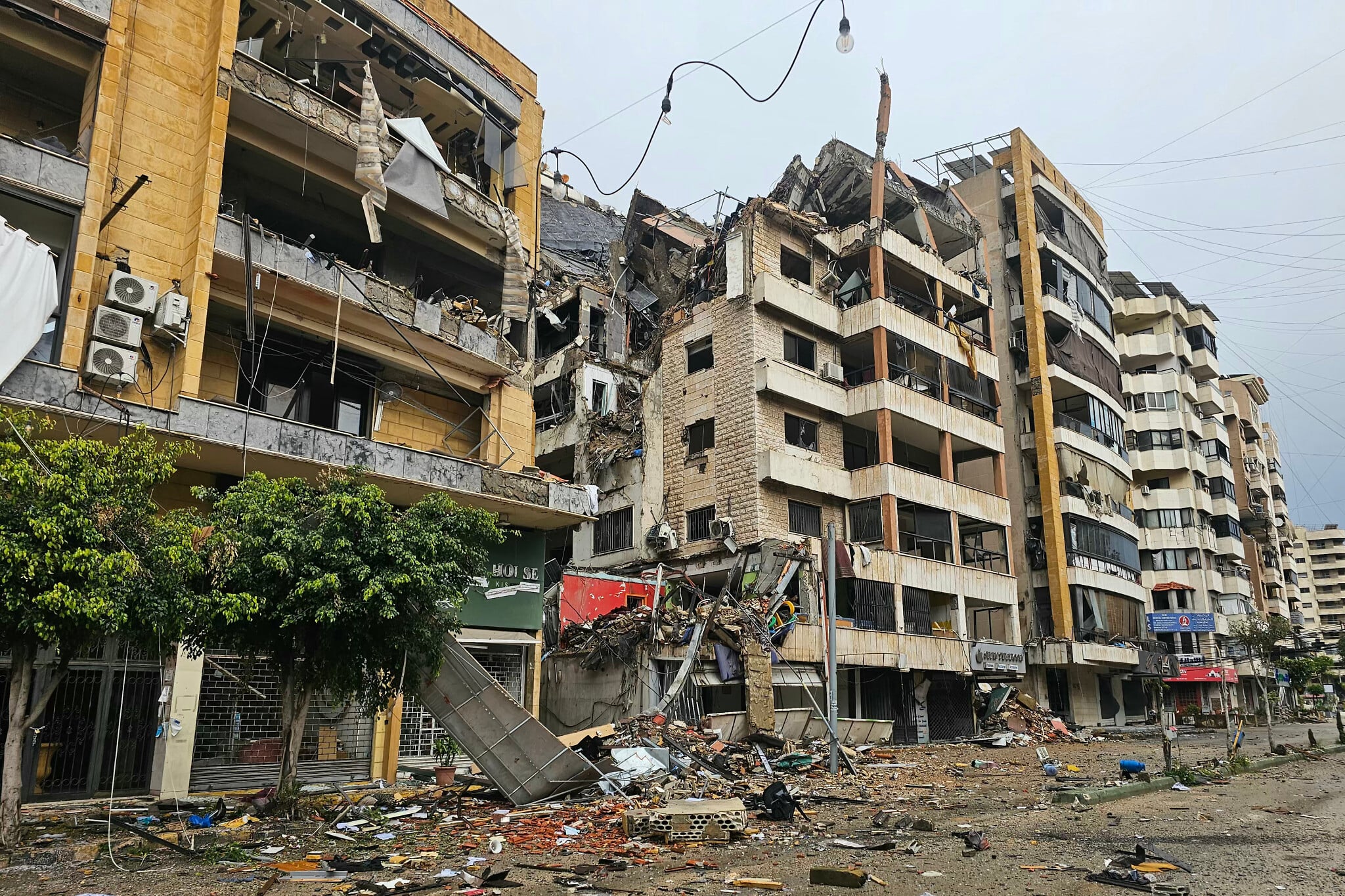
Israel has also been hitting Beirut, with the army saying it targeted Hezbollah command centers over the weekend. Those strikes came after the IDF reiterated an evacuation warning for the southern suburbs of the Lebanese capital, a stronghold for the Shiite terror group.
Around noon Sunday, the IDF announced it would bomb Qasmiya Bridge on the Litani River in southern Lebanon, to stymie Hezbollah’s efforts to transport its operatives and weapons to the region.
In a statement, the IDF said it planned to strike the bridge on Lebanon’s coastal highway “due to Hezbollah’s activities and the transfer of terror operatives to southern Lebanon under the cover of the civilian population.”
Footage later showed the moment the bridge, located on the coastal highway, was struck. Another similarly named river crossing in the area had been struck by the IDF last week.
WATCH: Israeli airstrike targets Qasmiyeh Bridge over the Litani River in southern Lebanon pic.twitter.com/h37Vdhd14F
— Faytuks Network (@FaytuksNetwork) March 22, 2026
Israel has conducted similar strikes in recent weeks, and Defense Minister Israel Katz said he and the prime minister instructed the army to immediately raze all bridges over the Litani River “to prevent the passage of Hezbollah terrorists and weapons southward.”
Katz also said he instructed the army to “accelerate the destruction of Lebanese homes in the line of contact villages, to thwart threats to Israeli communities, in accordance with the model of Beit Hanoun and Rafah.” He was referring to Israel’s razing of towns in the Gaza Strip during its ground offensive against Hamas.
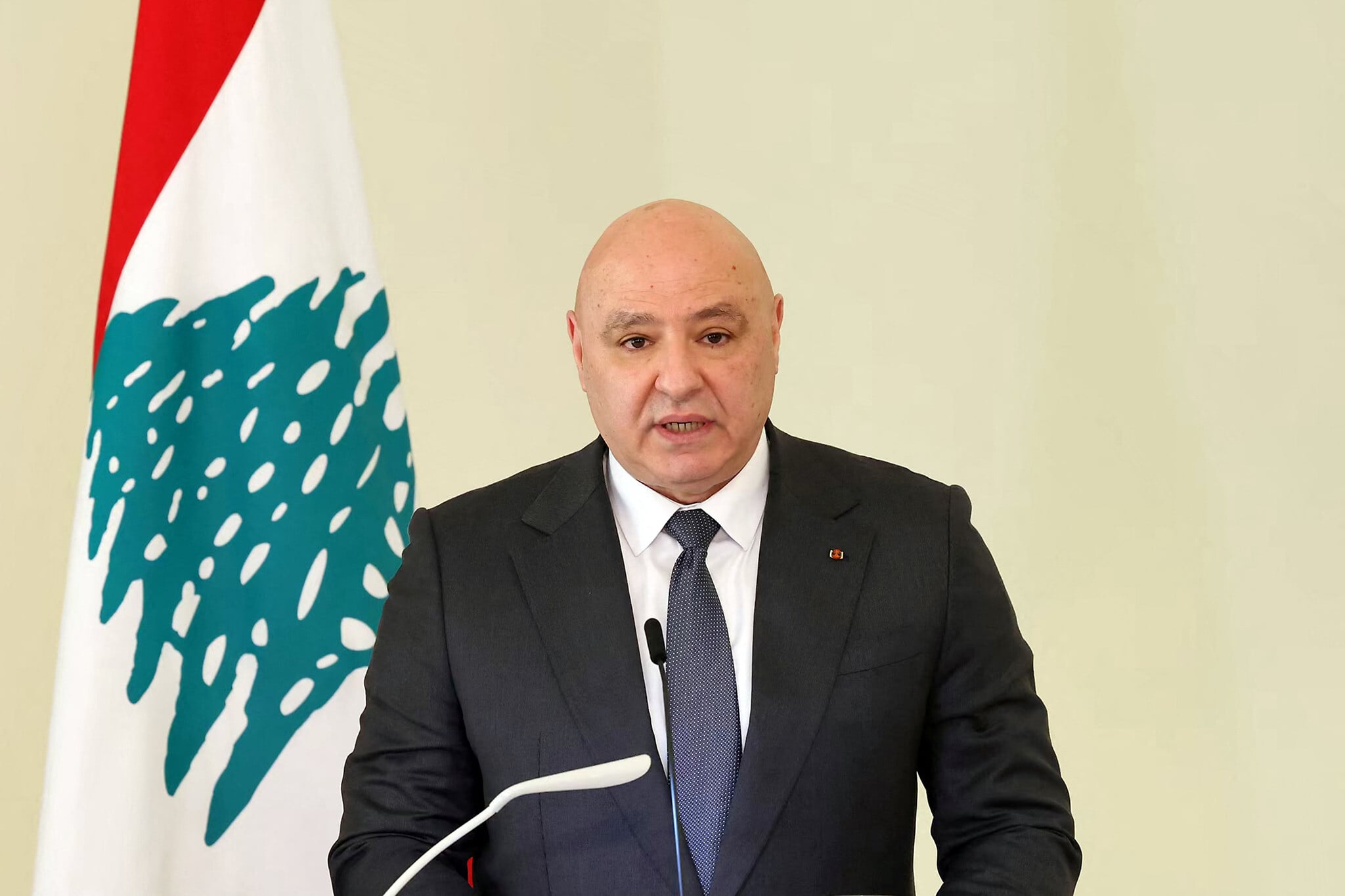
The continued fighting between Israeli and Hezbollah forces took place as the Lebanese president attempted to kickstart direct negotiations with Israel in a bid to end the conflict. Israel clarified that there are no talks planned.
Lebanon was pulled into the Middle East war when the Hezbollah terror group began firing rockets into Israel on March 2 in support of its sponsor Iran.
French President Emmanuel Macron, who spoke with Lebanese leaders last week, expressed hope on Thursday that Israel would agree to direct negotiations with Beirut, and offered to host talks in Paris.
Lebanon’s health ministry said that as of Saturday, Israeli attacks had killed over 1,000 people since the war began and displaced more than one million people. The death toll does not distinguish between combatants and civilians.
The IDF said Friday that it had killed over 570 Hezbollah operatives, including 220 members of the terror group’s elite Radwan Force, since hostilities escalated amid the war with Iran.
More than 2,000 Hezbollah targets in Lebanon have also been struck in the preceding three weeks, the army said, including 120 command centers, 100 weapon depots and 130 missile launchers.





The Times of Israel Community.