

Along the Syria and Lebanon borders, skeptical residents embrace peace, while it lasts
Although focused on rebuilding, both evacuated residents and those who stayed during the war maintain their vigilance, as terror groups daily seek to attack Israel
 Add ToI as a Preferred Source on Google
Reporter at The Times of Israel
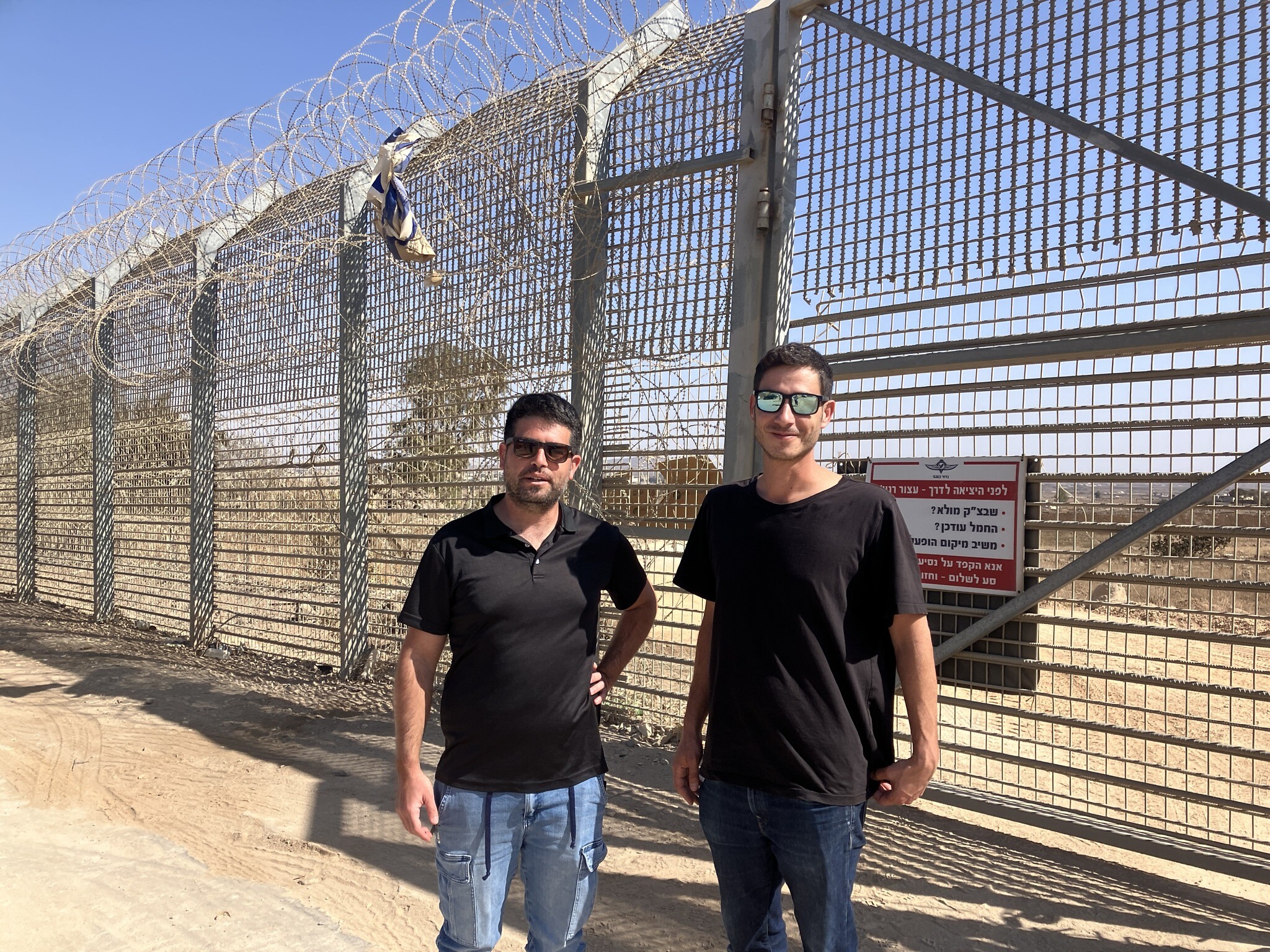
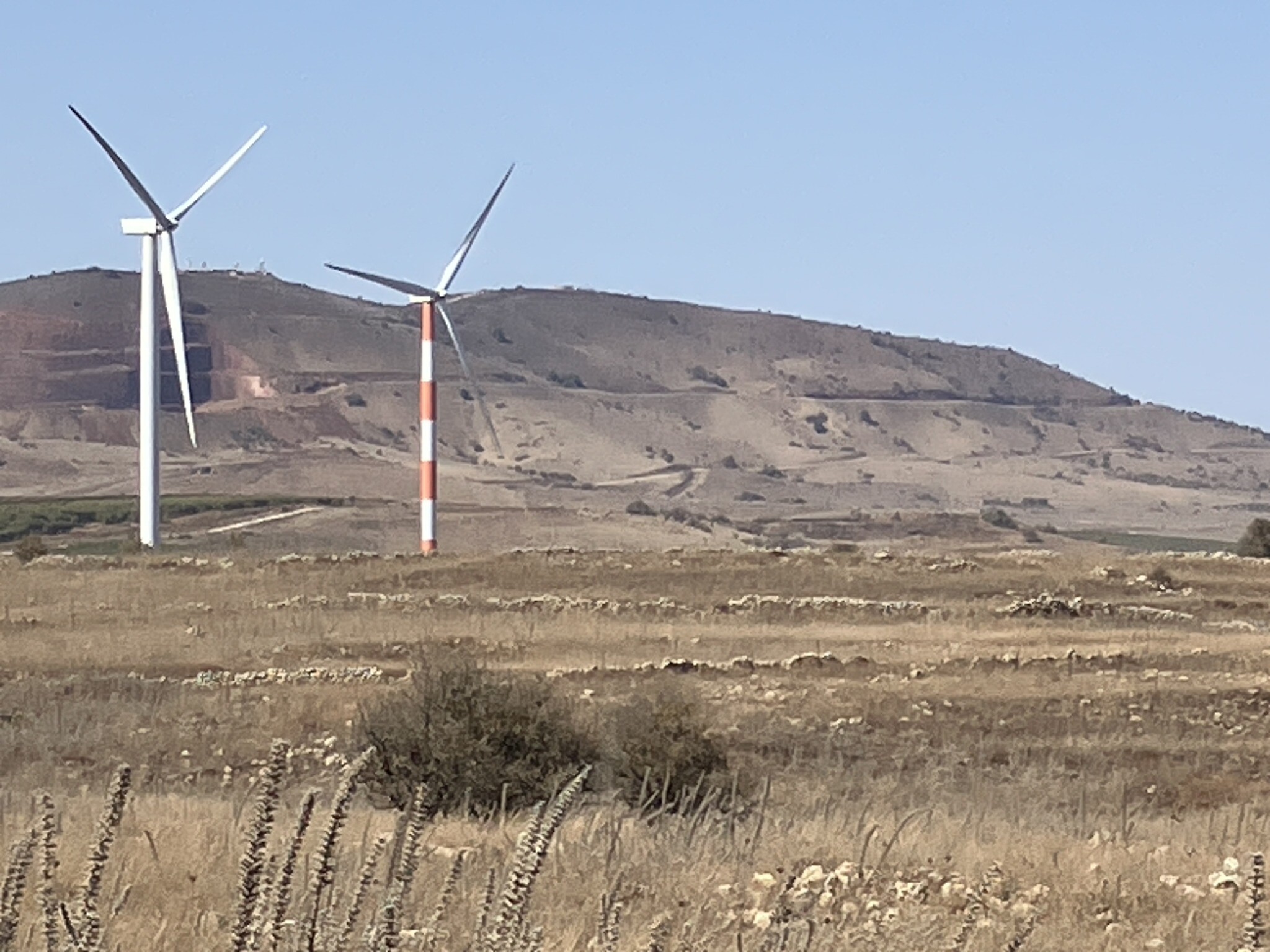
KIBBUTZ EL-ROM — The swath of land that once made up part of a closed military zone separating Israel and Syria in the Golan Heights is a desolate landscape full of rocks, grasses, and land mines.
Since the end of the 1973 Yom Kippur War and until recently, the Israeli side of the border had been restricted to the military, said Shimon Michael, head of the emergency response team of nearby Kibbutz El-Rom. He recently drove The Times of Israel to the border on a mild autumn day.
Dotted with apple orchards and wind turbines that rotated in the breeze, the bumpy dirt road continued through what is known as the Valley of Tears. There, 175 IDF tanks somehow managed to hold back 700 Syrian tanks, preventing them from breaking through the Israeli border during the Yom Kippur War in 1973.
Michael, 38, said that before the October 7, 2023, full-scale invasion of southern Israel, in which Hamas-led terrorists killed 1,200 people, mostly civilians, and saw 251 hostages abducted into the Gaza Strip, he lived with the illusion that the Syrian border “was the quietest border in Israel.”
“But the October 7 massacre changed the idea that nothing could happen to us,” Michael said.
On October 8, 2023, the day after the Hamas massacre, the Iran-backed Lebanese terror group Hezbollah began to launch near-daily missile and drone attacks from Lebanon, forcing the displacement of some 60,000 residents in northern Israel, until the November 27, 2024, ceasefire.
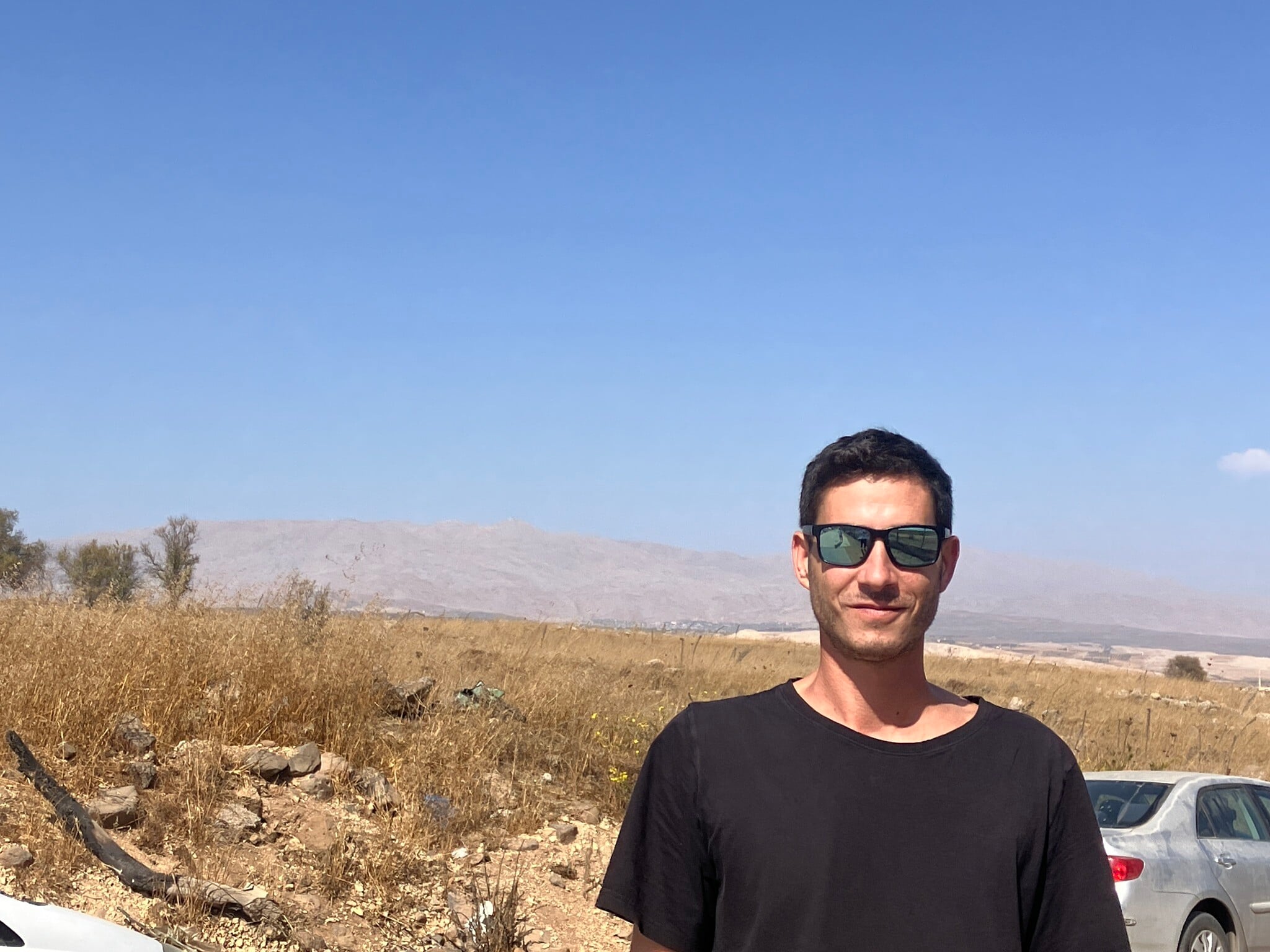
Although residents of the Golan Heights were not evacuated, “our mentality suddenly changed,” Michael said.
Before, as the manager of El-Rom’s boutique hotel, Michael concentrated on visitors’ events and planting gardens with specimen trees and lush flowers. After the start of the war, he headed the emergency response team, which became equipped and “ready to fight in 10 minutes.”
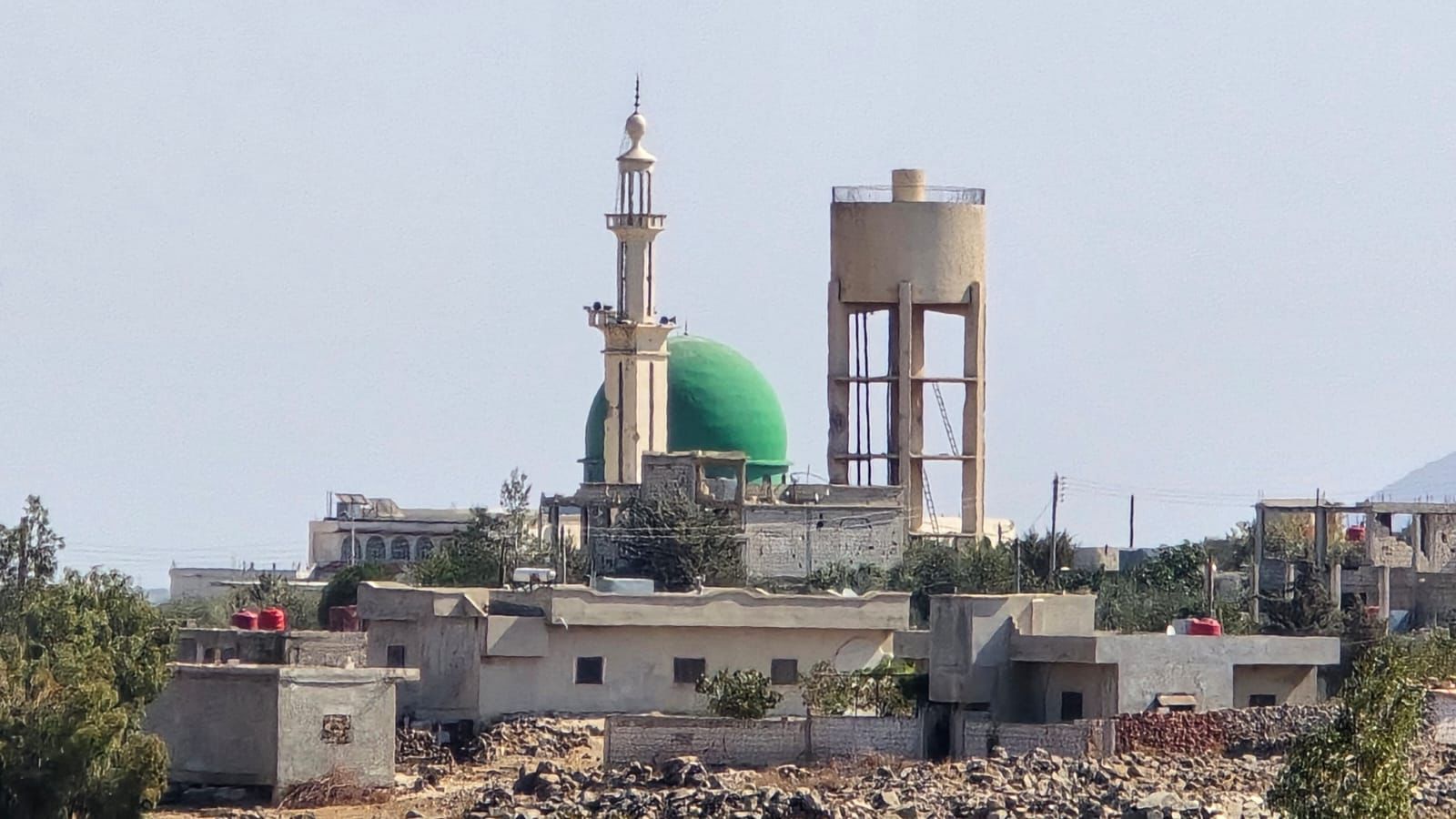
This drive marked the first time that he and another El-Rom emergency response team member, Gal Fitusi, traveled as far as the border fence along Syria. They stared at the nearby Syrian village of Al-Hamidiya.
The village is located inside the buffer zone between Israel and Syria. With the UN still present in the region, the IDF occupied the buffer zone upon the fall of the Bashar al-Assad regime in December 2024.
“In the weeks after al-Assad fell… it was the only time we were scared,” said Fitusi.
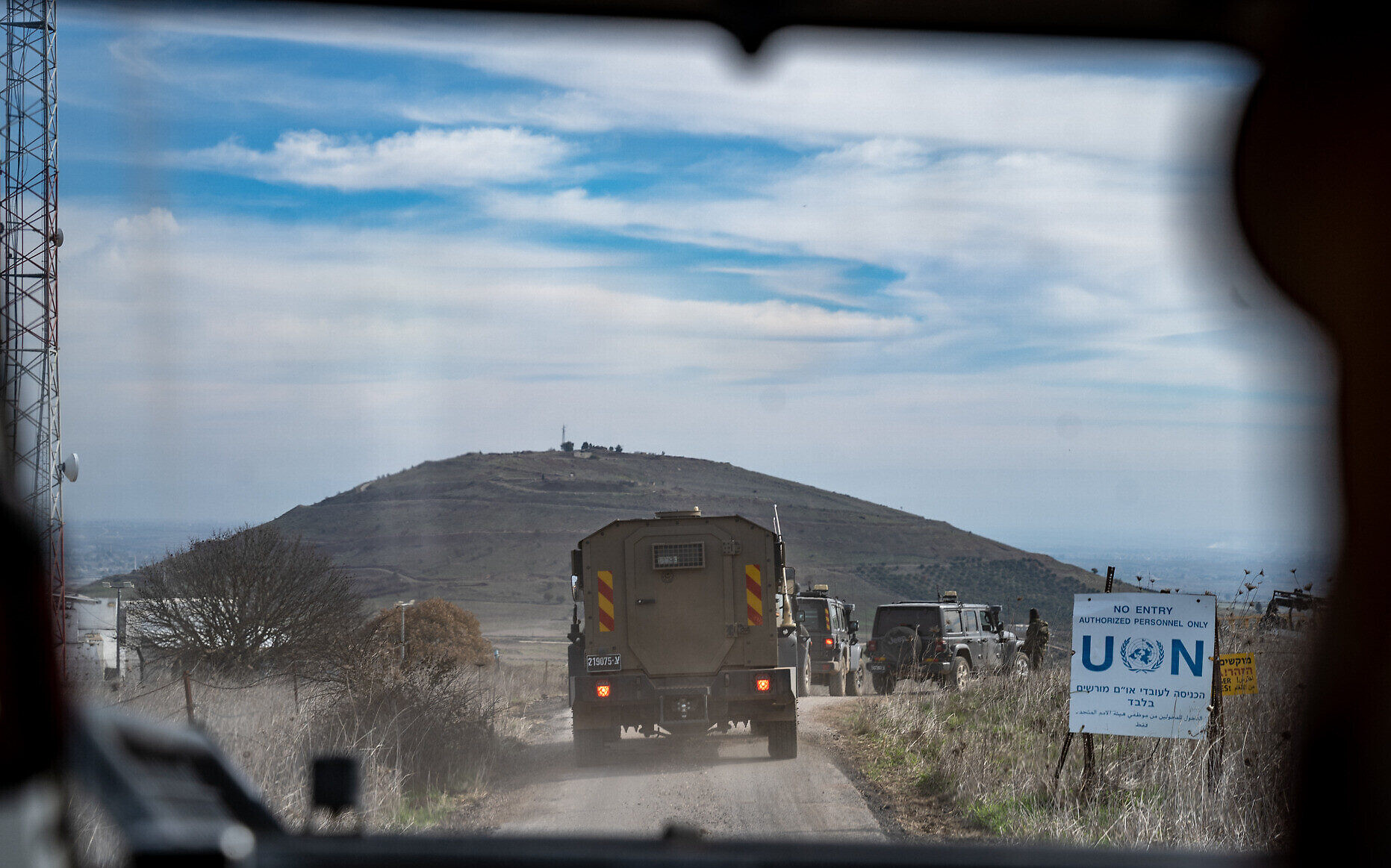
The IDF has been deployed to nine posts in the area since, and is operating in areas up to 15 kilometers (nine miles) deep into Syria.
The same day that The Times of Israel visited the area, troops detained suspects who were attempting to smuggle handguns, assault rifles, and magazines from Syria to Lebanon. It was the second foiled smuggling plot from Syria to Lebanon within a week.
“We’re not worried, but we’re ready,” Michael said. “The new buffer zone was created by the IDF to ensure that there is no ISIS on our border.”
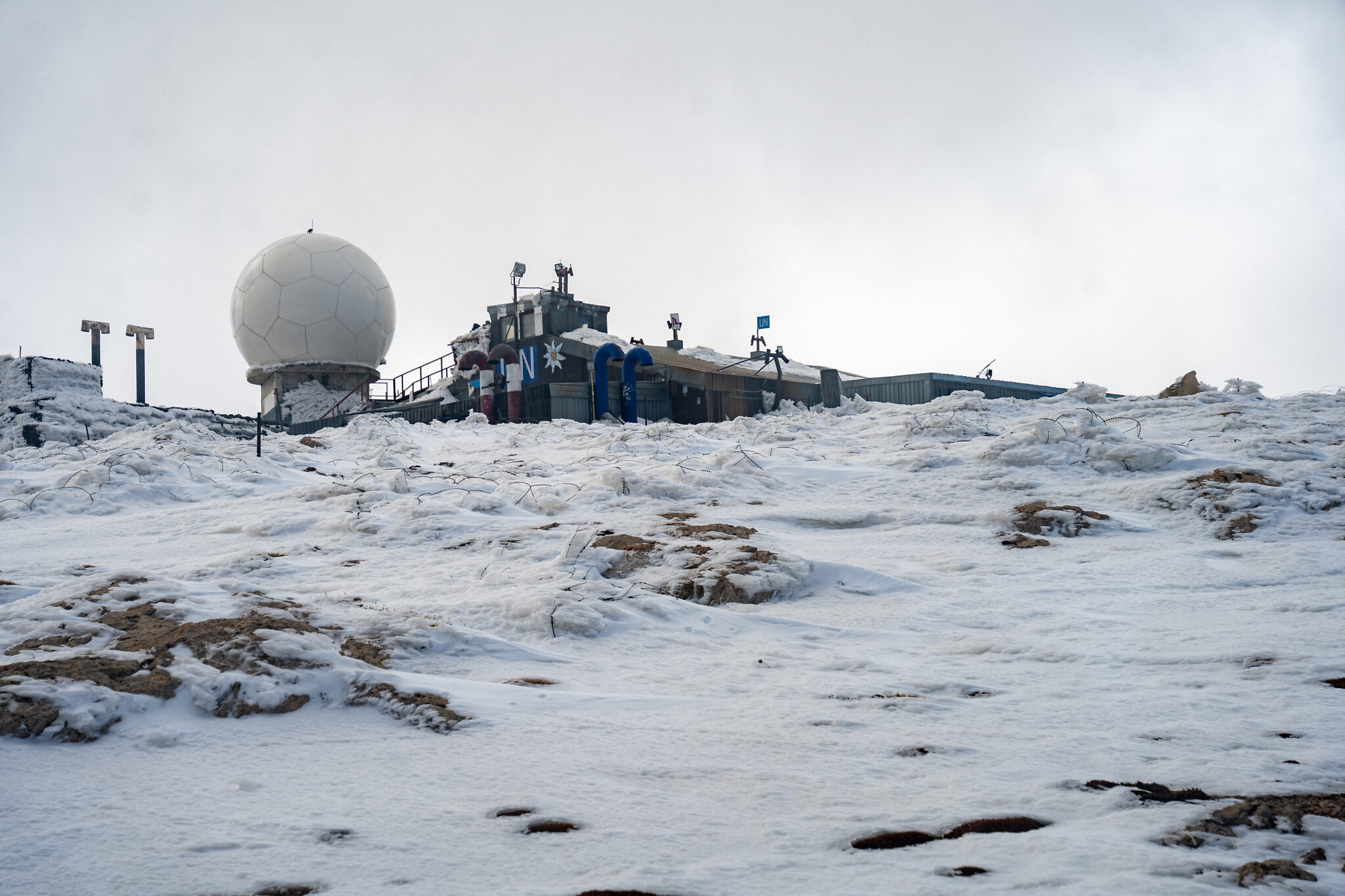
Learning lessons from 1973
Since 2010, Erez Boshy has lived on Kibbutz El-Rom, where he works at the visitor center. Although the town has only some 500 residents, the center has drawn thousands of visitors from around the world, including faraway places like China and Singapore, who come to see the Valley of Tears and watch a 20-minute movie about that fateful battle.
He said that since the Israel-Hezbollah ceasefire, visitors have started to visit the center again.
“What did we learn from the Yom Kippur War, 50 years and a day before the October 7 massacre?” Boshy asked rhetorically. “We learned nothing. Why do we still talk about it? Because we should never, ever forget it, and so we can prevent horrible things that may happen.”
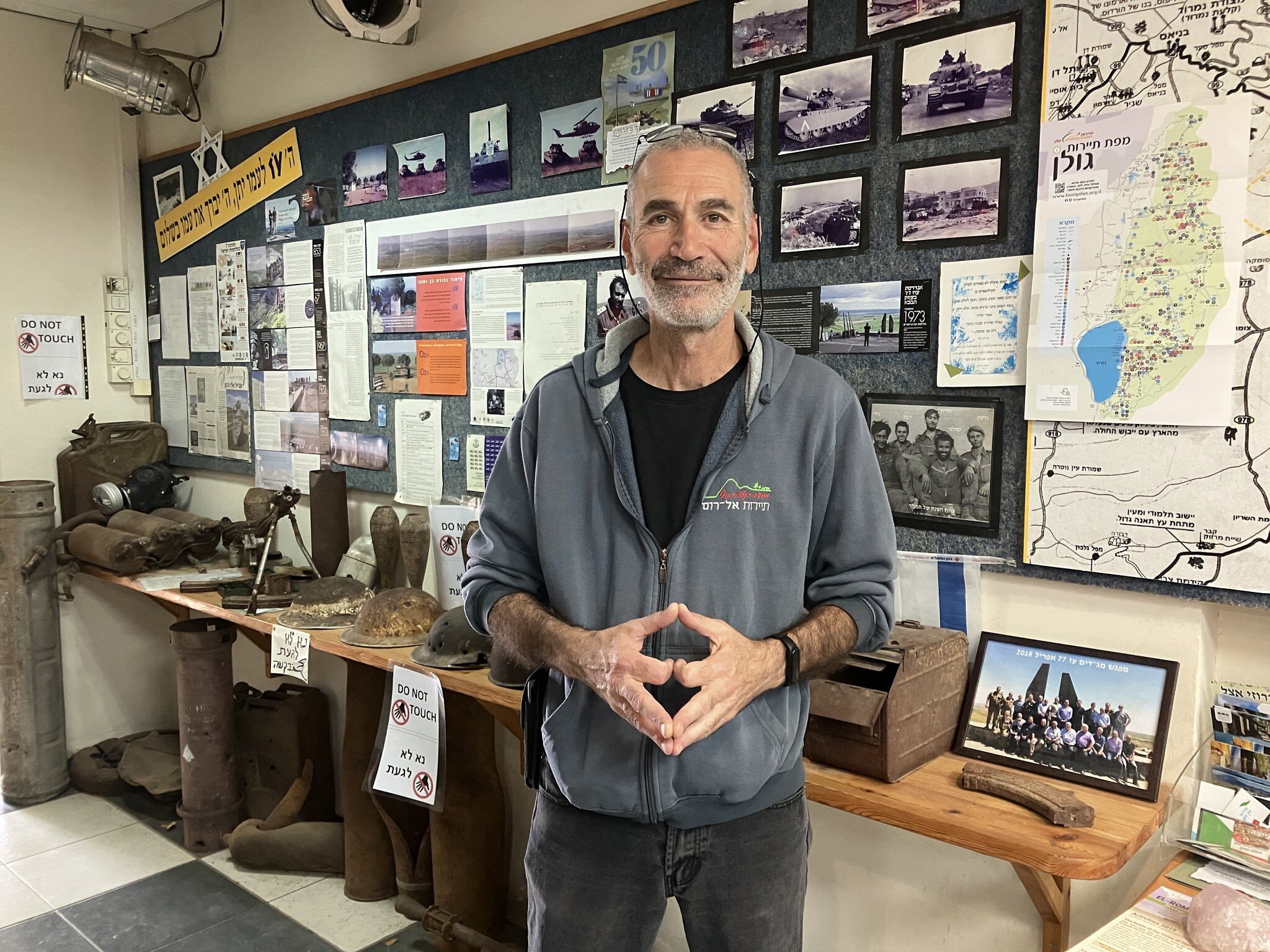
Major (res.) Avraham Levine told The Times of Israel by telephone that he just came back from surveilling on the road that stretches along Israel from the border with Syria to the border with Lebanon.
Levine, a Golan Heights resident, as well as media director and senior speaker at the Alma Research and Education Center, an independent nonprofit specializing in security challenges on Israel’s northern border, said Hezbollah is trying to “bring people back to villages in southern Lebanon along the Israeli border because that’s their human shield.”
In accord with the truce deal between Israel and Lebanon, the Lebanese army is tasked with dismantling all unauthorized military facilities and confiscating arms in the area near the Israeli border, moving north to the Litani River, located some 20 kilometers (12 miles) away.
However, the IDF continues to strike Hezbollah operatives in southern Lebanon when they say they “constitute a violation of the understandings between Israel and Lebanon.”
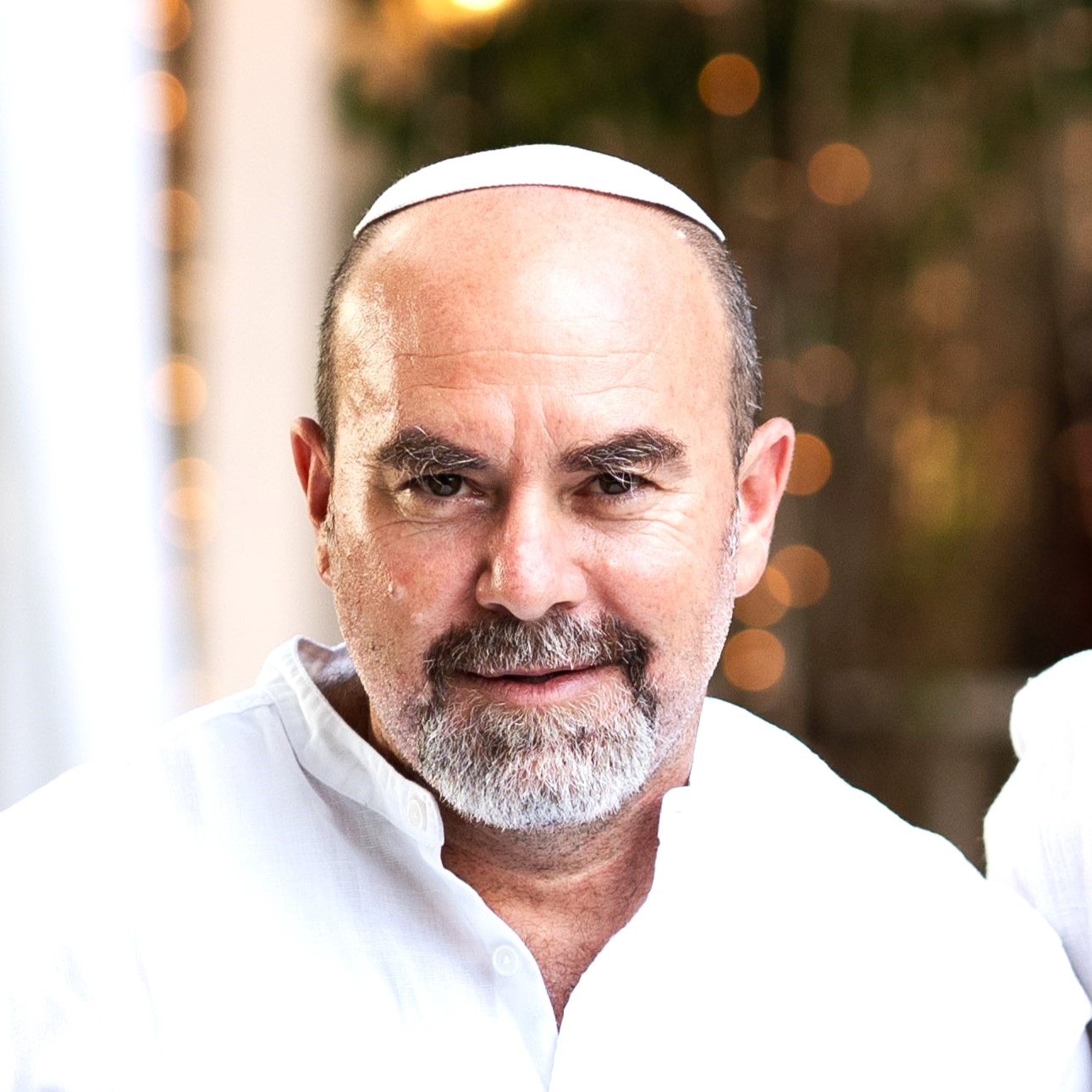
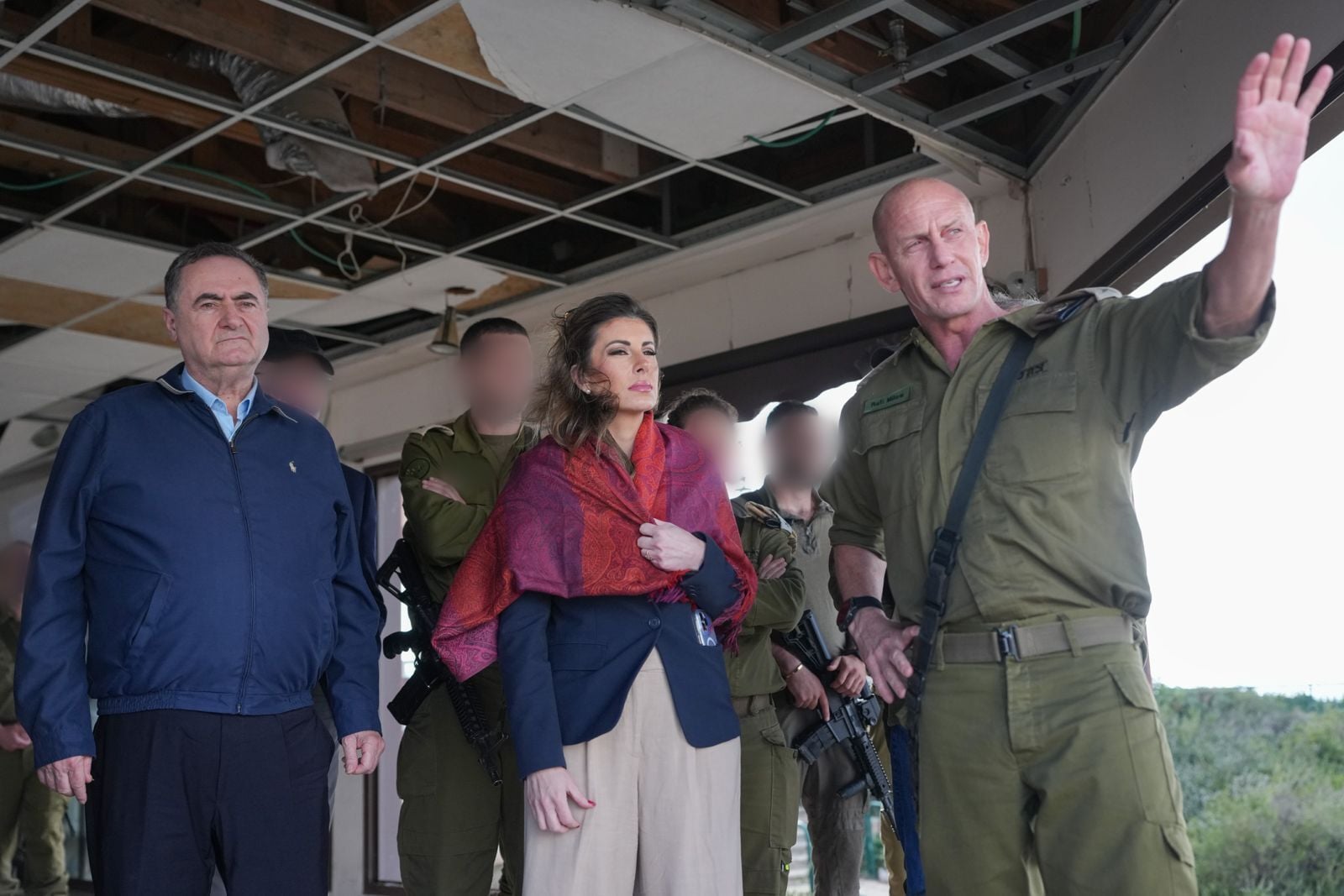
Last Wednesday, a platoon commander in the Hezbollah terror group’s elite Radwan Force was killed in an Israeli airstrike in southern Lebanon. The operative was involved in moving weapons around in Lebanon and advancing attacks against Israel. Also on Sunday, the IDF killed Abd a-Sayed, a commander of Hezbollah forces in the area, a few hours before Defense Minister Israel Katz and US Ambassador to Israel Mike Huckabee toured the Israel-Lebanese border.
“We’re not living in the illusion that we were in before October 7,” Levine said. “Nothing has changed completely except the fact that, right now, Hezbollah cannot implement plans to attack Israeli communities because they’re further back. It’s not that they stopped wanting to attack.”
‘I feel secure. I feel safe’
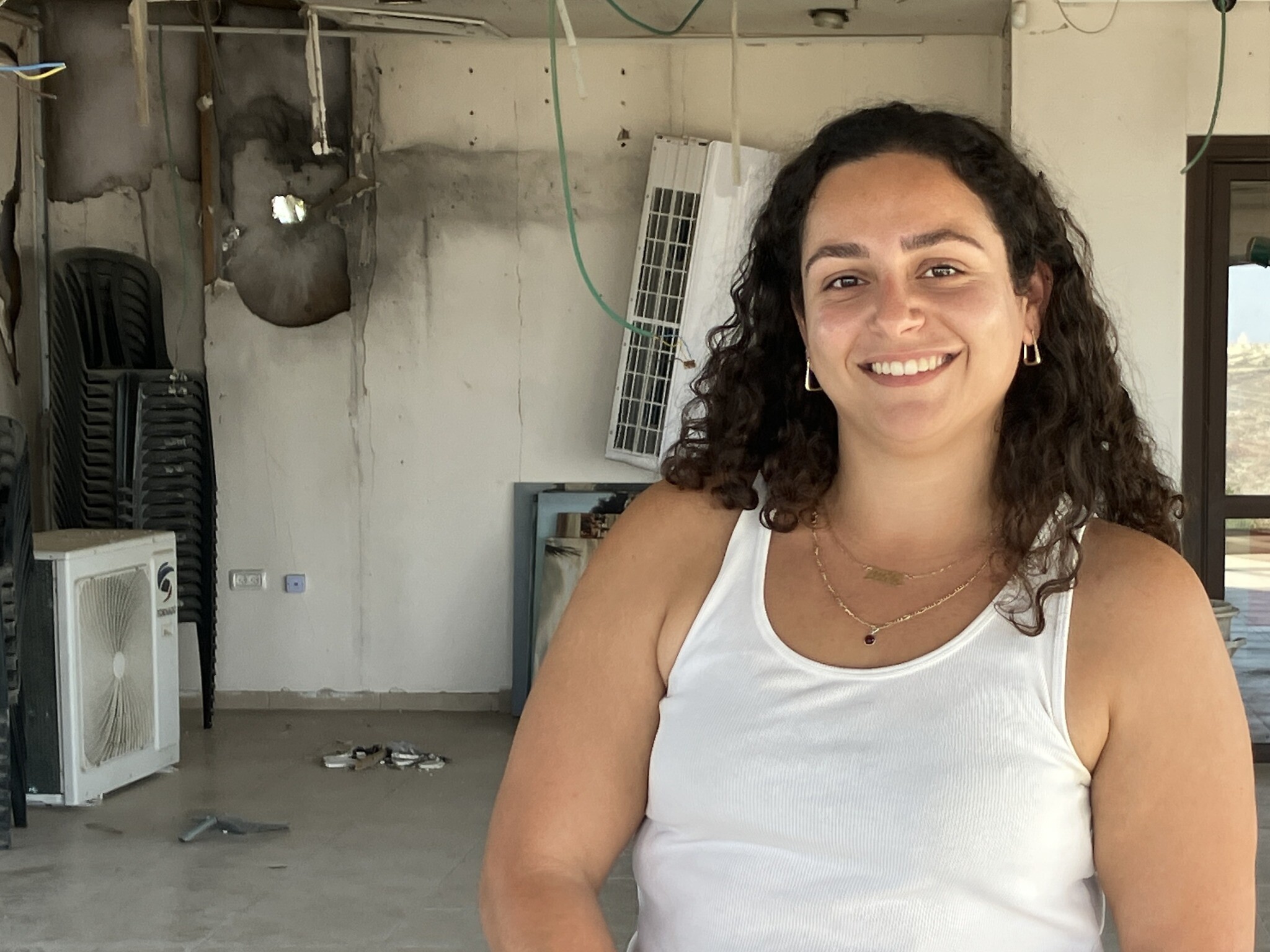
At the observation point in Kibbutz Misgav Am, located on the edge of the border with Lebanon, Amit Davidpur, a reserve soldier with the IDF who grew up on the kibbutz, spoke to The Times of Israel, as she stood among the wreckage caused by Hezbollah rocket fire during the early weeks of the conflict. She and her family were among the 160 kibbutz residents who were evacuated from the kibbutz during the fighting.
Since the ceasefire, all but two families have returned to the kibbutz. Six new families have also moved in.
“Before October 7, we lived in a dream,” Davidpur, 23, said. She had come to the observation point to explain the current situation to the many visitors from around the country who had arrived to tour the kibbutz. Aside from the observation point, only one other building in Misgav Am was damaged.
“The IDF has been doing its work,” she said. “I feel secure. I feel safe.”
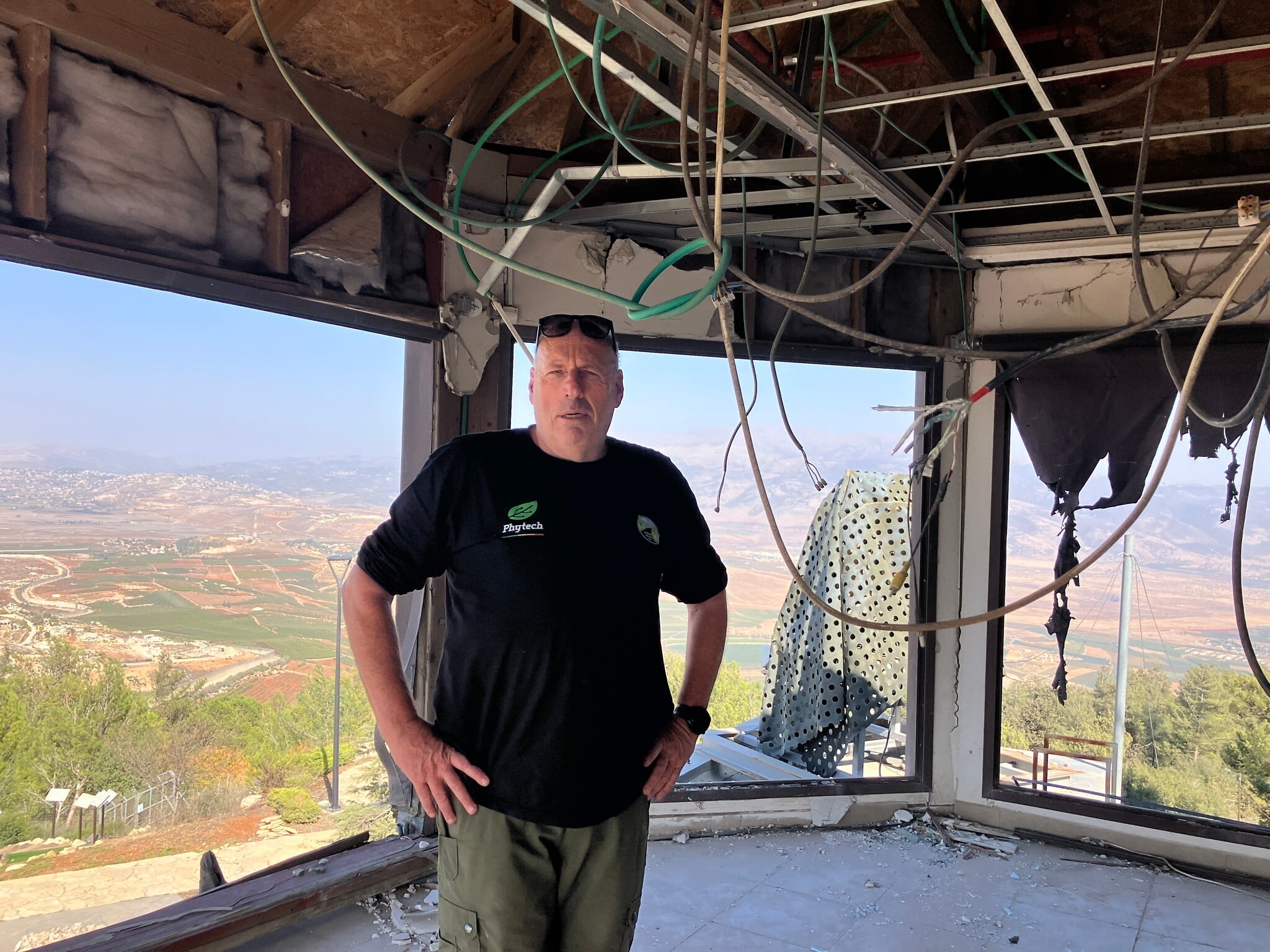
The Misgav Am spokesperson, Ofer Moskovitz, who also manages the kibbutz’s 400 dunams (100 acres) of avocado groves, was also in the observation center to speak to visitors. He said the center would be renovated in the coming year.
Before October 7, Moskovitz recounted, people would linger to gaze at the pastoral rolling hills of southern Lebanon.
When an IDF commander once visited the center, Moskovitz said that he remarked, “People see the beauty over there, but I see Iranians.”
Now, Moskovitz looked down at the Lebanese village of Odaisseh, a former Hezbollah stronghold that had been used to stage attacks against Israel.
“It was like a ghost village,” he said. “You never saw people. There was a school, but you never saw any children.”
When a truck now passed along the road leading away from the village, Moskovitz said, “They’re trying to come back, but the IDF doesn’t let them come close.”
As a farmer, Moskovitz said he was an optimist because he planted trees without knowing what the weather or conditions would be down the road. But when it came to a lasting peace, he said, he was not that hopeful.
“In 10 years, there will be another conflict,” he predicted.
At that moment, there was an alert on its phone from the IDF.
“On Thursday, October 23, at 1 p.m., there was an attack deep in Lebanon as part of the agreement to keep Hezbollah disarmed,” Moskovitz read out loud. “At this point, there is no change in the assessment of the security situation and no changes to civilian routines.”
Apparently reassured, Moskovitz put away his phone and continued the conversation.






The Times of Israel Community.