

Israel’s virus death toll rises to 43 with deaths of three more people
One of the victims is 5th person to die from assisted living facility in Beersheba; number of cases up to 7,589, with 98 on ventilators; 22-year-old still in very serious condition
 Add ToI as a Preferred Source on Google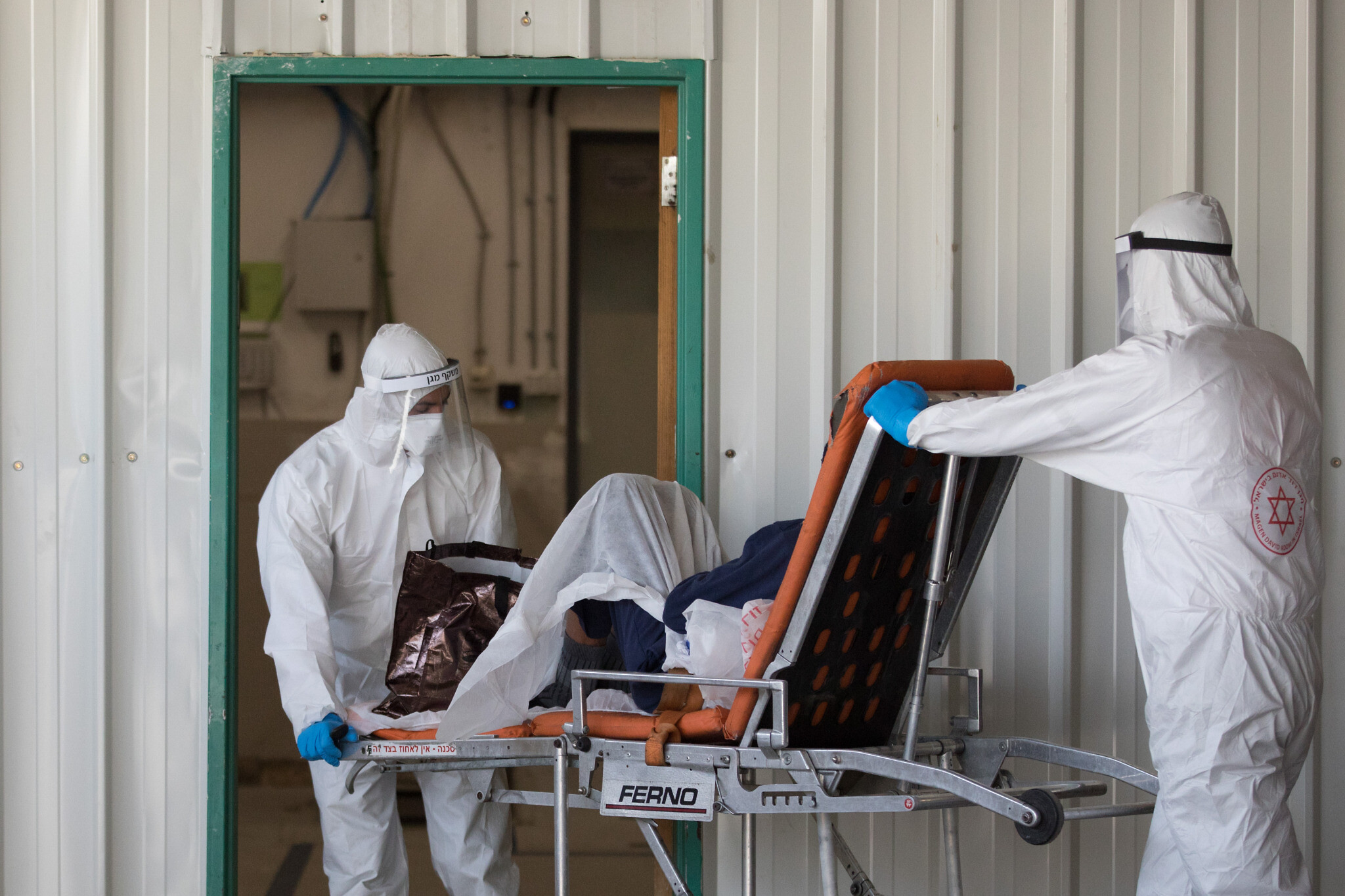
Israel’s death toll from coronavirus rose to 43 Saturday, with 7,589 people diagnosed with COVID-19.
Two women were reported to have died of the virus in the morning: an 88-year-old woman at Tel Aviv’s Ichilov Hospital and a 67-year-old woman at Beersheba’s Soroka Medical Center. A man, 76, died at Barzilai Medical Center in Ashkelon close to noon.
The 88-year-old woman was the fifth victim to come from the Mishan assisted living facility in the southern city of Beersheba.
She was later named as Holocaust survivor Dr. Nelia Kravitz, who worked as a physician at Soroka Medical Center for 20 years.

“It was not possible to contact the Mishan facility, and only later were we informed she was transferred to Soroka. We said goodbye to her over the telephone,” Kravitz’s son Micha told the Kan public broadcaster.
The Health Ministry said Saturday morning that 115 patients were in serious condition, with 98 on ventilators. At least 427 Israelis have recovered from the disease.
The condition of a 22-year-old patient, the youngest Israeli in serious condition, deteriorated Friday and he was placed on life support while his status was deemed very serious. Doctors at Ashdod’s Assuta Medical Center said Afik Swisa was not managing to properly supply oxygen to his tissues despite being connected to a ventilator, and he was transferred to Ichilov Hospital to be connected to an ECMO machine, which oxygenates the blood while bypassing the lungs and heart.
Ichilov’s director general Ronni Gamzu told Channel 12: “At the moment his situation is serious but stable… I hope we can continue to stabilize him.”
The young man had no preexisting medical issues when he was diagnosed with COVID-19, the disease caused by the new coronavirus.
On Friday four people — three men and one woman — died of the virus, all of them in their 70s.
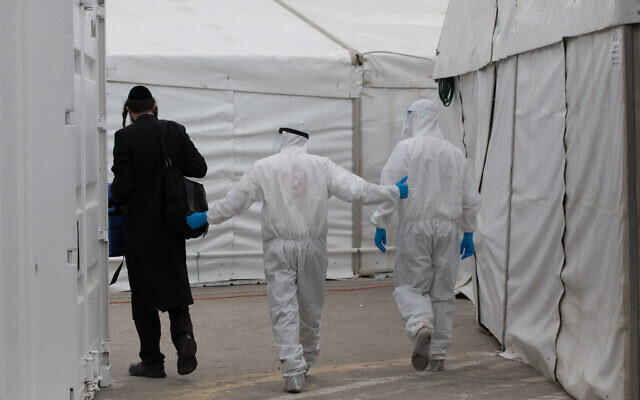
In figures released Friday morning, the ministry said the highest number of cases was recorded in Jerusalem (1,003), followed by the ultra-Orthodox city of Bnei Brak (966) and Tel Aviv-Jaffa (335). Bnei Brak, one-quarter the size of the capital by population, was closed off by police on Friday morning to stem the outbreak.
Thursday saw an additional 10 fatalities.
Among the tally of new cases on Thursday was Health Minister Yaakov Litzman, who tested positive along with his wife, Chava, according to a statement from his office early that morning. The diagnosis forced Prime Minister Benjamin Netanyahu and much of the country’s leadership into quarantine.
The death toll has more than doubled from 16 since Monday, and the number of people on ventilators or in serious condition has also nearly doubled in the last week.
Health Ministry director-general Moshe Bar Siman-Tov said this week that he expects there to eventually be “thousands of dead” in Israel, while another ministry official said Monday that authorities were preparing to have to put 5,000 people on ventilators.
Nearly one in seven confirmed coronavirus carriers is from Bnei Brak, which has emerged as a major hotspot in the outbreak, and which was declared a “restricted zone” and largely closed off from the rest of the country Friday.
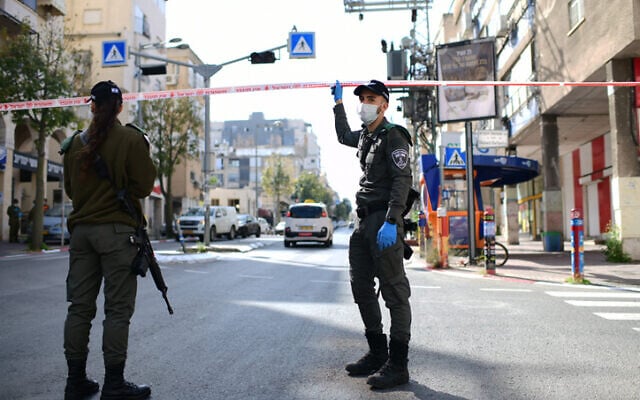
The Israeli military was preparing to remove some 4,500 people over the age of 80 from Bnei Brak, placing those residents most at risk from the coronavirus in state-run isolation hotels.
Meanwhile, Channel 12 reported Friday that despite Netanyahu instructing earlier this week that all arrivals from abroad be taken to state-managed quarantine, hundreds who had arrived ahead of the weekend were released to their homes to self-quarantine there, with many using taxis to get there.




The Times of Israel Community.