

AG tells court efforts to stop Ben Gvir from undermining police independence have failed
Filing to High Court accuses national security minister of continuing to interfere in investigations, appointments and operations, thereby violating April ruling
 Add ToI as a Preferred Source on Google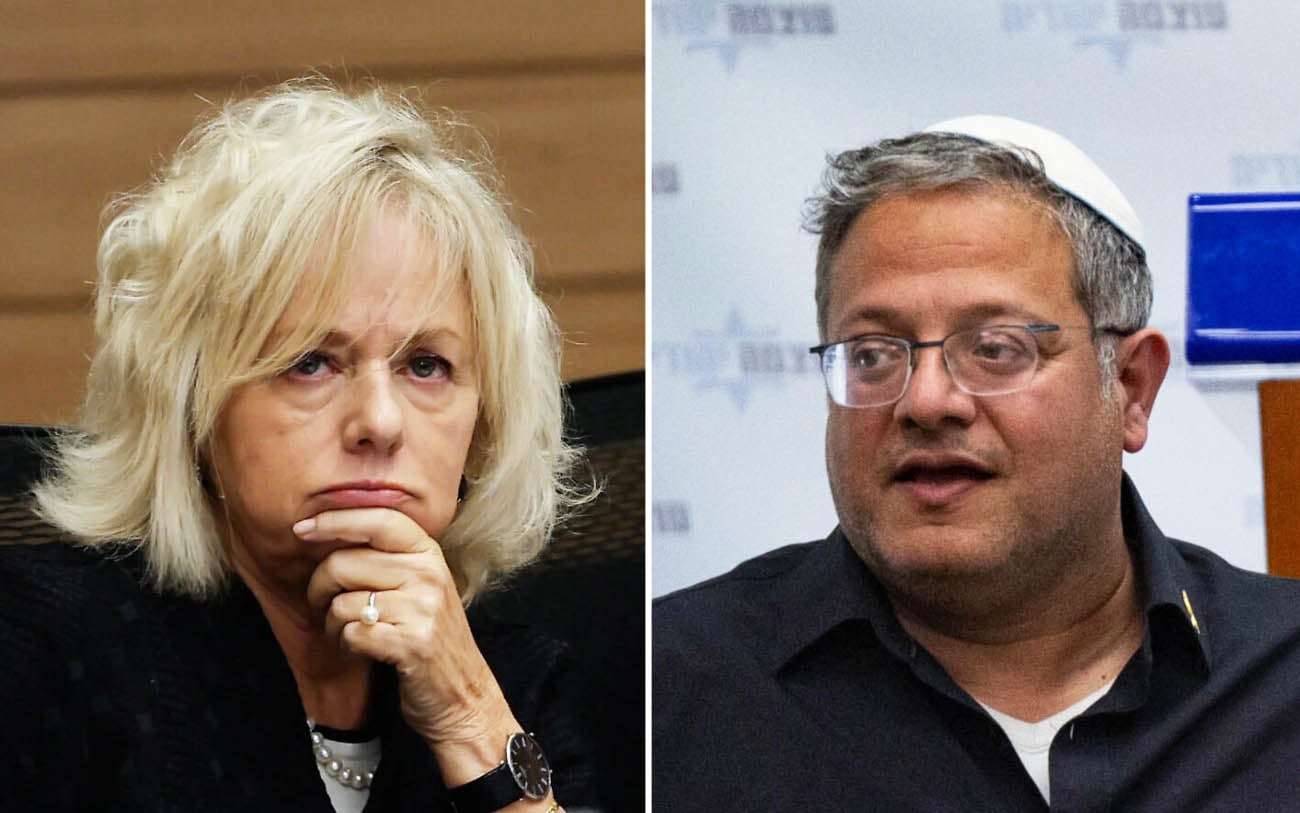
Attorney General Gali Baharav-Miara said Monday that legal efforts to prevent National Security Minister Itamar Ben Gvir from undermining police independence have failed.
The attorney general made her stark assessment in an update to the High Court of Justice regarding implementation of an April court decision. That ruling required Ben Gvir, who heads the ultra-nationalist Otzma Yehudit party, to abide by a set of principles designed to prevent his interference in police work.
Baharav-Miara said that Ben Gvir had refused to agree to the final version of the principles document, which, she argued, effectively amounted to “rejecting the principle of the apolitical [nature] of the police and the prohibition on political interference in the police’s use of force against Israeli citizens.”
Her submission came after the court’s April decision ordered her, Ben Gvir and Prime Minister Benjamin Netanyahu to reach an agreement aimed at preventing undue influence by the national security minister over police work.
Baharav-Miara said that since the court’s April decision, Ben Gvir had continued to violate its guiding principles, conduct she argued constituted a violation of the court order itself.
The attorney general highlighted public comments made by Ben Gvir alleging that an ongoing criminal investigation into a senior police officer was politically motivated; public comments about the police’s use of stun grenades during ultra-Orthodox protests; and ongoing intervention by the minister in police personnel appointments.
In her submission to the court, Baharav-Miara cited Ben Gvir’s recent comments on a probe by the Department of Internal Police Investigations into Avishai Muallem, a former senior police detective in the West Bank suspected of bribery, breach of trust and abuse of office.
In response, Ben Gvir dismissed Baharav-Miara’s claims, writing on X that she will “keep trying to bring down the right-wing government, and we’ll keep working — and, with God’s help, we’ll win!”
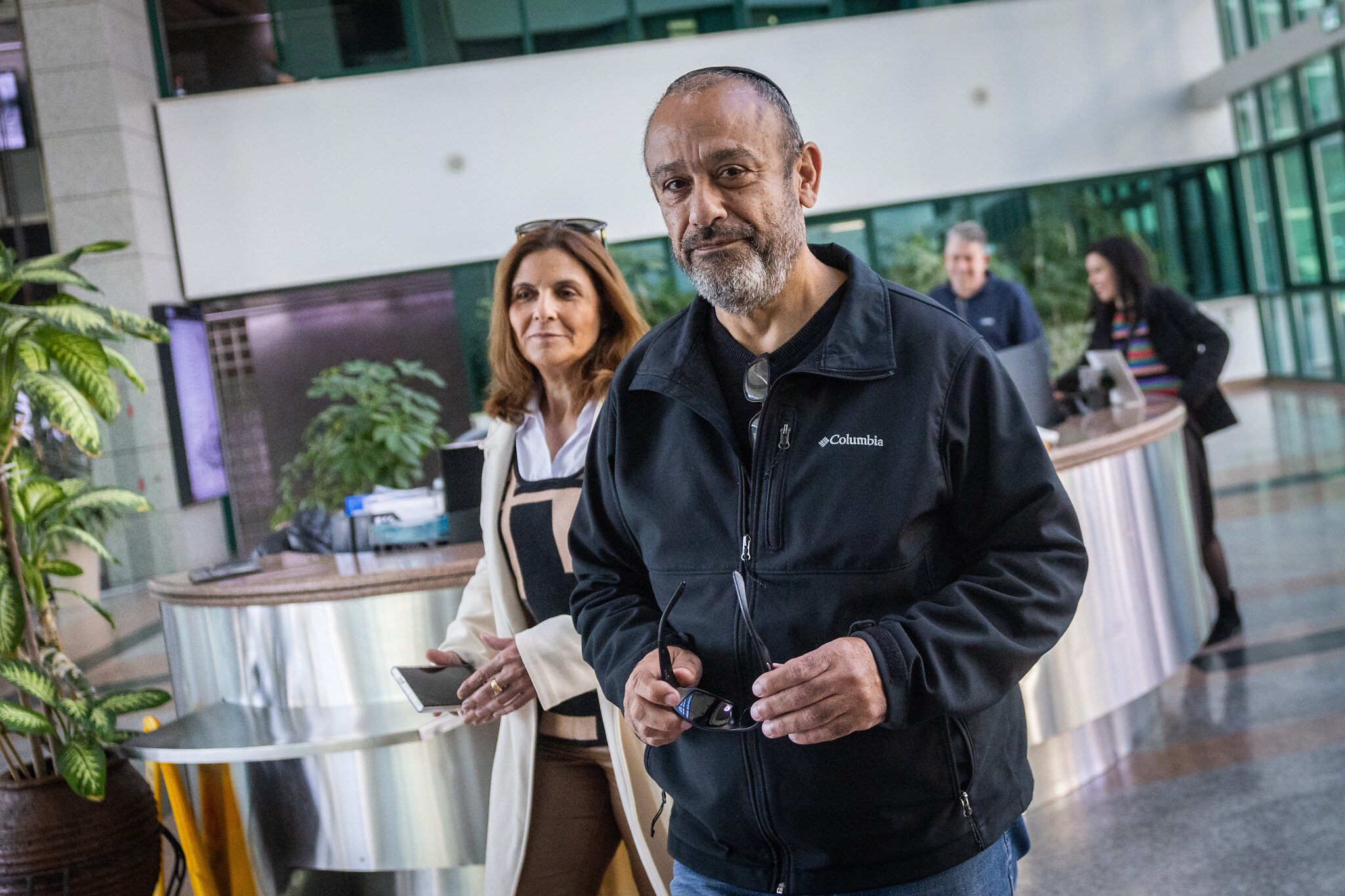
Ben Gvir wrote in a May X post that “Commander Avishai Muallem is an outstanding officer, a true fighter and a hero of Israel. In a proper country, someone who acts decisively for the security of Israel’s citizens would receive appreciation and a commendation — not persecution.”
He alleged that Muallem was being “persecuted by the deep state” because he was seeking to promote him.
Baharav-Miara also pointed to Ben Gvir’s defiant declaration on X shortly after the High Court issued its April decision that he would “continue to appoint [police officers] based on who implements [my] policy, as I have done up until this point, and if the attorney general interferes, we’ll blow up the negotiations.”
According to Baharav-Miara, “The overall picture that has emerged indicates that conduct undermining the independence of the police has continued throughout, and that attempts to stop it through various means have not succeeded.”
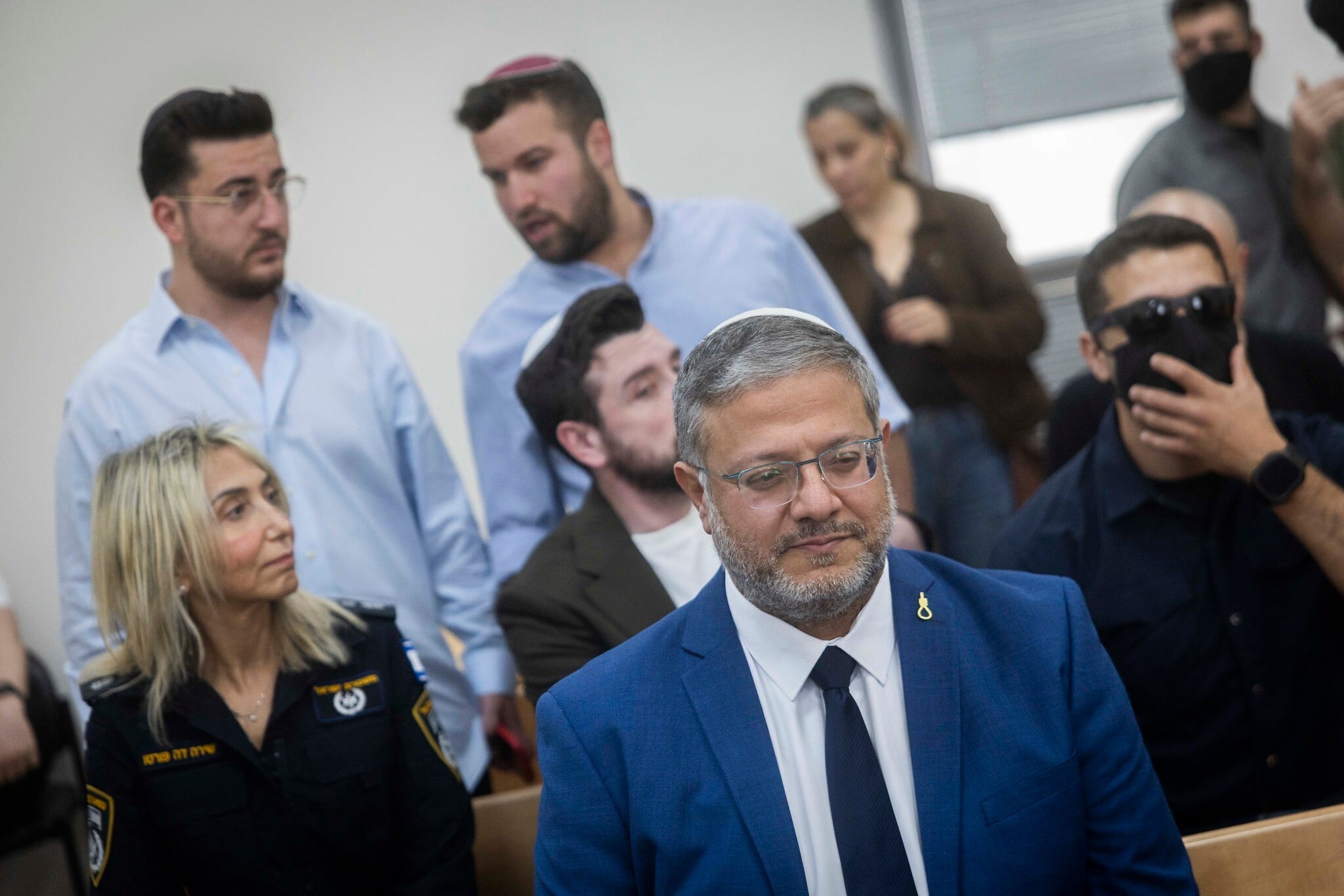
The court’s April ruling followed a lengthy hearing on petitions, backed by the attorney general, demanding Netanyahu be instructed to fire Ben Gvir over the minister’s repeated alleged violations of a commitment to Baharav-Miara that he would not meddle politically in police work.
A month later, the attorney general received a report submitted by the Zulat Institute for Equality and Human Rights warning of potential dangers to freedom of expression and freedom of protest in Israel’s upcoming election campaign.
Urging the formulation of new restrictions on the Israel Police that would prevent it from carrying out actions that could undermine the integrity, fairness, and freedom of the elections, the report alleged a recurring pattern of “improper operational intervention by National Security Minister Ben Gvir over the past three and a half years in enforcement and the use of force in cases involving demonstrations and incitement offenses.”








The Times of Israel Community.