

Report submitted to AG warns Ben Gvir may use police to meddle in upcoming election
Zulat Institute urges Baharav-Miara to issue guidelines limiting national security minister’s ability to intervene in police operations, warning of potential harm to integrity, freedom and fairness of campaign
 Add ToI as a Preferred Source on Google
Chief investigative reporter for Zman Israel, The Times of Israel's sister Hebrew website
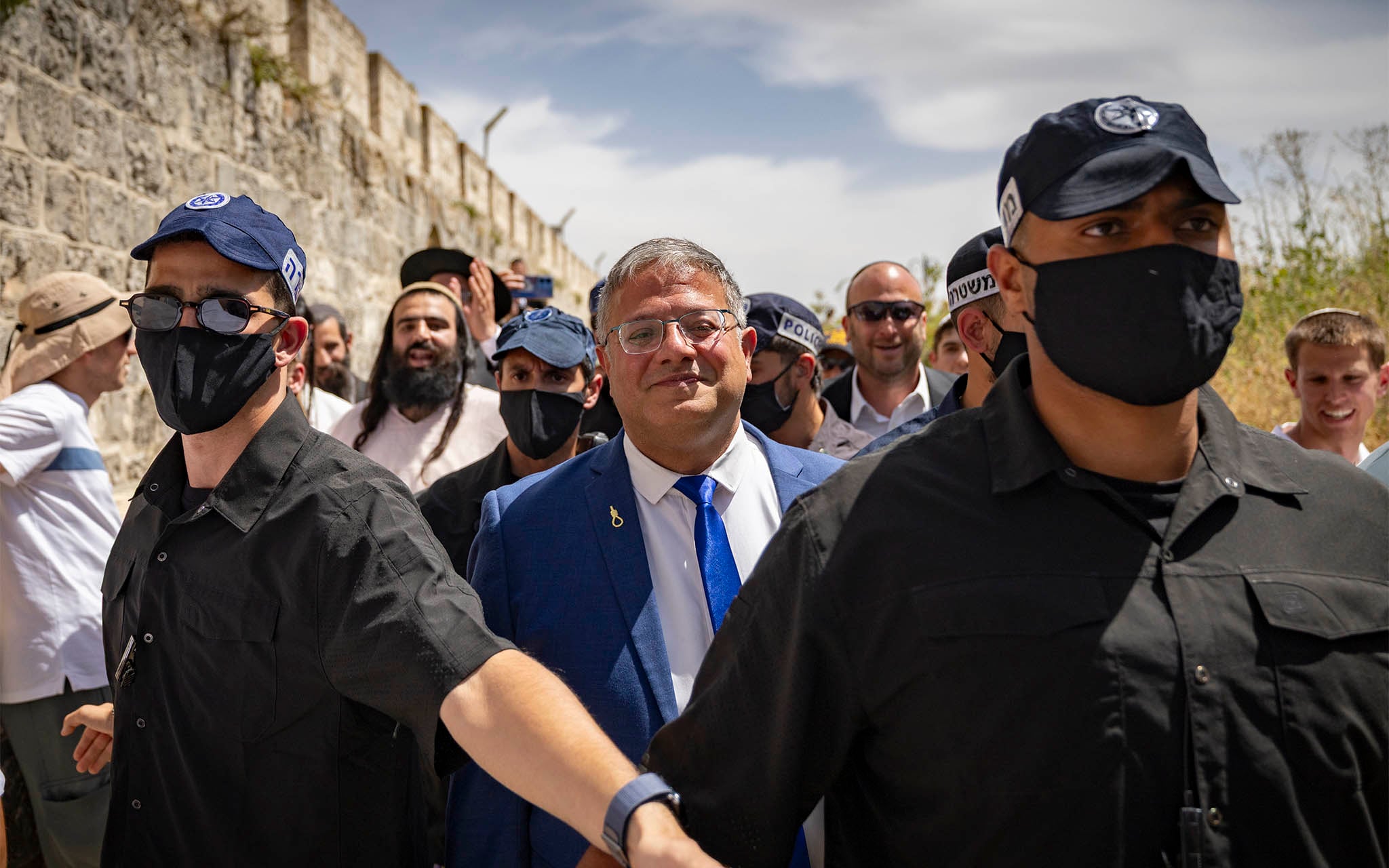
A report recently submitted to Attorney General Gali Baharav-Miara by the Zulat Institute for Equality and Human Rights points to potential dangers to freedom of expression and freedom of protest in Israel’s approaching election campaign.
The report called for the urgent formulation of new restrictions on the Israel Police, which is controlled by far-right National Security Minister Itamar Ben Gvir, that would prevent it from carrying out actions that could undermine the integrity, fairness, and freedom of the elections.
The report, written by Zulat CEO Einat Ovadia and attorney Eitay Mack, alleges a recurring pattern of “improper operational intervention by National Security Minister Ben Gvir over the past three and a half years in enforcement and the use of force in cases involving demonstrations and incitement offenses.”
The report’s authors argue that during a short and focused election period — whether triggered early or held at the statutory end of the government’s term — those potentially harmed by instances of police overreach will find it difficult to petition the courts for relief.
Therefore, “the existing guidelines in case law, as well as those of the attorney general and the state attorney, are not sufficient, and in light of the approaching election period, there is an essential and urgent need to establish a special directive that will strengthen protections for freedoms of expression and protest, and anchor mechanisms for legal oversight and supervision of police conduct,” the report said.
Baseless arrests
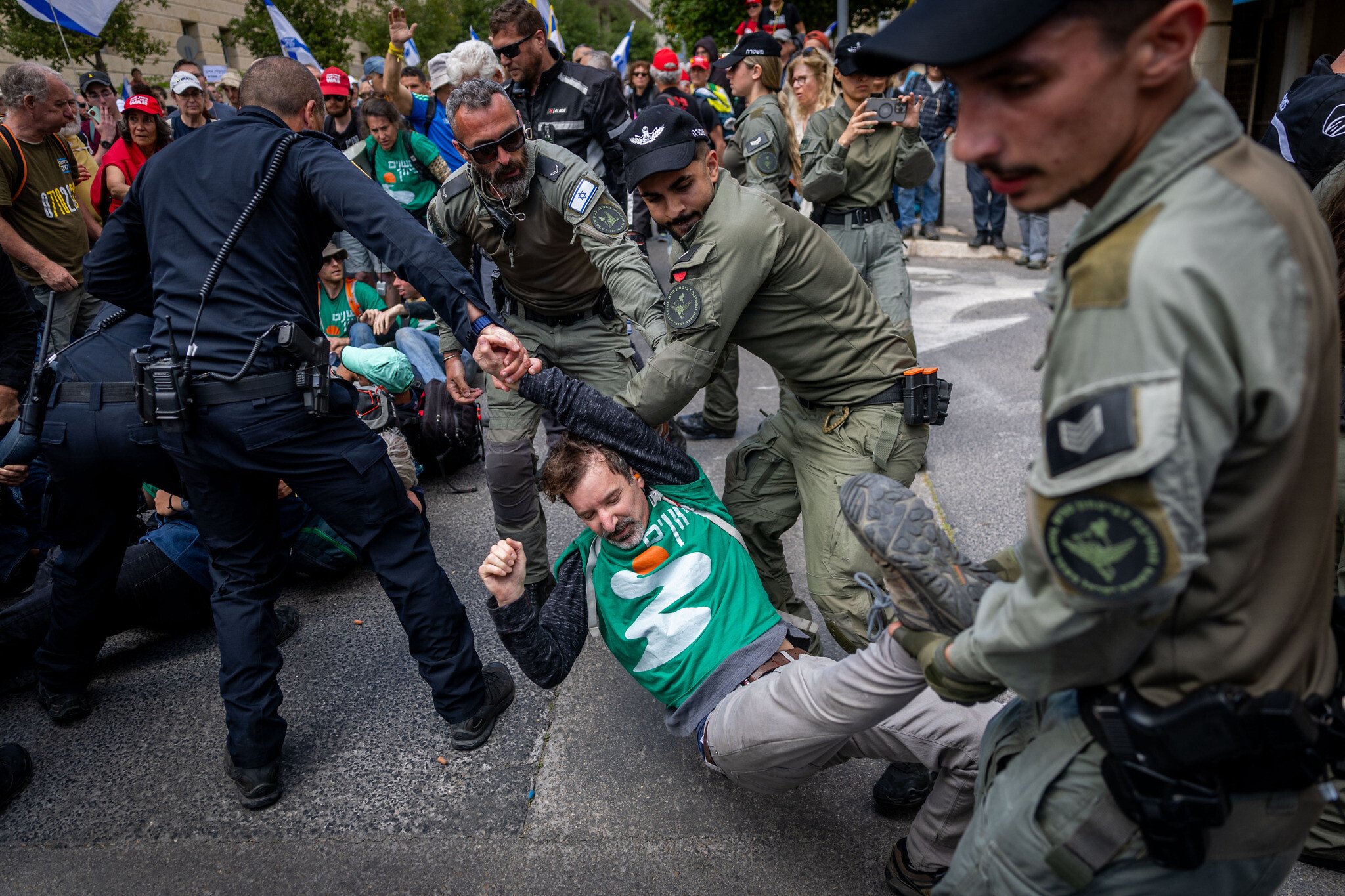
In calling for active measures by Baharav-Miara, the report cited examples from recent years in which Ben Gvir and the police “exploited the fragile legal patchwork and the state of war, and tried to restrict and even completely prevent political rivals and citizens who oppose their policies, and especially the Arab minority, from exercising their freedoms of expression and protest.”
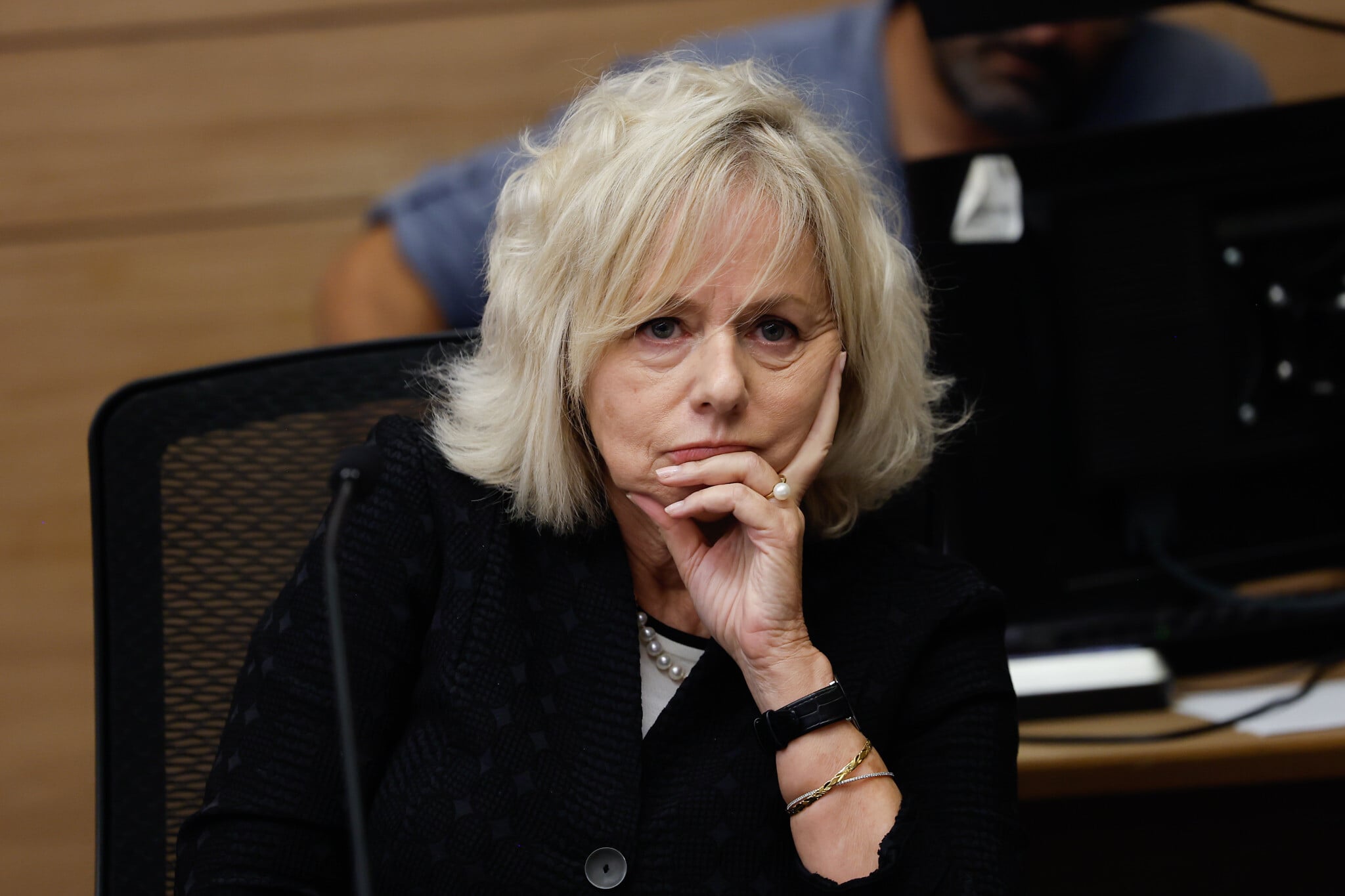
Baharav-Miara is already at loggerheads with Ben Gvir and has been demanding that Prime Minister Benjamin Netanyahu fire the far-right minister over his repeated alleged violations of his commitment that he would not meddle politically in police work.
Among the cases detailed by the Zulat Institute — a liberal think tank founded by former Meretz party leader Zehava Galon — are examples Baharav-Miara cited in her response to High Court of Justice petitions regarding an amendment to the Police Ordinance — controversial late-2022 legislation that granted Ben Gvir unprecedented, direct authority over police policy.
In that framework, “the national security minister repeatedly tried to restrict and even absolutely prevent the opposition from exercising its freedoms of expression and protest,” the report said.
Additional examples cited in the report include the “massive and unlawful” use of force against anti-government protesters, the thwarting of Police Internal Investigations Department probes against violent officers, and a ban on flying Palestinian flags that was manifested in a change in enforcement policy.
The report also highlighted a police raid on the Nazareth offices of the Arab-majority Hadash political party and Maki (the Israeli Communist Party), the arrest of senior party officials two years ago, and a raid on a Hadash youth club in the city of Umm al-Fahm and the confiscation of Palestinian flags there.
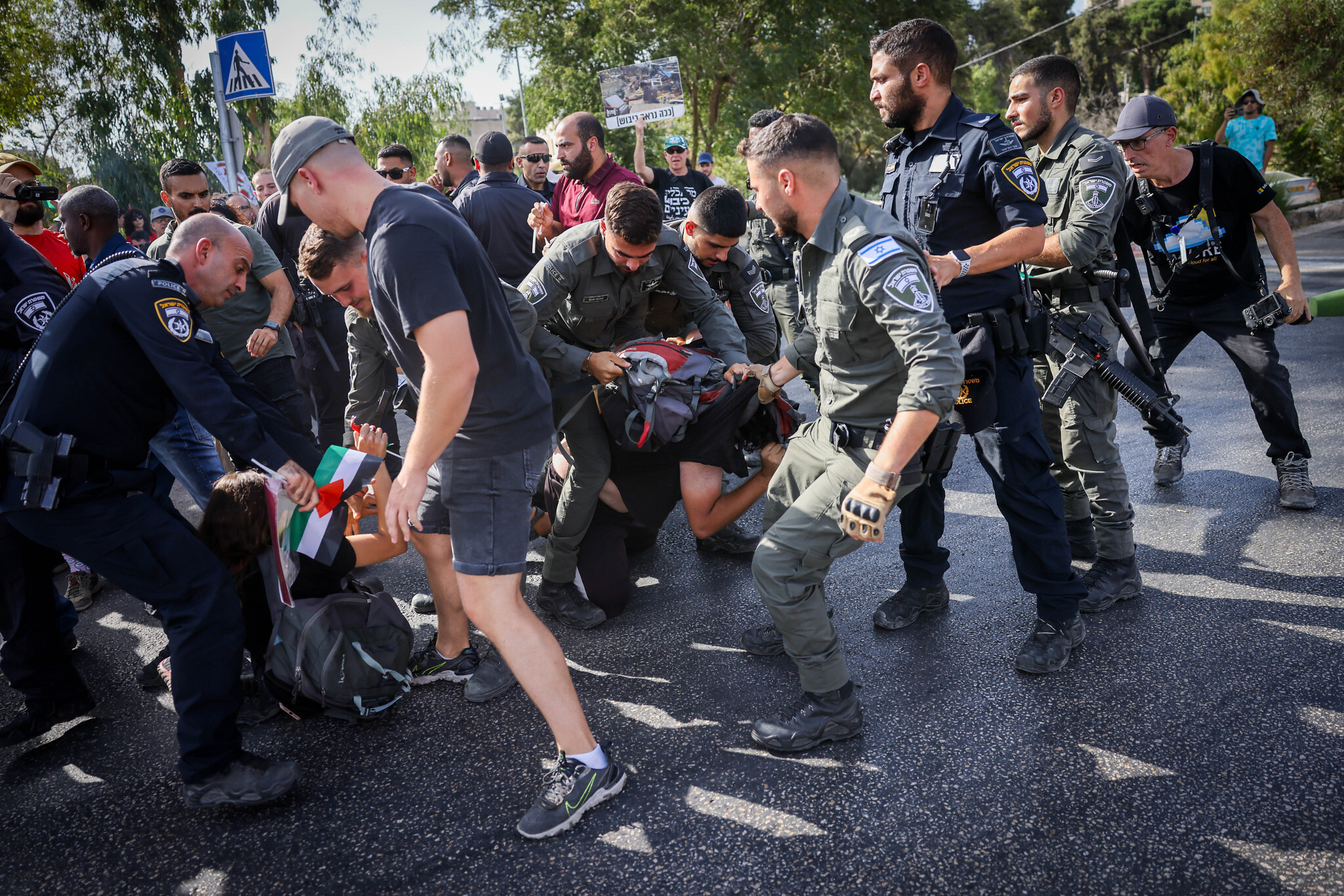
The report also argued that the new political policy was trickling down through the police command. For example, it cited a remark by former police commissioner Kobi Shabtai: “Anyone who wants to be a citizen of Israel, you’re welcome here. Anyone who wants to identify with Gaza – I’ll put him on buses that are evacuating people there right now.”
The report noted that this statement runs counter to the spirit of case law and the guidelines of legal advisory authorities, under which the police may not prevent the display of signs expressing critical or defiant content.
The report further listed a series of cases in which Ben Gvir openly intervened in the enforcement of incitement offenses.
In February 2023, Netanyahu announced that he had agreed with Ben Gvir on the establishment of a special taskforce to combat Palestinian incitement, and a year later, the police announced that the team had handled 1,010 inciting posts.
At the beginning of 2026, Ben Gvir appointed an officer to head an “incitement offenses department,” which would bypass the approvals required from Justice Ministry officials and legal advisers.
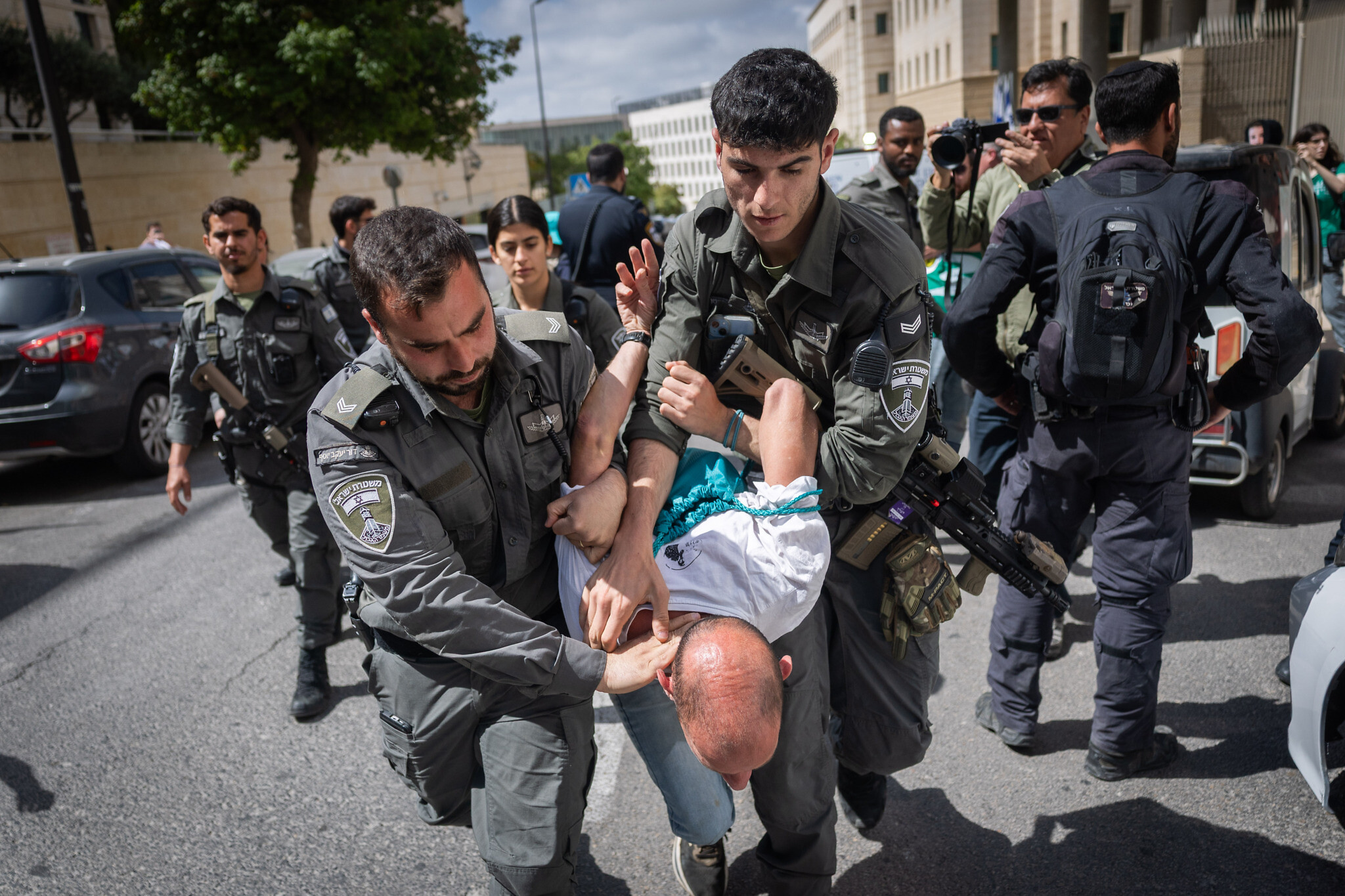
The report states: “The department is intended to monitor online statements by ‘police targets,’ which could include protesters, protest leaders, and political activists. Although, following an interim order issued by the High Court of Justice, the police commissioner announced that he would freeze the section’s activity, the minister’s message to the police officers is clear.”
The report’s authors warned of a situation in which Ben Gvir, and the police under his de facto command, could exploit the short and intense Knesset election period for the purpose of “over-enforcement or under-enforcement by the police according to political interests.”
“They will carry out over-enforcement and use disproportionate force against groups or individuals on the basis of their political, national, or ethnic affiliation, and, on the other hand, refrain from enforcing the law against groups or individuals because of their political or ideological affiliation and their proximity to the minister or the government,” the report says.
In such a situation, the authors warned, it will not be possible to petition the court and obtain appropriate and swift relief, since “the friction between the police and the citizen is frequent and ongoing, and requires the existence of a clear and defined legal arrangement.”
Therefore, the authors proposed establishing, among other things, the following new arrangements:
- Requiring the police commissioner to report every instance of interference by Ben Gvir or figures acting on his behalf in the approval of demonstrations, law enforcement, and the use of force during them, as well as in the police’s handling of incitement offenses
- Requiring approval from the head of the police prosecution division before launching an investigation into protest-related offenses
- Requiring approval from a senior official in the State Attorney’s Office before opening an investigation into incitement offenses
- Requiring legal approval before imposing restrictive conditions that infringe on freedom of expression and freedom of protest
- Mandating that restrictions on holding demonstrations be imposed only with the approval of a senior legal echelon and the Attorney General’s Office
These measures, and others recommended by the report, are intended “to reduce the risk that, due to the intervention of the national security minister, the police will enforce the law and use force against statements and demonstrations in an unjustified, unequal, and unlawful manner, thereby harming political competition and disrupting the integrity, fairness, and freedom of the elections,” it said.
The Times of Israel has confirmed the Attorney General’s office received the report. However, it remains unclear how it plans to address it, if at all. There was no immediate response from Ben Gvir.






The Times of Israel Community.