

Ahead of immunity vote, Haim Katz tries to persuade MKs of his innocence
In final debate on granting former welfare minister parliamentary immunity, lawyer argues indictment based on ‘confusion’ over which conflict of interest rules apply to MKs
 Add ToI as a Preferred Source on Google
Raoul Wootliff is a former Times of Israel political correspondent and Daily Briefing podcast producer.
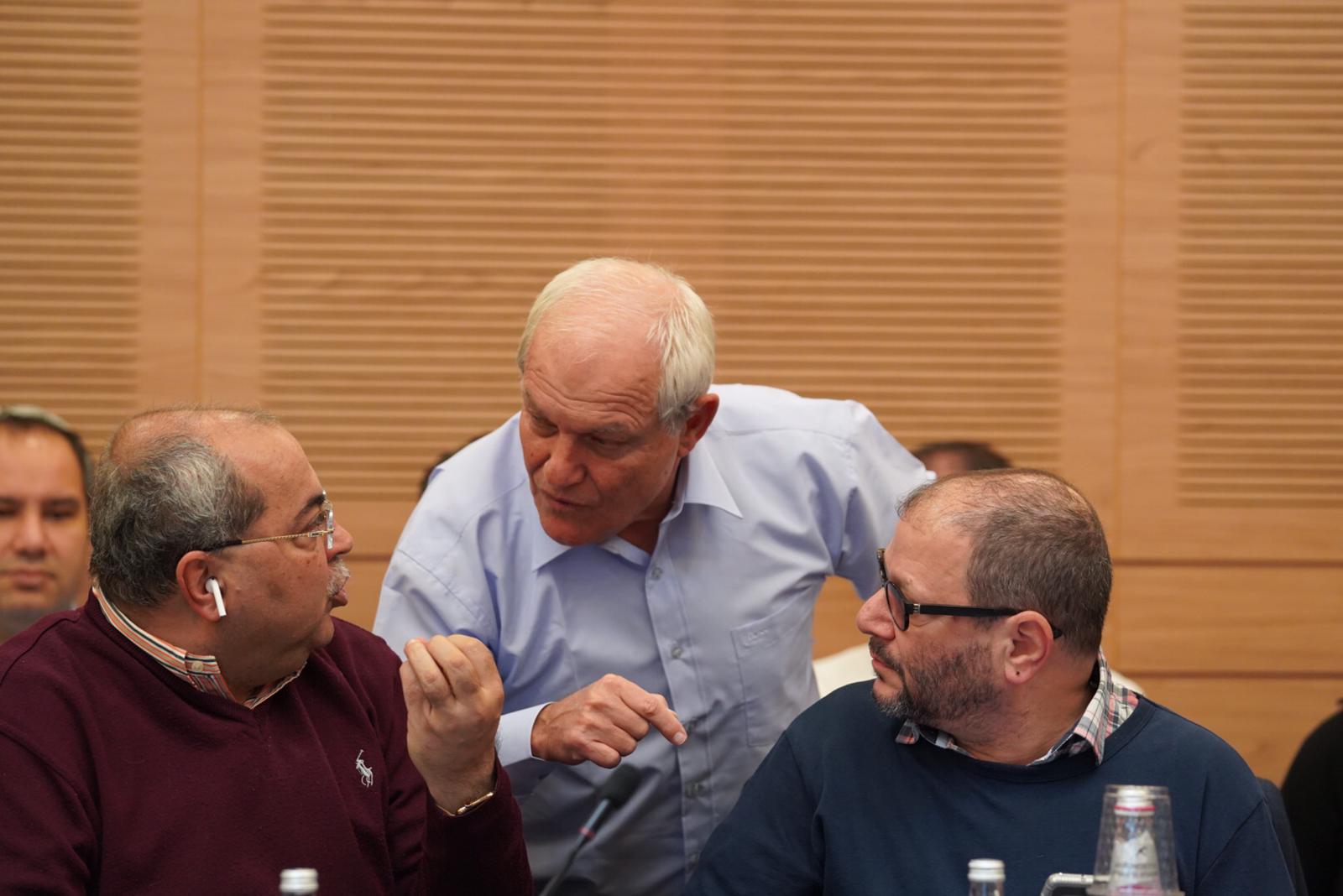
The Knesset House Committee opened a final day of deliberations on Thursday morning over former welfare minister MK Haim Katz’s request for parliamentary immunity from fraud and breach of trust charges, hearing arguments from Katz’s lawyer before a scheduled vote on the request later in the day.
The former welfare minister is facing the charges for allegedly advancing legislation that would benefit a financial consultant to major Israeli firms who was also a close friend and financial adviser to Katz himself.
Arguing that the indictment was based on a “confusion,” his attorney Navit Negev appealed to Knesset members to grant their colleague the immunity he requested because the Knesset needs it in order to function.
“We claim that the indictment was in fact based on a different rule from the Knesset rules. This is the basis of the confusion. In fact, this is an interference in the work of the Knesset,” Negev said, insisting that Katz acted in accordance with conflict of interest rules for MKs.

On Thursday, at the first committee debate on the request, Attorney General Avichai Mandelblit said that by not declaring his personal connection to the legislation and by withholding information from other lawmakers, Katz had “committed wrongful acts that amount to a criminal offense.”
The indictment centers on allegations that Katz, while serving as chairman of the Knesset Labor and Welfare Committee from 2005 to 2006 and again from 2009 to 2013, advanced Amendment 44 to the Securities Law at businessman Mordechai Ben Ari’s request. The law stipulates that companies must repay bond debt to small bond holders before it repays controlling owners. Ben Ari’s business represents groups of bond holders in several companies.
Mandelblit said that the former minister earned large sums of money by investing according to Ben Ari’s advice and even through Ben Ari himself. That relationship created a significant conflict of interest in Katz’s advancing of the amendment as a committee chairman, Mandelblit alleges, even if no money directly changed hands.
After Mandelblit’s August decision to indict Katz, the then-welfare minister resigned from the government following a practice established in the 1990s with the court-upheld resignations of indicted cabinet members Aryeh Deri and Raphael Pinhasi.
Negev argued on Tuesday that the indictment represents “a lack of understanding or reference to the norms required by Knesset members.”
“The rules of conflict [of interest] that apply to Knesset members are completely different from those that apply to public servants. The norms that have been argued that Katz broke do not exist in reality and have no legal and normative basis,” she said.

Katz has denied wrongdoing, defending his work on Amendment 44 as key to protecting small investors.
According to the 2005 law on immunity, there are four “grounds” that MKs can cite in a bid for protection from legal prosecution.
A parliamentarian can request immunity if: a) the alleged crime was committed in the fulfillment of his or her parliamentary duties; b) the indictment is served in “bad faith”; c) the alleged wrongdoing was committed in the Knesset building and was already dealt with within the Knesset; d) prosecution would “cause real damage to the actual functioning of the Knesset or any of its committees, or to the representation of the electorate, and failure to conduct such a proceeding — taking into account the severity of the offense, its nature or circumstances — would not cause significant harm to the public interest.”
In Katz’s immunity request, he cited the first reason, claiming that his actions were part of his work as an MK and all carried out in good faith. According to the law, “substantive immunity” — a form of parliamentary immunity that would permanently block an indictment and not just while the accused is a serving MK –can be provided for an alleged crime that the committee finds was committed in the fulfillment of parliamentary duties.
Speaking on Tuesday after Negev presented her arguments, Mandelblit said that the benefits gained by Katz in light of the law he helped pass “are not too far from bribery.”
Mandeblit said that the issue was not just the legislation “but a variety of false actions and misrepresentations that included deliberate concealment. This is fraud and breach of trust at the highest level.”
While MKs on the House Committee are not allowed to state publicly how they plan to vote, the committee is expected to support Katz’s immunity request, with a number of lawmakers from across the political spectrum arguing in his favor on both Thursday and Tuesday.
If the committee approves the request in Tuesday’s vote, the bid then goes to the Knesset plenary for a final vote by the 120 Knesset members.










The Times of Israel Community.