

Ancient animal figurines unearthed outside Jerusalem
Two 9,000-year-old statuettes come from era that saw start of domestication of animals
 Add ToI as a Preferred Source on Google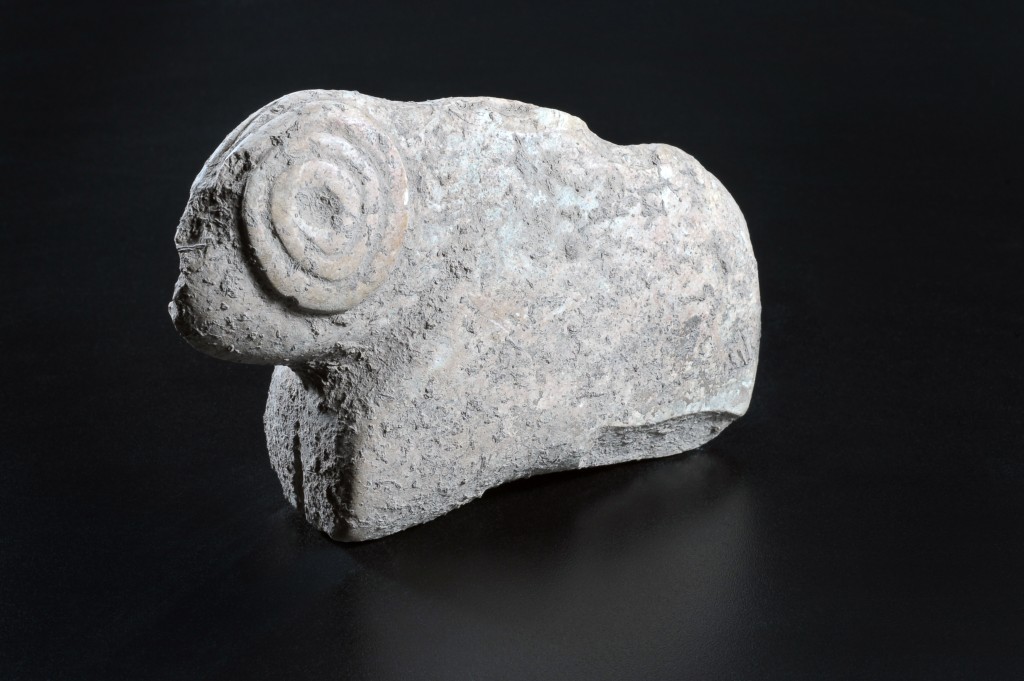
Archaeologists uncovered two stone animal figurines outside Jerusalem that shed light on local life 9,000 years ago, the Israel Antiquities Authority said Wednesday.
The figurines were found last week in a salvage dig being carried out to make way for the expansion of the Jerusalem-Tel Aviv highway, the IAA said.
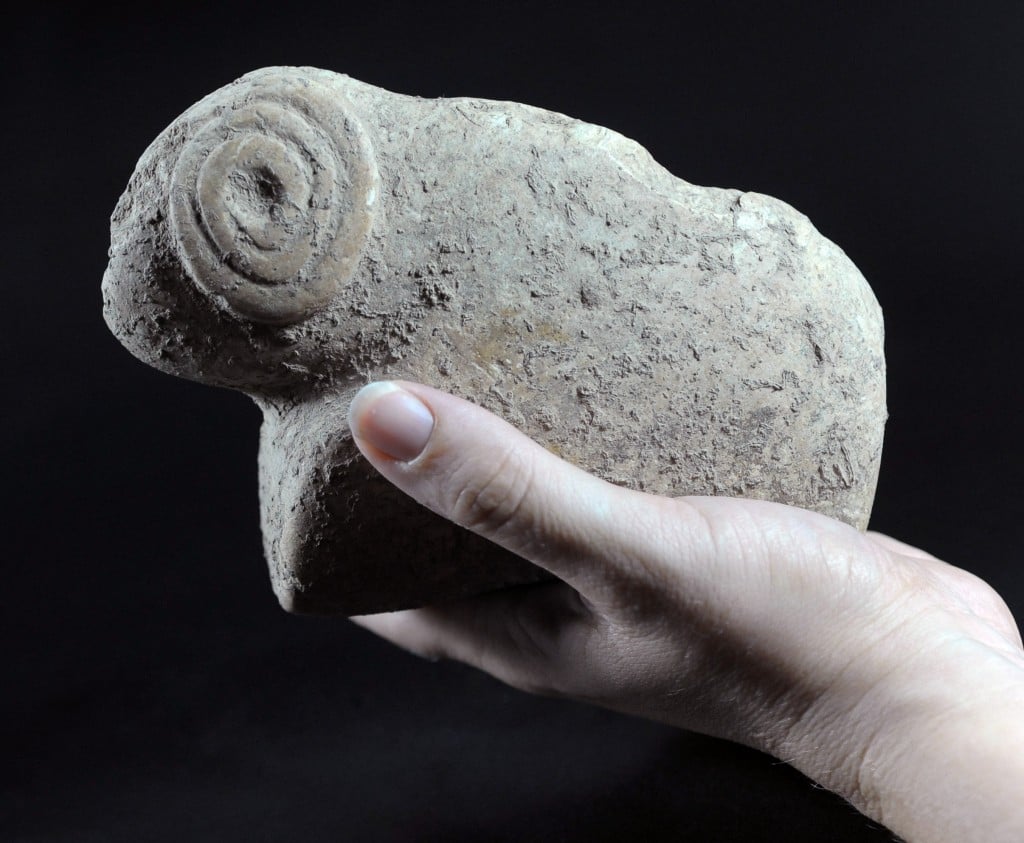
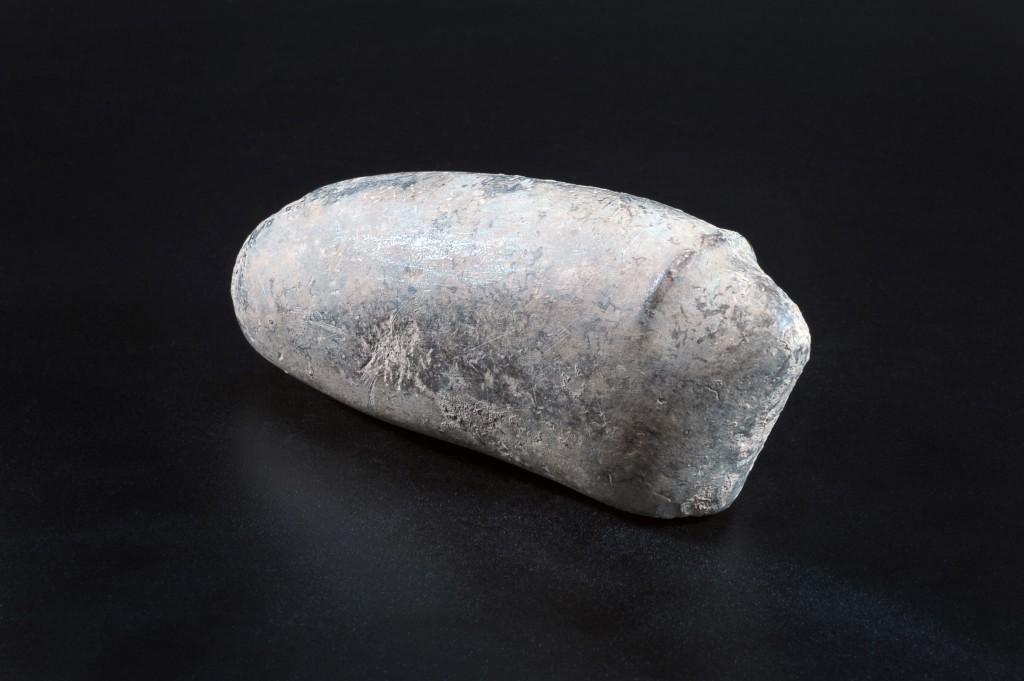
One figurine, fashioned from limestone, depicts a ram with twisted horns. The other, more stylized, figurine appears to depict another large horned animal, perhaps a buffalo. It is made of dolomite.
Both are 6 inches (15 centimeters) long.
The figurines were created by ancient inhabitants of what is now Israel at a crucial period in human history — the era in which people abandoned nomadic lifestyles for villages and sedentary agriculture and made significant progress in the domestication of crops and livestock.
Becoming sedentary was “a fateful decision that would have an impact on humanity for thousands of years,” Hamoudi Khalaily, one of the dig’s directors, told The Times of Israel on Wednesday. It was a move that allowed humans to begin creating more sophisticated religious customs and artwork like the newly discovered statuettes.
Khalaily suggested the figurines might have been religious icons meant to bring success to a hunting expedition.
The dig’s co-director, Anna Eirikh, suggested they might be linked to the domestication of animals like those portrayed.
The Stone Age site at which the figurines were unearthed, Tel Motza, appears to have been one of the largest settlements in the area at that time.
The archaeologists say the village shows signs of advanced engineering skills, including the construction of two-story homes.
Scholars and archaeologists usually put the arrival of the biblical Israelites at around 1,200 B.C.E. — around 6,000 years later.










The Times of Israel Community.