

Argentina had detailed info on Mengele during his decade there, documents show
Auschwitz’s ‘Angel of Death’ felt so comfortable in South American country that he began to use his real name in 1956, and requested his formal identification papers be reissued
 Add ToI as a Preferred Source on Google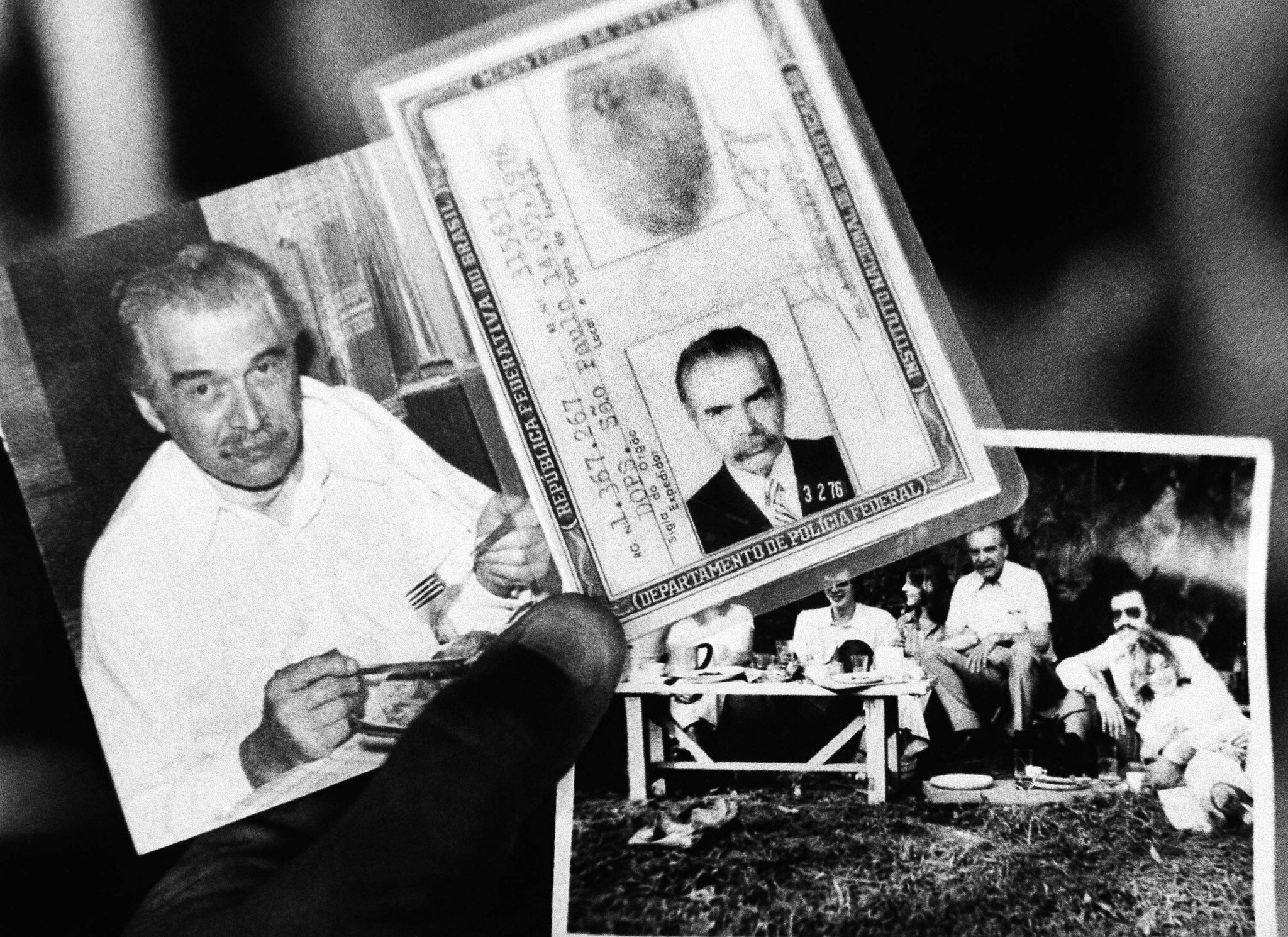
The Argentine government maintained a detailed dossier on Nazi war criminal Josef Mengele, who led a relatively carefree life in the country until he fled to Paraguay in 1959, according to declassified documents reported by Fox News on Sunday.
Mengele, notoriously known as the “Angel of Death” for the brutal and sadistic experiments he conducted at Auschwitz on prisoners, initially entered the country on a fake Italian passport in 1949 under the name Helmut Gregor, according to the documents.
The Argentine government at the time was known to harbor Nazis who fled Europe following the war, and by the 1950s, it was aware Mengele was in the country, an analysis of the documents by Fox showed.
Up to 5,000 Nazis are said to have settled in Argentina, including Mengele and Holocaust architect Adolf Eichmann, who was captured by Israeli agents and executed after a trial in Jerusalem.
Mengele felt so comfortable in Argentina that in 1956, he began to use his real name. He asked for his original birth certificate from the West German Embassy in Buenos Aires, and requested his ID cards be remade as such.
A memo from Argentina’s Federal Coordinate Directorate in 1960 demonstrated the country’s knowledge of Mengele’s identity, citing his explanation of why he used a fake name to enter the country when he came forward to change his official identity.
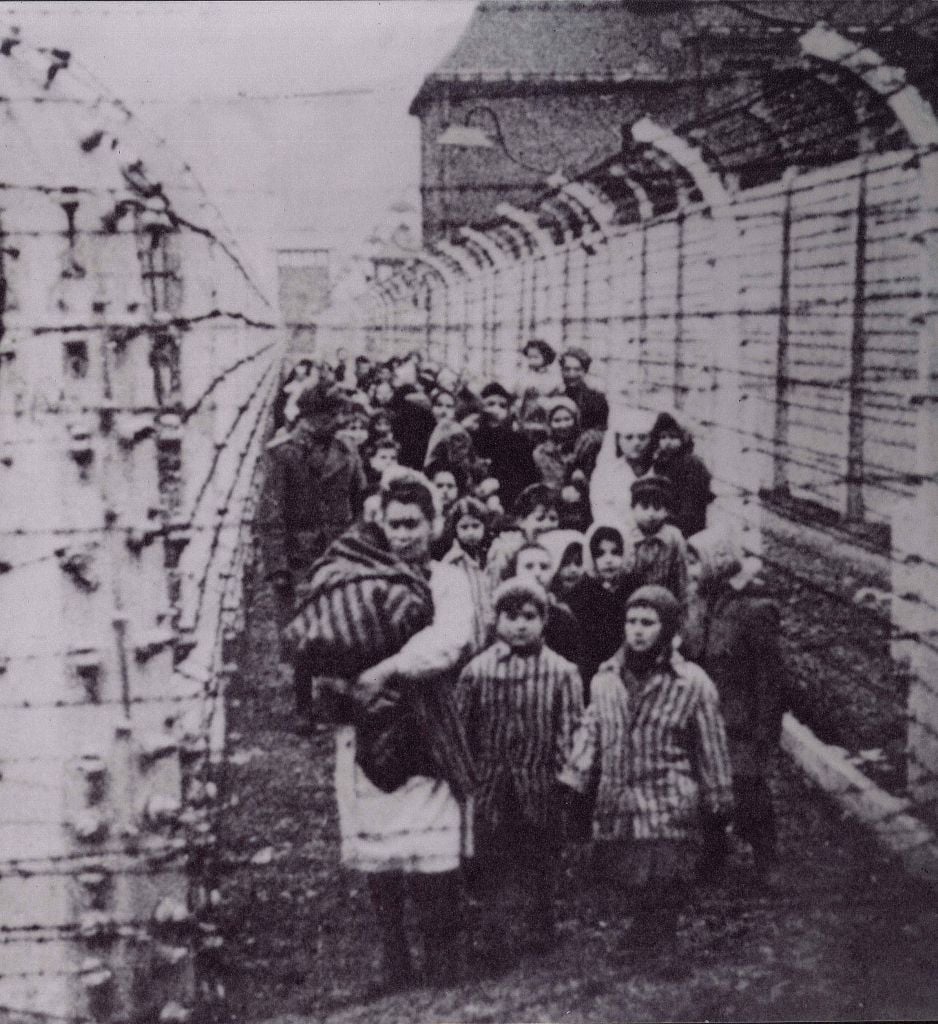
“Thus, it appears that, while maintaining his real name, the subject belonged to the SS Society […] during which time he demonstrated being nervous, having stated that during the war he acted as a physician in the German SS, in Czechoslovakia, where the Red Cross labeled him a ‘war criminal.’ He had studied Anthropology and was known to the Justice in the courts of Nuremberg, especially regarding the study of skulls and bones, but that union was considered a crime in National Socialist Germany,” a translation of the document said.
By the time the memo was written, Mengele had fled to Paraguay after international pressure increased on Argentina to extradite him, following a request by West Germany.
He arrived in Brazil in around 1960, where he lived until his death in 1979 after he suffered a stroke while swimming in the sea off the Brazilian coast. He was buried under the name Wolfgang Gerhardt.
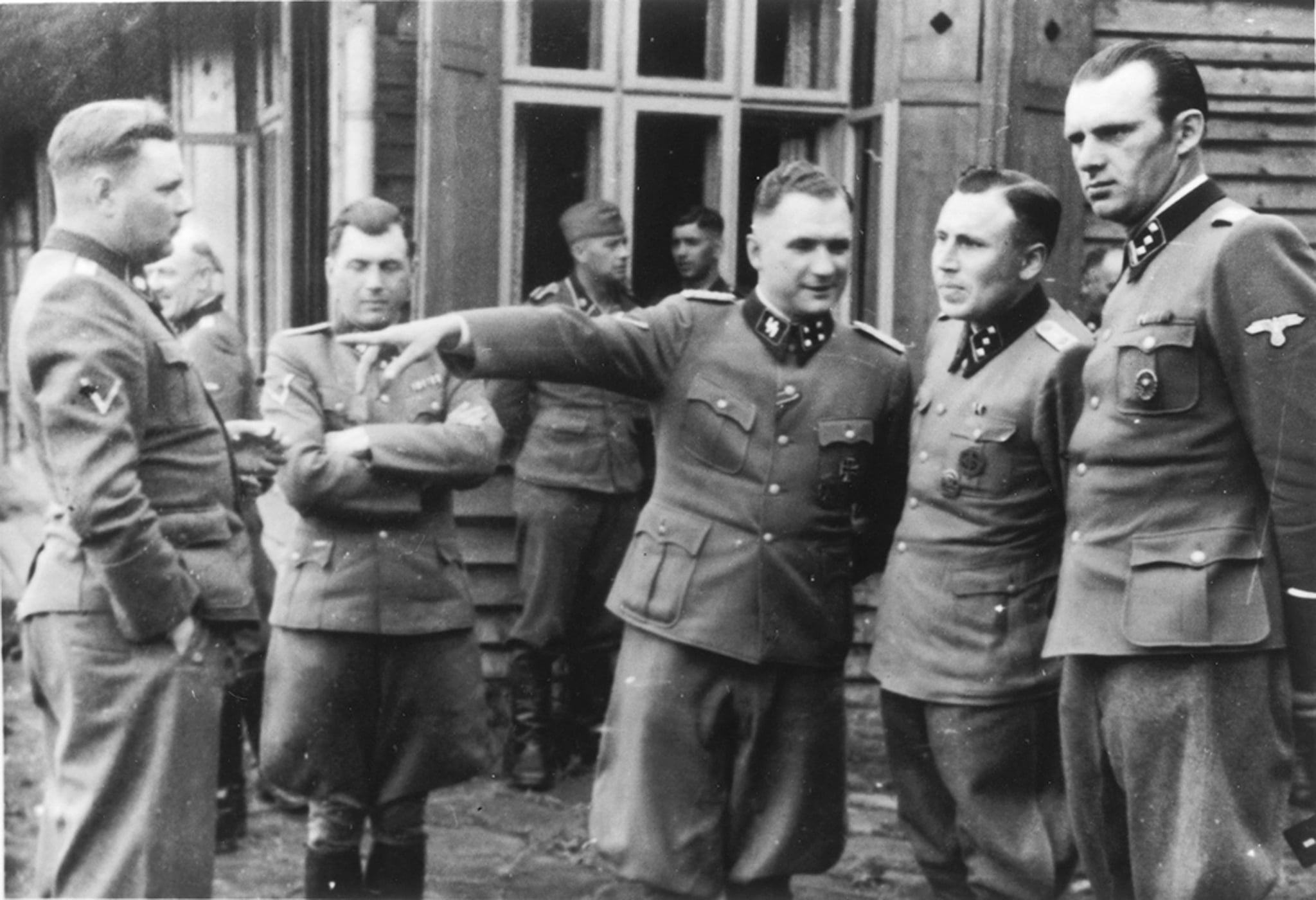
According to the documents, Argentine intelligence tracked the Nazi throughout his life in South America.
Mengele, a German SS officer and physician, was notorious for his experiments on twins, pregnant women, and individuals with physical abnormalities, often without anesthesia and with lethal results.
He played a central role in the selection process upon prisoners’ arrival at Auschwitz, the Nazi death camp where Yad Vashem estimates that one million Jews were murdered, deciding who would be sent to forced labor and who would be killed immediately.








The Times of Israel Community.