

Auschwitz launches a virtual film set of its grounds, and sparks an ethical debate
‘Picture from Auschwitz,’ a brick-by-brick digital reproduction of the Nazi camp created by the memorial, earns praise despite fears of AI-fueled distortion of Holocaust content
 Add ToI as a Preferred Source on Google
Reporter at The Times of Israel
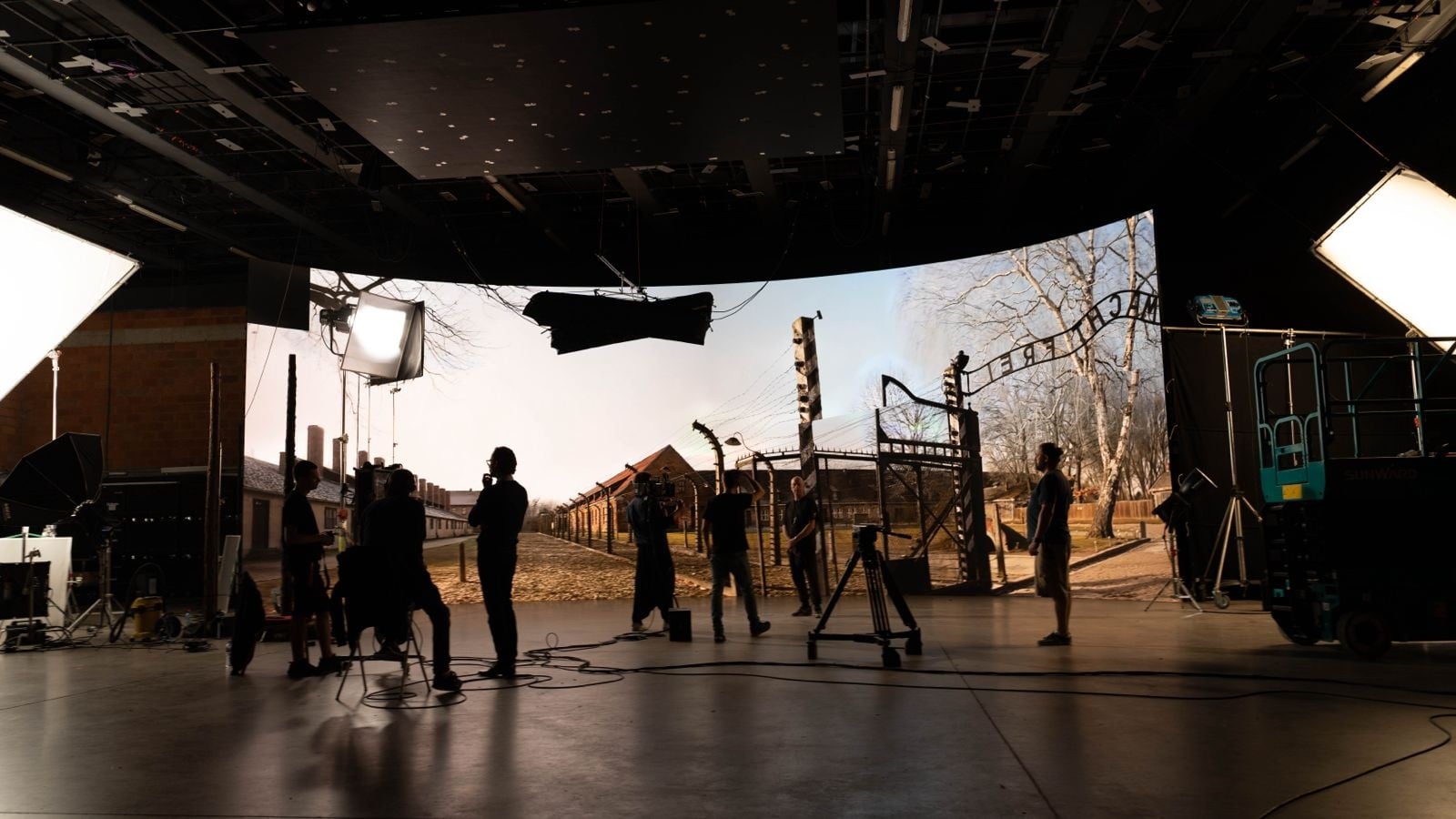
For decades, the site of the Auschwitz-Birkenau concentration camp has banned all shooting of feature films on its grounds, rebuffing Steven Spielberg as he made “Schindler’s List” in 1993, along with other filmmakers.
Now, the memorial at the Nazi concentration camp is inviting producers and directors to stage their movies in its infamous buildings, but not by going there in person. Rather, it’s providing a detailed digital replica of the camp, tailored for filming, that its staff unveiled earlier this year.
“The digital model supports the mission to engage emotionally and intellectually with the camp’s history — where films become a powerful medium to remember victims and counter Holocaust denial,” said Wojciech Soczewica, director-general of the Auschwitz-Birkenau Foundation. “It helps reach new audiences, which is needed in today’s polarized societies.”
He added, “Every digital brick represents real lives lost — children, laborers, and the uncounted thousands whose stories were interrupted. This project isn’t just digital imagery — it is a vessel of remembrance and testimony,” Soczewica told The Times of Israel.
The Auschwitz-Birkenau Memorial Museum is framing the digital film set as a critical tool to continue Holocaust education as the population of survivors dwindles and surveys show Holocaust denial growing among young adults. It is one in a string of efforts to use new technologies — like virtual reality and holograms — to teach new generations about the genocide.
But some scholars worry that, with the proliferation of fake, AI-driven videos across the internet, the virtual film set could make it easier to distort Holocaust history, with one saying that the technology “cannot ensure ethical engagement.”
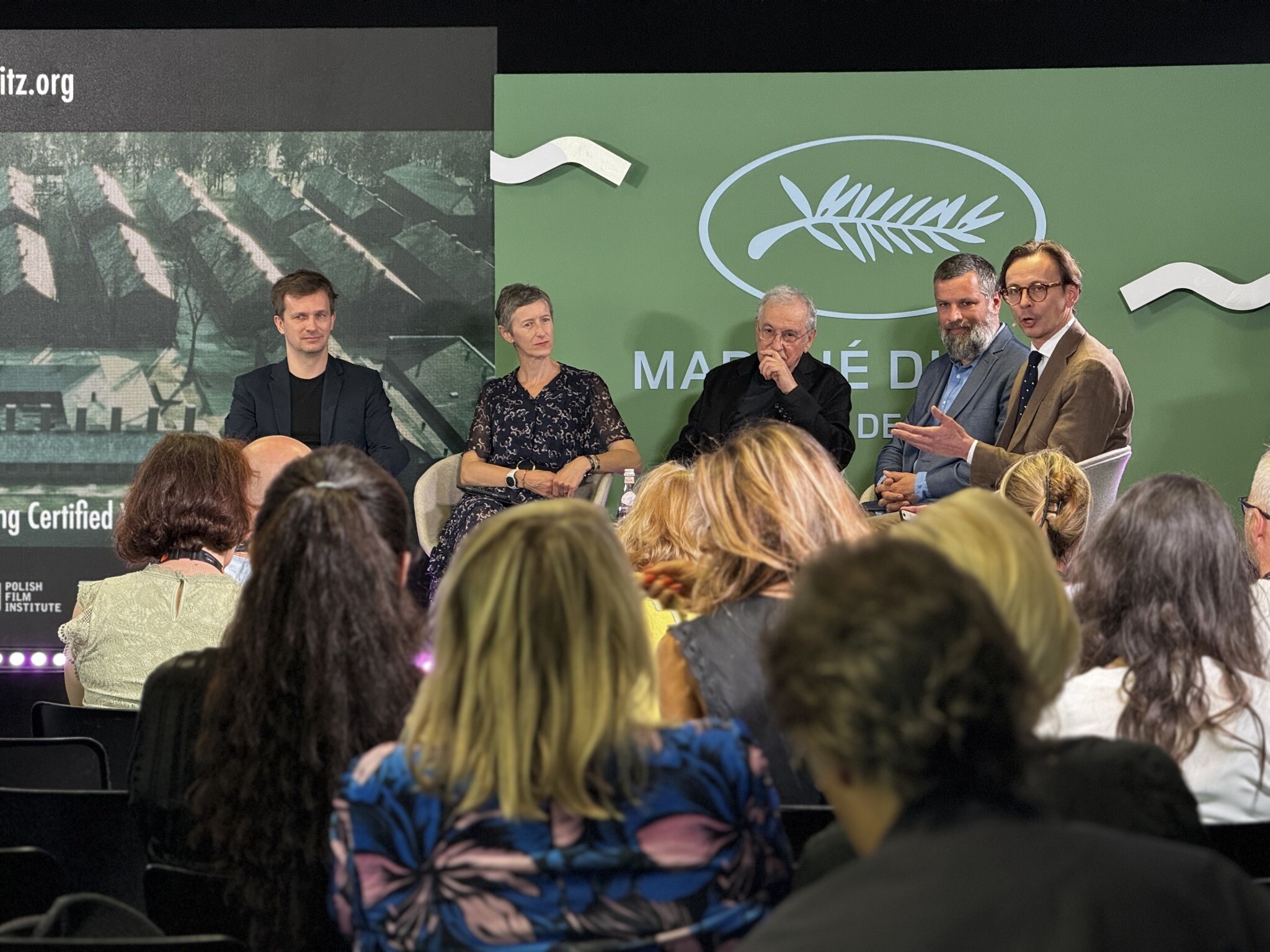
The first part of what the museum calls a “rigorously certified” virtual model was unveiled at the Cannes Film Festival this summer.
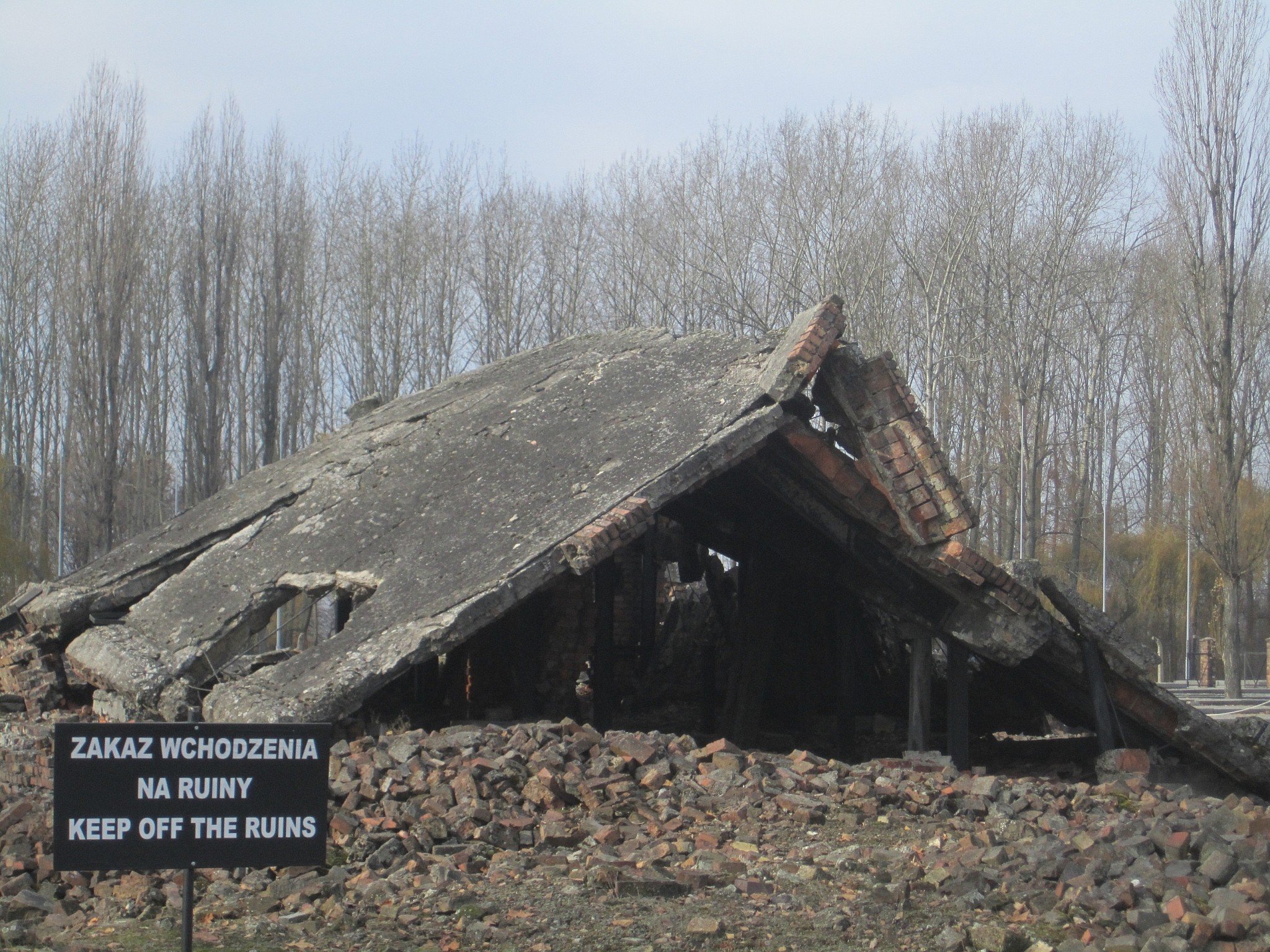
Called “Picture from Auschwitz,” the virtual film set is a certified one-to-one replica of Auschwitz I, one of the two main areas of the most notorious Nazi camp, where approximately a million Jews and 100,000 others were murdered. Sites from Birkenau, or Auschwitz II, the death camp, have yet to be modeled, said Soczewica.
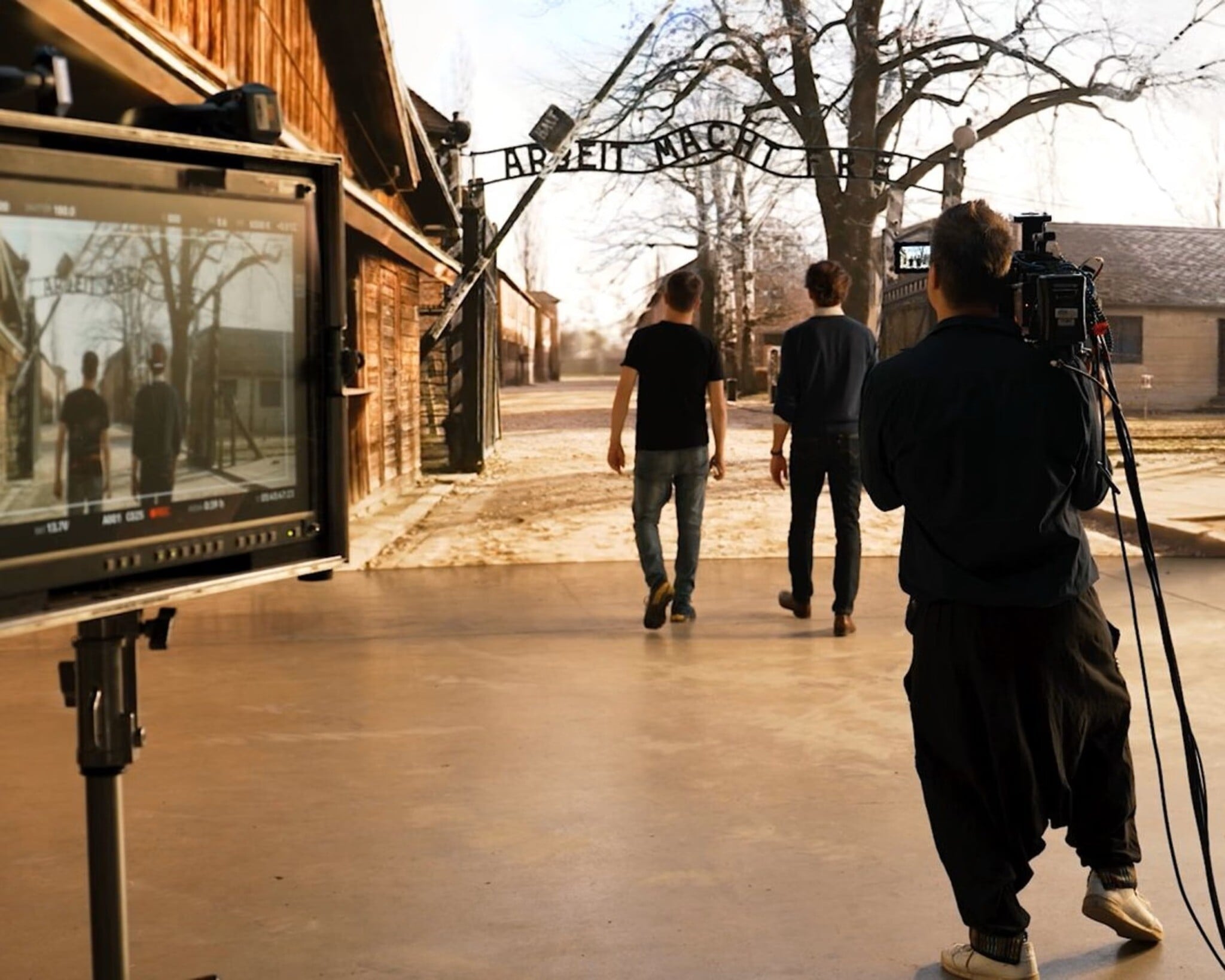
A virtual film set is one that deploys LED walls and AI software so filmmakers can recreate environments digitally. Virtual sets are cheaper than physical sets and offer more versatility than green screens, which have been used for decades to project background images. For example, a virtual film set helps foster the illusion that scenery is moving along with the actors.
As the co-founder of Poland’s first virtual studio, ATM Virtual, Maciej Żemojcin was chosen to build the Auschwitz set. The artist used cutting-edge 3D scanning technologies, and tailored his work with guidance from museum historians and other experts.
“The data we have collected from the Auschwitz I camp not only preserves the story but also protects this place from being erased from human memory as a digital time capsule,” said Żemojcin.
“Filming within a virtual version of Auschwitz allows filmmakers of all types to tell its harrowing story, ensuring the 100% authenticity of the site,” Żemojcin added. “We hope this will serve as the foundation for impactful film projects in the future.”
But scholars also warned that creating a digital replica of Auschwitz carries risks. Throughout 2025, the Auschwitz-Birkenau Memorial Museum has denounced the spread of AI-created Holocaust images among the flood of AI-generated images online. Fake photographs — including those of Auschwitz — have been circulated, in one case by actor and pro-Israel influencer Michael Rapaport.
“While the virtual site digitally preserves and encourages historically rooted depictions of the camp, it cannot ensure ethical engagement with the Holocaust. In fact, its creation only raises further issues about the extent to which the Holocaust’s digitization goes hand-in-hand with ethical modes of remembrance and representation,” said Emily-Rose Baker, a research fellow at the University of Southampton who studies Holocaust memory and representation.
Baker also took issue with what she called the project’s “privileging” of some Holocaust accounts, such as those that took place at camps like Auschwitz, over others that may not have received as much attention historically.
“The digitization of Auschwitz perpetuates the privileging of some Holocaust sites and stories above others, such as the rural landscapes across central and eastern Europe where no human structures or visible traces of the past remain,” said Baker.
One recent study suggests teenagers are increasingly open to learning about the Holocaust from AI-generated content. A study conducted for the journal AI and Ethics, published in August, found that older adults “prioritize emotional authenticity and remain skeptical of AI,” according to the abstract. Teenagers and young adults, meanwhile, “show greater trust in digital platforms and AI-driven tools for Holocaust education.”
The research cites TikTok and Instagram as important sources of information for younger survey participants.
“This shift does not reflect disengagement, but rather a transformation in learning practices,” said the study, conducted by Aharona Rosensenthal, director of Judaic Studies at the University of Maryland. But it added that the rise of AI-generated Holocaust content “raises ethical concerns for gamification and the trivialization of trauma.”
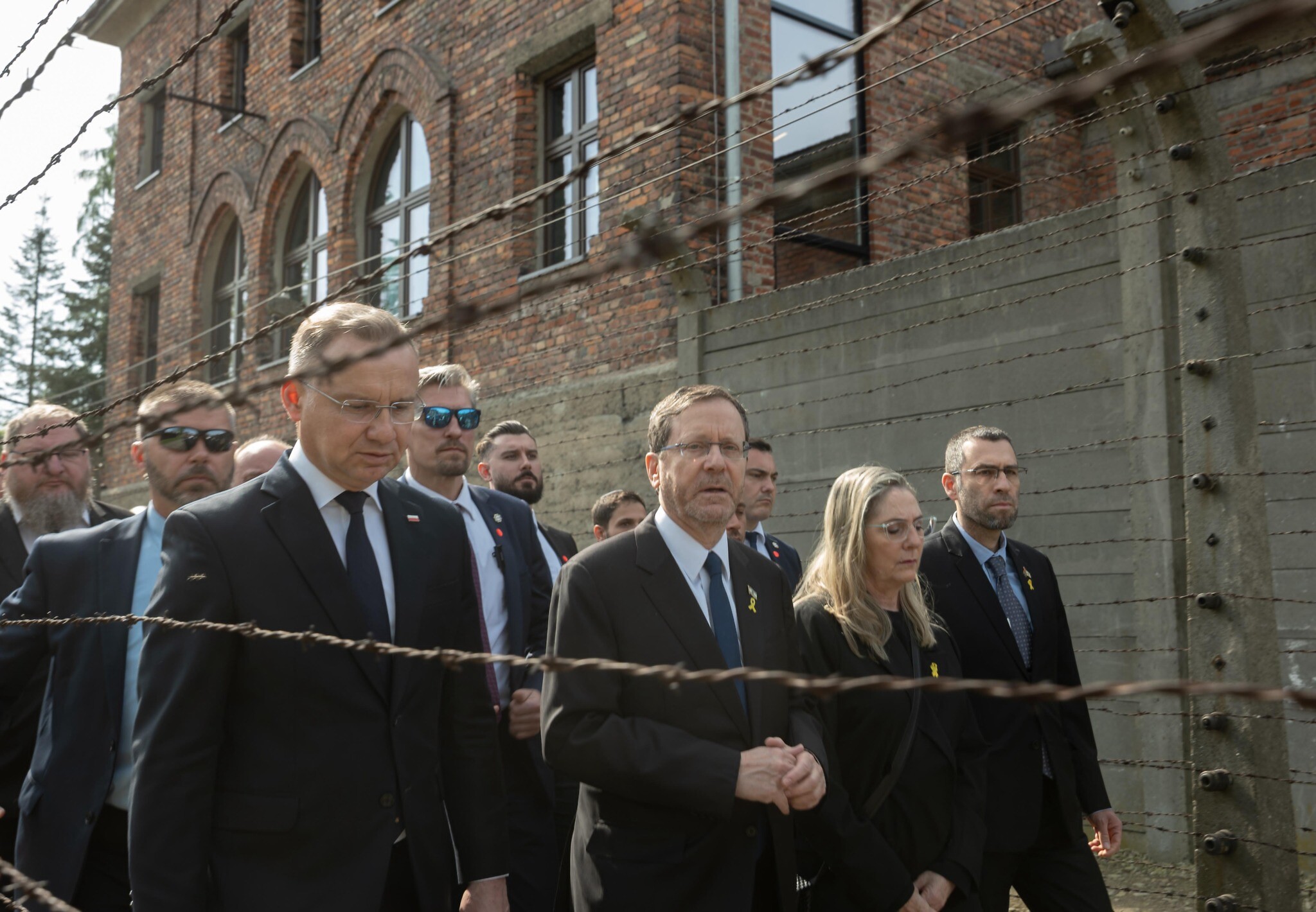
Despite the criticism leveled against the virtual film set, the museum has been fielding requests from around the world to use the pioneering technology, said Pawel Sawicki, the museum’s director of social media.
“What is interesting is that we were approached not only by filmmakers, but by some educational project creators that see a potential role for the virtual film set. That is something we did not plan, but it seems that the project has a wider potential,” Sawicki told The Times of Israel.








The Times of Israel Community.