

Columbia agrees to offer safety escorts on campus in settlement with Jewish student
Law firm representing plaintiff says deal will restore ‘basic, shared principles of safety’ at university, after ‘extreme protesters’ moved to ‘push their Jewish peers off campus’
 Add ToI as a Preferred Source on Google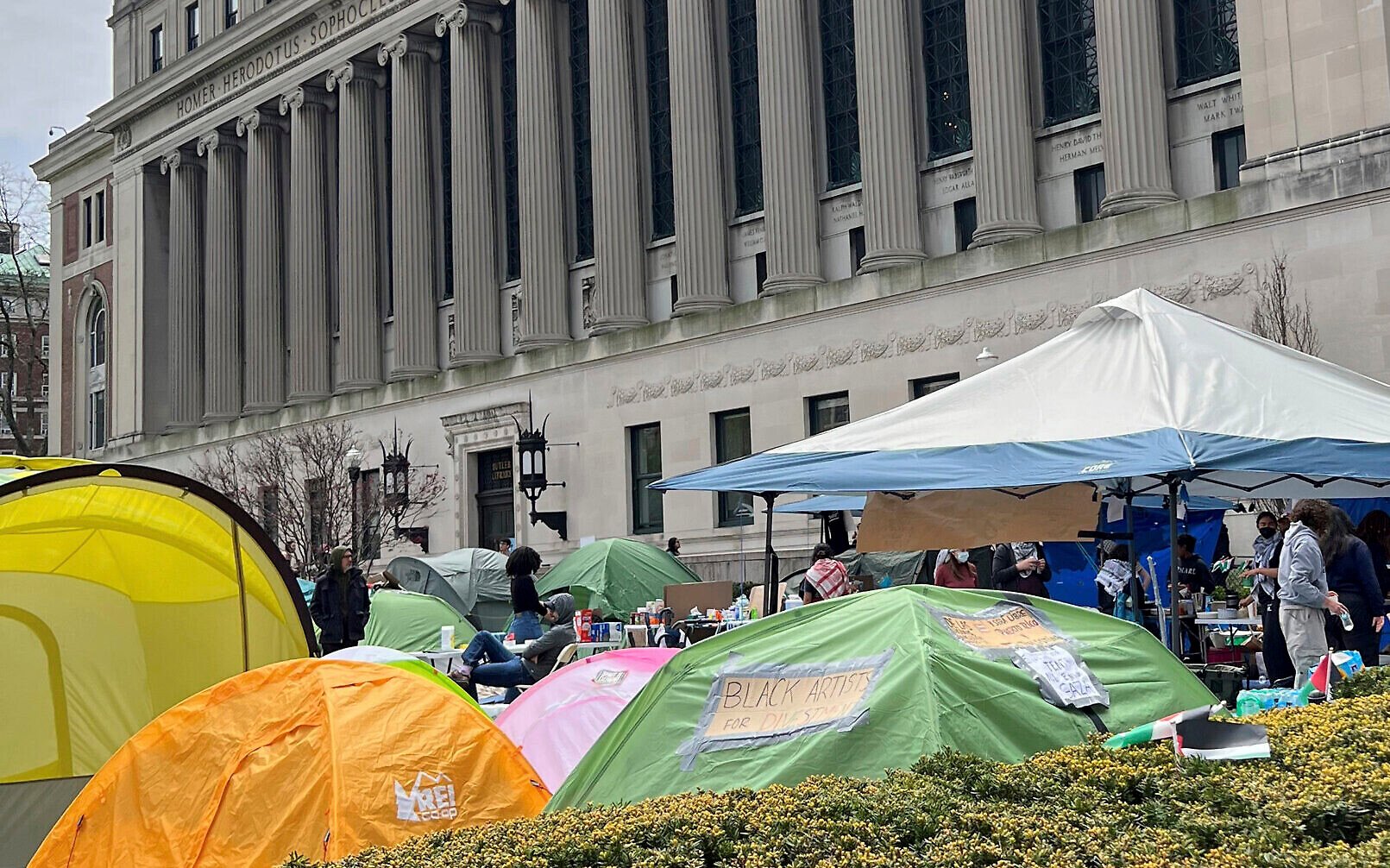
NEW YORK — Columbia University has agreed to take additional steps to make its students feel secure on campus under a settlement reached Tuesday with a Jewish student who had sought a court order requiring the Ivy League school provide safe access to the campus amid protests against Israel over its war in Gaza with Hamas.
The law firm representing the plaintiff in the lawsuit, filed as a class action complaint, called the settlement a “first-of-its-kind agreement to protect Jewish students from extreme on-campus Gaza war protestors.”
Under the agreement, Columbia must create a new point of contact — a Safe Passage Liaison — for students worried for their safety. The liaison will handle student safety concerns and coordinate any student requests for escorts through an existing escort program, which must remain available 24/7 through at least December 31, according to the agreement.
The settlement also makes academic accommodations for students who couldn’t access campus to complete assignments or exams, among other provisions. The Jewish plaintiff, known by the initials CS, said Columbia’s decision to let students take classes online in response to the protests showed that the school had become too dangerous for Jewish students to receive the education they were promised.
“We are pleased we’ve been able to come to a resolution and remain committed to our number one priority: the safety of our campus so that all of our students can successfully pursue their education and meet their academic goals,” a university spokesperson said in a written statement.
The settlement noted the various steps Columbia has already taken to ensure student safety on campus, which university President Minouche Shafik has pledged to make “safe for everyone,” though Jewish groups have accused the school of not doing enough to combat antisemitism in the months following the Hamas-led October 7 terror onslaught that sparked the war in Gaza.
Protests sprouted on college campuses around the world this spring, with many students establishing camps and demanding that schools divest from Israel over its treatment of Palestinians during the war against Hamas.
The Columbia encampment began on April 17, with the NYPD called in a day later to clear the pro-Palestinian and anti-Israel protesters, more than 100 of whom were were arrested as the tent camp was dismantled.
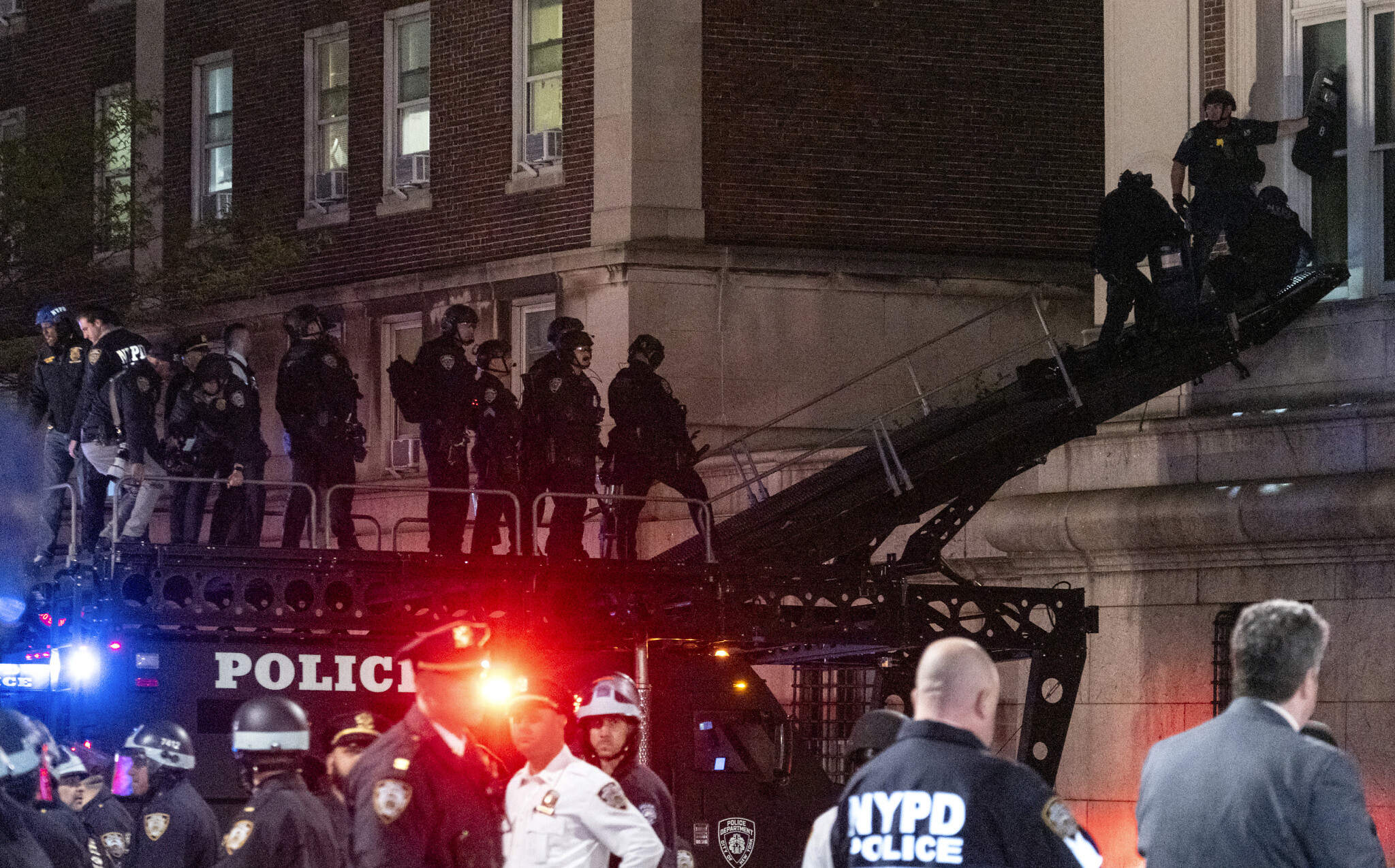
Even though it was rebuilt the next day and stayed up for weeks, the police were not asked for assistance again until April 30, when students vandalized and occupied Hamilton Hall. The police were called in that night to clear the students out of the hall and dozens of protesters were arrested.
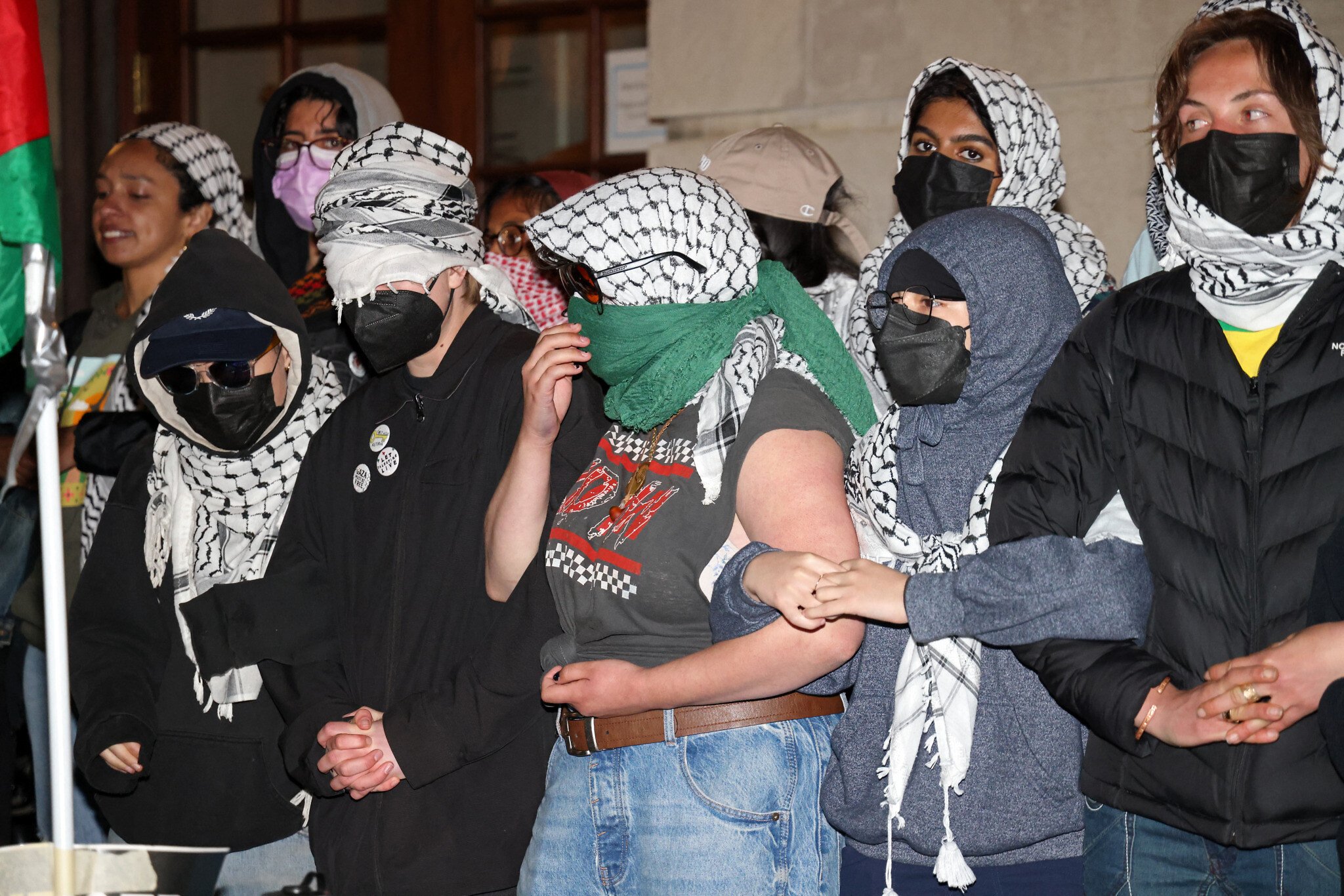
A legal group representing pro-Palestinian students has urged the US Department of Education’s civil rights office to investigate Columbia’s compliance with the Civil Rights Act of 1964 for how they have been treated.
Jay Edelson, an attorney for the Jewish student plaintiff, said the negotiated settlement represents “a return to basic, shared principles of safety on campus for all Columbia students” after “extreme protesters” chose to “push their Jewish peers off campus with threats and intimidation.”
The agreement also states that Columbia will “continue to work to facilitate opportunities for students and faculty to engage in safe, courteous, and constructive dialogue on the important issues that have been raised in recent months” and will not interfere with student efforts to hold public debates on campus.










The Times of Israel Community.