

Delegates descend on World Zionist Congress for largest-ever plenum on Jewish future
Some 2,500 reps from 42 countries set to debate hot-button issues like West Bank annexation and IDF conscription, pick leaders for institutions controlling over $1 billion
 Add ToI as a Preferred Source on Google
Zev Stub is the Times of Israel's Diaspora Affairs correspondent.
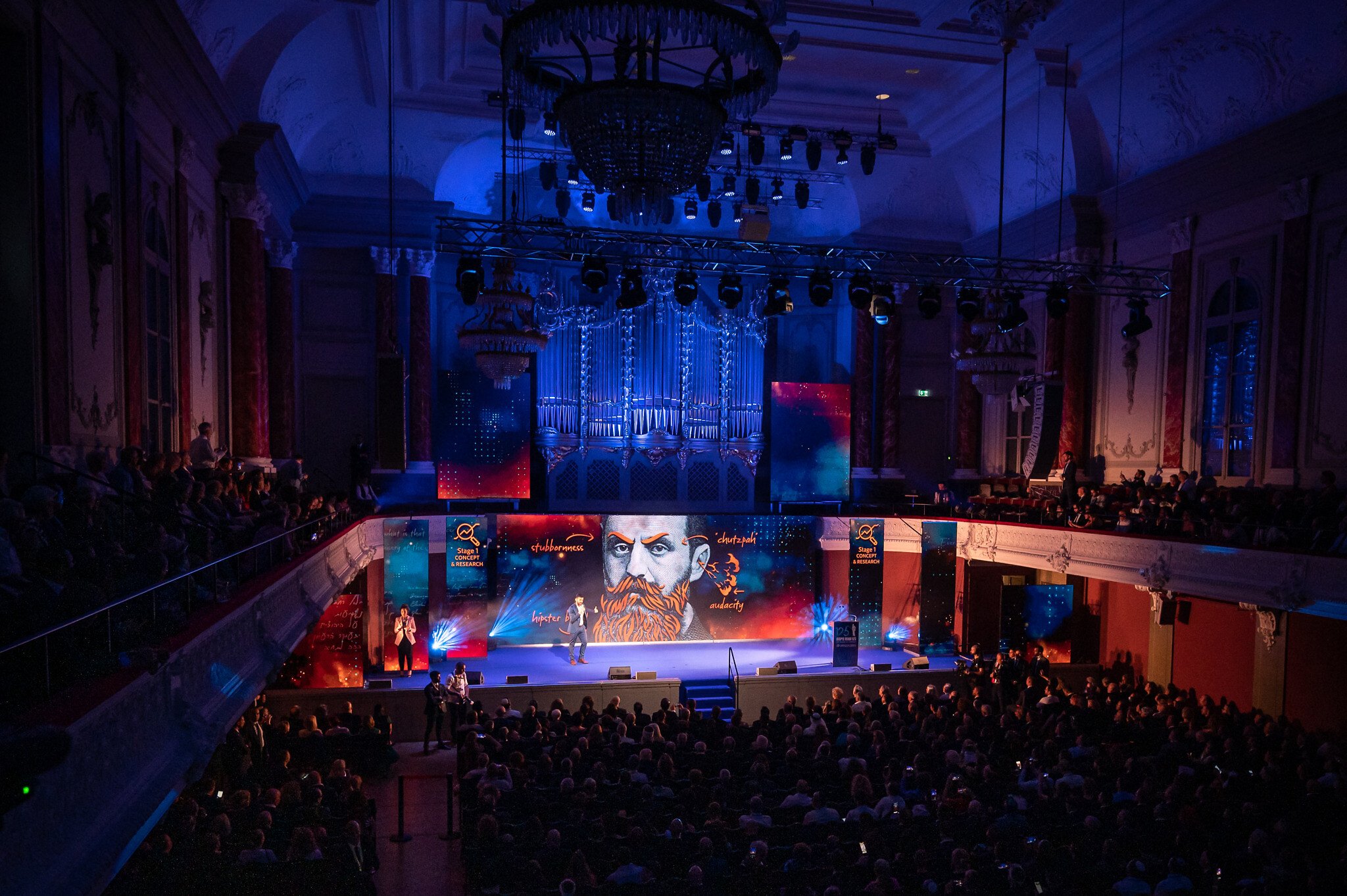
The “parliament of the Jewish people” is set to open this week in Jerusalem as some 2,500 participants from 42 countries descend upon the capital’s International Convention Center for the 39th World Zionist Congress from October 28-30. The confab is set to be the largest on record.
After an election marred by widespread alleged voter fraud in the United States, activists and influencers from across the political and religious spectrum will now gather to deliberate over competing visions of Jewish identity, religious authority, and the future of Israel itself.
A side event will see the appointment of officials who will help decide how to spend more than $1 billion in annual funding directed through the World Zionist Organization, Jewish Agency for Israel, Jewish National Fund-KKL and Keren Hayesod.
Several hundred of the attendees from Israel, the United States and around the world will vote on a variety of issues of importance to Jewish communities, including a number of controversial measures. Others attending the conference will have more limited voting rights or be there as alternates or observers.
This year’s congress follows record-breaking participation in the US World Zionist Congress election earlier this year, in which more than 224,000 American Jews voted, out of some 265,000 ballots cast worldwide, according to an official source.
The votes from the US represented an 80% increase from 2020, which was credited to large campaigns from the American Zionist Movement, which managed the election, aimed at drumming up interest.
US Ambassador to Israel Mike Huckabee had been scheduled to address a luncheon hosted by AZM ahead of the Congress opening, although it seems he will not be allowed to speak publicly due to the American government’s shutdown. The group has requested that Huckabee nonetheless attend and meet with US delegates, a source said.
The congress will also include a special fair dedicated to businesses owned by reservists who served in Gaza during the war or their spouses.
Controversial resolutions
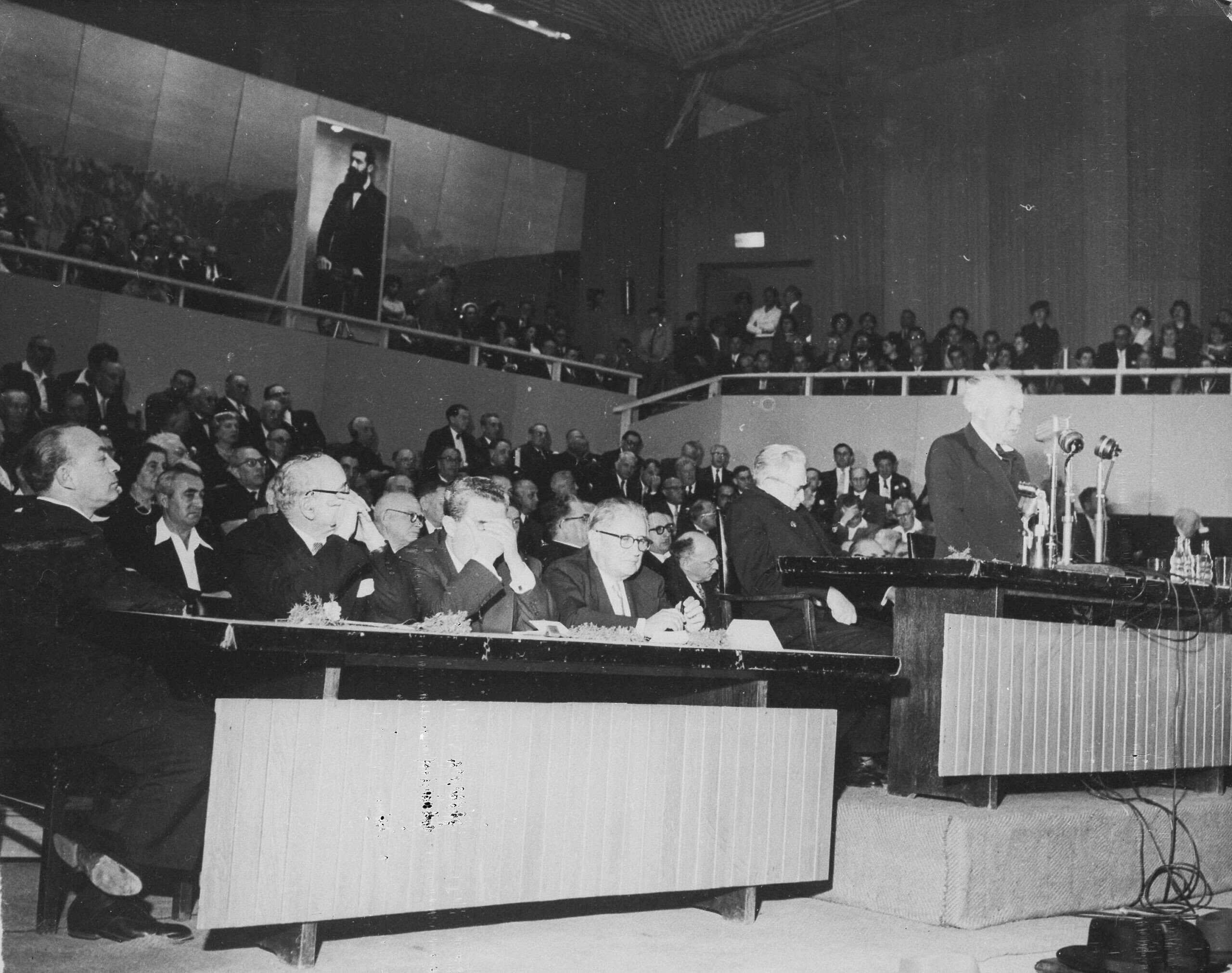
Founded by Theodor Herzl in 1897, the World Zionist Congress takes place every five years for the purpose of choosing leadership and setting policies for the principal Zionist and Jewish causes.
The year’s convention will be the first regular in-person congress in a decade, after the COVID-19 pandemic forced the 2020 edition to be held remotely. Delegates eventually got together in person for an extraordinary session of the 38th Congress in 2023.
Day one of the three-day conference will consist primarily of plenary talks and ceremonial functions. Though not on the agenda, President Isaac Herzog will address the congress, according to a source with knowledge of the conference’s planning.
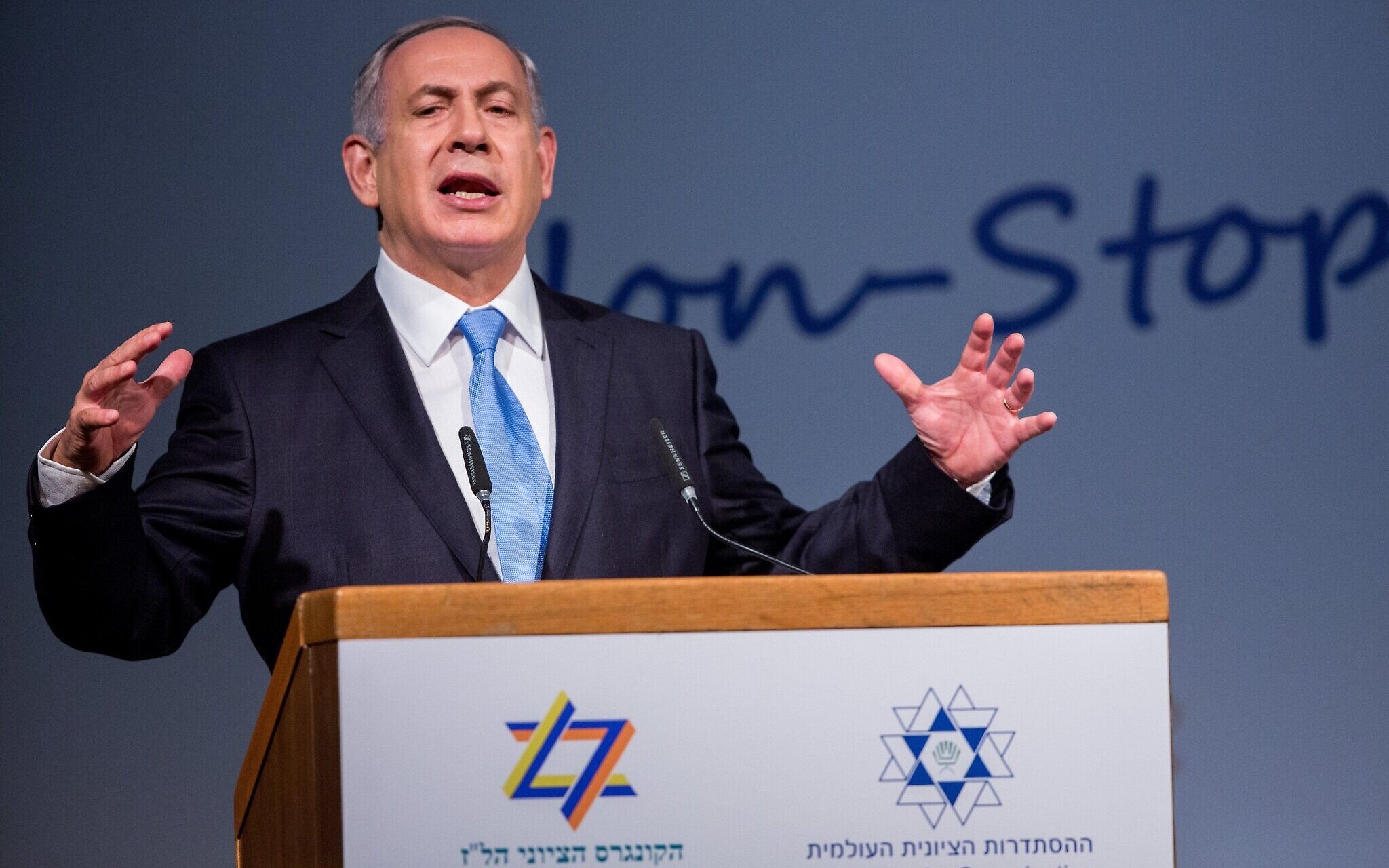
Prime Minister Benjamin Netanyahu declined an invitation to speak at the summit, according to two sources. The sources speculated that the premier was reluctant to address a crowd where he could be booed by the international participants.
The second day will consist primarily of committee discussions about more than two dozen proposed resolutions and 18 proposed amendments to the World Zionist Organization Constitution.
Ten committees will discuss resolutions on topics ranging from social justice to national policies to fighting antisemitism to Jewish education to rebuilding Israel after its two-year war with Gaza.
About a third of the resolutions on the table promise to be controversial, one insider estimated.
Among the controversial bills are calls for Israel to extend sovereignty over the Temple Mount and the West Bank and resolutions calling for equal army conscription for all Israeli citizens, and for a State Commission of Inquiry to investigate the events of October 7, 2023.
Resolutions are not binding upon Israel’s government, but representatives insist that their decisions are significant declarations of the democratic will of the Jewish people and have an influence on members of Knesset.
The third day will feature voting and the conclusion of the congress. Immediately afterward will be the first meeting of the Zionist General Council, or ZGC, the supreme institution of the Zionist movement responsible for implementing decisions reached at the World Zionist Congress.
At the ZGC meeting, council members will select the leadership of the World Zionist Organization, Jewish National Fund-KKL, and Keren Hayesod, massive, wealthy institutions with billions of dollars at their disposal to allocate toward different Israeli and Jewish causes worldwide.
Sources with knowledge of the subject described the selection of leaders for the organizations as having the most lasting impact on the Jewish people over the coming five years.
Currently, all three of those are headed by figures from the Likud party, but shakeups are expected.
World Zionist Organization chair Yaakov Hagoel will likely remain in his current position, though Netanyahu would prefer to replace him with Culture and Sports Minister Miki Zohar, a staunch political loyalist, according to sources.
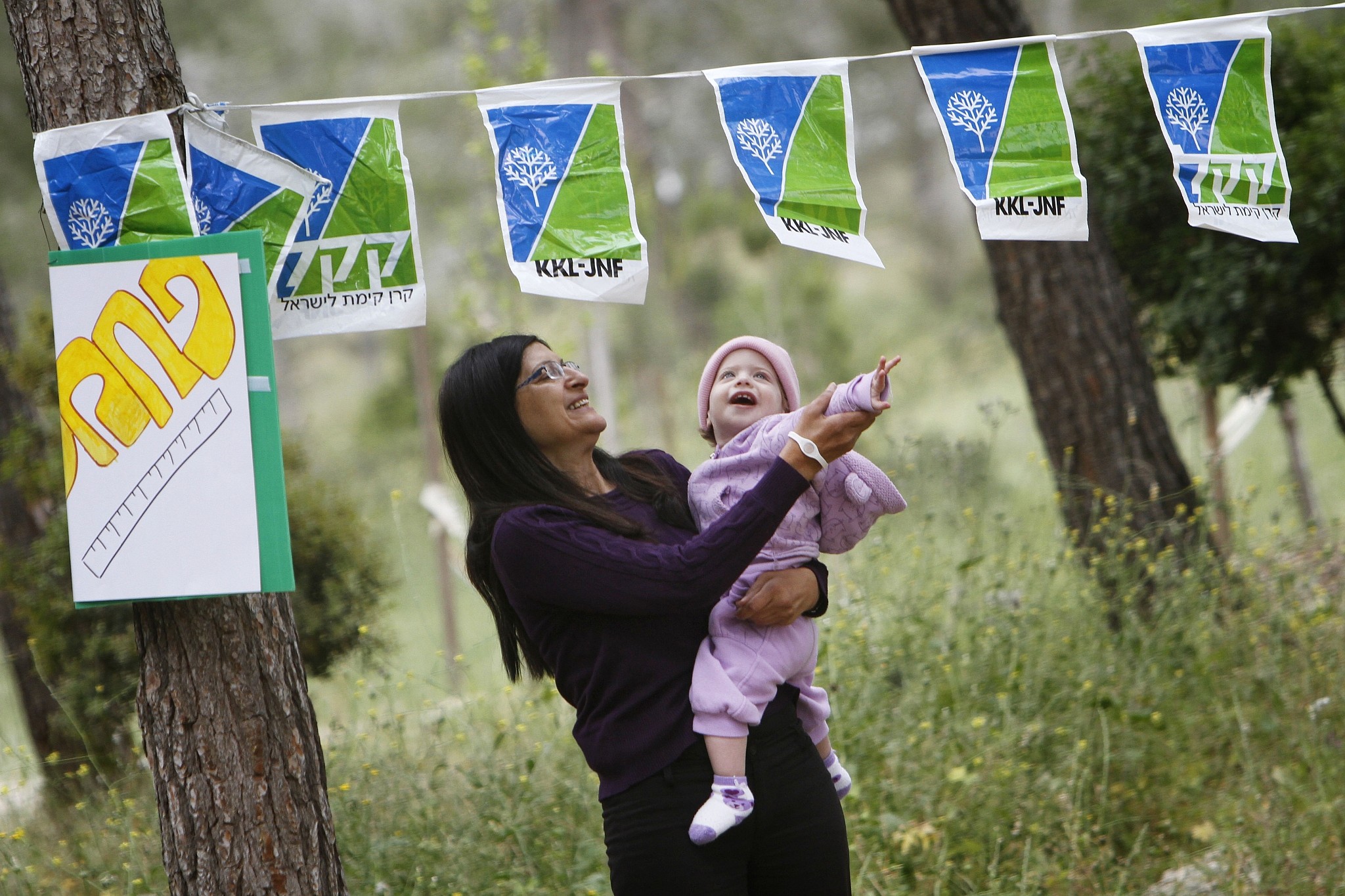
The fates of KKL-JNF chairwoman Ifat Ovadia-Luski and other organizational leaders are less clear.
Voters and influencers
The largest World Zionist Congress in history will include 543 delegates with full voting rights from the various political factions that received votes in the election earlier this year — 203 from Israel, 155 from the United States, 21 from France, 19 each from the UK and Canada, and 126 from dozens of other Jewish communities from around the globe.
Uganda, once proposed in 1903 as a potential Jewish homeland, will have a delegate for the first time, as will Paraguay, Ecuador, Serbia, Belarus, Azerbaijan, and Kazakhstan.
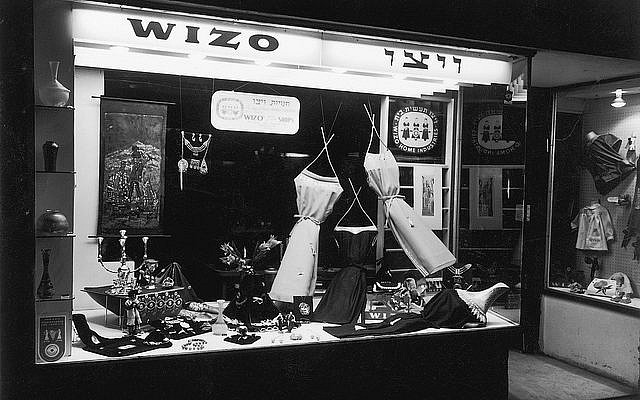
Another 212 delegates will join from international Jewish organizations such as B’nai Brith, Emunah, and others. Of these, most will participate as observers with limited voting rights, although dozens of delegates from Hadassah — The Women’s Zionist Organization of America, and WIZO — Women’s International Zionist Organization will have full voting rights, due to their longstanding importance in the WZO.
While Orthodox and right-wing parties dominated the voting in the US, the congress is split about 50/50 between right-wing and left-wing interests, according to sources.
The strong presence of many large Jewish organizations serves as “the responsible adult in the room” and prevents the most outlandish partisan resolutions from receiving approval, one source said. Pluralistic, liberal positions tend to have an advantage for this reason, even when there is a right-wing majority, one observer said.
In total, almost 2,500 participants, including delegates, alternates and observers, are expected to attend, according to an official press release.
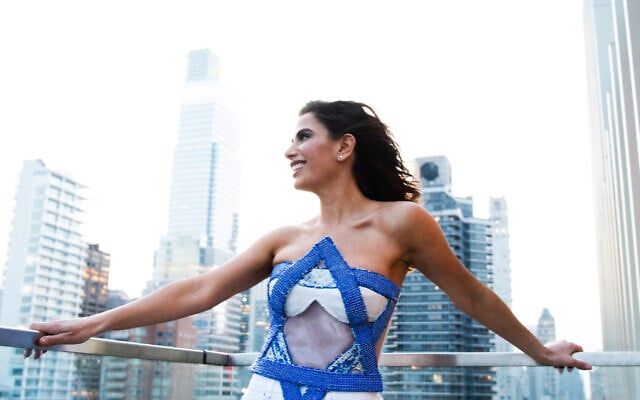
Among the noteworthy delegates are social media influencers including Lizzy Savetsky and Shabbos Kestenbaum; American radio personalities Nachum Segal and Sid Rosenberg; former Teva Pharmaceuticals CEO Jeremy Levin; and Mexican-Israeli activist and 2025 Miss Israel runner-up Adela Cojab Moadeb.
Jewish institutional leaders who will serve as delegates include Union of Reform Judaism President Rick Jacobs; J Street founder Jeremy Ben-Ami; National Council of Jewish Women CEO Sheila Katz; JTS chancellor Shuly Rubin Schwartz; Aish CEO Steve Burg and Israeli-American Council CEO Elan Carr.
The 155 US delegates include 75 rabbis from various religious denominations.
Orthodox, right-wing parties were the big winners in the US election, with Am Yisrael Chai winning 21 seats, Eretz HaKodesh securing 19, and the Orthodox Israel Coalition-Mizrachi winning 18 out of 155 seats. The Reform movement remained the largest single faction with 33 delegates, while the Conservative movement’s Mercaz USA garnered 19 to round out the top five of the 22 parties.
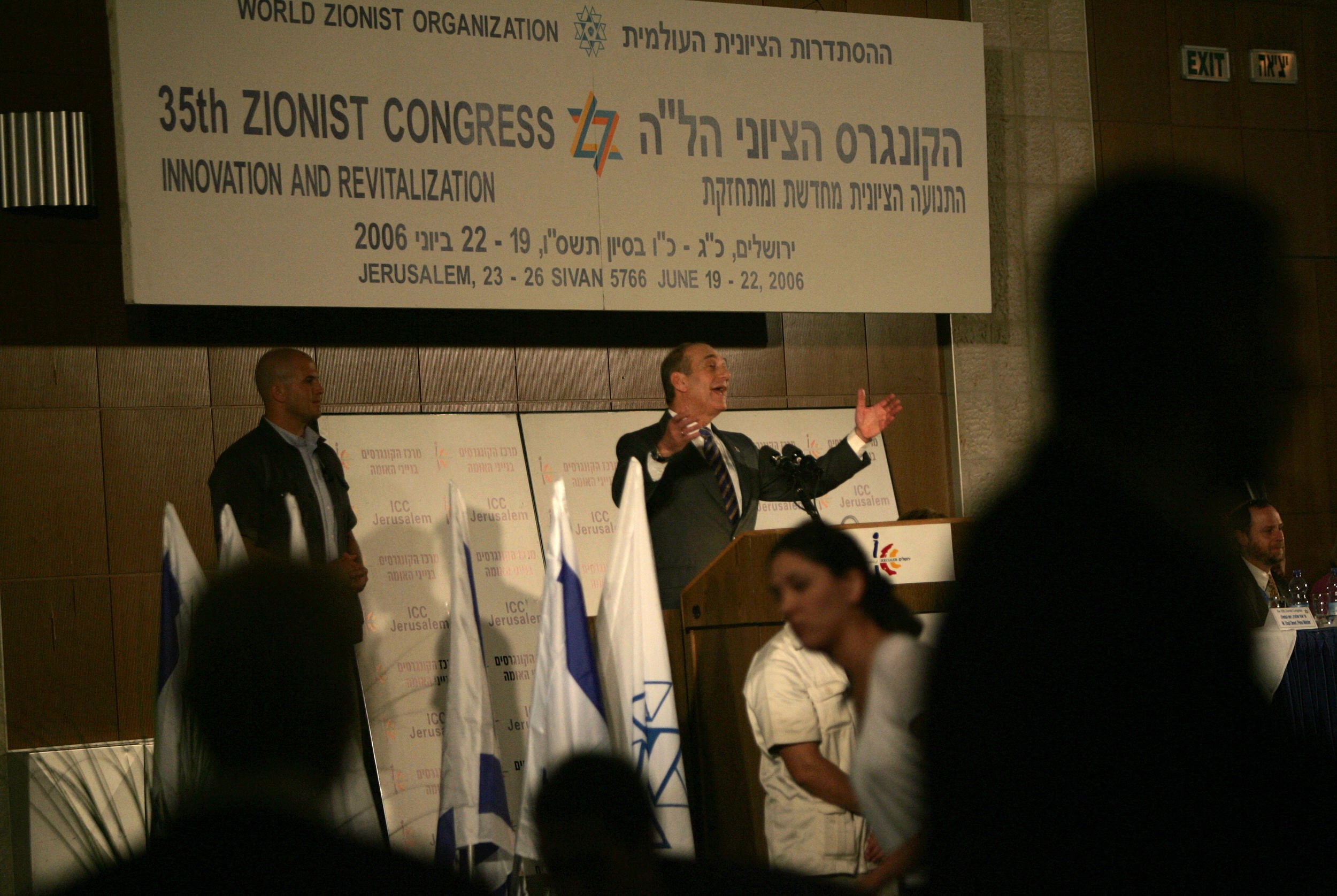
The election was marred by numerous cases of alleged election fraud, with six slates accused of boosting their numbers with suspicious credit cards or phony contact details. Some of those parties received financial penalties, but none lost any mandates in punishment, despite the recommendations of the Area Election Committee, which oversaw the election.
Israel’s 203 mandates are based on parties’ representation in the current Knesset. Likud has the most seats at 63, followed by Yesh Atid with 47 and Shas with 22. Non-Zionist parties, including the Arab lists and the Haredi United Torah Judaism, are not entitled to representation at the Zionist Congress.
In recent years, however, UTJ has gained entry through its US slate, Eretz HaKodesh.
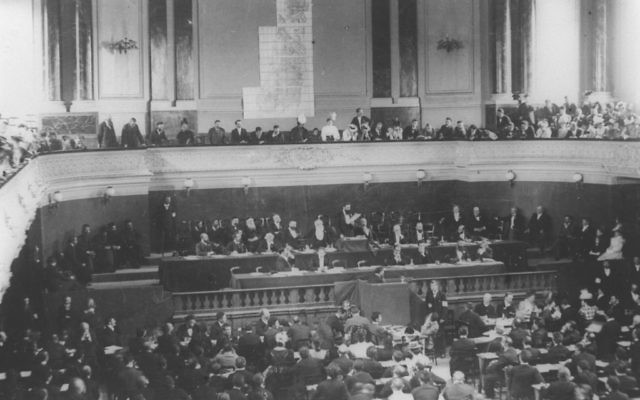
The event’s organizers say the Congress stands as a living expression of Jewish democracy, demonstrating that diversity of thought and unity of purpose can coexist in pursuit of a shared future for Israel and the Jewish people.
“At a time when polarization dominates so much of global discourse, the World Zionist Congress stands as proof that unity does not mean uniformity,” said AZM executive director Herbert Block. “Jews representing every segment and viewpoint are gathering in Jerusalem with one shared purpose: strengthening the future of Israel and the Jewish people. The Congress reminds us that diversity is our strength, and that our collective voice is truly powerful.”




The Times of Israel Community.