

Facing violence on all fronts, Arab Israelis are unprecedentedly open to mental health help
After 18 months of expanded activity in Arabic-speaking towns, the Community Stress Prevention Center in northern Israel starts to see stigmas breaking down, uptick in calls
 Add ToI as a Preferred Source on Google
Sue Surkes is The Times of Israel's environment reporter
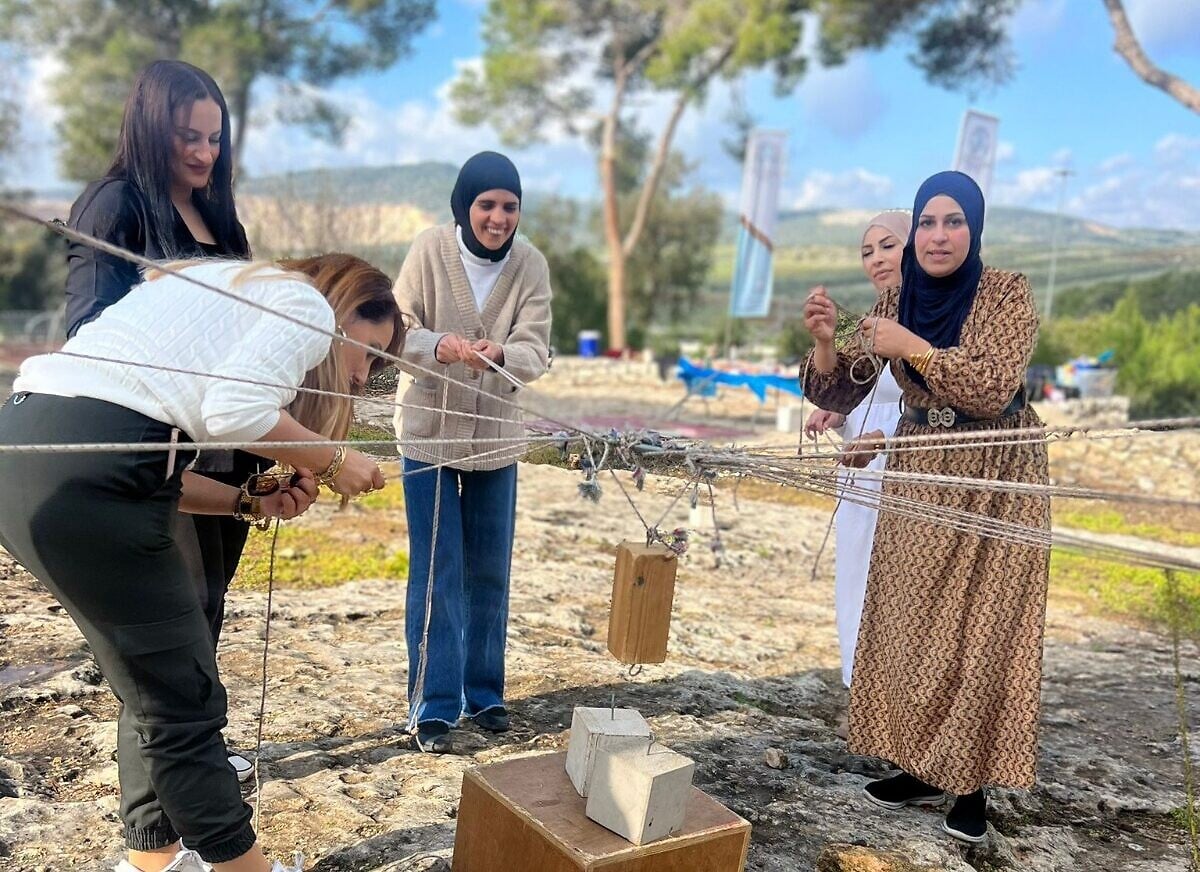
It took just seconds, one warm Saturday evening in July 2024, to transform the Druze town of Majdal Shams into a site of tragedy and national mourning.
The lives of 12 children and teenagers were extinguished after an Iranian-made Falaq-1 rocket fired by the Lebanon-based Hezbollah terror organization smashed into a local soccer pitch, leaving a massive crater, burned-out bicycles and scooters, and electric bikes with melted batteries.
In the immediate aftermath of the strike, the town on Mount Hermon became a pilgrimage site for Israelis from all walks of life as thousands traveled north to pay their respects.
Mashabim (Resources, in Hebrew) Community Stress Prevention Center immediately set up a branch in Majdal Shams to provide therapy and trauma support.
That branch would become the first of 10 that Mashabim has opened across northern Israel — three dedicated solely to Arabic speakers, and another four serving both Arabic and Hebrew speakers.
The organization, based in the northern city of Kiryat Shmona, has been working to strengthen community resilience along Israel’s volatile northern border since 1981. The new branches fall under the two state-funded resilience centers that Mashabim has been running for the past five years.
Mashabim’s Arabic-speaking staff has increased tenfold, from five before October 2023 to 50.
And while originally translating existing materials from Hebrew to Arabic, the organization is now generating its own Arabic-language booklets and video clips to better meet the needs of its clients and their diverse religious and cultural backgrounds.
For example, a booklet for young readers on loss, written after the Majdal Shams tragedy, was careful to use Druze names and reflect the community’s belief in reincarnation.
Months of mapping
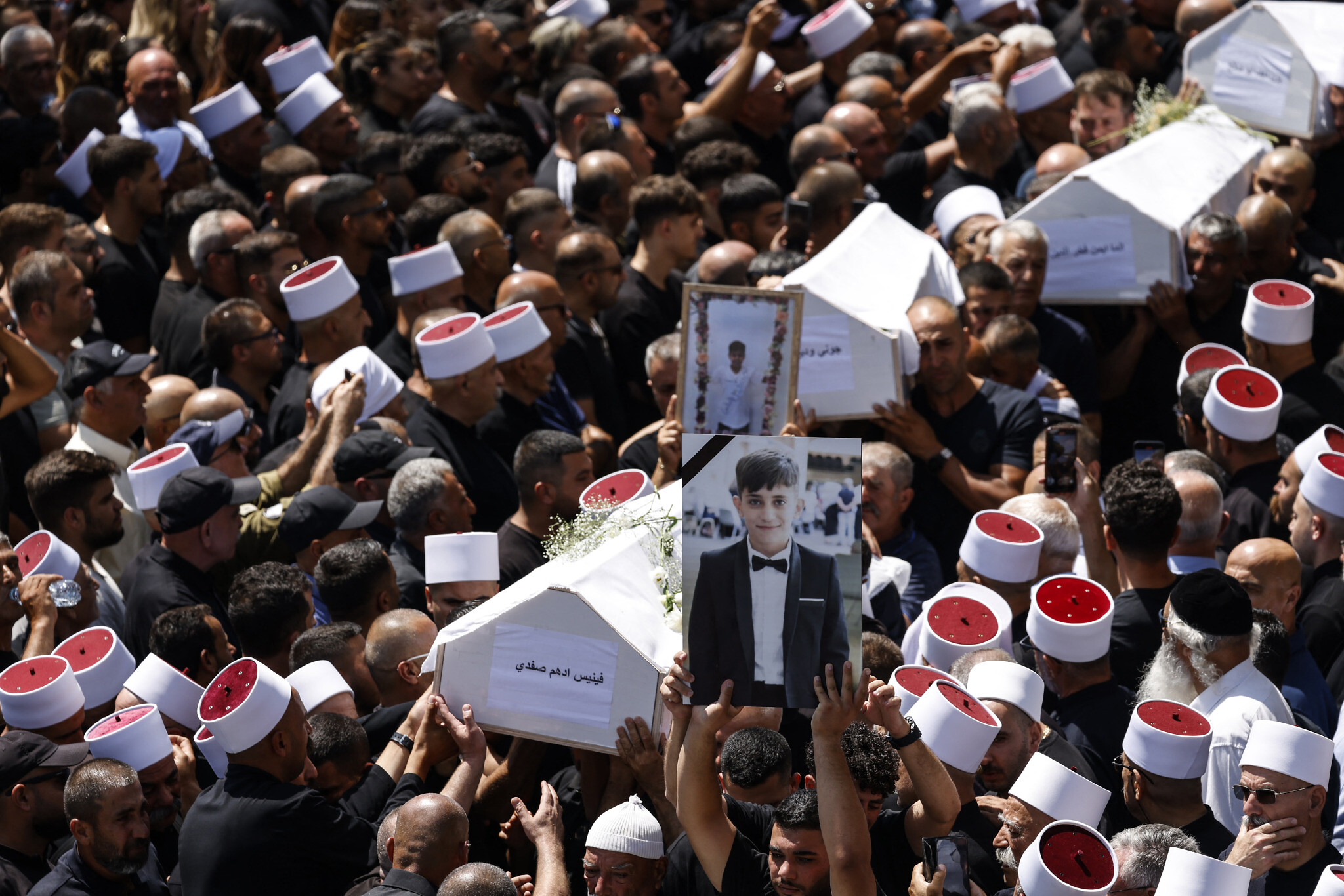
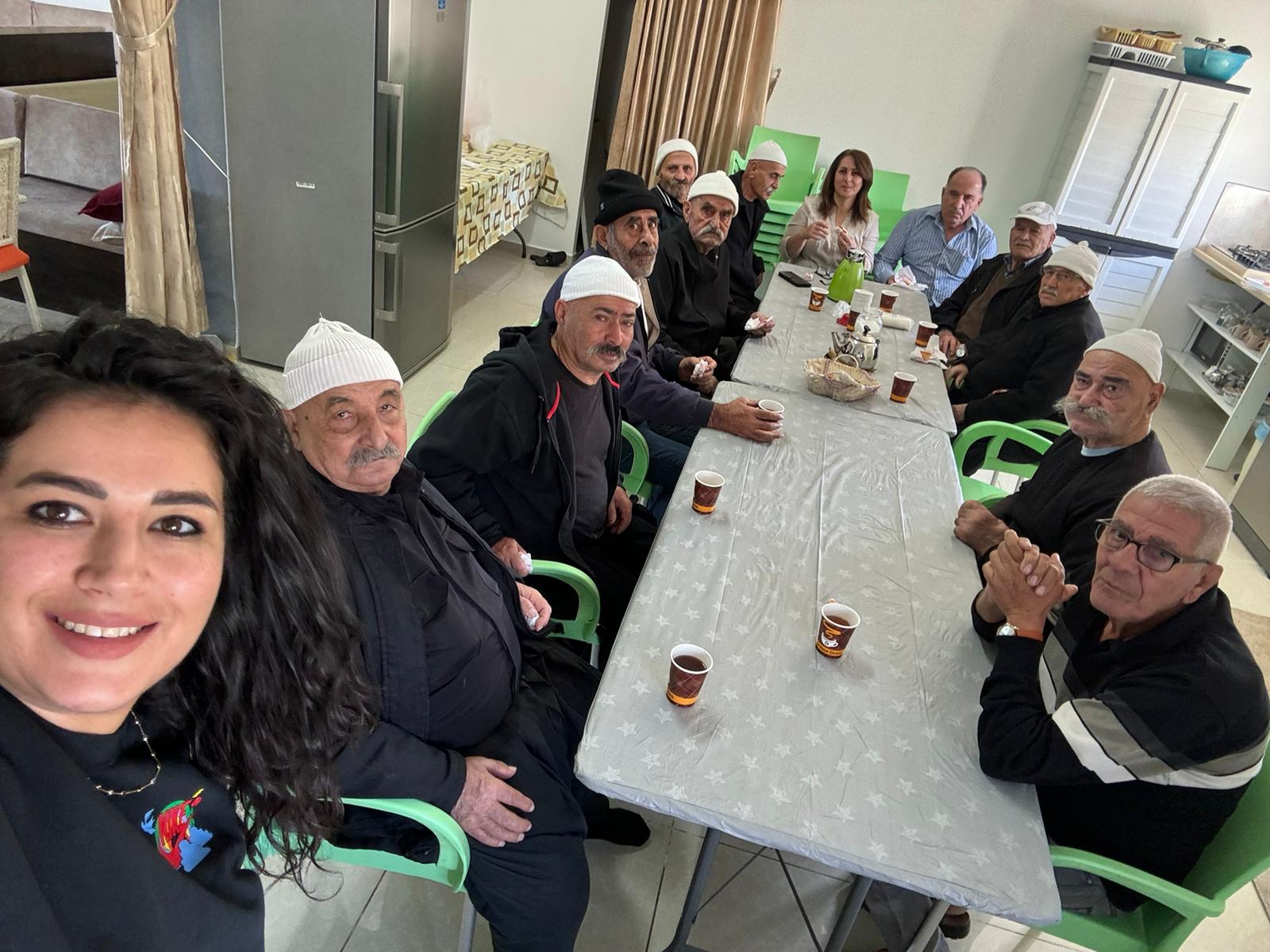
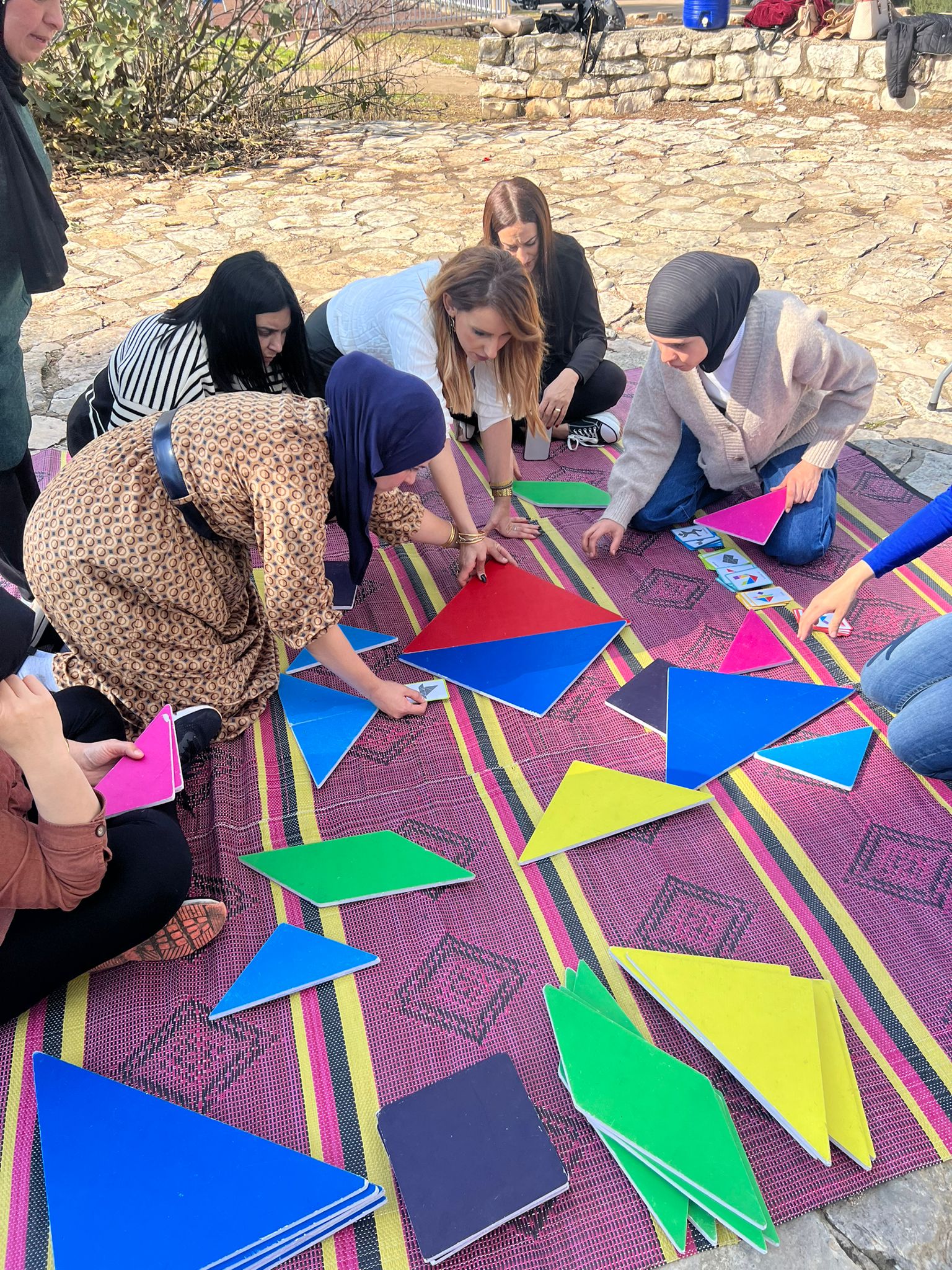
Arabic-speaking teams spent months meeting with local council officials, care professionals, and local residents to map out their clients’ diverse needs, visiting everything from schools and kindergartens to clubs for the elderly.
Layla Sawaed, a social worker and psychotherapist responsible for Arab-speaking communities at Mashabim, said that generating original materials adapted to Arab sensitivities was critical.
She noted a Mashabim video clip aimed at Israeli children, which featured a retired army pilot promising to protect them from the skies.
“Most Arabs (excepting the Bedouin and Druze) don’t serve in the IDF,” said Sawaed. “They don’t speak army language. So we filmed a clip of a clown for parents and children instead. He has funny ideas. For example, to encourage breathing, he tells them to smell a flower and blow out a candle.”
Other culturally sensitive approaches included holding separate workshops for men and women in conservative locations or only using images of women dressed modestly.
“There isn’t even an Arabic word for resilience,” she added.
Mashabim’s founder and driving force, Prof. Mooli Lahad, told The Times of Israel that following his organization’s massive expansion of services for northern Israel’s Arabic speakers, the area’s Muslims, Christians, Druze, and Bedouin citizens were exhibiting an increasing readiness to accept help from outside their communities.
Psychologist Amir Wakid directs “Route 70,” one of four new branches in the Western Galilee. Route 70, named for the highway, serves five Muslim and Druze towns. The plan is to open treatment rooms within each town, Wakid said. However, to date, only two have opened in Wakid’s branch: in Kfar Yassif and Jdeide Makr. Funds are insufficient, and with a shortage of Arabic-speaking therapists and a ballooning number of requests, waiting times can exceed two months, he explained.
Since the start of this latest military confrontation between Israel and Iran, there had been around 140 calls to Mashabim’s Arabic-language hotline, up from just six in the period immediately after October 8, 2023, he said. On that date Hezbollah began firing rockets at Israel in support of fellow Iran-backed terror group Hamas, which had murdered 1,200 people and abducted 251 in southern Israel the previous day.
Multiple layers of anxiety
Lahad explained that Israel’s Arabic-speaking communities suffered from multiple sources of anxiety. These included the ongoing violence in Arab towns by armed gangs that has already claimed over 60 lives since January; missile attacks from Iran and Hezbollah; a shortage of protected spaces to which to run; and fears that Jewish Israelis might retaliate if someone said something that could be misconstrued, for example, about Muslims.
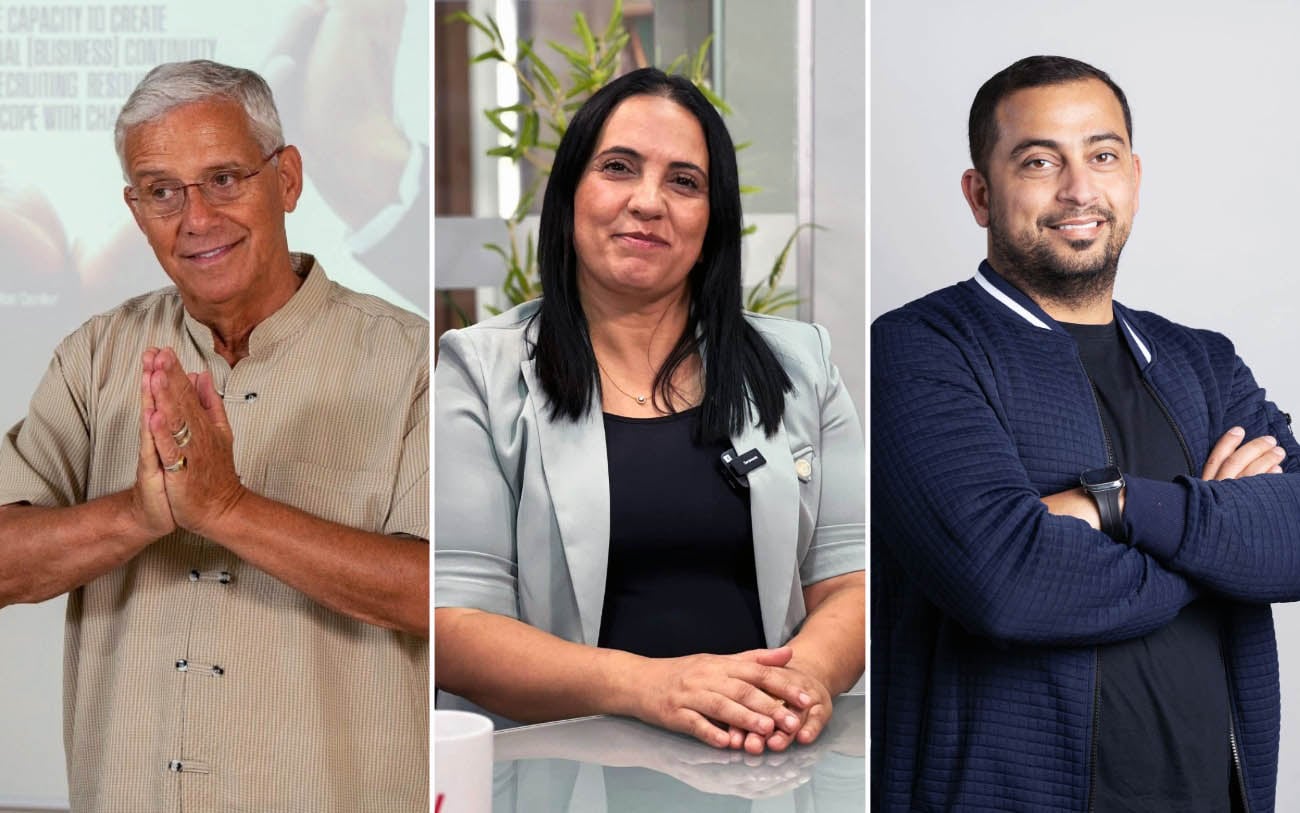
One obstacle to be overcome was the shame and stigma traditionally associated with seeking external support, Lahad went on. Anxiety, he said, was often equated with mental illness, which in conservative circles could lead to social isolation and potentially damage a family’s marriage prospects.
Arabic speakers were also exposed to Arabic media, Lahad continued — to ghastly footage from Gaza and fake posts from Iran, saying, for example, that the whole of Israel was burning.
“They’re frightened of everyone,” Lahad said. “It’s a generalized fear. All the research, even from the 2006 Second Lebanon War, shows that symptoms of anxiety in the Arab Israeli population are greater than in the Jewish population many times over.”








The Times of Israel Community.