

For Jews, an odyssey out of the frying pan and into America’s melting pot
PBS special ‘The Jewish Journey,’ premiering Tuesday, depicts conflicting emotions in arriving to a land with freedom of — and from — religion
 Add ToI as a Preferred Source on Google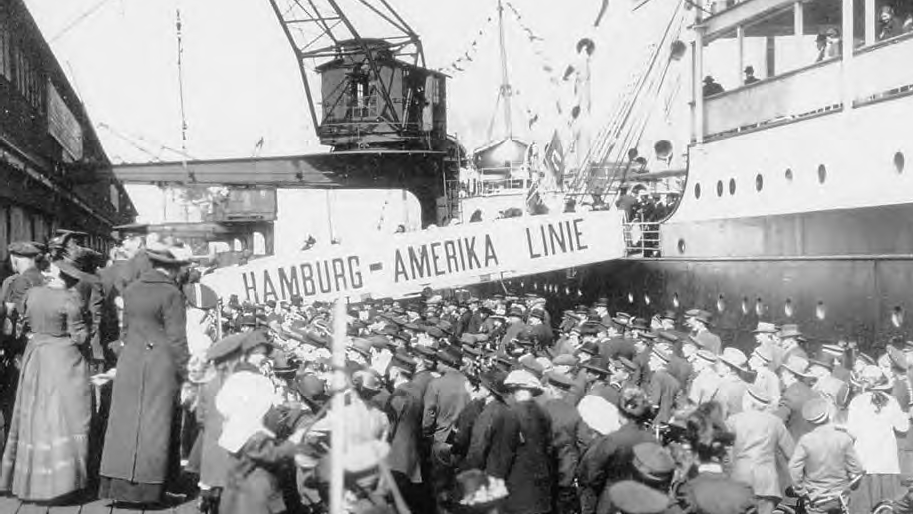
NEW YORK — When Rabbi Marc Angel describes his adjustment to Yeshiva University in the 1960s in new PBS special “The Jewish Journey: America,” it was neither the classes nor bustling New York City that he found challenging. It was the Ashkenazi food.
“Everything was brown. Roasted chicken, kugel, cholent, gefilte fish, and honey cake for dessert and tea,” he laments in the one-hour documentary, which will premiere March 3 on PBS stations across the United States.
Originally from Seattle, the American-born Sephardic rabbi is the founder and director of the Institute for Jewish Ideas and Ideals. He is also rabbi emeritus at The Spanish & Portuguese Synagogue in New York.
His is one of the personal stories this new documentary features, alongside observations about Jewish immigration to the United States by historians, scholars, and Jewish-American writers.
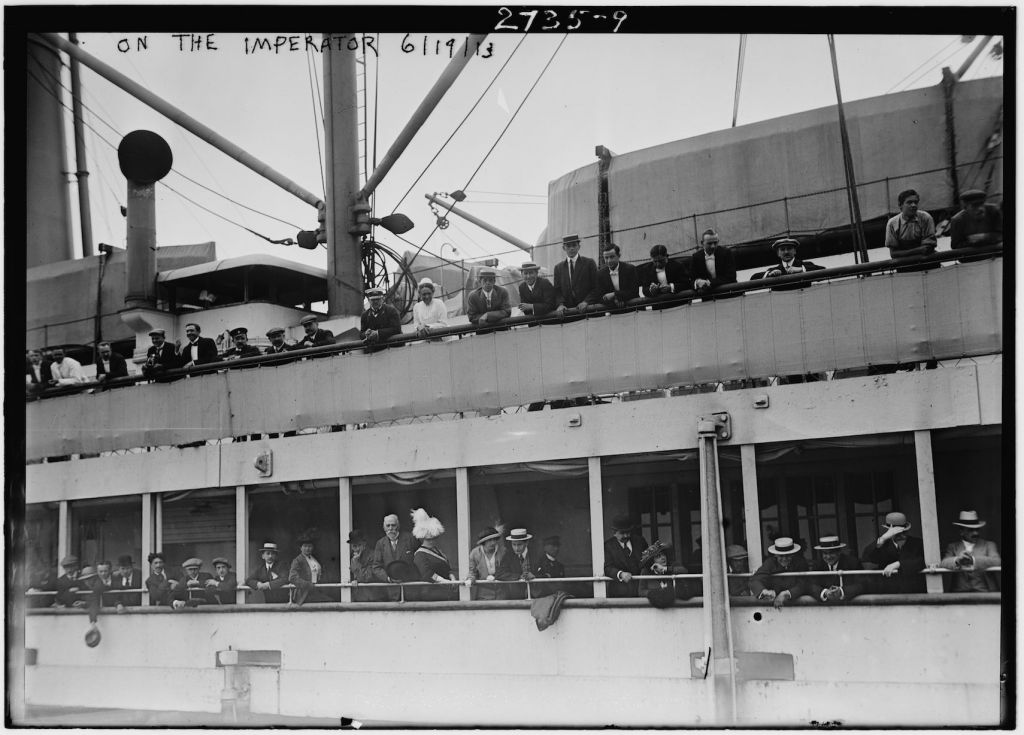
So often American Jews are portrayed monolithically as coming from Eastern European shtetls, but showing the perspectives of many groups is one of the film’s strengths. The range of “Old Countries” spans from Europe to the Middle East and the documentary delves into why and how groups of Jews left their home countries, and what life was like for them when they got to America.
Jews began living in America as early as the 1650s and settled in New York, Rhode Island, Georgia, and South Carolina. It may surprise some viewers that Jews fought in both the American Revolution and the Civil War and the film is enhanced by archival material, photos and footage leading back to the beginning.
The immigration story is unique for each wave of immigrants. Emmy Award-winning producer Andrew Goldberg hopes to reach American Jews who might not be familiar with their own family histories.
“Jews in America come from countless countries around the world and our hope is that in our short hour-long show, we might be able to shed more light for them on how their families got here,” he told The Times of Israel.
Goldberg’s previous work includes “A Yiddish World Remembered” and “Jerusalem: Center of the World.” This new documentary will also be informative for non-Jews who may not know very much about how Jews immigrated to the United States.
Cynthia Kaplan Shamash describes a rushed departure from her home in Iraq that included burning family pictures, staying silent so as not to reveal a Judeo-Arabic accent, dressing as modest Arab women, and spending five weeks in prison before finally boarding a plane for America.
“I remember when the plane took off the tarmac there was a sigh of relief. That we were free,” Shamash recalls in the documentary.
“Many Jews who came here did so since they were being persecuted,” said Goldberg. “Anti-Semitism is alive and well all over the world and it is important to remember that, despite the relative lack of any widespread or severe anti-Semitism here in the US.”
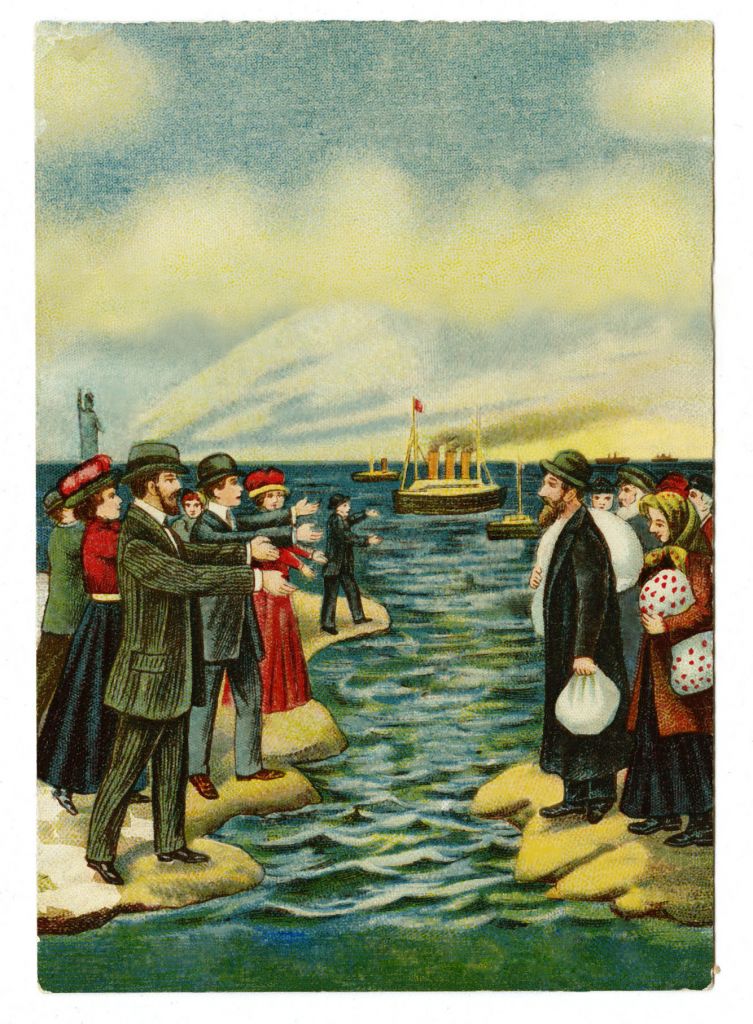
Russia to America. (From the Library of Congress Prints and Photographs, circa 1900-1920)
The conflicting emotions of hope for economic opportunity alongside a deep fear of life in this secular, “godless” country are present among all of the immigrants. America isn’t simply seen as a country with freedom of religion in which Jews are able to observe Shabbat and kosher laws as they please. It is also a place where there could be freedom from religion for its inhabitants, a terrifying thought to some émigrés who were afraid of the value system — or lack thereof.
“In America even the air is full of pork,” worried many Jews, according to Professor Hasia Diner’s interview in the documentary.
Overall, there was “hope that this place would be a place where things could be better than where they came from,” as Goldberg put it.
“We tend to think it was so easy. They come, then they’re workers in a sweatshop, then they own a penthouse on Fifth Avenue. It doesn’t work that way,” Michael Stanislawski, a professor of history at Columbia University, explains in the film. “It’s a horrible dislocating experience to move to a place where you don’t know your way around, you don’t know the language, you don’t know the culture, don’t have the moorings of traditional society.”
It was not until aid organizations, synagogues, and loan societies were established that the immigration experience got easier.
It’s a ‘miracle’ that American Jews are still Jewish
There are certainly still challenges to living a Jewish life in America. Cat Greenleaf, host of “Talk Stoop with Cat Greenleaf,” describes wanting to impart Judaism to her two adopted children whom she raises with her Catholic husband.
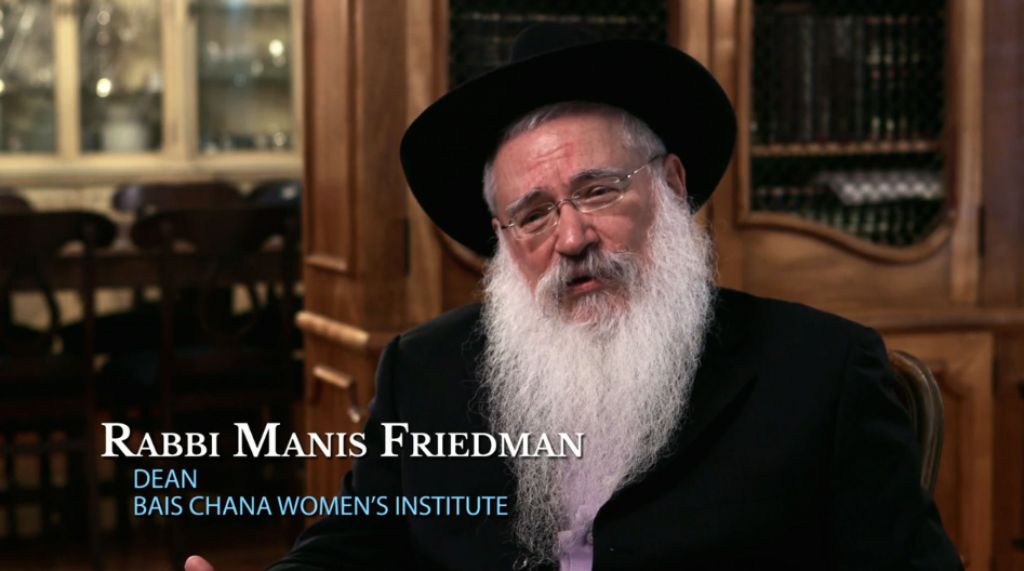
On the other hand, Rabbi Manis Friedman, dean of the Chabad Bais Chana Women’s Institute, notes the variety of levels of observance in the United States. He remarks that it’s a “miracle” that American Jews are still Jewish.
“The fact that observance is growing, the study of Torah is growing, nobody expected that. My grandfather didn’t expect that when he came to America. He gave up on me,” laughs the heavily bearded rabbi.






The Times of Israel Community.