

How Roma and Jews went from ‘familiar strangers’ to partners in Holocaust memory
In his book ‘Rain of Ash,’ historian Ari Joskowicz tracks Romani-Jewish relations since World War II, from decades of ‘mutual suspicion’ to ‘unlikely success story’
 Add ToI as a Preferred Source on Google
Reporter at The Times of Israel
When Holocaust architect Adolf Eichmann was put on trial in Jerusalem, the genocide of Europe’s Roma people also temporarily took center stage.
The epic trial included testimony from Aron Bejlin, a Jewish physician who worked in the so-called “Gypsy camp” of Auschwitz-Birkenau. After speaking about the gassing murder of thousands of Romani prisoners in 1944, Bejlin extrapolated on the so-called “racial” origins of Europe’s Roma people.
“Naturally, amongst these Gypsies there were also blond types with blue eyes,” said Bejlin, who had not been asked about the appearance of any inmates.
“Either they were offspring of mixed marriages, where the wife did not want to part from her husband, or they were the second generation. At any rate we had blond Gypsy men and women,” said Bejlin.
Instead of the anticipated account of shared Jewish-Roma suffering under the Nazis, Bejlin went on to refer to a “white” camp (for Jews) and the “other” camp, where “Gypsies” were incarcerated.
In historian Ari Joskowicz’s new book, “Rain of Ash: Roma, Jews, and the Holocaust,” Bejlin’s racially tinged testimony during the Eichmann Trial is one example of the Roma people’s story being told by others, including Jewish survivors.
Placing his book among the “burgeoning Romani-Jewish engagement that it describes,” Joskowicz, an associate professor at Vanderbilt University, hopes to “inspire a new dialogue about the opportunities and challenges of such unequal alliances,” he told The Times of Israel in a recent interview.
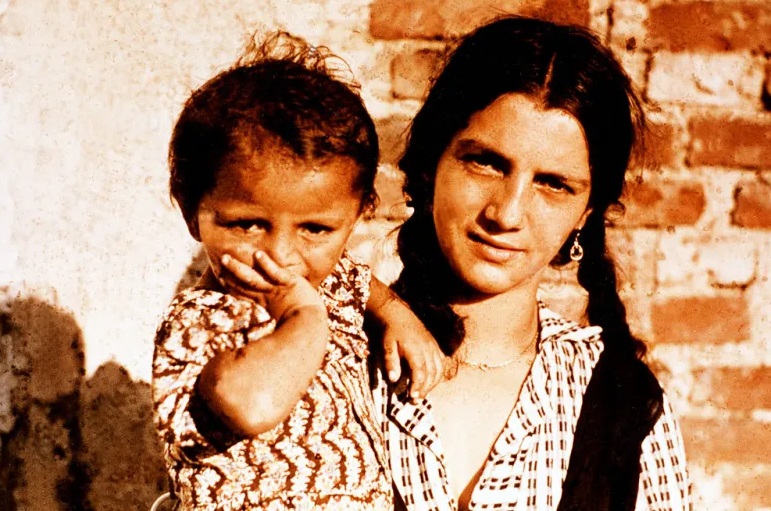
Beginning 50 years ago, Romani activists started to organize and alter the narrative of Jewish-Romani relations, with the organized Romani community starting to demand reparations and recognition as Holocaust victims.
“Facing ongoing suspicion and discrimination, it made sense for Roma to draw a closer relationship to Jews who had survived the war — comparing their experiences to Jewish experiences, seeking the aid of Jewish organizations, or deciding that their best hope was to ask to be treated like Jewish victims,” wrote Joskowicz, whose grandparents were Holocaust survivors.
Europe’s Romani population has been called “the true descendants of Cain” by right-wing politicians, and Roma people have been scapegoated for centuries. In Romania and elsewhere, freedom of movement and other European Union rights do not apply to them.
In his book, Joskowicz traces how Jews and Roma slowly became partners in shared memory, from researching alongside each other in Holocaust archives to lobbying together for reparations.
“Jews and Roma, who once mostly saw each other as abstract reflections and familiar strangers, increasingly find opportunities to engage with their differences,” wrote Joskowicz.
‘To be treated like Jewish victims’
The Romani people are Europe’s largest minority, at about 11 million people. For centuries, they have been derogatorily called “Gypsies” because of the myth they came from Egypt.
In actuality, the Roma people migrated from India about 1,500 years ago. Today they identify as distinct ethnicities based on territorial, religious, dialectal, and other factors. For example, Romani people in German-speaking areas identify as Sinti, whereas in French-speaking areas they are called Manush.
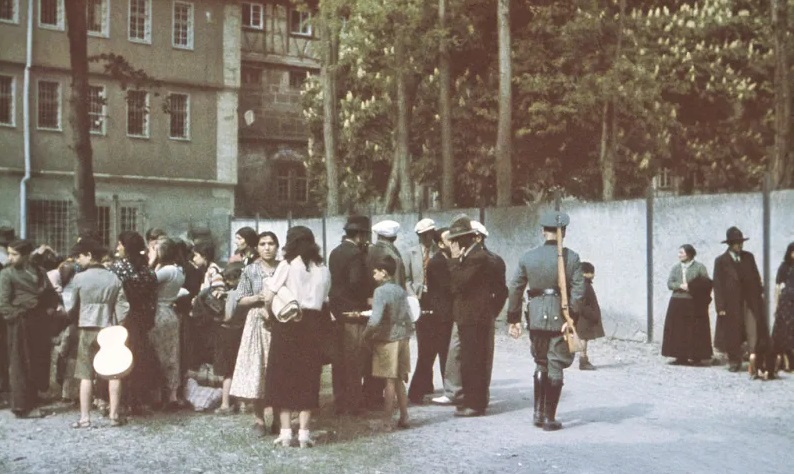
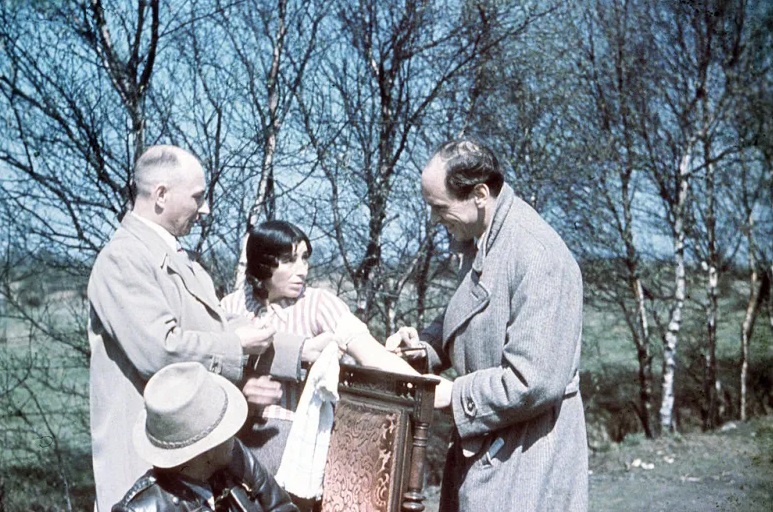
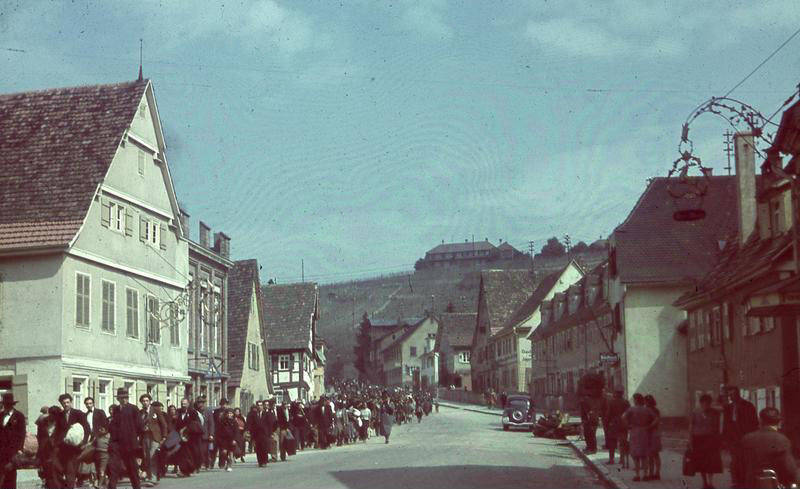
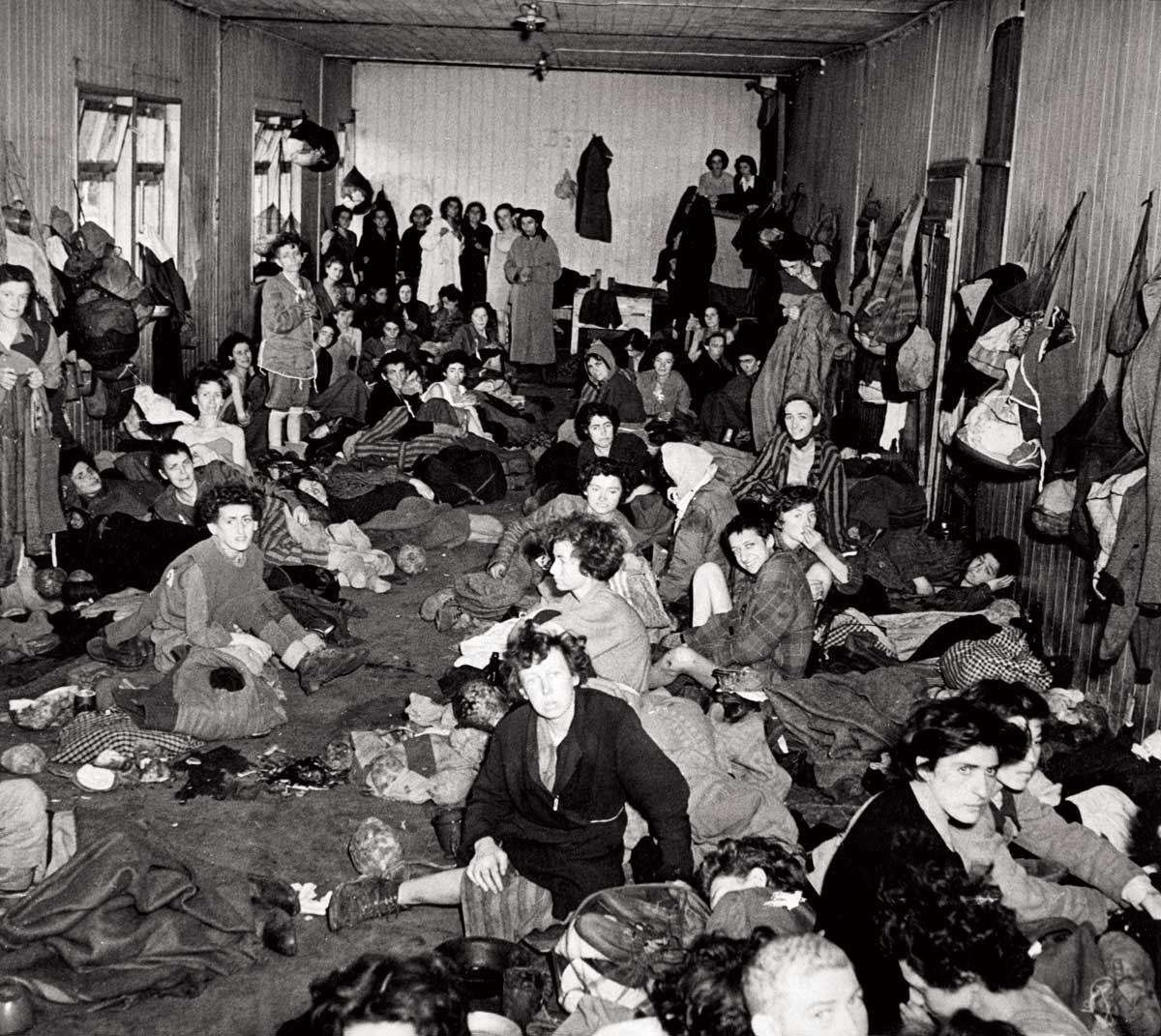
During the Holocaust, Romani people were imprisoned in ghettos and concentration camps, sometimes alongside Jews. At Auschwitz-Birkenau, there was a Roma “sub-camp” with families kept intact by the Germans in case international inspectors came to tour.
Historians estimate more than 500,000 Roma were murdered in the Porajmos, or Devouring. As with Europe’s Jews, Romanies were initially murdered in the so-called “Holocaust by Bullets,” followed by deportation to death camps with gas chambers.
Romani survivors regularly faced suspicions that they were unreliable witnesses
While Jews received recognition as victims after World War II, nations including West Germany continued to register and label Romani survivors as “Gypsies,” a term that “undermined attempts to remedy past injustices but also made an individual the target of further injustice,” wrote Joskowicz.
“Romani survivors regularly faced suspicions that they were unreliable witnesses and also remained the target of heavy, coercive policing in West Germany after the war,” wrote Joskowicz. “While Jewish witnesses also experienced unfriendly cross-examinations, most lived outside the court’s jurisdiction and did not endure ongoing persecution by the state,” he wrote.
According to the United States Holocaust Memorial Museum, “only in late 1965 did the West German compensation law explicitly acknowledge that the acts of persecution that took place before 1943 were racially motivated, creating eligibility for most Roma.”
During the 1970s, several events influenced the course of Romani “memory work” into the genocide, including the first international gathering of activists.
“Our people must combine and organize to work locally, nationally and internationally,” said Slobodan Berberski, who chaired the first Roma World Congress, held in London in 1971.
“Our problems are the same everywhere: We must proceed with our own forms of education, preserve and develop our Romani culture, bring a new dynamism into our communities and forge a future in accordance with our lifestyle and beliefs. We have been passive long enough and I believe, starting today, we can succeed,” Berberski told Romani delegates in London.
As documented in “Rain of Ash,” the television miniseries “Holocaust,” aired in 1978, helped increase awareness of the Romani genocide and other Nazi victim groups, including when the series was aired in West Germany.
‘To remedy past injustices’
After the Roma World Congress, the trajectory of Romani-Jewish relations started to change. From an “incomprehension of the suffering of the other,” wrote Joskowicz, activists from both groups built productive relationships.
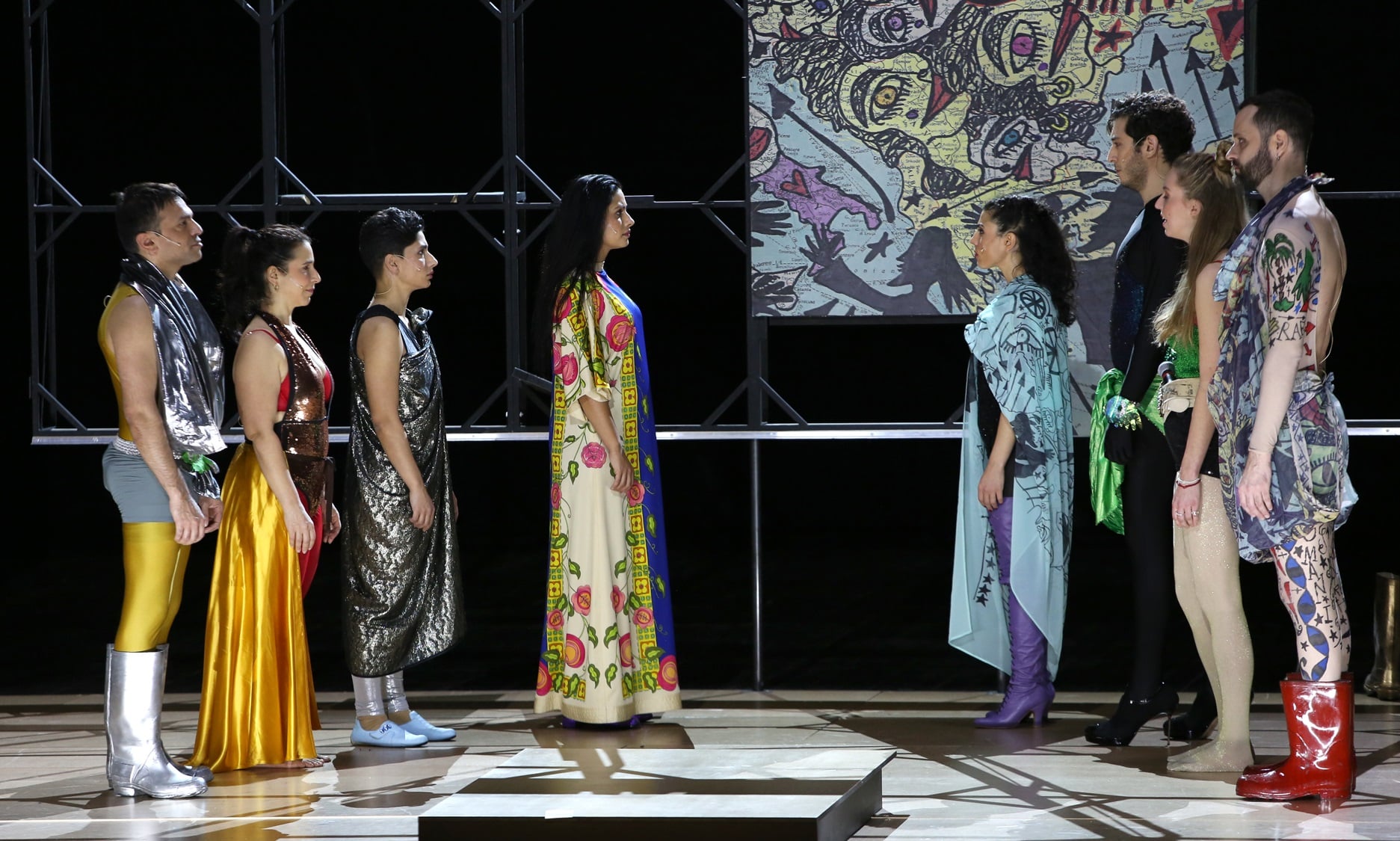
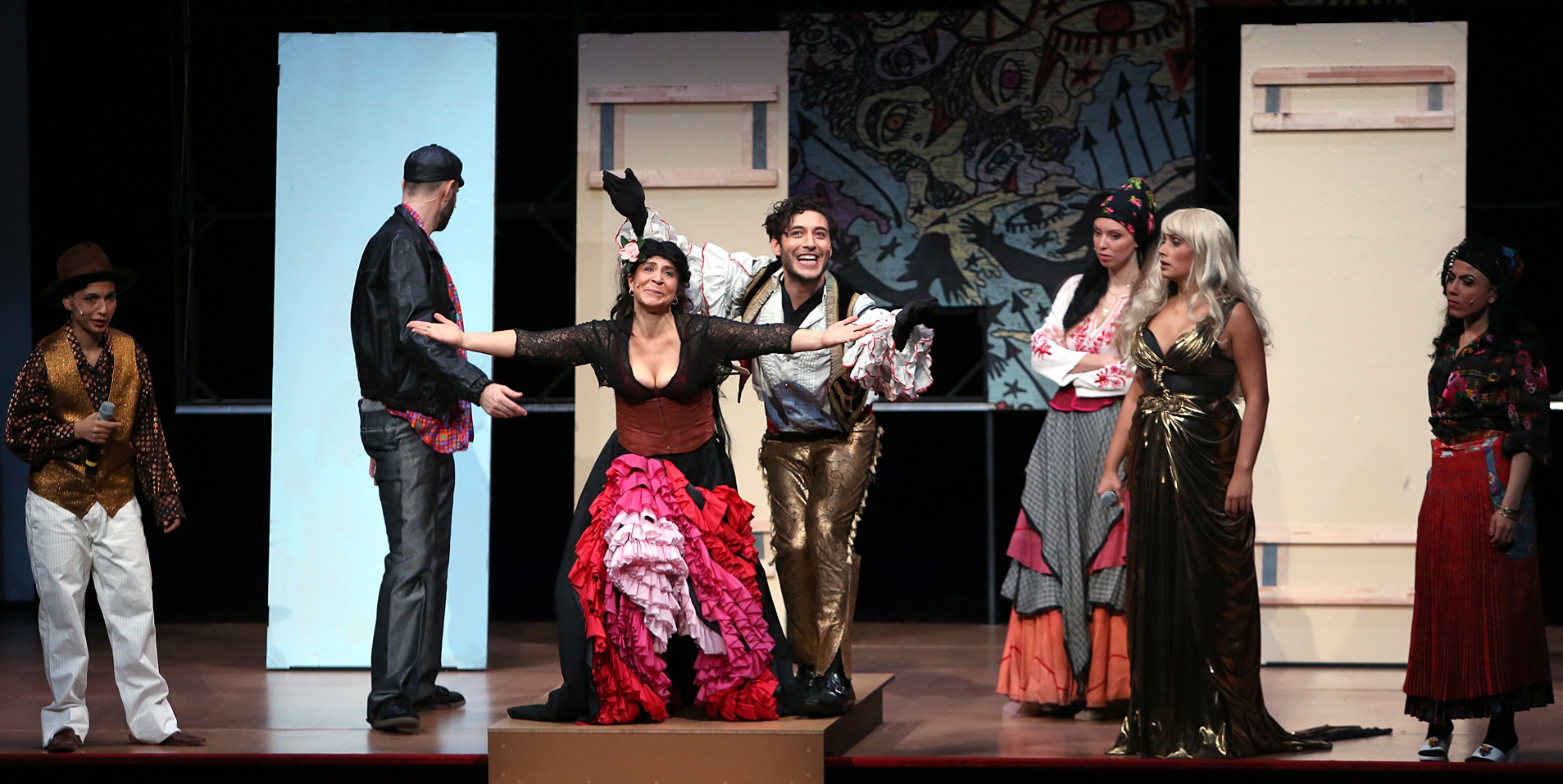
In recent years, Jews and Roma have come together in many forums, including theater. For example, a touring play called “Roma Army” — launched in 2017 by Berlin’s Maxim Gorki Theater — features mostly Romani actors and is about “the biographies of the specific actors on stage,” said Joskowicz.
Directed by Jewish-Israeli Yael Ronen, the play depicts the actors “as people stigmatized for being Romani, Travellers, gay, queer, or poor; they dwell on violence and shame, on divorces and body image,” wrote Joskowicz.
According to European population statistics, Roma people live 10 years fewer, on average, than non-Romani Europeans. The child mortality rates for Roma are two to six times higher than the general population’s rates.
“Romani Europeans — much like others deemed non-white in societies that continued to privilege whiteness — can point to continuous racism that shapes their everyday lives,” wrote Joskowicz.
Whereas Romani activists once protested the exclusion of their narratives from the emerging USHMM, the institution has since become involved in researching the Romani genocide.
The shift at USHMM, wrote Joskowicz, was made possible by the “invisible labor of individuals on the ground, changes in their scholarly focus, and the tendency to expand their mandate into adjacent areas of expertise,” he wrote.
The issue of whether or not the Romani people experienced genocide is no longer controversial, said Joskowicz.
“Joint commemorations of the Holocaust that emphasize suffering — whether unique or shared, particular to their context or generalizable in their lessons — now provide participants with a relatively safe political space by comparison,” wrote Joskowicz.
The most sensitive topic is not the uniqueness of the Jewish Holocaust but the politics of Israel
In Jewish-Romani alliances today, wrote Joskowicz, “the most sensitive topic is not the uniqueness of the Jewish Holocaust but the politics of Israel — something many Romani activists avoid and many Jewish activists wish they could avoid.”
Slowly, the “unlikely success story” of Romani-Jewish relations is becoming known, wrote Joskowicz.
“Groups that had little in common, moved in different ways through the world, and left different traces as they did so, eventually suffered next to each other without much understanding of each other’s fate,” wrote Joskowicz.
Rain of Ash: Roma, Jews, and the Holocaust by Ari Joskowicz
This article contains affiliate links. If you use these links to buy something, The Times of Israel may earn a commission at no additional cost to you.







The Times of Israel Community.