

IAEA offers UAE support after recent ‘carefully targeted’ drone attack on nuclear plant
Visiting Barakah facility, UN nuclear chief Grossi says attackers ‘knew exactly what they were doing,’ adds ‘this is of extreme gravity’; UAE has blamed Iraqi militias for the attack
 Add ToI as a Preferred Source on Google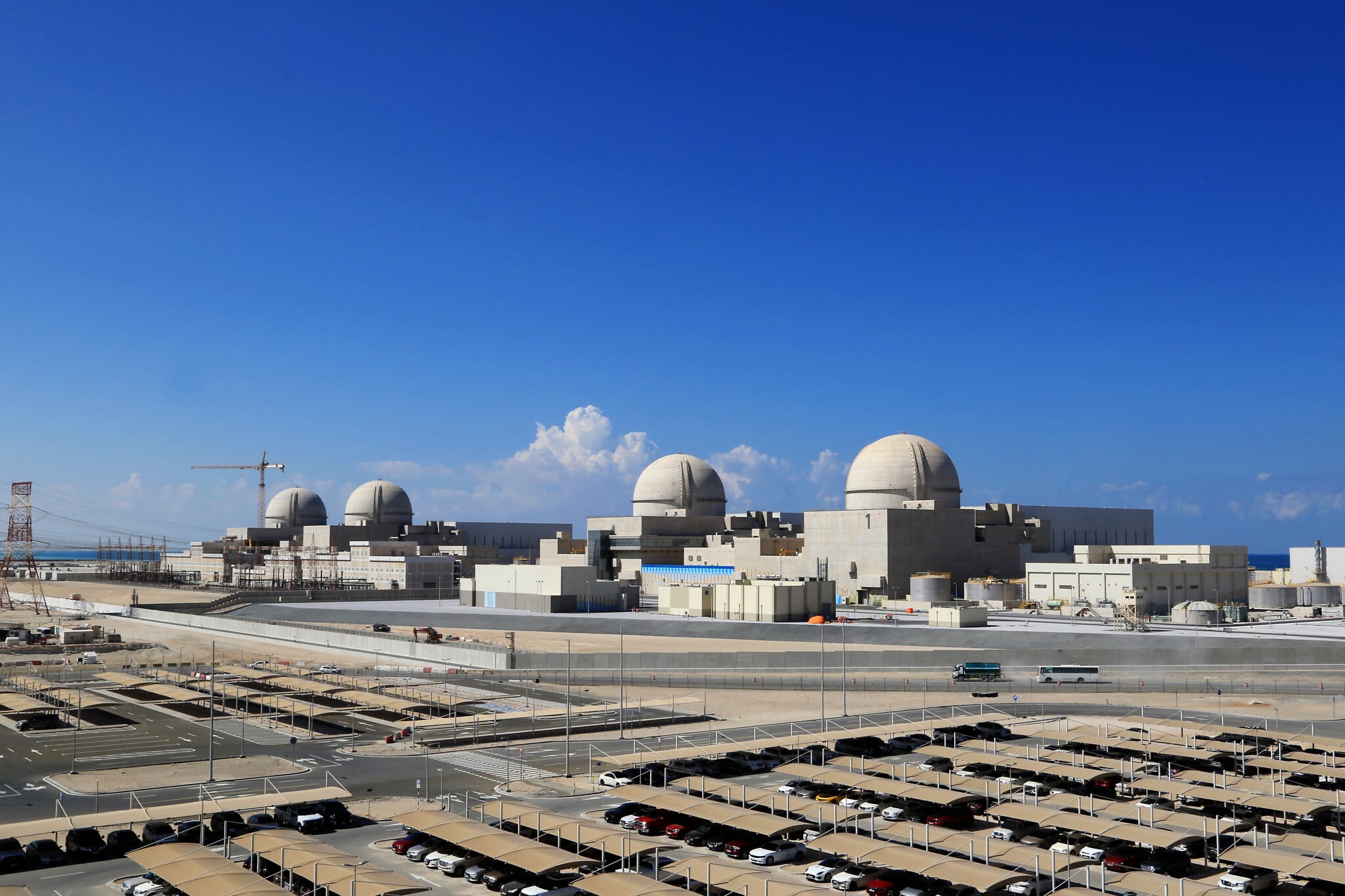
ABU DHABI — The International Atomic Energy Agency is offering the United Arab Emirates technical as well as moral support, IAEA chief Rafael Grossi said on Tuesday after a visit to the site of a nuclear power plant that came under a “carefully targeted” drone attack last month.
Grossi said Emirati authorities had reacted very quickly to the attack at the Barakah Nuclear Power Plant by shutting down a reactor because of the loss of external power.
The $20 billion Barakah nuclear power plant is the only nuclear power plant in the Arab world and can provide a quarter of the energy needs of the UAE. It came under a drone attack last month that the Gulf country said was launched from Iraq.
The drone that penetrated the UAE’s defenses hit an electric generator outside the inner perimeter of the plant, according to Emirati officials. It was one of three drones that were targeting the plant and only two were intercepted, according to the UAE’s defense ministry.
The IAEA chief said a number of activities would take place to complete repairs at the plant. He told Reuters that it could be a “matter of weeks” for the repairs to be completed, including a need for physical repair and also maintenance to an external power line. “The repairs are under way already,” he said.
“From what we saw this was a very carefully targeted operation,” Grossi told journalists in Abu Dhabi after visiting the plant. “This means that whoever was behind this knew exactly what they were doing. This is of extreme gravity.”
At the Barakah Nuclear Power Plant in the UAE ????????, where a drone strike on 17 May highlighted once again why nuclear facilities must never be targeted and why such attacks are completely unacceptable.
Thanks to the professionalism and swift action of the @ENEC_UAE and @FANRUAE,… pic.twitter.com/ufyWSylxWI
— Rafael Mariano Grossi (@rafaelmgrossi) June 2, 2026
Grossi said he was also visiting the UAE’s Gulf neighbors, who could be affected by any accident at the Arab world’s only nuclear plant. “I think this is pretty serious and this is why we have been very vocal,” he told AFP in separate remarks.
“I’ve been to Kuwait, to Qatar, now here, and I’m heading to Riyadh because several countries in the region have serious concerns,” he added.
Grossi said he would hold a special session of the IAEA’s board of governors and that the body is providing technical expertise and support for the UAE. The “worst-case scenario” would be a direct hit on Barakah or Iran’s Bushehr plant — which has also been targeted in the war — with the potential for a leak of radioactive material, he told AFP.
Cutting the power “has the practical effect of… necessitating emergency generation to keep the safety functions of the plant running,” he said. “To get to a meltdown would take much, much more. We would be talking of a situation where you would completely run out of external power.”
Important meeting in Abu Dhabi ???????? with @mofauae’s @ABZayed.
At a time of increased concern for nuclear safety in the region and following the recent attack on the Barakah Nuclear Power Plant, it was important to be in the UAE and reaffirm the @IAEAorg’s support. The… pic.twitter.com/bvVfSPpU2R
— Rafael Mariano Grossi (@rafaelmgrossi) June 2, 2026
After that drone strike, the UAE’s Federal Authority for Nuclear Regulation said the plant remained safe and that no radioactive material had been released due to the attack.
Hamad Al Kaabi, deputy chairman of the Board of Management of the Federal Authority for Nuclear Regulation, said Grossi’s visit “reflects the international community view that an attack on such a plant is not acceptable.”
It was the first time the four-reactor Barakah plant had been targeted in the war. Yemen’s Houthi rebels, whom the UAE has battled as part of a Saudi-led coalition, claimed to have targeted the plant while it was under construction in 2017, which Abu Dhabi denied.
Nuclear plants have increasingly been targeted in wars in recent years, including during Russia’s invasion of Ukraine that began in 2022. During the Iran war, Tehran repeatedly claimed its Bushehr nuclear power plant came under attack, though there was no direct damage to its Russian-run reactor or any radiological release.
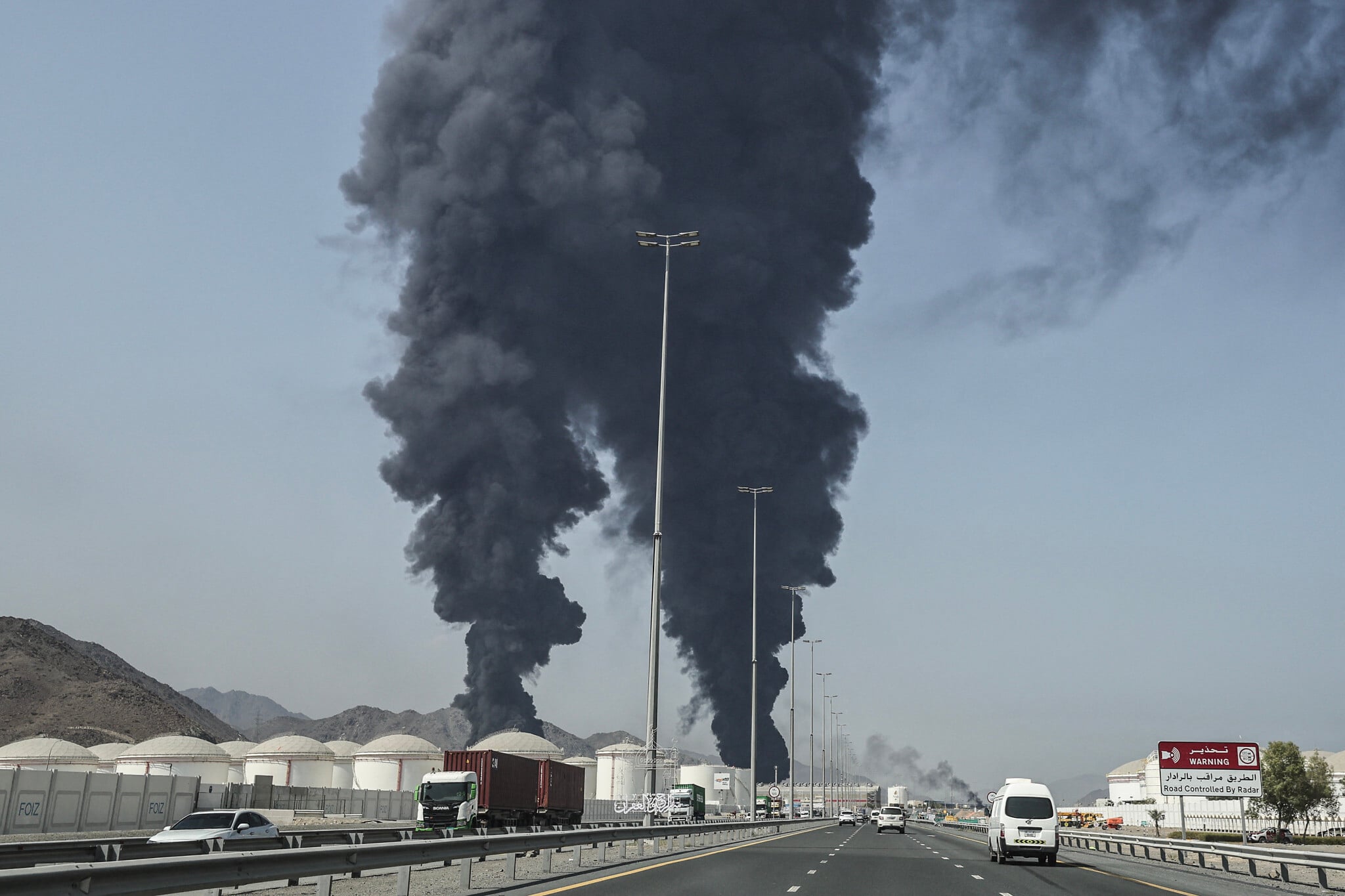
During this year’s war, Iran launched more than 550 ballistic and cruise missiles and more than 2,200 drones at the UAE, according to the Emirati defense ministry, making it the most-targeted country in the region, including Israel.
While hostilities during the Iran conflict have largely been scaled down since a ceasefire came into effect in April, drones have been launched from Iraq toward Gulf countries, including Saudi Arabia and Kuwait.




The Times of Israel Community.