

IDF to cut 1,000 posts, save NIS 1b in ground forces merger
As part of the streamlining ‘Gideon Plan,’ army chief Gadi Eisenkot shakes up military’s organizational structure
 Add ToI as a Preferred Source on Google
Judah Ari Gross is The Times of Israel's religions and Diaspora affairs correspondent.
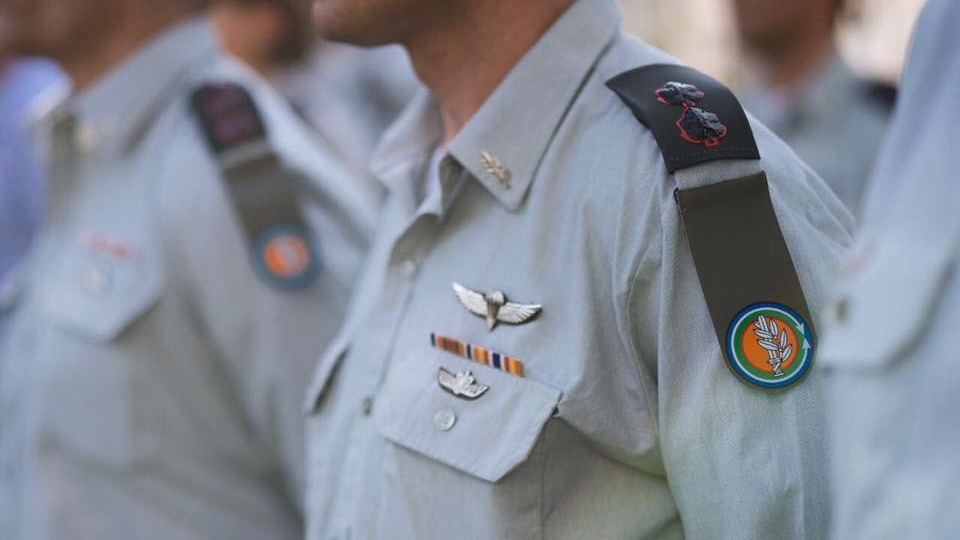
In an organizational restructuring, the Israel Defense Forces merged its Ground Forces with the Technological and Logistics Directorate this month, in a move that is expected to save the army NIS 1 billion ($265 million) over the next five years, the head of the project, Brig. Gen. Ziv Avtalyon, told The Times of Israel.
That money will come, in part, from cutting the positions of some 1,000 positions, including “commissioned and non-commissioned officers — at every rank and every level — along with some civilian employees,” Avtalyon said.
The rest of the NIS 1 billion that will be saved, he added, will come from what’s known as “direct money” — funding spent on such things as maintenance and human resources.
However, Avtalyon stressed, the merger is not only a cost-saving measure, but is designed to make the army more capable in both “building its fighting force” and supplying it by cutting out redundancies and the unnecessary bureaucracies inherent in having separate units responsible for similar tasks.
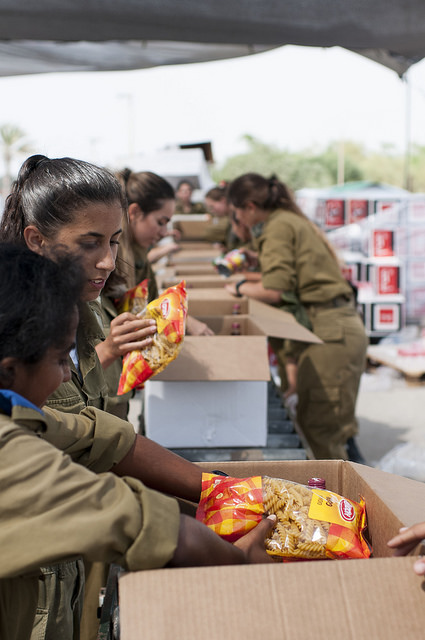
The Technological and Logistics Directorate is responsible for providing a whole host of services to the army, including the military’s medical facilities, supplying equipment and food, building army bases, developing and maintaining the IDF’s ordnance and weaponry, and more.
The Ground Forces, meanwhile, is responsible for the training and instruction of the infantry, armored, artillery, combat engineering and field intelligence corps. The Ground Forces creates those units’ fighting doctrines — how they actually operate — and also run the army’s training bases.
The amalgamation project is known in Hebrew as Yahad, a play on words as it is both an acronym for yabasha hadasha — new ground — and the Hebrew word for “together.”
Though the two formally merged, the resulting combined unit will be known as the Ground Forces, Avtalyon said.

IDF Chief of Staff Gadi Eisenkot proposed the project in January, and this month the two units were formally joined, though it will take nearly a year for the changes to go into effect, Avatlion said.
“We created 17 work groups that looked in depth at all of the current processes. There were some we needed to cancel, some new ones we needed to create,” he said.
The integration of the Ground Forces and the Technological and Logistics Directorate is part of the army’s Gideon Plan, a five-year program meant to make the army both leaner and more effective.
The overall plan will see a reduction in personnel across the board, specifically among career army soldiers. Under the plan, by January 2017 only 40,000 career soldiers will remain in the IDF, a military official said in November 2015.
The integration of the Ground Forces and the Technological and Logistics Directorate is expected to be completed by September 2017. However, further organizational changes within the new Ground Forces will continue into 2018, Avtalyon said.
According to the Globes financial newspaper, the international consulting firm McKinsey & Company was brought in to assist the army in the merger, with those involved undergoing security screenings.
“Over the years, McKinsey has gathered rich experience in managing mergers and streamlining processes for military and civilian groups and bodies throughout the world,” the army told the paper.
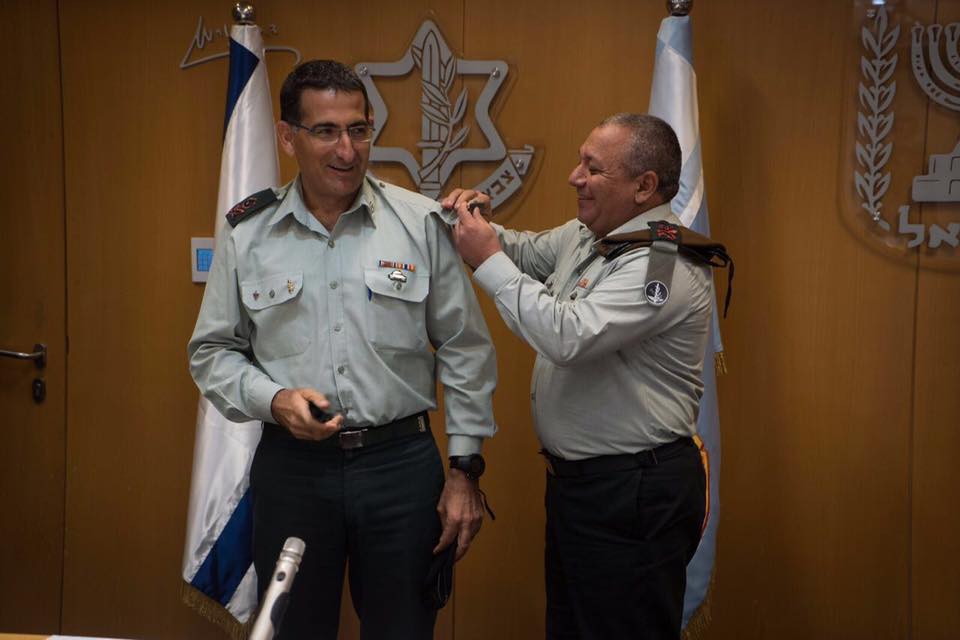
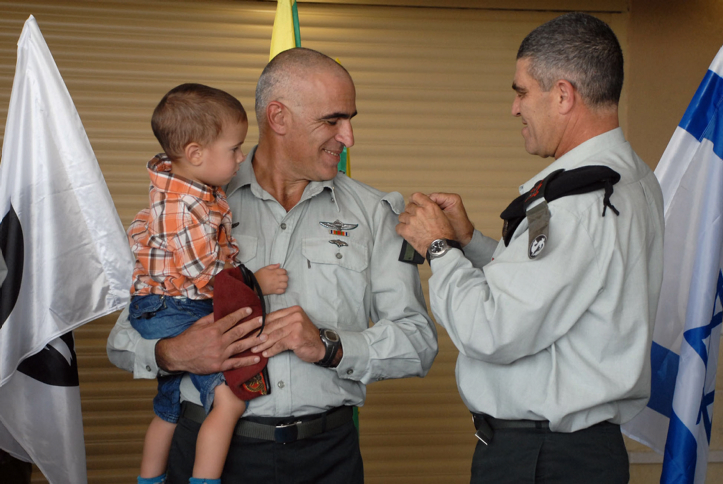
The new Ground Forces will be led by three major-generals, Kobi Barak, Aharon Haliva and Yossi Bachar.
Barak became head of the Ground Forces in August, prior to the merger. His previous position was head of the Technological and Logistics Directorate from 2012 to 2016, making him uniquely qualified for the task.
In his new position, Barak will be responsible for many of the tasks from the old Ground Forces, training soldiers and crafting fighting doctrines. In regards to those issues, Haliva and Bachar will be subordinate to him, Avtalyon said.
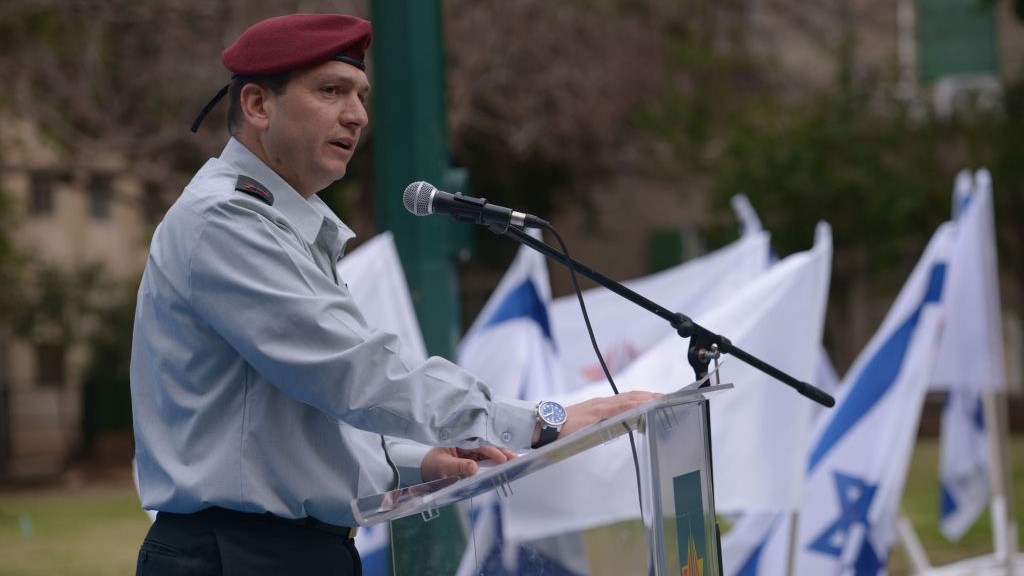
However, in times of war or emergency, Haliva will command the unit’s soldiers in maintaining supply lines and managing everything connected to logistics. In times of peace, Haliva will be responsible for the management of the unit, Avtalyon said.
Within the Ground Forces, Bachar is responsible for preparing soldiers for command. However, in times of emergency, he would command the General Staff Corps, a war-time only unit.
According to Avtalyon, this organizational restructuring is relevant only during the day-to-day. In times of war, “there’s really, really no change” from how the units operated before the merger.
“Everyone knows what their role will be in an emergency,” he said. “That was a lesson we learned in 2006, during the Second Lebanon War.”
During that operation, the IDF noted serious issues in both the training of soldiers and the army’s supply lines. The former meant the soldiers were poorly prepared to fight an enemy like Hezbollah, while the latter meant troops lacked essential materiel, like food.
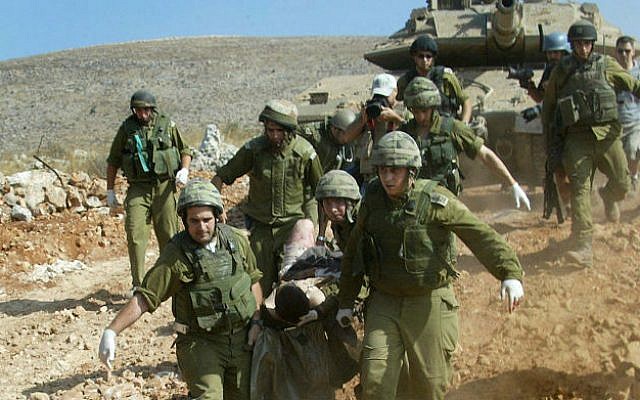
“We’ve since been in a process of reorganization in the ground forces and logistics directorate in order to overcome the several challenges that came out of that conflict,” Avtalyon said.
As the two units combined, the IDF needed a new symbol to represent it. Soldiers were invited to submit designs and in the end they settled on the one pictured above, which included elements from both the Ground Forces’ earlier symbol and the Technological and Logistics Directorate’s symbol (below).
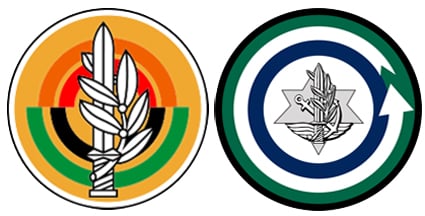
The sword and olive branch from the Ground Forces replaced the General Staff’s symbol — a sword and olive branch in front of an anchor for the Israeli Navy and a pair of wings for the Israeli Air Force — that had been in the directorate’s.
The blue and white from the directorate’s symbol joined the green, gold, orange and red from the Ground Forces. The arrows on the directorate’s symbol were also integrated into the design.
The new tag, which will be present on official documents, flags and tags worn on soldiers’ shoulders, “represents the integration of the various corps in the Ground Forces and Technological and Logistics Directorate,” Avtalyon said.




The Times of Israel Community.