

IEA chief: Energy crisis due to Iran war a ‘major, major threat’ to global economy
Closure of the Strait of Hormuz and attacks on energy infrastructure more disruptive than 1970s oil shocks, Birol says; Trump and Iran threaten to start targeting power plants
 Add ToI as a Preferred Source on Google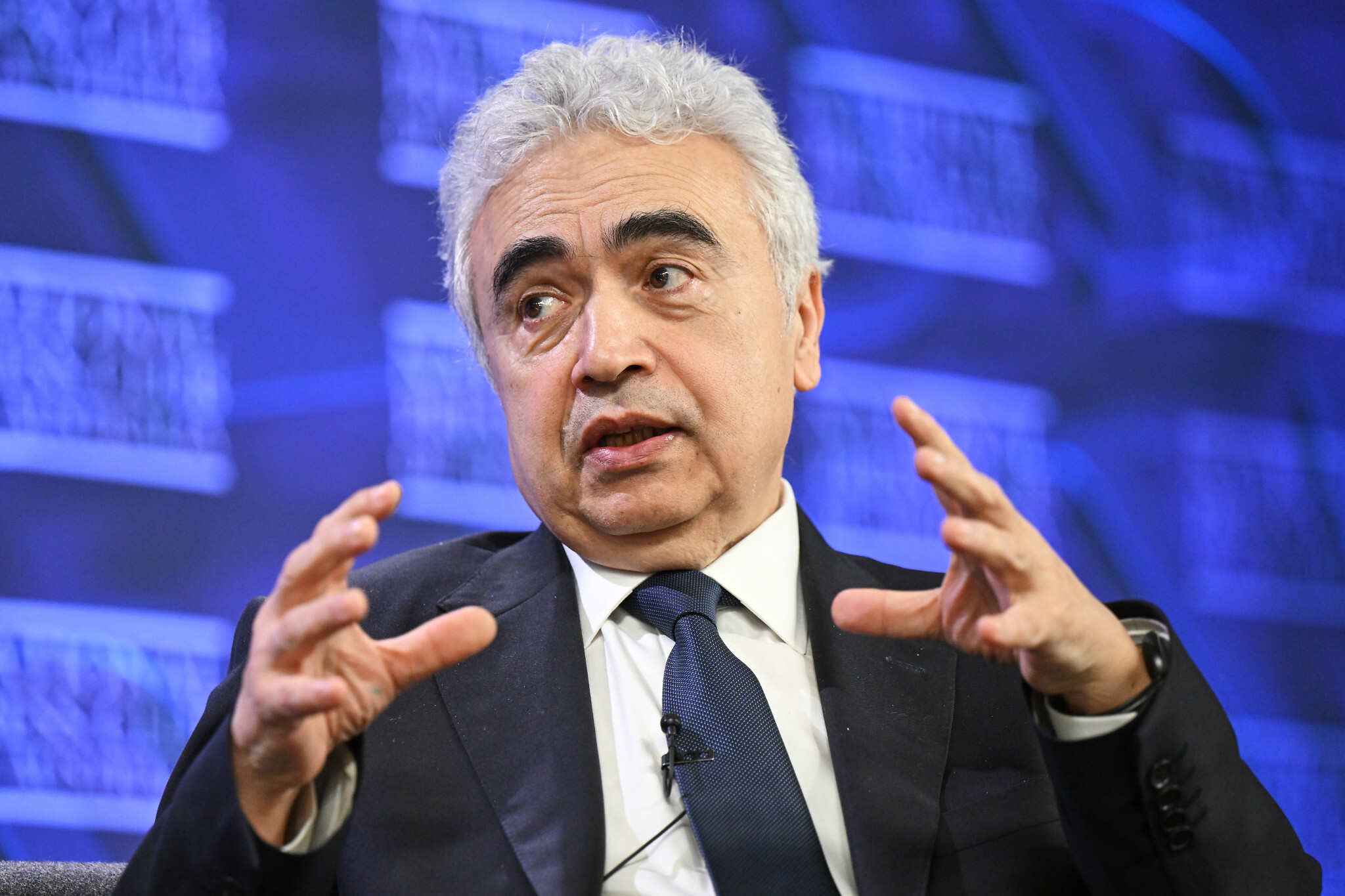
WELLINGTON, New Zealand (AP) — The head of the International Energy Agency said Monday that the global economy faces a “major, major threat” because of the Iran war.
“No country will be immune to the effects of this crisis if it continues to go in this direction,” Fatih Birol said at Australia’s National Press Club in Canberra on Monday.
The crisis in the Middle East, he said, has had a worse impact on oil than the two oil shocks of the 1970s combined, and a worse effect on gas than the Russia-Ukraine war.
Israel launched a new wave of attacks early Monday against Tehran. Iran on Monday renewed strikes on its Gulf neighbors and threatened to start hitting their power plants.
US President Donald Trump also warned the United States will “obliterate” Iran’s power plants if Tehran doesn’t fully open the Strait of Hormuz within 48 hours. That prompted Iran to say it would respond to any such strike with attacks on US and Israeli energy and infrastructure assets.
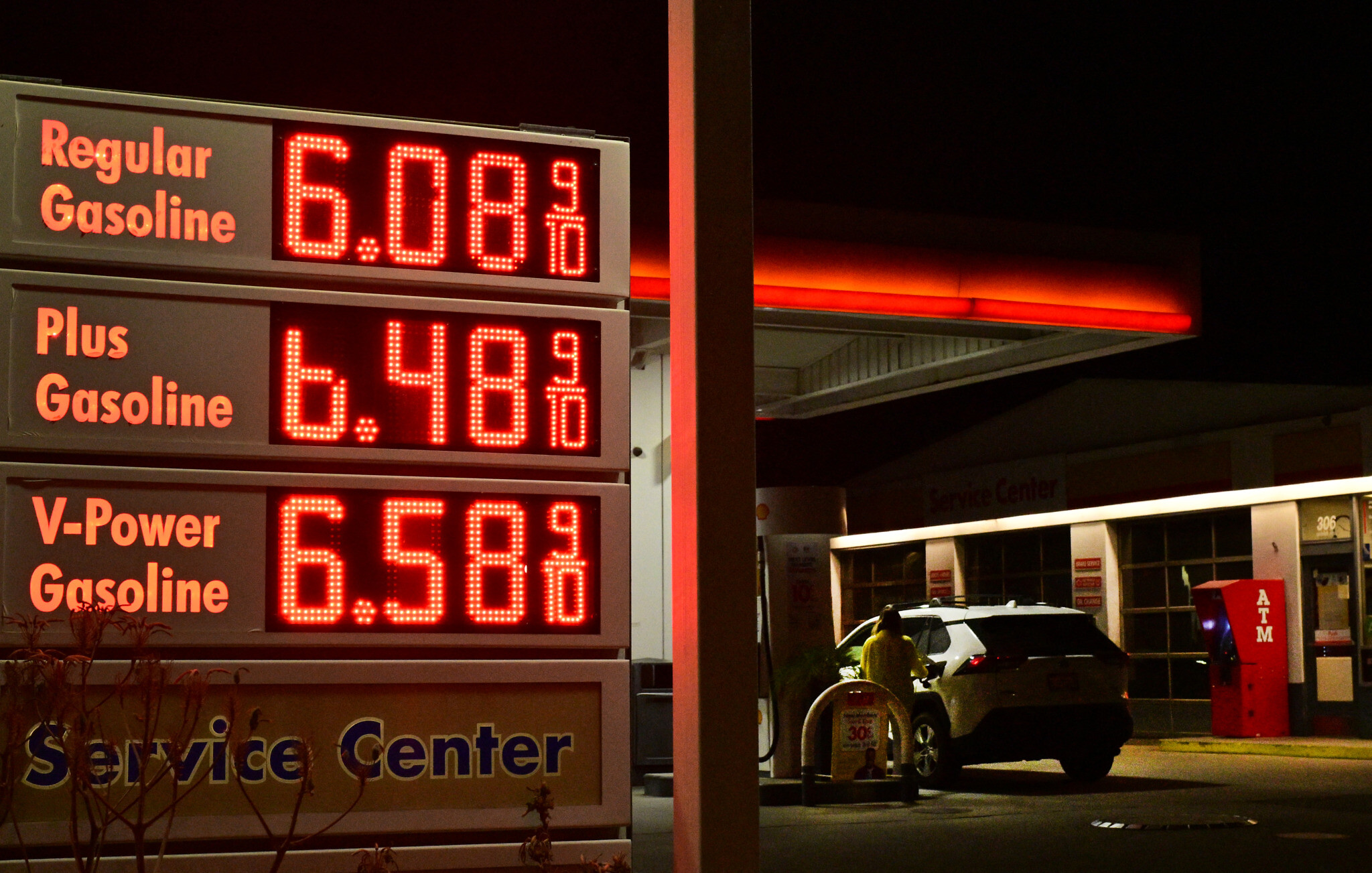
Trump is facing increasing pressure at home to secure the strait as oil prices soar.
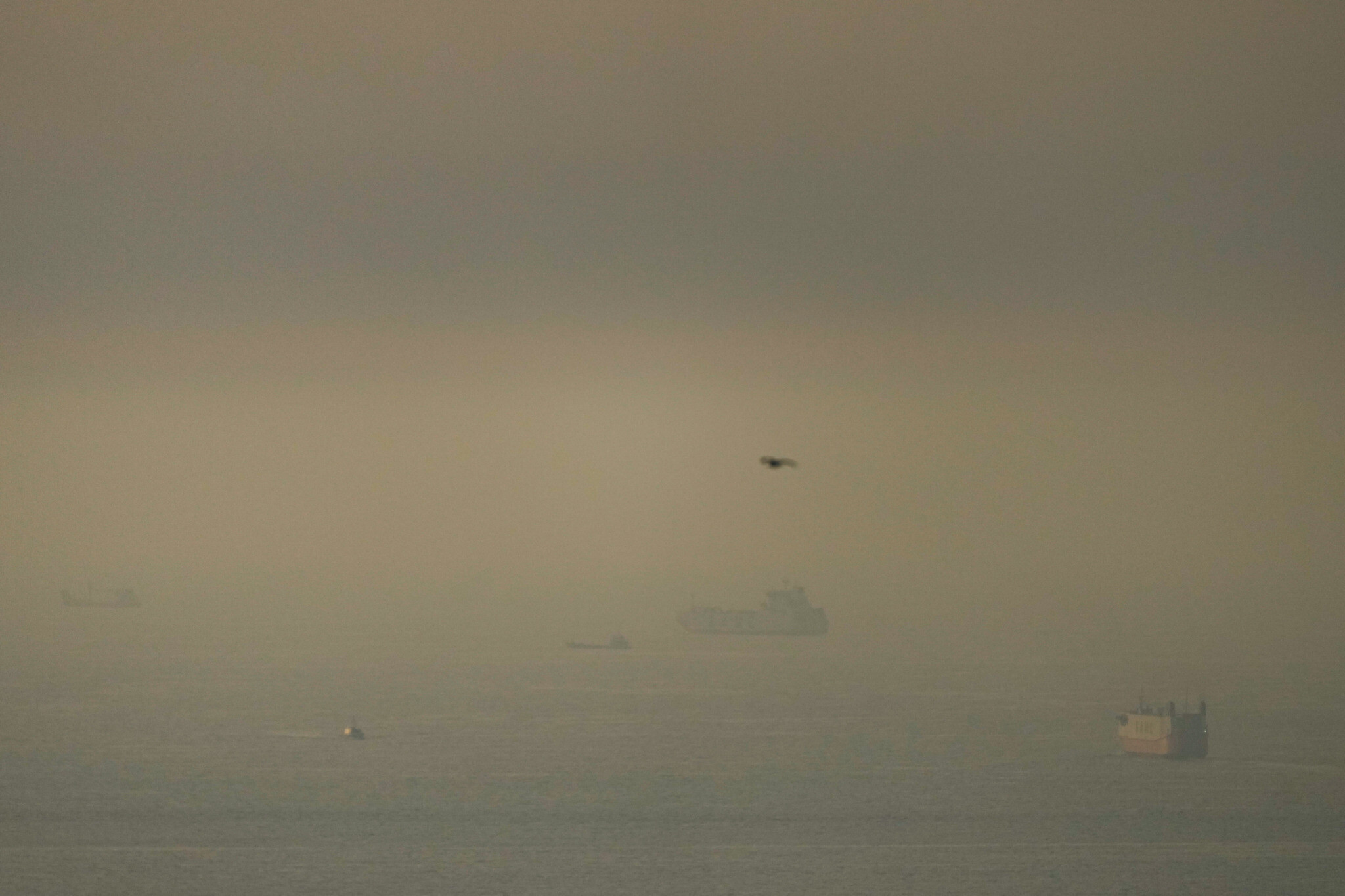
One major fear is that the war could knock out oil and gas production in the Middle East for a long time, which would mean high prices could last a while and cause inflation to rip higher around the world.
The US stock market has a history of bouncing back relatively quickly from past conflicts in the Middle East and elsewhere, as long as oil prices don’t stay too high for too long.
“The situation is very severe,” Birol said in Australia.
The oil crises of 1973 and 1979, he said, lost together 10 million barrels per day, causing “major economic problems around the world, the recessions. And today, only as of today, we lost 11 million barrels per day — so more than two major oil shocks put together.”
After Russia’s invasion of Ukraine, he said, the gas markets, especially in Europe, “lost about 75 billion cubic meters, 75BCM. And as of now, as a result of this crisis, we lost about 140BCM, almost twice [as much].”
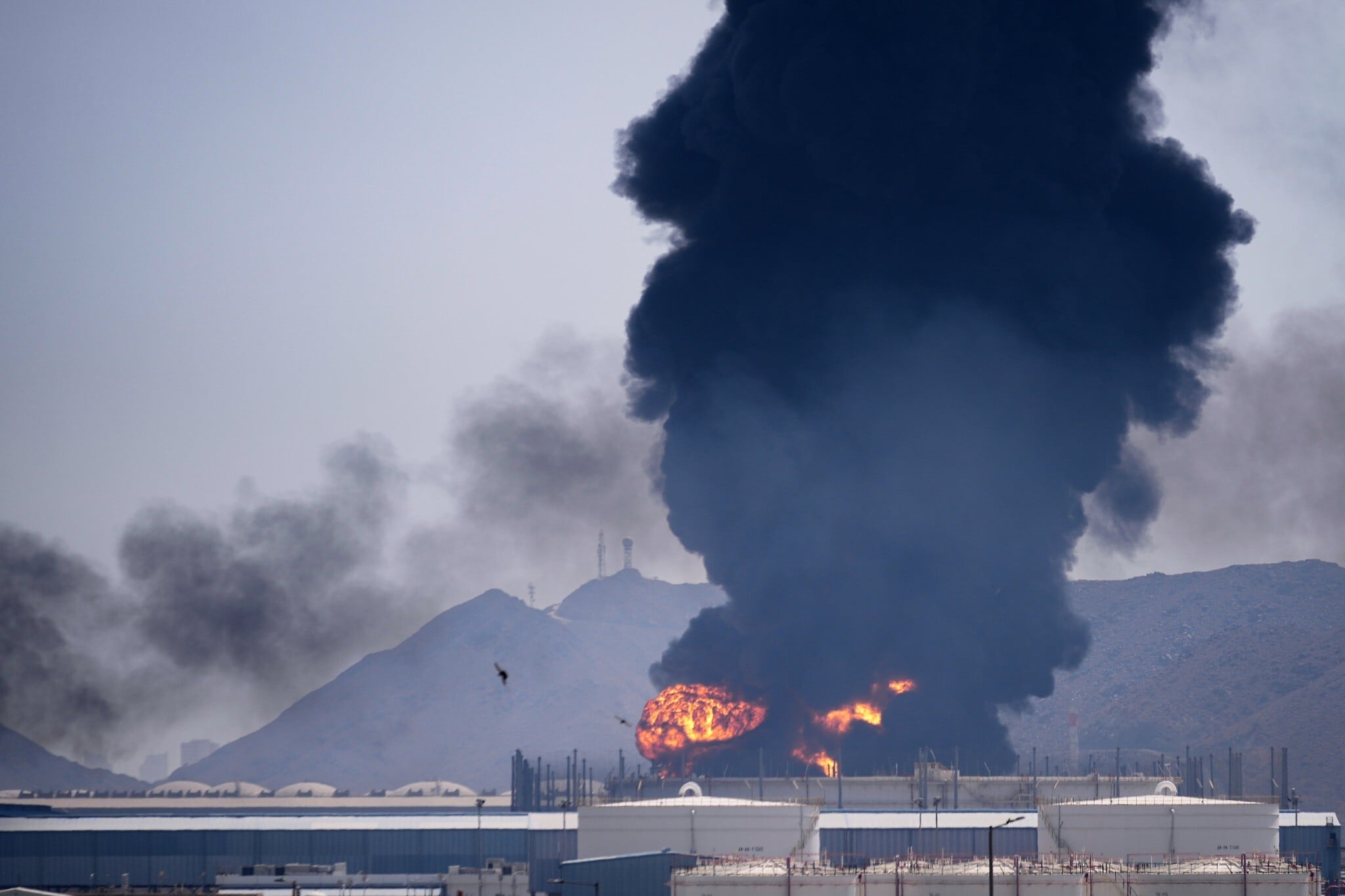
Birol said 40 energy assets in nine countries across the region were “severely or very severely damaged.”
“Some of the vital arteries of the global economy, such as petrochemical, such as fertilizers, such as sulfur, such as helium — their trade is all interrupted, which would have serious consequences for the global economy,” he said.
He said the International Energy Agency, “in order to comfort the markets,” earlier released 400 million barrels of oil, “which is historic. We have never released so much oil to the markets. … The single most important solution to this problem is opening up the Hormuz Strait as things stand now.”
The official added that he was consulting with governments in Europe, Asia, North America and the Middle East about the prospect of releasing further stockpiled oil.
“We will see, we will look at the markets,” he said. “If it is necessary, of course, we will do it, but we will look at the conditions, we will analyze, assess the market and discuss with our member countries.”









The Times of Israel Community.