 Add ToI as a Preferred Source on Google
Like all young men in Iran, when Roni Aynsaz graduated from high school, he was required to serve in the military.
That’s when Aynsaz’s story took its first Hollywood-esque turn.
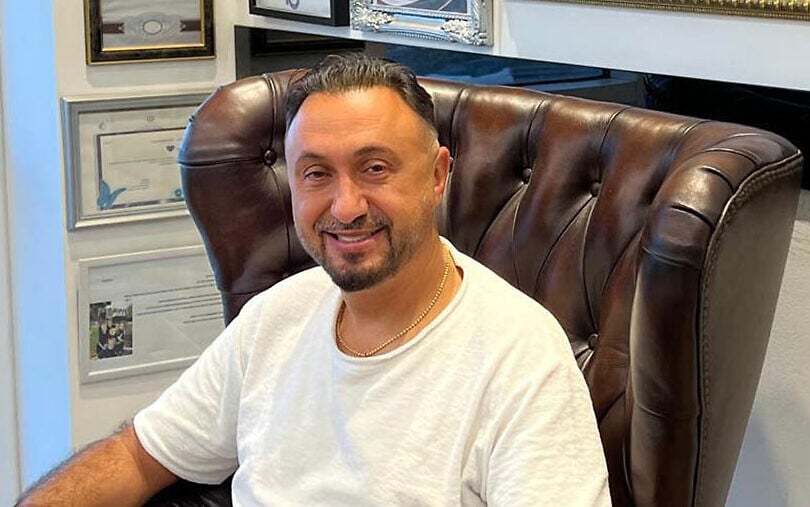
Today, he’s a successful 52-year-old businessman and the co-owner of the SCOOP shoe chain with dozens of stores across Israel. But before his conscription, young Aynsaz was a member of Tehran’s small Jewish community and, as such, destined for low-level positions, either in the military or in the civil service.
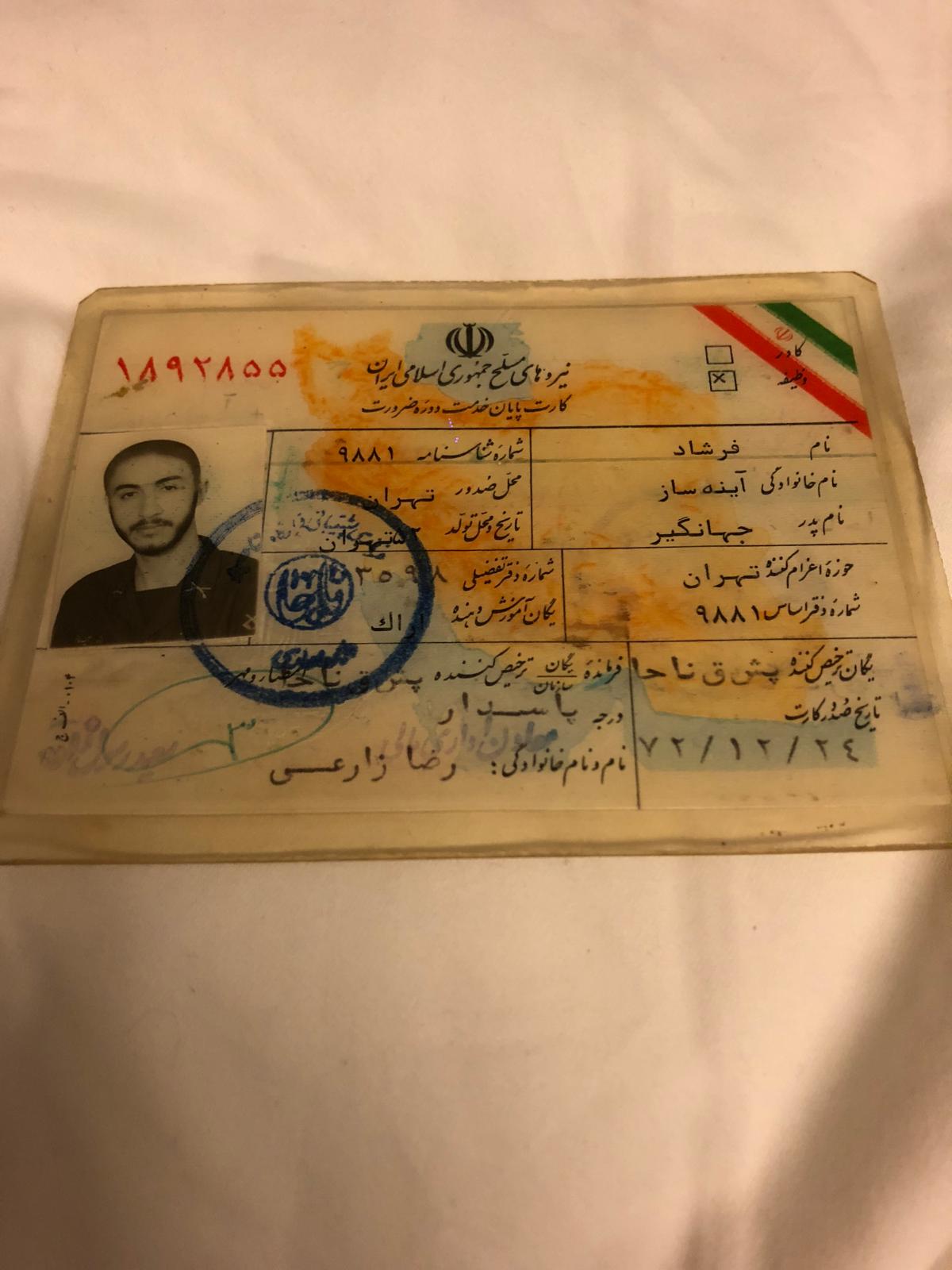
Instead, Aynsaz made a decision that would change the course of his life and many others’: When presented with the form to declare his religion, he circled “Muslim” instead of “Jewish.”
He soon found himself working in the Islamic Republic’s legal system under the Islamic Revolutionary Guard Corps, often helping fellow Jews under investigation by removing their files.
Eventually, he was discovered and fled the country to establish himself in Israel, founding SCOOP and additional businesses.
His early experience in subterfuge recently came in handy. Aynsaz has become a sort of Israeli celebrity as the winner of the Israeli version of the reality TV series “The Traitors,” which aired on Channel 12 last spring.
More than 30 years after fleeing Iran, he spoke to The Times of Israel in a phone interview against the backdrop of the war in Iran.
“For the people in Iran, the war is very difficult,” Aynsaz said. “On the one hand, they are happy that the government might fall; on the other, people are sad for those who are getting killed in the war, because there are also innocents who are dying.”
“I will also tell you that people are angry at [US President Donald] Trump, because he said he wants someone from within Iran [to lead the country] and not Reza Pahlavi,” he added, referring to the exiled son of the last shah, who is a popular figure among many Iranians who oppose the regime.
A real-life adventure story
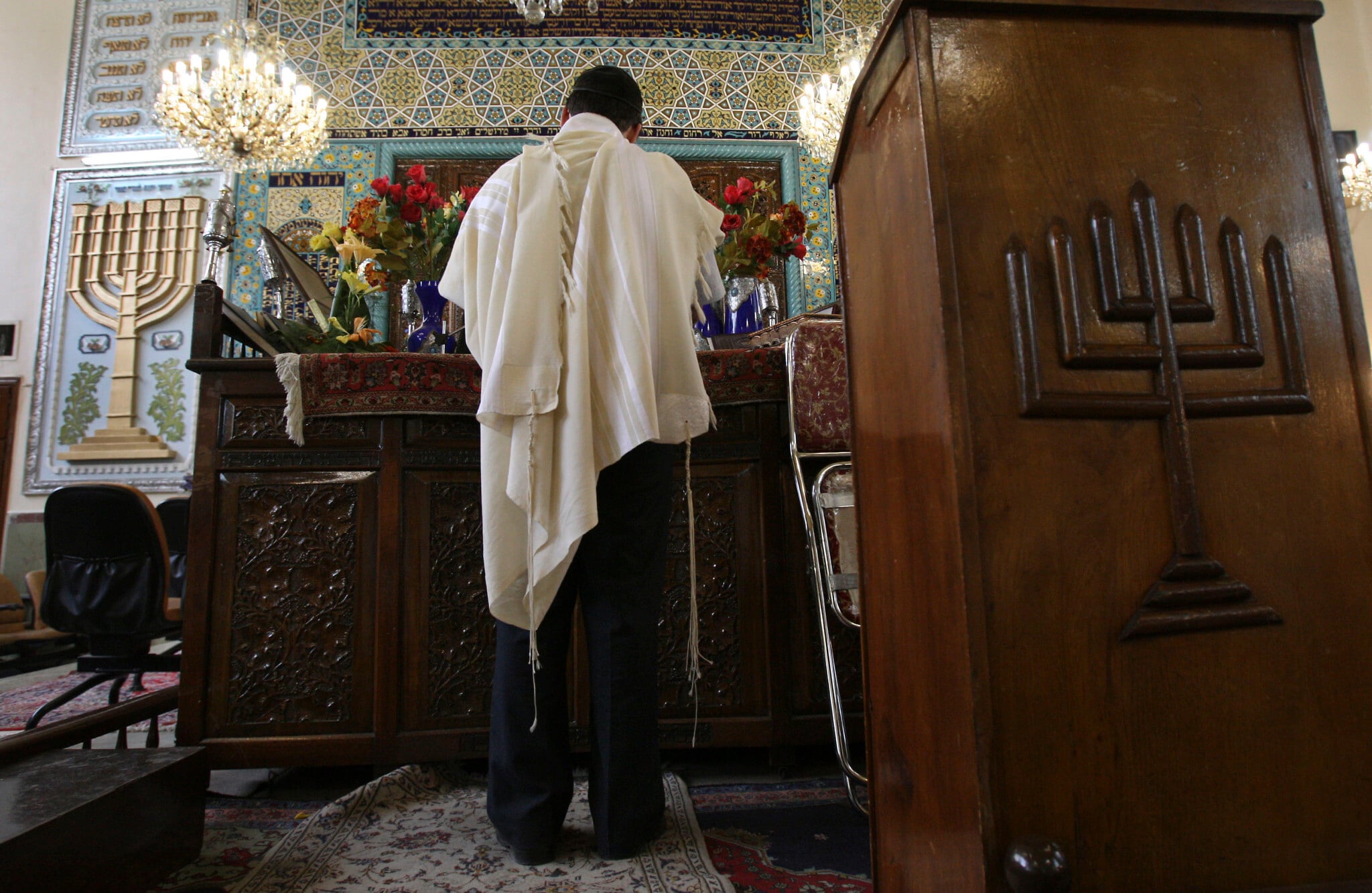
Born in 1973, Aynsaz said that Jews in Iran were able to live relatively well, even after ayatollah Ruhollah Khomeini took power. Aynsaz’s family celebrated Shabbat and Jewish holidays and regularly attended synagogue.
“Growing up, I did not feel anything bad about being Jewish,” he said. “The regime even gave us security guards to protect the synagogues.”
“Sometimes maybe the other kids gave me a bit of a hard time, but nothing major,” he added, adding that he had attended a regular Muslim school.
Men of conscription age could not receive a passport without serving in the military, but many, including Jews, would pay a bribe to do national service instead. Aynsaz did the same. As he marked himself Muslim on the forms he had to fill out, he was assigned to work in a court in Tehran that operated under the Revolutionary Guards.
He soon became the assistant of a deputy justice minister.
“Jews did not serve in such sensitive places,” he noted.
Asked whether he knew of other people who did the same, he said, “I was the only one.”
Aynsaz explained that what made it possible for him to pretend to be Muslim at work while leading a Jewish life privately was the fact that the system was still based on paper files, with no computers involved.
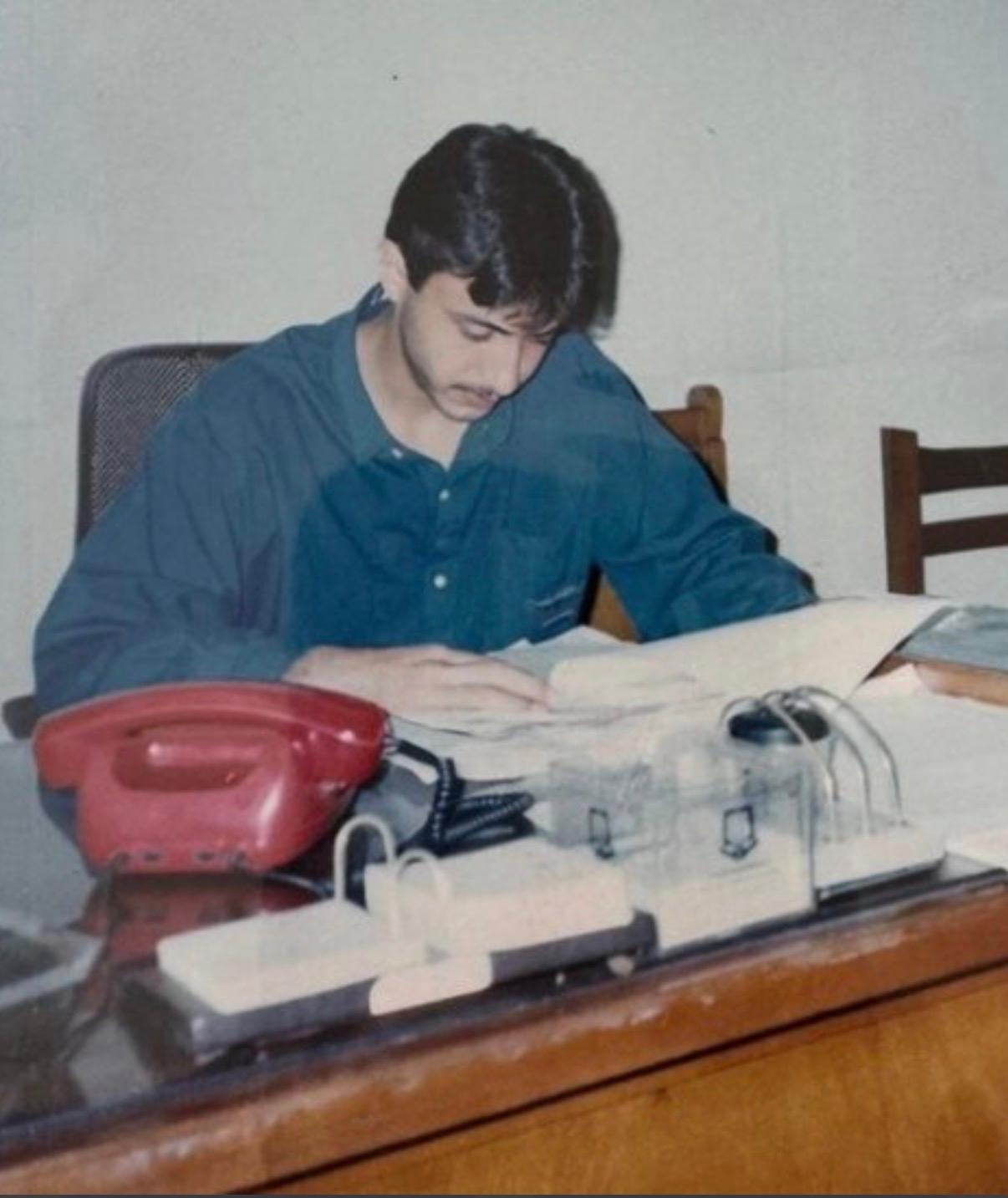
This allowed the young clerk to do much more than just work under a false religious identity. He said he soon started to receive requests from fellow Jews who had gotten in trouble with the regime, often for trying to leave the country without a passport.
Aynsaz would just remove their files from the archive, and the case would disappear.
“The rule of law in Iran worked in matters that had nothing to do with politics,” he explained. “As soon as politics was involved, there was no justice.”
“For two and a half years, nobody realized that something was funny there,” he said. “At some point, they started to notice that the files of many Jews had disappeared, so they understood someone was helping them.”
Realizing he was in danger, Aynsaz hid for a few days, then managed to flee to Turkey and reach the Israeli embassy, where he learned that the Foreign Ministry had already been aware of his story.
Within a few days, Aynsaz, his wife, and their baby girl immigrated to Israel.
For a while, they lived in a 13-square-meter (140 square foot) apartment provided by the Jewish Agency.
Aynsaz was soon offered work with the Mossad, but, aspiring to a more peaceful life, he declined and started to work with his brother, who ran a shoe store at the Central Bus Station in Tel Aviv.
This is how SCOOP began. Over the years, Aynsaz had the intuition to move the shoe manufacturing to China. The stores multiplied. Today, SCOOP operates some 70 stores across Israel and sells 2 million pairs of shoes every year, according to the Israeli financial outlet Globes.
‘It all depends on the Americans’
Ten days into the war launched by the United States and Israel against the Islamic regime in Iran, Aynsaz expressed concern for his employees. As Israel and the US bombard military and political targets with heavy airstrikes, Iran and its Lebanese terror proxy Hezbollah continue to launch ballistic missiles and rockets at Israeli population centers, bringing daily life to a near standstill.
“We have 1,000 people who are not working as of now, and even the stores that reopened do not have customers,” he said.
Asked whether he believes that Israel and the US made the right decision to attack Iran, Aynsaz answered, “Only time will tell.”
“If there really is a victory for the Iranian people, which means that the regime falls, then yes,” he said. “If this does not happen, the decision will prove itself wrong.”

The entrepreneur said he believes the US has the ability to make it happen.
At the same time, he reiterated the difficult situation of the people in Iran.
“Tens of thousands were killed during the protests,” he said. “Now people are not taking to the streets. Many are at home, waiting for Trump’s instructions, but many have also fled Tehran — many who could have joined the protests against the regime.”
“People are really scared,” he added.
According to Aynsaz, most people really want a new government.
“They have been waiting for 47 years,” he said.
He also maintained that of the 90-plus million people who live in Iran, “at least 70 million love Israel.”
Aynsaz said that the Iranian authorities do not see the community as connected to Israel and therefore Jews do not face worse hardships than the rest of the Iranian population. He played down reports of mass arrests among the members of the community after the war with Israel in June, saying that even if people were arrested, they were then released without major consequences, and many Muslims were arrested too.
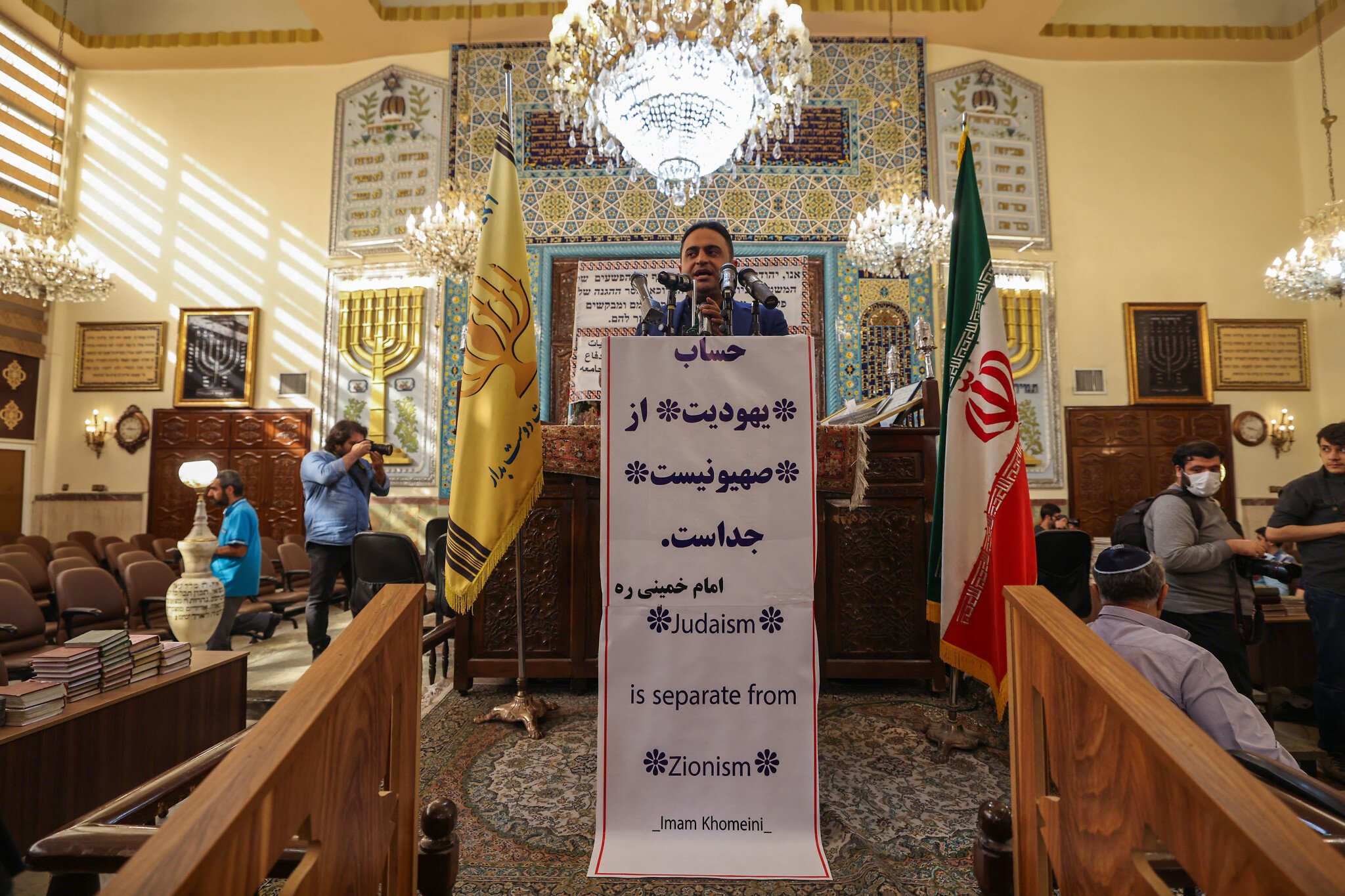
Aynsaz stressed that helping Jews in distress around the world has been one of his life missions.
“I have always tried to help Jews, and I continue to do it no matter where in the world,” he said.
In Israel, he has volunteered with the ZAKA rescue service and the burial society, and he helped treat the bodies of some of the victims of the bloody October 7, 2023, Hamas invasion.
Aynsaz hopes that soon he will be able to fulfill his dream of returning to Tehran.
“God willing, it will happen,” he said. “If the Americans want it, then it will happen. It all depends on the Americans.”

The Times of Israel Community.