

Two dozen Iranian Jews accused of contact with Israel as mass arrests rattle community
Former communal leader says 11 arrested in post-war sweep have been let go, but others face charges over phone calls to relatives in Israel, as regime hunts for spies who helped Mossad
 Add ToI as a Preferred Source on Google
JTA — Twenty-four members of the Iranian Jewish community in Tehran and Shiraz remain in prison as of Sunday after being arrested along with hundreds of others in a sweeping government crackdown that began as fighting ended with Israel.
The arrests took in 35 Jews originally, according to a report put out Saturday by HRANA, the Human Rights Activist News Agency, an affiliate of the Human Rights in Iran NGO. Mass arrests began early in the morning of June 23, according to the report.
Eleven Jews have been released since the original arrests, according to a former senior Iranian communal leader, who would speak only on condition of anonymity due to concerns for his contacts in Iran.
The charges filed against those being held — having contact with Israel — have the potential to ensnare many members of the Jewish community, he said. Iranian officials have been hunting alleged collaborators with Israel following Israel’s recent attacks on Iran and the United States’ bombing of the country’s most fortified nuclear facility.
The former Iranian communal leader, who remains in close touch with the community, said Iranian authorities are checking the cell phones of those they arrest, looking for records of any calls to the Jewish state.
“Most Iranian Jews have family in Israel,” explained the former high-ranking communal leader, who today lives in Los Angeles. “That’s why they call” the country. During the military conflict earlier this month, as each side targeted the other side’s cities with missiles and drones, many Iranian Jews reached out to check on the safety of their relatives.
“They are completely prohibited from any connection to Israel,” he said. But such communications were quietly tolerated over the years, given the reality of Jewish family connections. In the wake of the war with Israel, the authorities are now drastically tightening their policies. Under the new rules, he said, “They can accuse anyone of being a spy for Israel.”
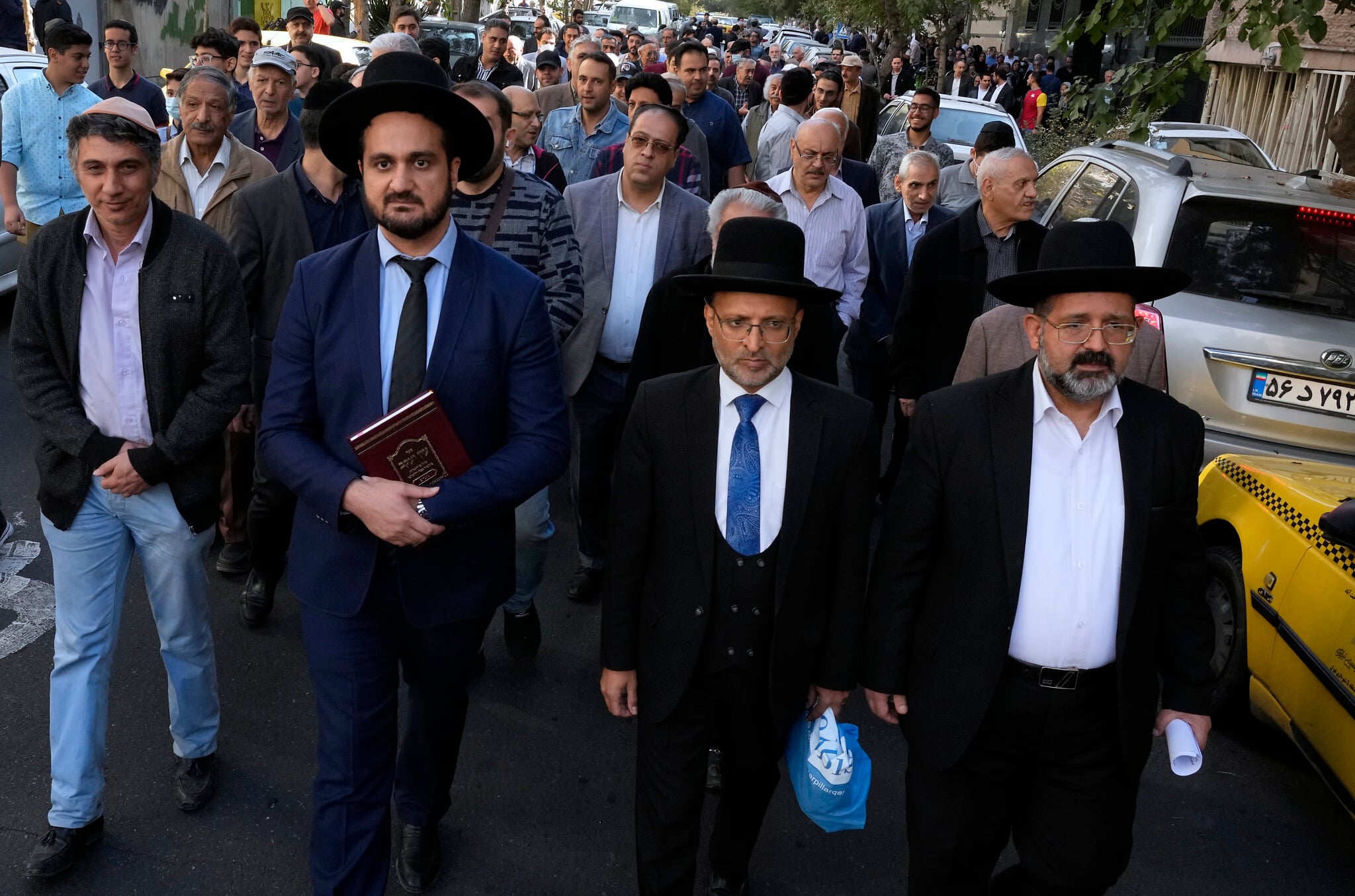
The arrests of the Jews, who reportedly include several rabbis, appear to be part of a crackdown in which more than 700 people have been taken in since June 13, when Israel initiated its attacks on Iran. Jerusalem described the attacks as an effort to stop Tehran’s nuclear weapons program.
Tehran denies seeking the bomb. However, it enriched uranium to levels that have no peaceful application, obstructed international inspectors from checking its nuclear facilities, and expanded its ballistic missile capabilities. Israel said it had recently taken steps toward weaponization.
Minorities are especially concerned about the detentions. On Wednesday, Iran announced that it had executed three men from Iran’s ethnic Kurdish population who were convicted of aiding Mossad, Israel’s foreign intelligence agency, in the 2020 assassination of Mohsen Fakhrizadeh, a prominent nuclear scientist.
The sweep comes as Israeli authorities themselves have boasted about the deep penetration into Iran that their intelligence agencies achieved to plan for its attack, including footage purporting to show agents launching drones from within Iran.

But Israel has no known record of recruiting assets from within Iran’s closely monitored Jewish community, which today numbers somewhere around 10,000 people.
The community, which stood at over 80,000 before the 1979 revolution that brought Iran’s Islamic regime to power, has generally remained free to practice their religion and organize themselves communally, including maintenance of their own schools and social welfare institutions. They remain free to emigrate, though taking their assets out with them can be a problem.
Those who remain live with various forms of legal discrimination that sharia, or Islamic religious law, imposes on all non-Muslims in Iran, and social discrimination that prohibits their rising above certain levels in government or military positions.
But a 1979 fatwa, or religious ruling, issued by Grand Ayatollah Ruhollah Khomeini, the Islamic Republic’s founding leader, forbade physical attacks on the community. Under Iran’s constitution, they are also accorded an official representative in Iran’s parliament.
Community leaders have issued a number of statements over the years condemning and protesting Israel, but it is not known whether they reflect the true stances of the community within the politically repressed country.
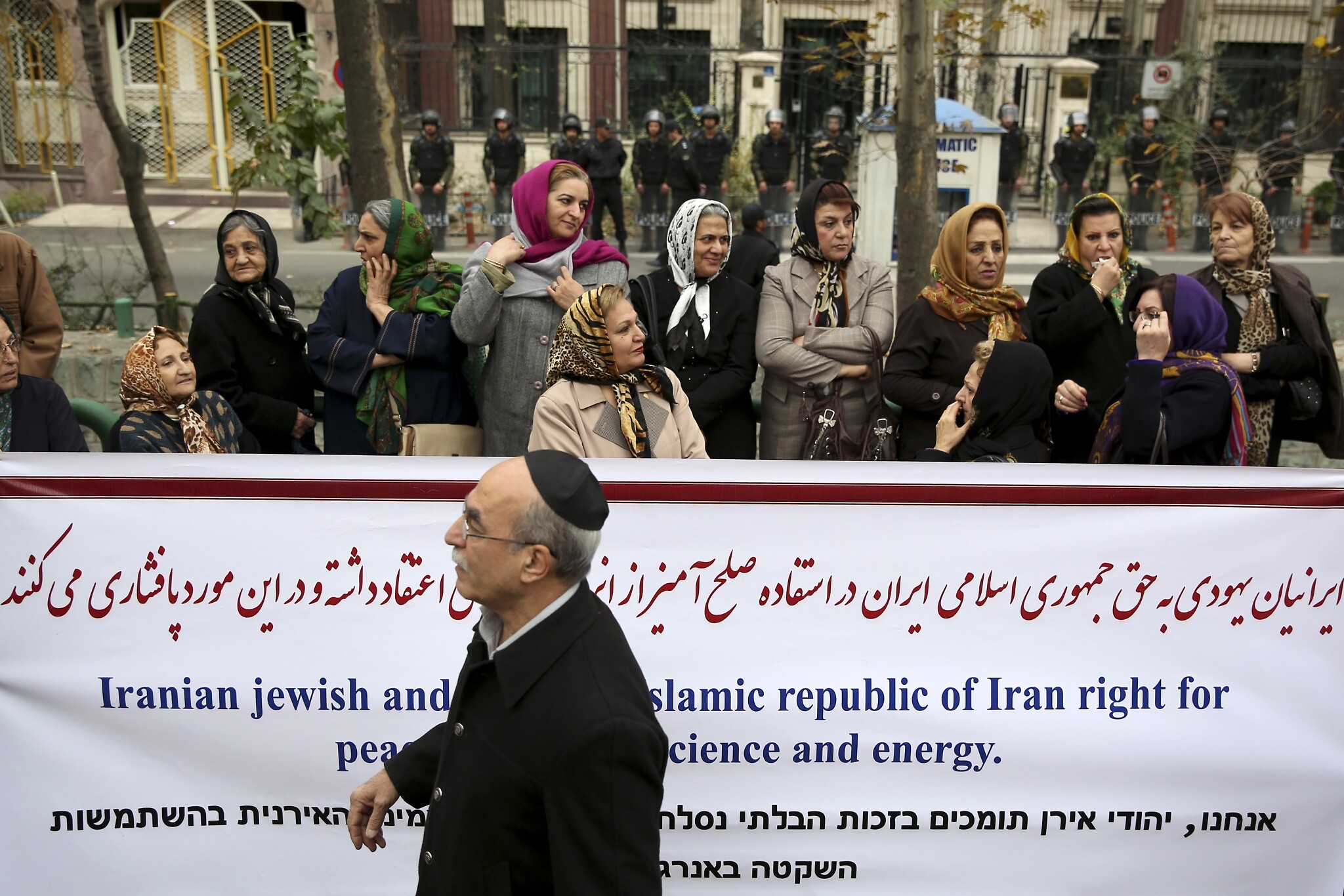
Rani Amrani, from an Israeli radio station called Ran Radio, said on Saturday that the Iranian Jewish community had recently organized a gathering, attended by its rabbis and by many Iranian Jews who serve in the Iranian army, designed to “avert any suspicion of spying or, heaven forbid, betrayal.”
It was unclear if the event he was talking about was the same event publicized by Iran’s semi-official Mehr news agency, which on Thursday published photos of the Jewish community in Tehran gathering at the Abrishami Synagogue for an event in support of Iran’s Supreme Leader Ali Khamenei and the Iranian military after the war with Israel.
Iranian #Jewish community gathered at Tehran’s Abrishami Synagog
to stand against the Israel regime's aggression.#Iran #IranUnderAttack pic.twitter.com/8d1cpN2Sdz— I.R. Iran Embassy – Prague (@IRANinCZECH) June 27, 2025
In 1999, 13 members of the Shiraz Jewish community were arrested on charges of spying for Israel. Most of them were Haredi Orthodox, which set them apart, to some extent, from the mainstream of the community. Evidence used against the accused, who included local merchants, teachers, and rabbis, included allegations of contacts the group had with people in Israel.
An intense international campaign on their behalf included the United States, France and Russia, whose governments challenged the fairness of their trials. Local Jewish leaders in Iran also protested their innocence. Ten of the 13 were convicted and sentenced to up to 13 years in prison. But they were eventually all freed early, in stages, with the last prisoners released in 2003.
“Really, it was very bad,” the former senior Iranian communal leader now in Los Angeles said, voicing hope the community would not face the same situation again.





The Times of Israel Community.