

In the war’s fourth week, the hunt for Iran’s enriched uranium takes center stage
With the Revolutionary Guards now calling the shots in Tehran, the US and Israel know ending the conflict without removing Iran’s near-weapons-grade stockpile invites disaster

 Add ToI as a Preferred Source on Google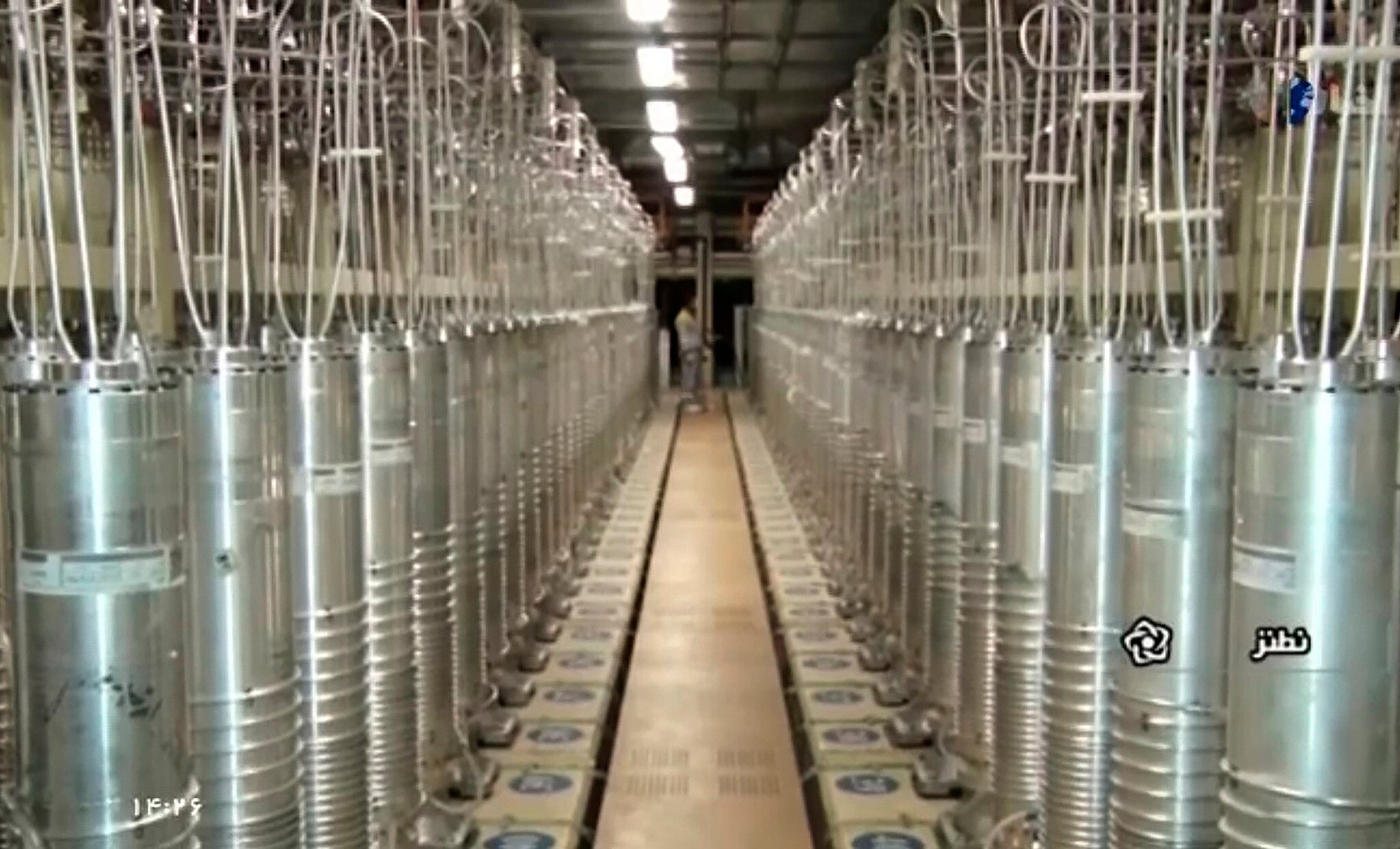
Three weeks into the war, Israel and the US have indeed carried out something akin to regime change in Iran: The supreme leader has been replaced by the Islamic Revolutionary Guard Corps.
Consequently, Iran’s decisions are far less theological and far more military, existential, and strategic.
The lack of clarity regarding the condition of the new supreme leader, Mojtaba Khamenei — who is thought to have been wounded on the first day of the war — only strengthens the assessment that decisions are now mainly being made on a hardline axis, between parliament speaker Mohammad Bagher Ghalibaf and IRGC commander Ahmad Vahidi.
That hawkish line can be seen in Iran’s continuing attacks on the Gulf states and in the helplessness of relatively less extreme government figures, some of whom are trying to find a diplomatic path to end the war.
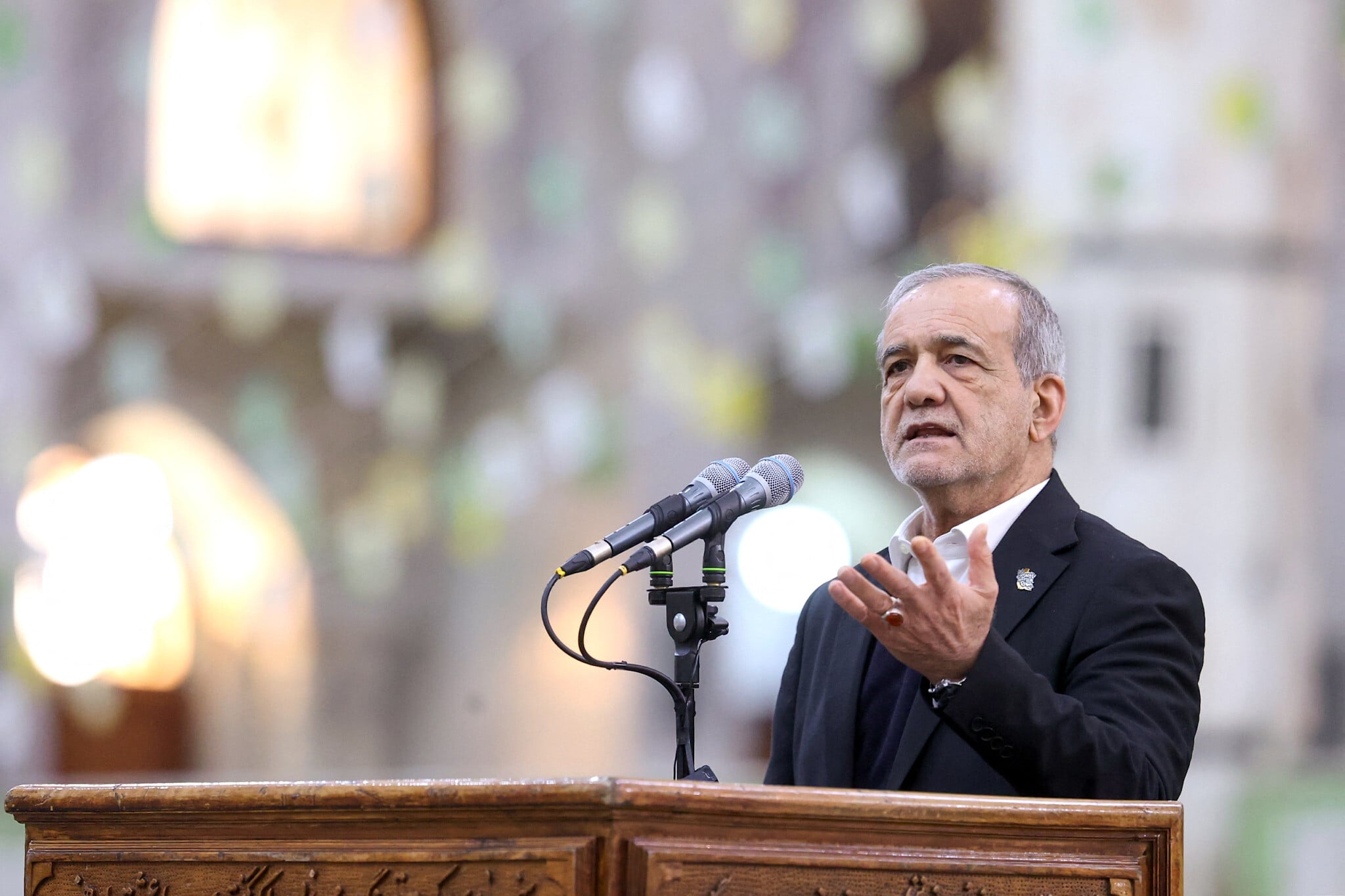
On Saturday, Iranian President Masoud Pezeshkian spoke with Indian Prime Minister Narendra Modi and proposed that BRICS (the economic bloc that includes Brazil, China, India, Russia, the United Arab Emirates, and South Africa) begin negotiations with the US and Israel to halt the fighting.
In all likelihood, the request was not coordinated and does not align with the IRGC, which at this stage feels that despite the heavy toll, it can still stand up to the two powers attacking it.
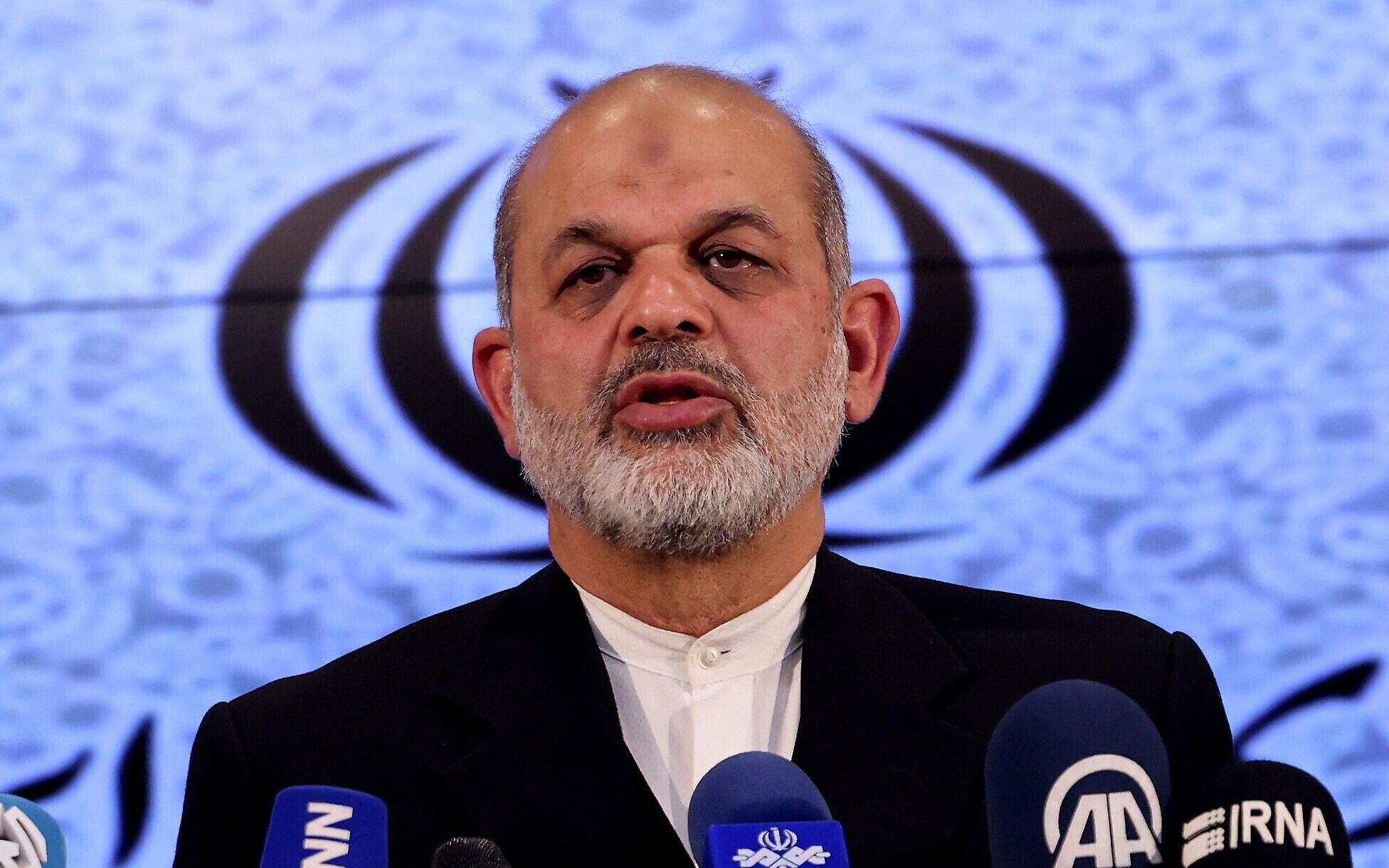
The appeal to India is a desperate move by the Iranian president, who already got a cold shower from the IRGC after declaring two weeks ago that Iran would stop attacking neighboring countries – only to be undercut, minutes later, by a missile attack on the United Arab Emirates.
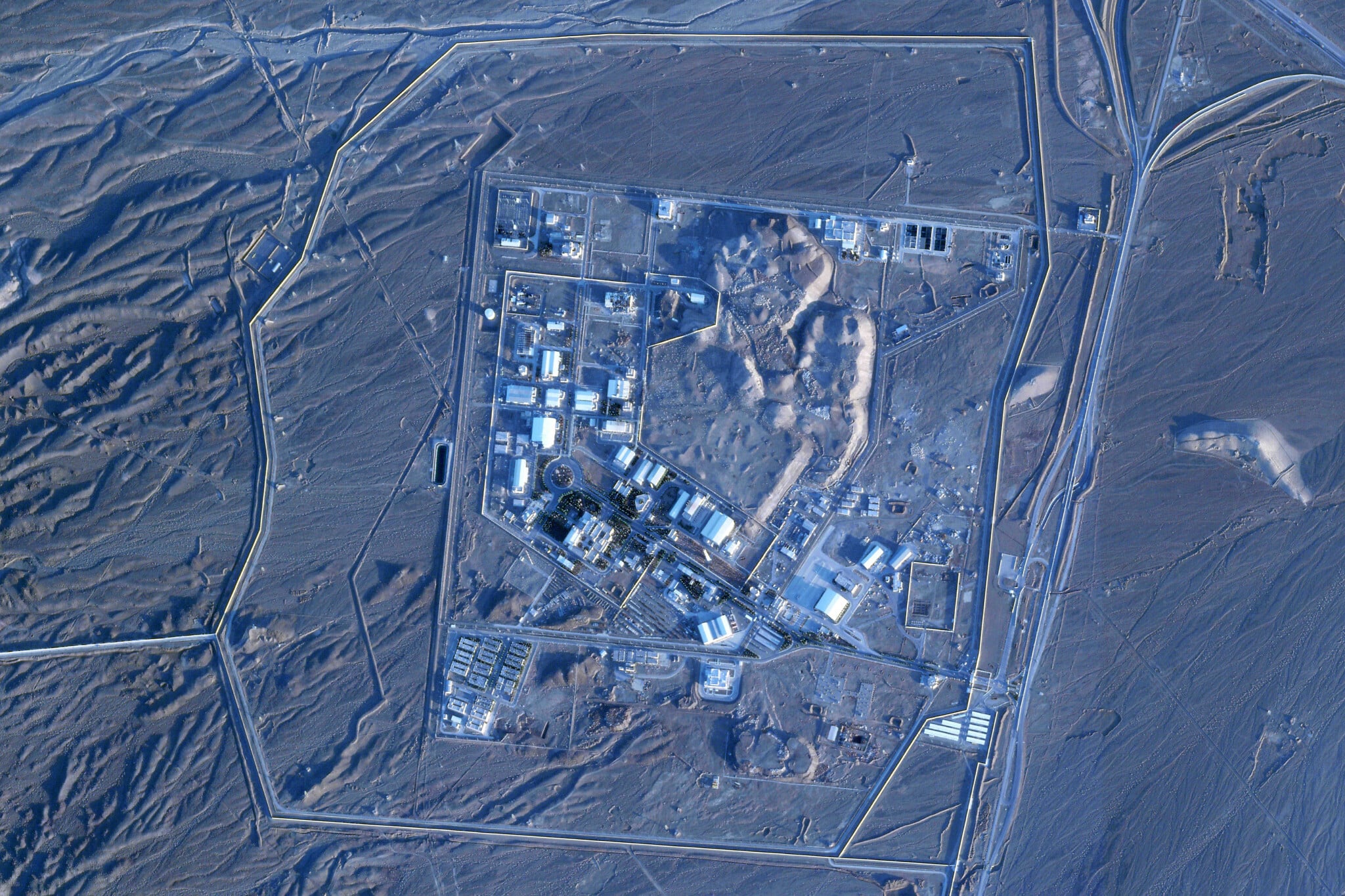
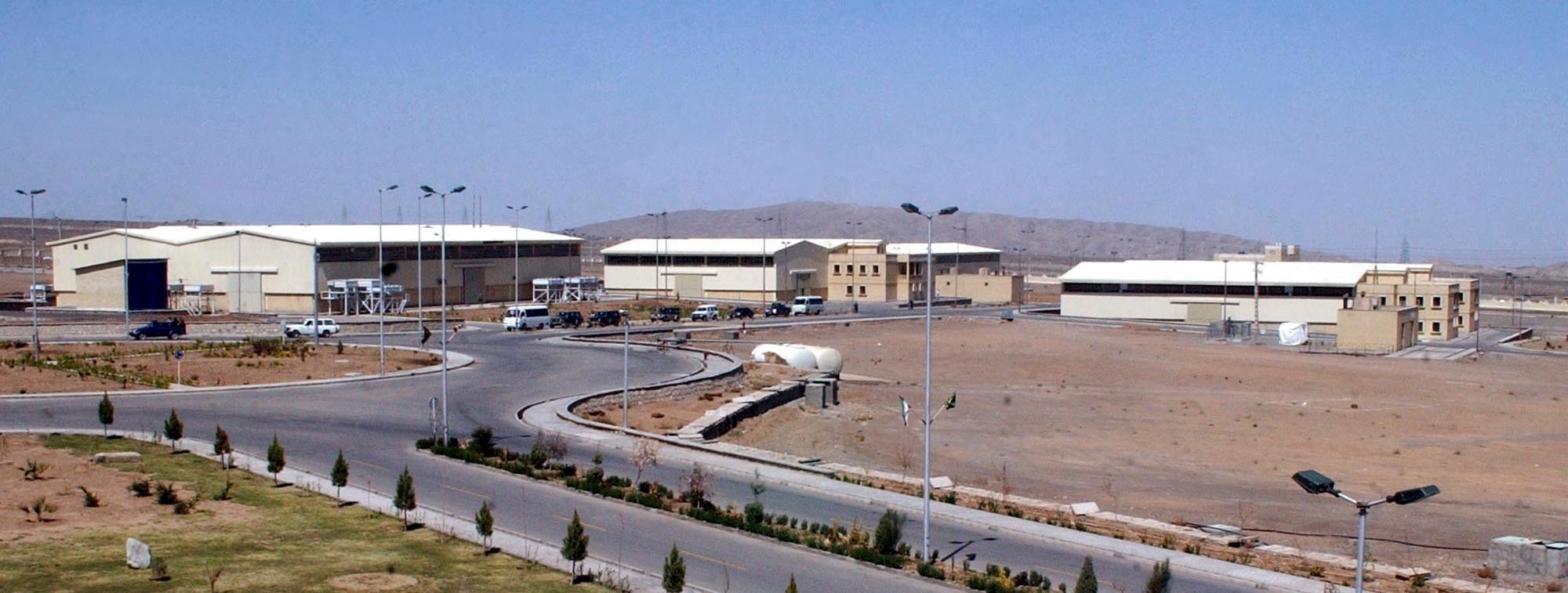
On Saturday, for the first time since the start of the current campaign, American aircraft struck Iran’s main enrichment facility in Natanz. The assessment is that this was a strike involving bunker-buster bombs, since sections of that site are dug very deep underground and had not been damaged until now.
Although none of the sides involved — Iran, the US, or Israel — commented on the damage itself, Iran’s Atomic Energy Organization issued a statement saying that after an inspection at the site, no radioactive leak had been detected.
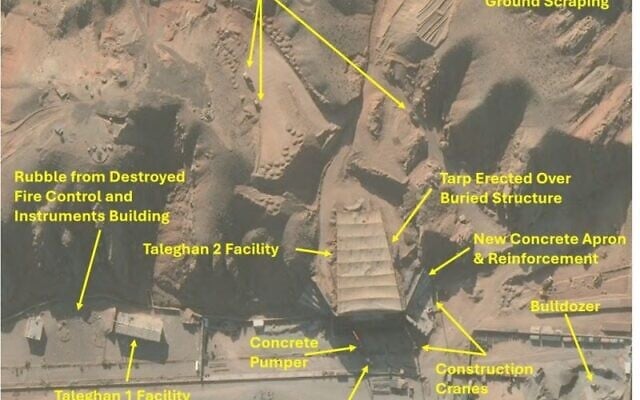
One theory is that one of the underground halls at Natanz contains part of Iran’s 450-kilogram stockpile of uranium enriched to 60%, near weapons-grade. It is highly possible that this was a preemptive strike intended to destroy the access routes to the site — much like the US bombing in June 2025, when the entrances to the underground facility in Isfahan were sealed. Most of the stockpile is believed to be held somewhere in the Natanz complex.
A senior Israeli military official hinted this week that when it comes to locating the stockpile, neither Israel nor the US is groping in the dark. That said, it should be emphasized that the official was very cautious, and it was impossible to get a definitive impression of just how accurate the intelligence picture on this matter really is.
It is not for nothing that the issue of the 60% enriched uranium is taking an increasingly central role in the war as it enters its fourth week.
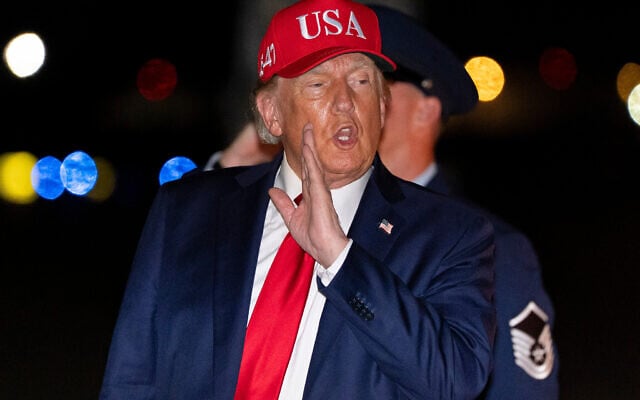
Hours after ruling out an imminent ceasefire, US President Donald Trump said Friday he was considering “winding down our great military efforts… with respect to the terrorist regime of Iran.” Prime Minister Benjamin Netanyahu, similarly, sent mixed signals in his Thursday press conference, insisting both that the campaign would last as long as necessary and that it would end “a lot faster than people think.” For his part, IDF Chief of Staff Eyal Zamir said on Saturday that the military is preparing for another two weeks of fighting.
But all sides agree that ending the war without removing the enriched material from Iran would be akin to leaving smoldering embers, and that if the current regime — regardless of who is at its helm — remains in place, efforts to break out to a nuclear bomb will be significantly accelerated.
That goal will become a central Iranian objective — possibly prioritized over rebuilding the ballistic missile program, which proved just how advanced it has become with Saturday’s launch toward the strategic US-UK military base at Diego Garcia, 2,500 miles away.
After last June’s war, and the previous rounds of direct fighting with Israel in 2024, Iran has internalized that a nuclear immunity zone is the real security barrier to any future attack.






The Times of Israel Community.