

Iran slams ‘illegal’ reimposition of UN nuclear sanctions, urges countries not to comply
Foreign ministry promises ‘a firm and appropriate response,’ lawmaker says Tehran could pull out of nuclear proliferation treaty; European powers warn Iran against escalation
 Add ToI as a Preferred Source on Google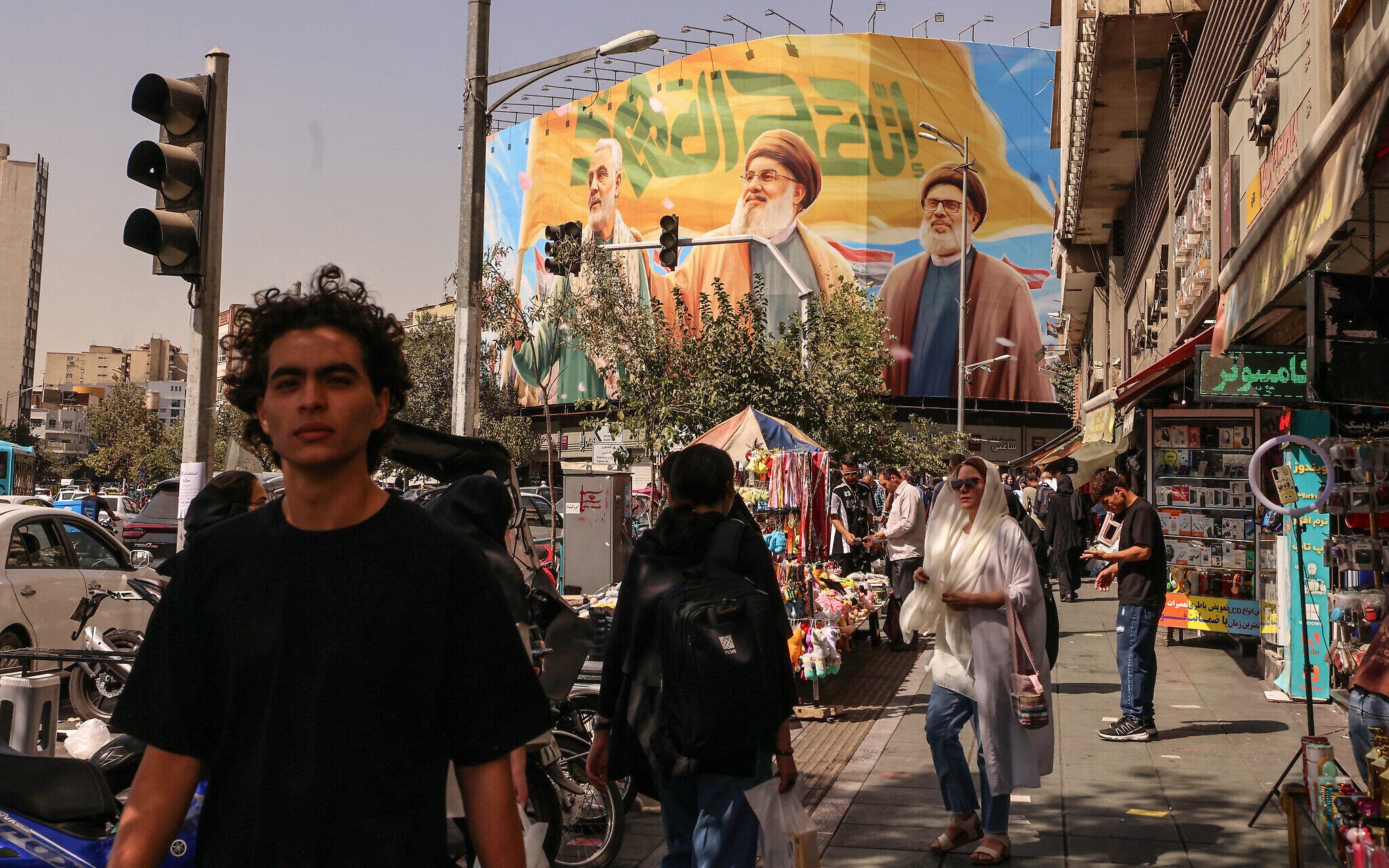
Iran condemned the reinstatement of United Nations sanctions over its nuclear program as “unjustifiable” on Sunday, after the collapse of talks with Western powers and Israeli and US strikes on its nuclear sites, and said it would weigh its response.
The measures, which bar dealings linked to the Islamic Republic’s nuclear and ballistic missile activities, took effect overnight after Western powers triggered the so-called “snapback” mechanism under the 2015 nuclear accord.
“The reactivation of annulled resolutions is legally baseless and unjustifiable… all countries must refrain from recognizing this illegal situation,” the Iranian foreign ministry said in a statement.
“The Islamic Republic of Iran will firmly defend its national rights and interests, and any action aimed at undermining the rights and interests of its people will face a firm and appropriate response,” it added.
Israel, meanwhile, hailed the sanctions as a “major development in response to Iran’s ongoing violations, especially on its military nuclear program.”
“The goal is clear: prevent a nuclear-armed Iran. The world must use every tool to achieve this goal,” wrote Israel’s Foreign Ministry on X.
Weighing how to respond to the reimposed sanctions, one Iranian lawmaker suggested parliament would consider potentially withdrawing from the Nuclear Nonproliferation Treaty.
Speaking to the Young Journalists Club, which is affiliated with Iranian state television, lawmaker Ismail Kowsari said parliament would discuss the move and then make a decision.
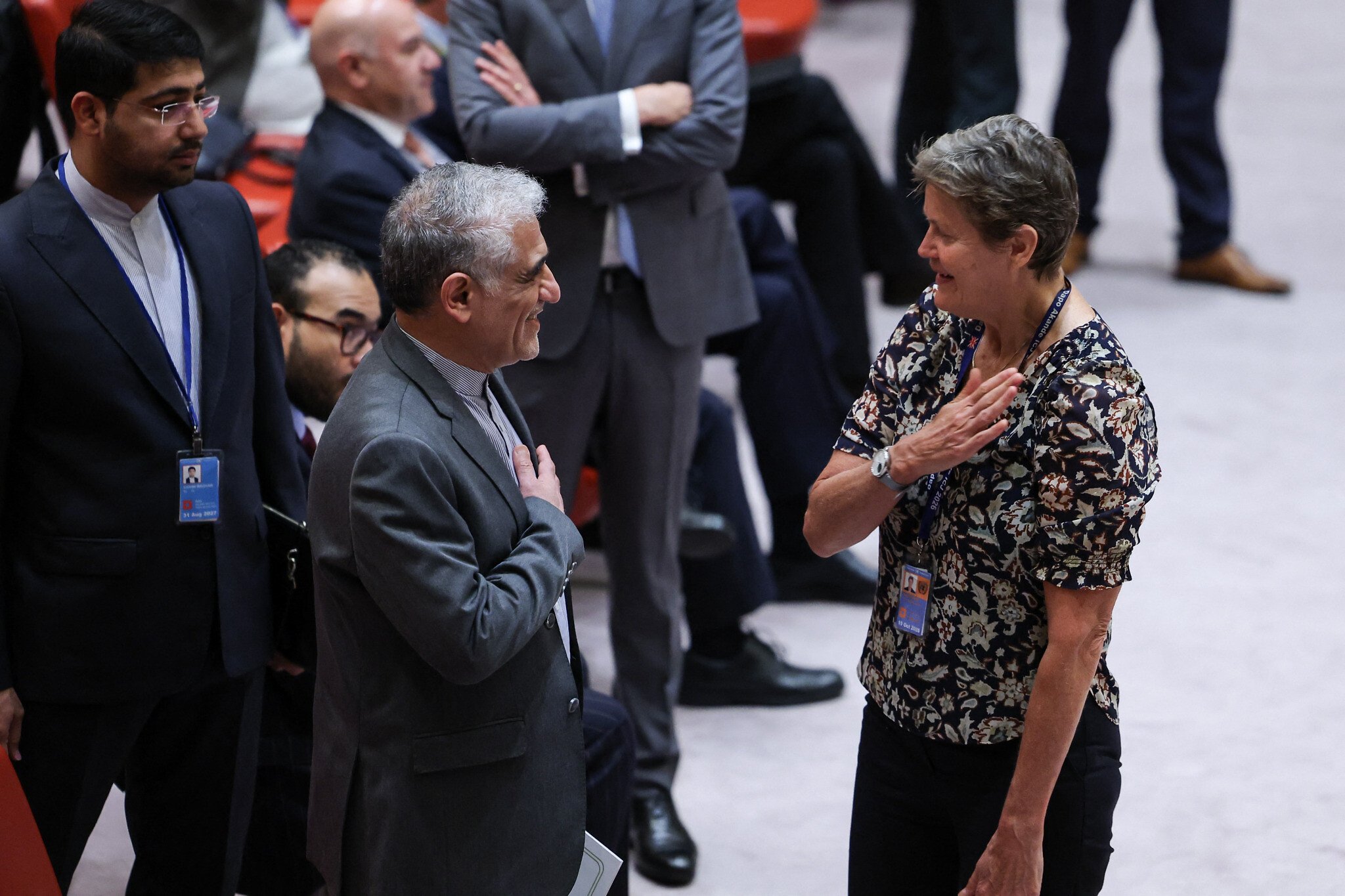
Parliament speaker Mohammad Bagher Qalibaf issued his own warning to those who would honor the UN sanctions as parliament began meeting Sunday.
“We announce that if any country wants to take action against Iran based on these illegal resolutions, it will face serious reciprocal action from Iran, and the three European countries that are the initiators of this illegal action will also face our reaction,” Qalibaf said without elaborating, according to a report by the state-run IRNA news agency.
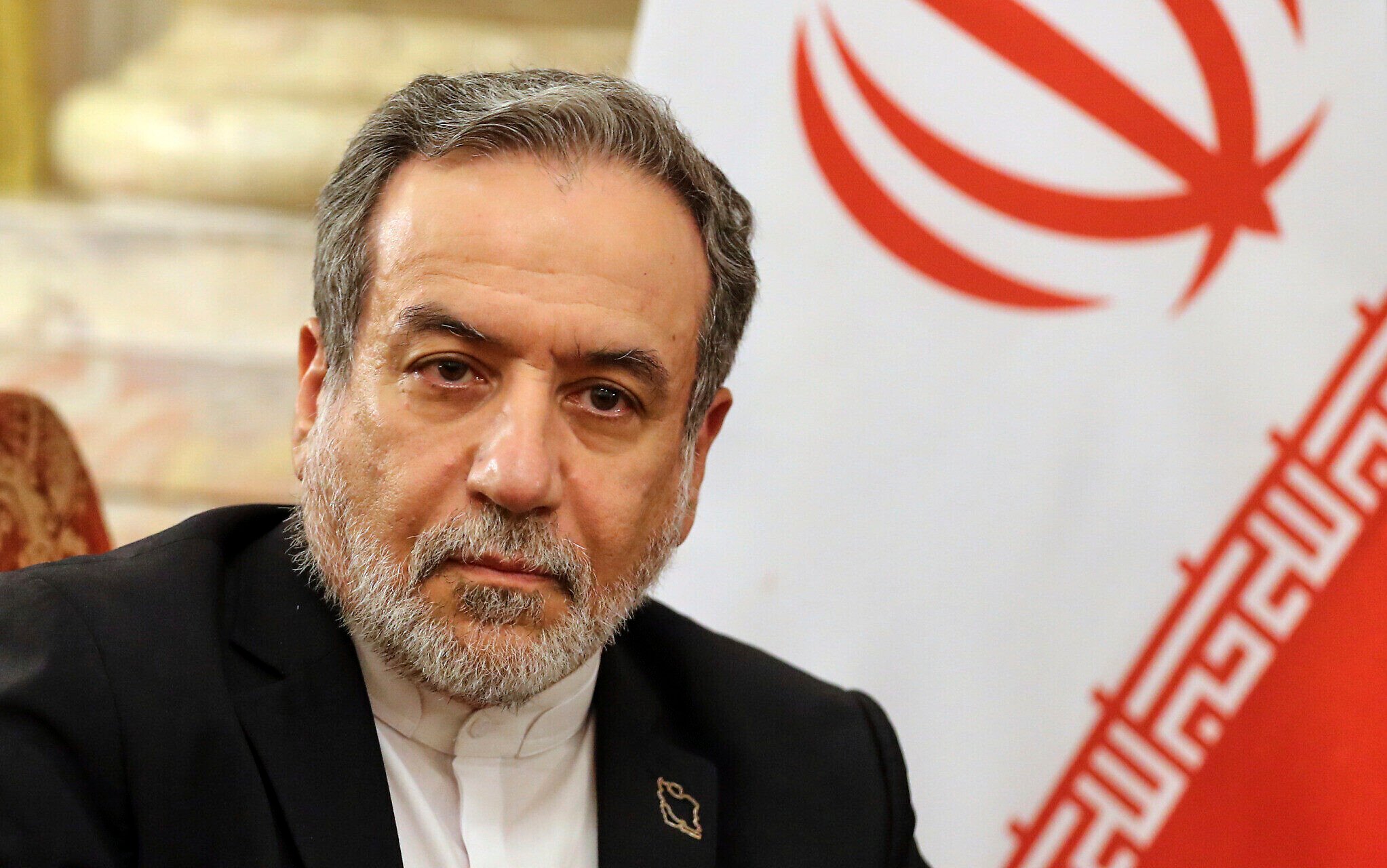
Iranian Foreign Minister Abbas Araghchi, speaking to Iranian state TV before the sanctions were imposed, sought to downplay the effect UN sanctions would have on the country, however.
“It will have some damages, some losses for us,” Araghchi said Saturday night. “However, they have presented it in their own media as something far greater and much bigger than it actually is, and they have tried to create a monster to frighten the Iranian people and then force our government and our foreign policy to give concessions and pay tribute in this regard.”
The return of the sanctions ends months of tense diplomacy aimed at reviving nuclear talks that were derailed since June, when Israeli and US forces bombed Iranian nuclear facilities.
Despite the reimposition, Western leaders stressed channels for dialogue remained open.
US Secretary of State Marco Rubio urged Iran to “accept direct talks, held in good faith.”
He also called on UN member states to “immediately” implement sanctions to “pressure Iran’s leaders to do what is right for their nation, and best for the safety of the world.”
The British, French and German foreign ministers said in a joint statement they would continue to seek “a new diplomatic solution to ensure Iran never gets a nuclear weapon.”
They also called on Tehran “to refrain from any escalatory action.”
‘No choice’
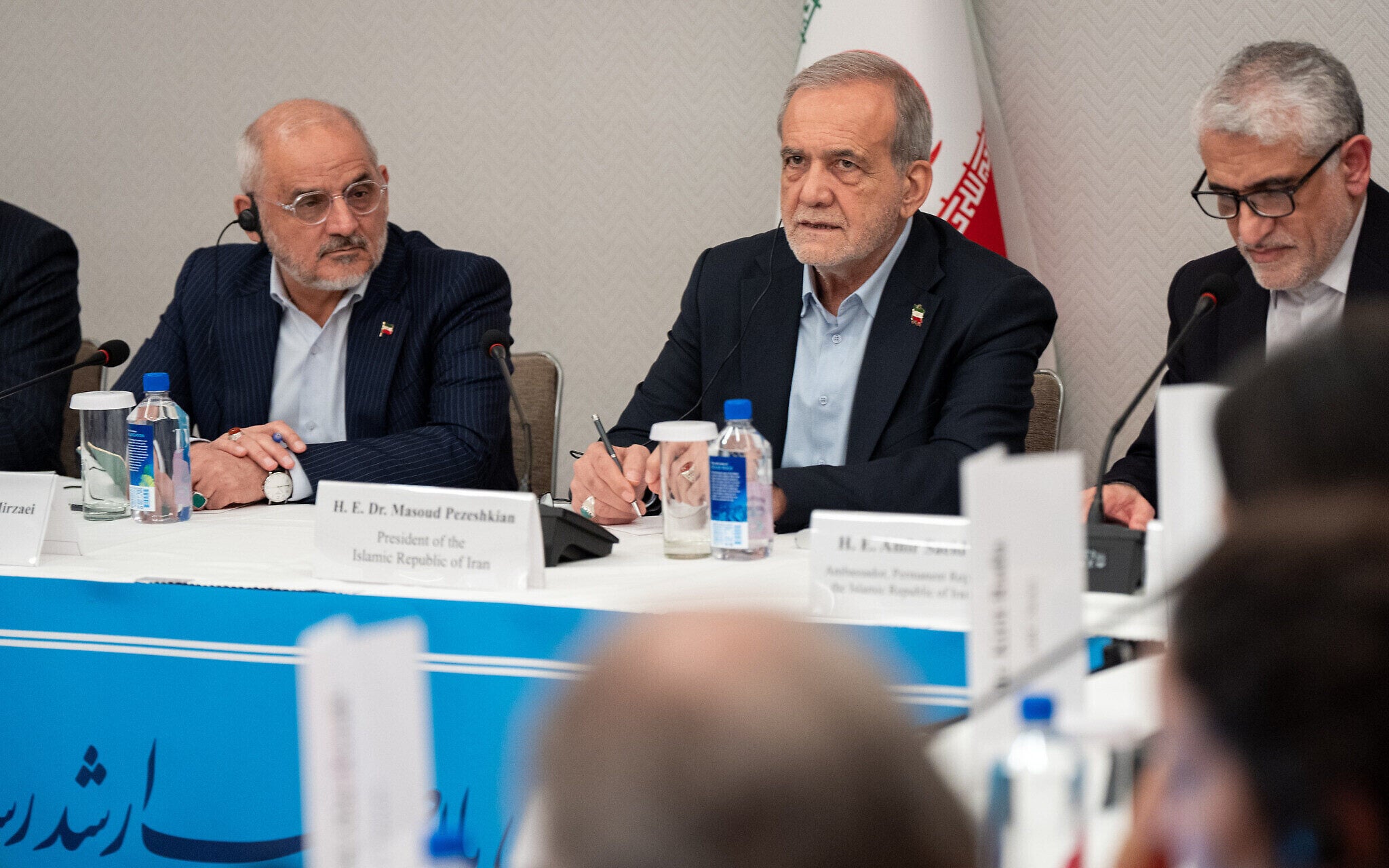
Iran had allowed UN inspectors to return to its nuclear sites, but President Masoud Pezeshkian said the United States had offered only a short reprieve in return for handing over its whole stockpile of enriched uranium, a proposal he described as unacceptable.
An 11th-hour effort by Iran allies Russia and China to postpone the sanctions until April failed to win enough votes in the Security Council on Friday, leading to the measures taking effect at 3:30 a.m. in Tehran (0000 GMT) on Sunday.
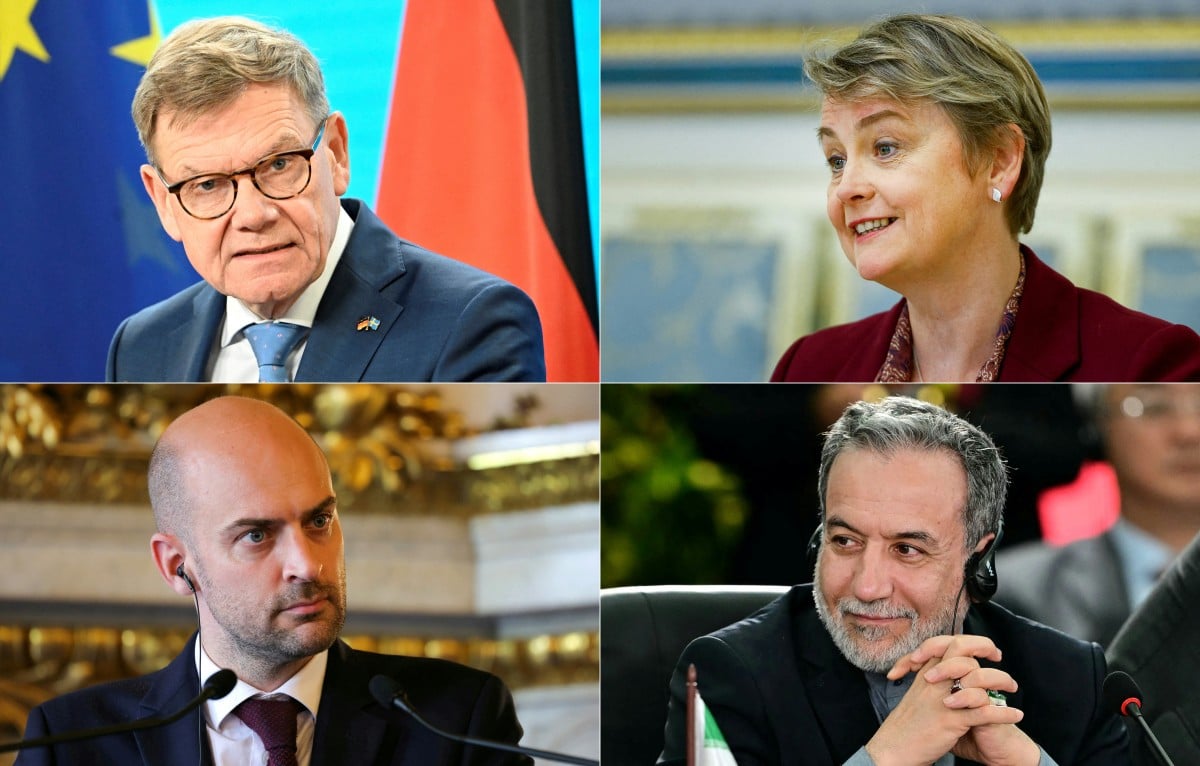
Germany, which triggered the return of sanctions alongside Britain and France, had “no choice” as Iran was not complying with its obligations, Foreign Minister Johann Wadephul said.
“For us, it is imperative: Iran must never acquire a nuclear weapon,” he told the UN General Assembly.
“But let me emphasize: We remain open to negotiations on a new agreement. Diplomacy can and should continue.”
Russia made clear it would not enforce the sanctions, considering them invalid.
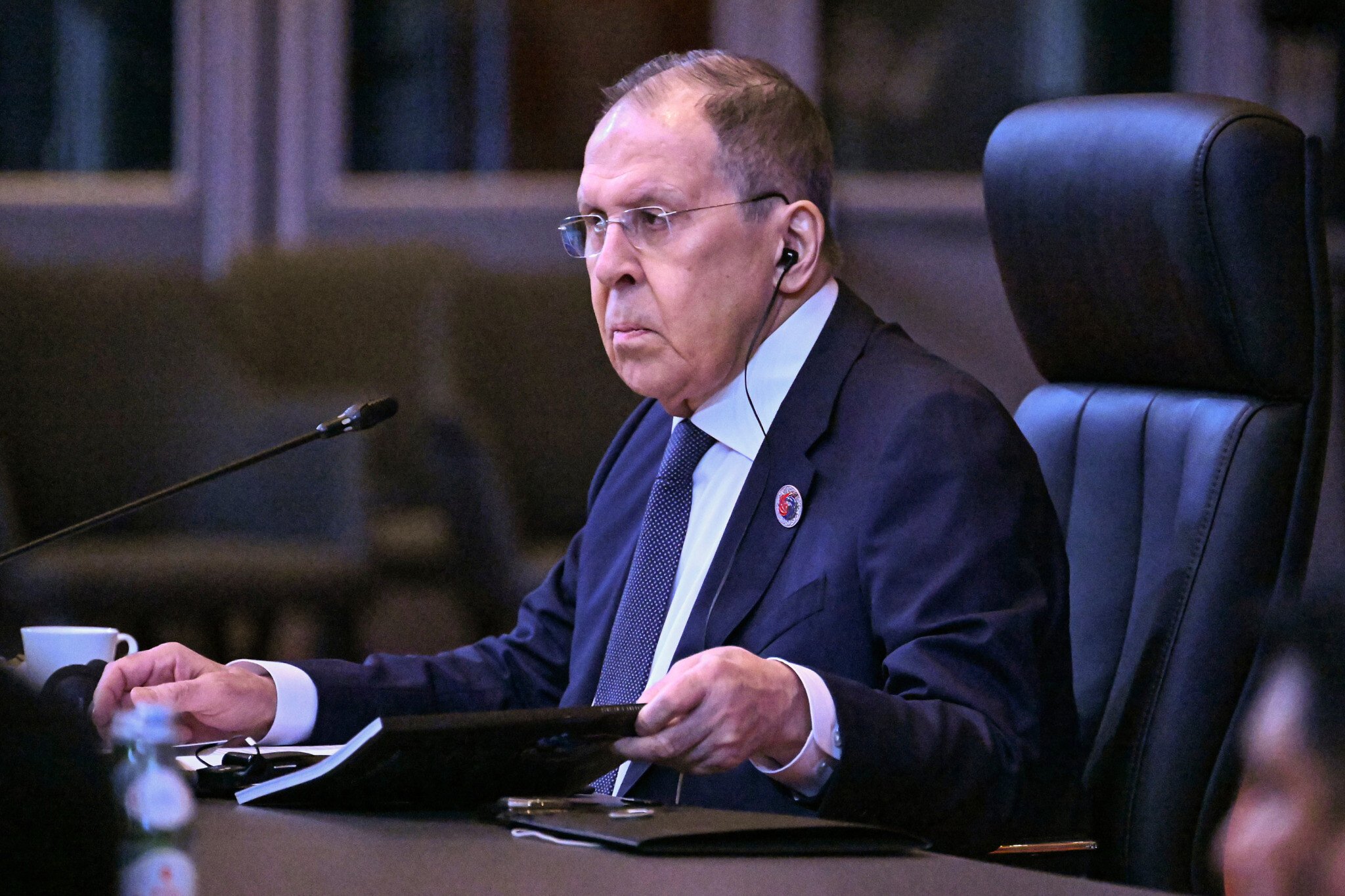
The sanctions “finally exposed the West’s policy of sabotaging the pursuit of constructive solutions in the UN Security Council, as well as its desire to extract unilateral concessions from Tehran through blackmail and pressure,” Russian Foreign Minister Sergei Lavrov said.
Iran has long contended that it is not seeking nuclear weapons, but it has been enriching uranium to levels that have no peaceful application, barring UN nuclear inspectors, and regularly threatening to flatten Israeli cities.
Economic impact
The sanctions are a “snapback” of measures frozen in 2015 when Iran agreed to major restrictions on its nuclear program under a deal negotiated by former US president Barack Obama.
The United States already imposed massive sanctions, including trying to force all countries to shun Iranian oil, when President Donald Trump withdrew from the deal in his first term.
Iran and the United States had held several rounds of Omani-brokered talks earlier this year before they collapsed in June when first Israel and then the United States attacked Iranian nuclear facilities.
Iran recalled its envoys from Britain, France and Germany for consultations on Saturday, state television reported.
On the ground, Iranians lamented the likely impact of the new sanctions on an already squeezed economy.
“The current (economic) situation was already very difficult, but it’s going to get worse,” said an Iranian engineer who asked to be identified only by his first name Dariush.
“The impact of the renewed sanctions is already evident: the exchange rate is increasing, and this is leading to higher prices,” the 50-year-old said, complaining that the standard of living is “much lower” than it was two or three years ago.
The dollar was trading at around 1.12 million rials on the black market on Saturday, a record high according to several currency-tracking websites.
Nava Freiberg contributed to this report.







The Times of Israel Community.