

Iran’s military degraded by 12-day war with Israel, but still has significant capabilities
Despite its losses to Israel and US, Tehran retains missiles, manpower and regional reach
 Add ToI as a Preferred Source on Google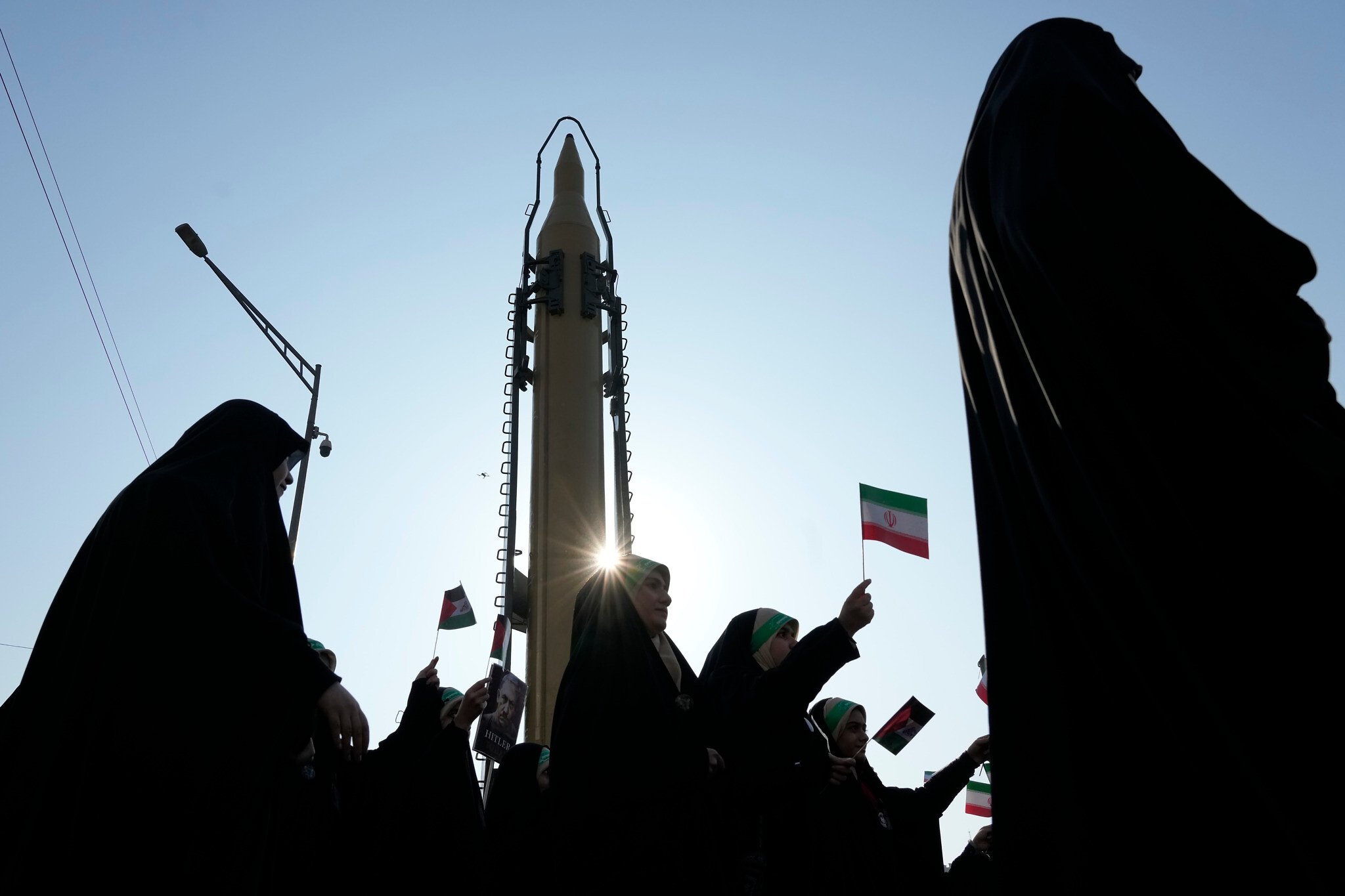
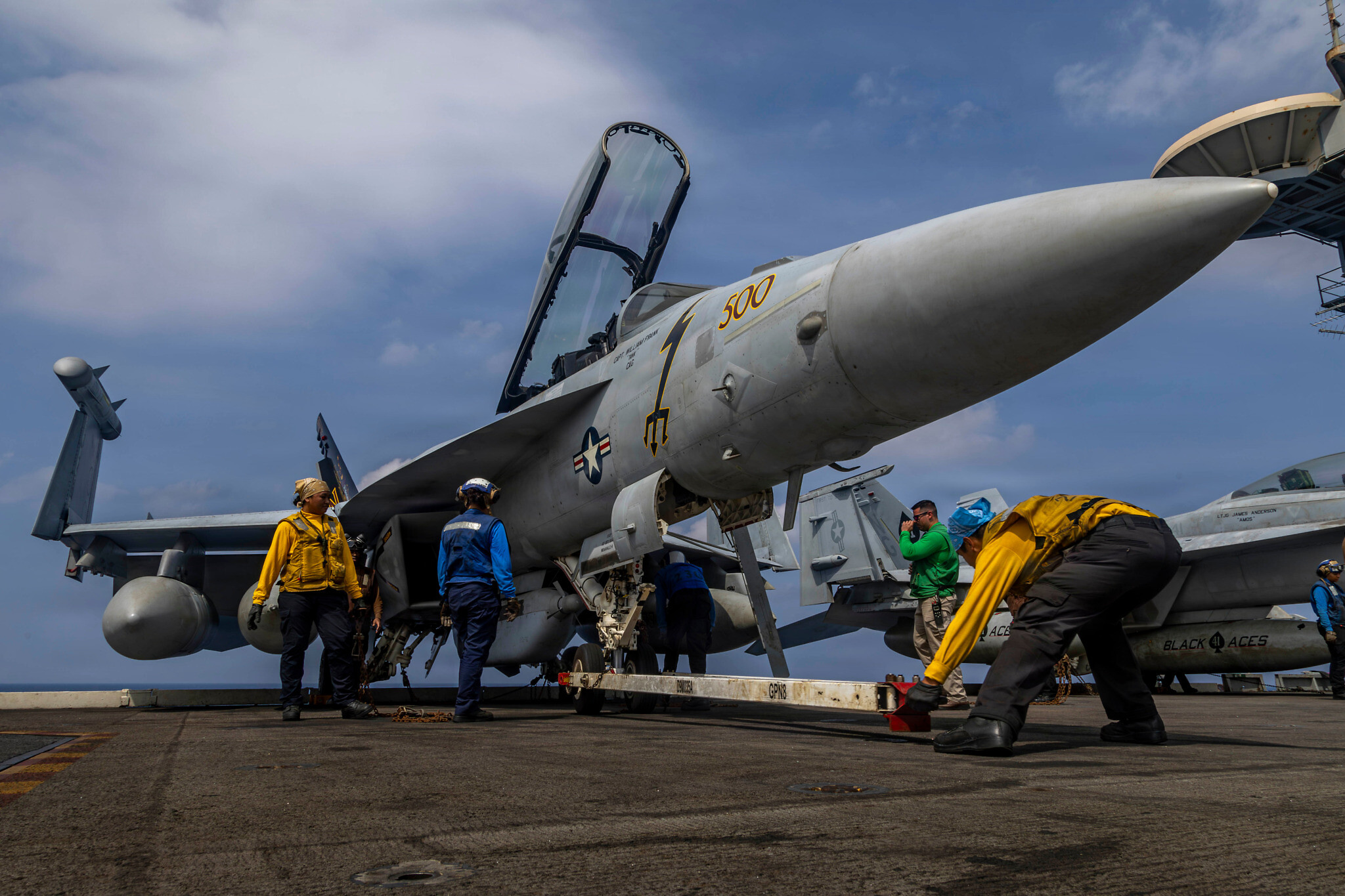
BANGKOK (AP) — With one American carrier strike group already in the Middle East and another apparently on its way as US President Donald Trump ramps up pressure on Iran to give up its nuclear program, fears are rising of the outbreak of another war that could spread into a regional conflict.
The 12-day Israel-Iran war last year appeared to cripple key elements of Iran’s military, yet left its capabilities far from neutralized — a distinction that looms large as tensions rise again.
If hostilities erupt again, the risk of a broader protracted conflict returns, especially if Iran’s leadership sees the fight as one for its existence.
Open skies
The June 13-24 war started when Israel launched strikes targeting Iran’s nuclear program and top military officials, saying it was responding to an existential threat posed by the nuclear program as well as Iran’s massive ballistic missile array. The United States joined the conflict, hitting three nuclear sites with massive “bunker-buster” bombs dropped from B-2 stealth bombers that flew their mission from their home base in Missouri.
It was a risky move for Trump, who has criticized his predecessors for involving the US in “stupid wars,” but Iran responded weakly to the US attack, with a limited missile attack on an American military base in Qatar that it warned Washington of in advance, and which caused no casualties. Tehran and Israel then both agreed to a ceasefire.
Israel was able to significantly degrade Iran’s air defenses with airstrikes and covert attacks from teams on the ground. Iran, presumably aware that its older F-14 and MiG-29 fighters were no match for the fifth-generation American F-35 stealth fighters and other aircraft flown by Israel, also never sent its air force into action.
That left the skies clear for Israel to carry out waves of attacks, and for the US to hit Iran’s nuclear facilities and get out of Iranian airspace without the B-2 bombers ever being fired upon.
If hostilities resume, that scenario is likely to repeat, said Sascha Bruchmann, a defense analyst with the International Institute for Strategic Studies in Bahrain.
“In practical terms, in reductionist terms, the sky is open for American and Israeli planes,” he said. “The problem is how to defend the region from the retaliation.”
Bruchmann said in the case of an expanded war, Iran would most likely hit back by targeting US bases in the region, but could also attack oil infrastructure and mine the Strait of Hormuz, which links the Persian Gulf to the Gulf of Oman, through which about a fifth of the world’s oil is transported.
They could also attempt to hit the American aircraft carriers, though they’re well defended by the destroyers in their strike groups, Bruchmann said.
“If the regime itself believes its survival is at stake, which it did not believe in June last year, I think the game is different,” he said. “If you have a … regime that thinks it’s about to go down, then why would you hold back with retaliation?”
Iran’s missile cupboard
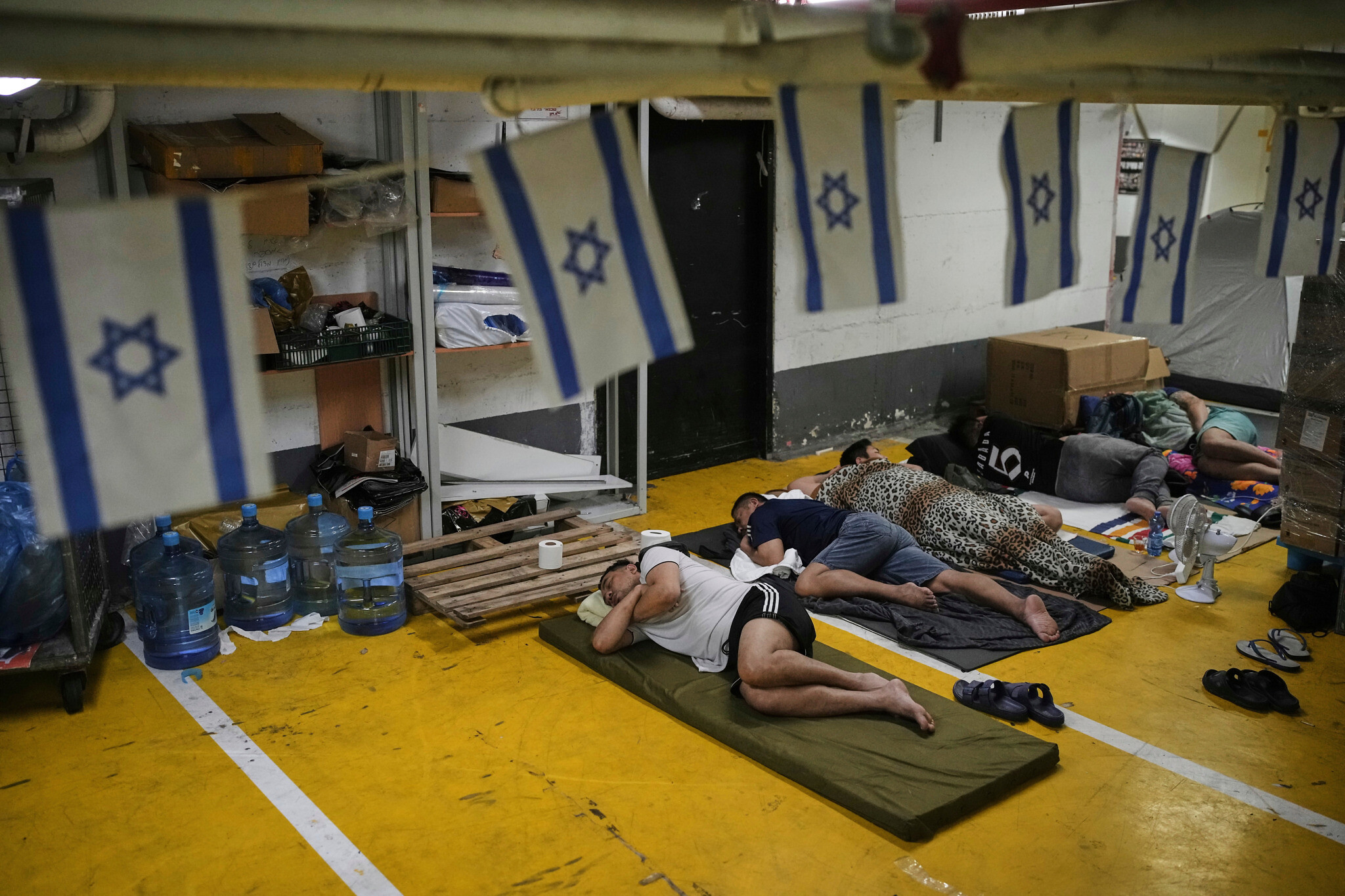
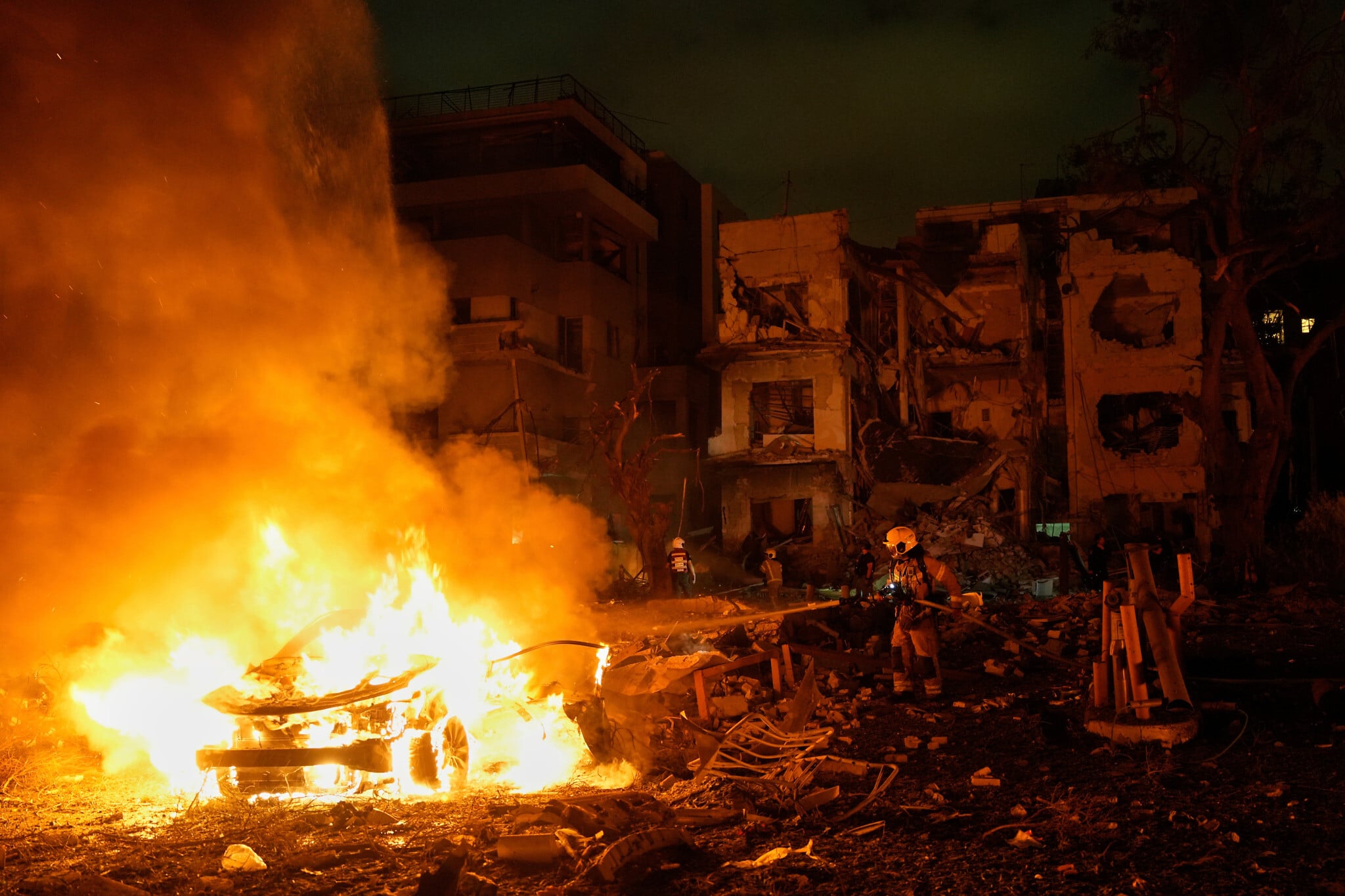
Iran fired hundreds of missiles during the 12-day war and used more than 1,000 attack drones, killing nearly three dozen Israeli civilians and wounding thousands.
Danny Citrinowicz, a researcher at Israel’s Institute for National Security Studies and a former Iran specialist in Israel’s military and intelligence services, said that it remains unclear how much missile capacity Iran has rebuilt.
“You can see through satellite imagery, attempts to restart manufacturing,” he said, adding that government leaks in Israeli media suggest that Israel assumes Iran still retains a substantial number of short-range ballistic missiles.
Israeli strikes last year focused on what officials saw as the most immediate threats — Iran’s medium- and long-range missiles — leaving Tehran with a reduced but far from eliminated ability to threaten Israel. Its ability to hit nearby US bases with short-range missiles seems barely diminished.

“The short-range ballistic missiles did not suffer any significant hit whatsoever in the 12-day war,” Citrinowicz said.
Iran’s exact capabilities aren’t known, but it’s thought to still have more than 1,000 long-range missiles that could hit Israel, and several thousand of the shorter-range missiles that could be used to hit American bases or other targets nearby, Bruchmann said.
Missile stockpiles matter only if a country retains the systems to launch them. Israel also took out many of Iran’s launchers, but wasn’t able to destroy them completely, and it seems likely that Iran will have been working hard to rebuild that capacity.
Very different stakes
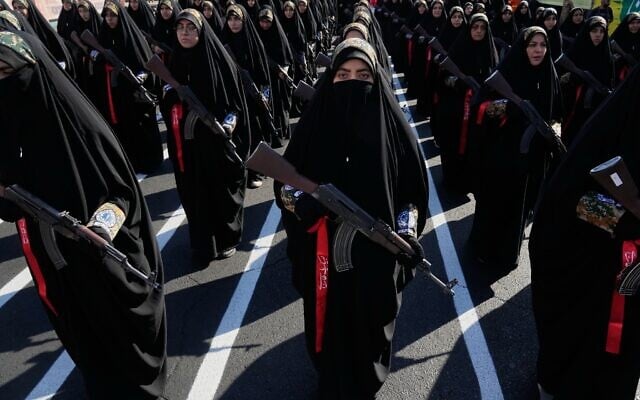
Iran’s military vastly outnumbers that of Israel, with about 600,000 regular troops and 200,000 in the paramilitary Revolutionary Guard, including the elite Quds Force.
Despite this, the Israeli Defense Forces is considered a superior army. Israel has around 170,000 members of active duty forces and another 400,000 reserves. But even though the military is smaller, it has been battle-hardened by regional conflicts and possesses the latest US and European equipment as well as a robust domestic defense industry.
It also has the support of the US, both with its naval assets and multiple bases in the Middle East, including Al Udeid Air Base in Qatar, which hosts thousands of American troops and is the forward headquarters for US Central Command.
In the past, Iran has also relied on proxy forces. Those include Hamas, Hezbollah and the Houthi rebels in Yemen. But each has been so degraded by recent fighting that it’s an open question whether they would be able — or willing — to come to Iran’s assistance from Gaza, Lebanon or Yemen.
A bigger threat might come from Iran-linked militias in Iraq, which could threaten US forces on the ground there.
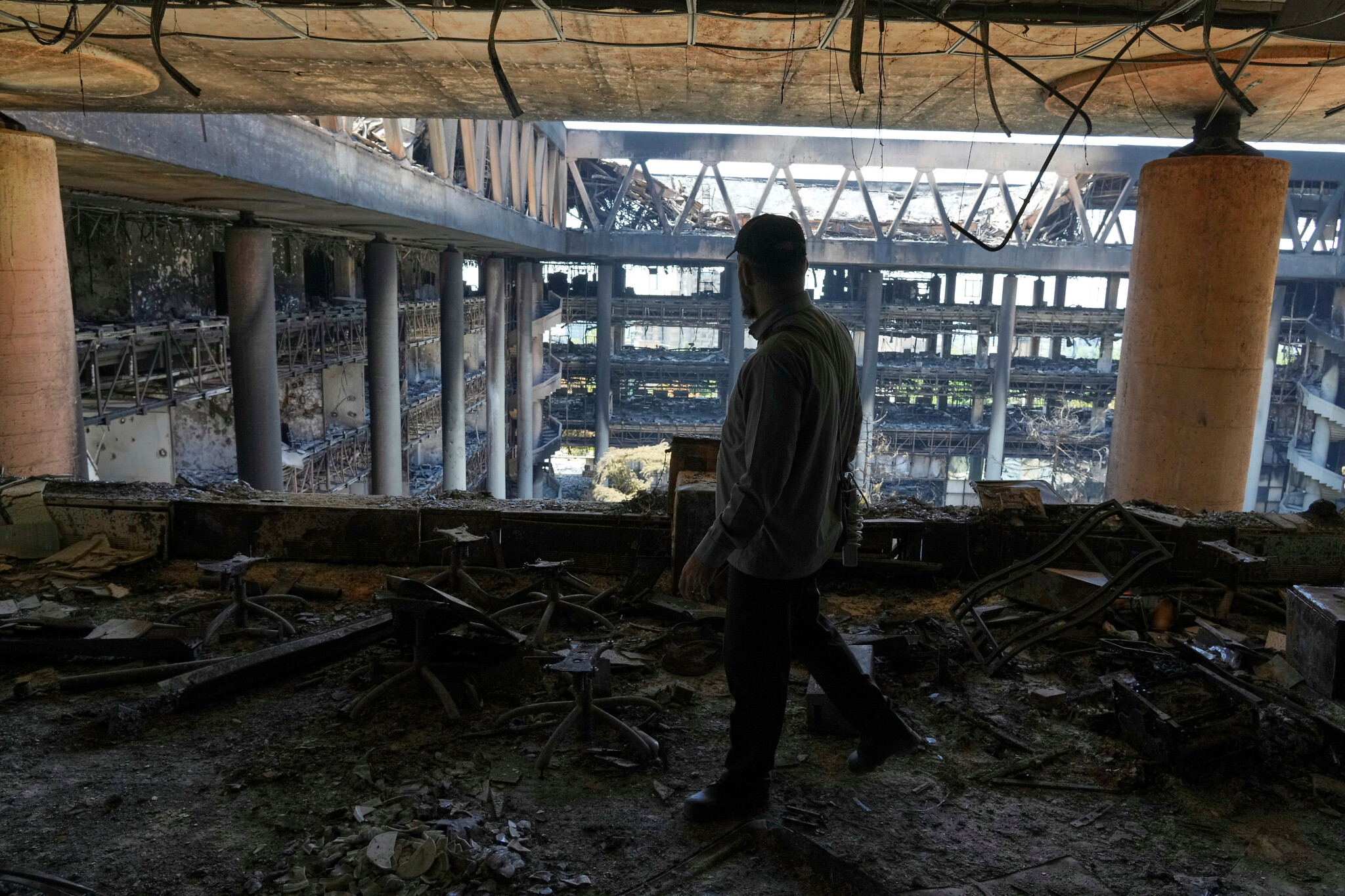
But beyond comparing numbers and capabilities, Bruchmann said that when thinking about a possible all-out conflict, one has to look at what the sides are willing to risk.
“My assumption is that Americans are trying to plan for zero casualties,” he said. “We’re talking regime survival versus a zero casualty intervention — so just phenomenally different stakes.”








The Times of Israel Community.