

Israel mulls extending law to settlements, sanctioning PA chiefs after Palestine recognition
Sa’ar says Israel won’t annex Palestinian population centers; security officials reportedly recommend limiting Palestinian leaders’ freedom of movement
 Add ToI as a Preferred Source on Google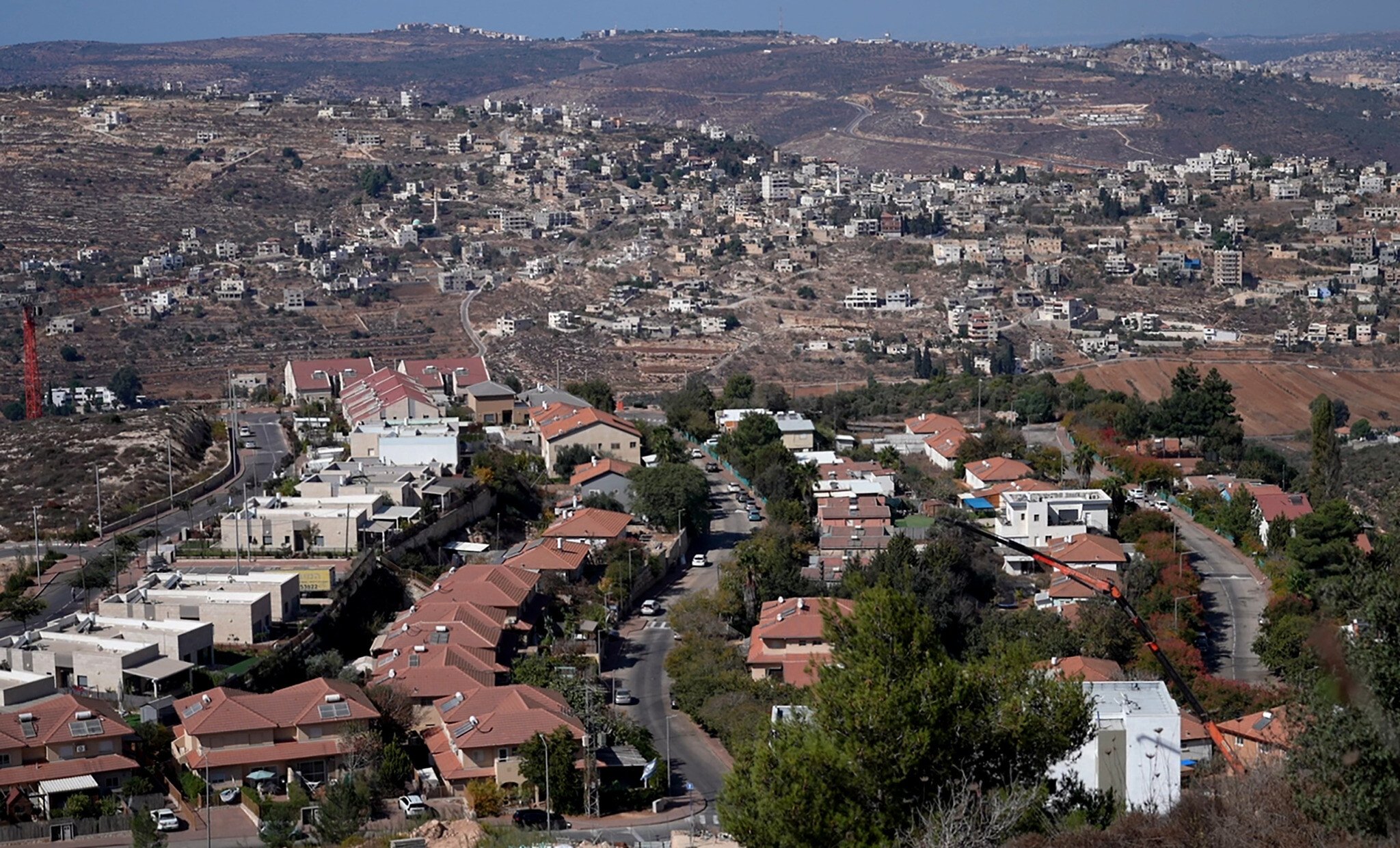
Foreign Minister Gideon Sa’ar said on Thursday that Israel will not consider annexing areas of the West Bank currently under Palestinian Authority control, but is weighing whether to extend Israeli law to settlements in response to the wave of Western countries recognizing a Palestinian state.
The suggestion was one of a few to emerge this week as a string of Western nations announced that they would recognize the state of Palestine, against Israeli wishes. Separately, Israeli security officials have suggested sanctioning leaders of the Palestinian Authority, limiting their freedom of movement and the goods they can obtain from abroad.
Speaking to the Italian Corriere Della Sera daily, Sa’ar said, “There is no intention of even discussing the annexation of Palestinian Authority territories because we don’t want to control the Palestinians.”
“What can be discussed, but hasn’t yet been decided, is implementing Israeli law on the Israeli communities located there and not under the Palestinian Authority,” he explained.
The discussions will take place once Prime Minister Benjamin Netanyahu returns from Washington next week.
In accordance with the Oslo Accords from the 1990s, some parts of the West Bank are under the control of the Palestinian Authority, while others are under Israeli control — though not under Israeli sovereignty — and still others are under PA administrative control and Israeli security control.
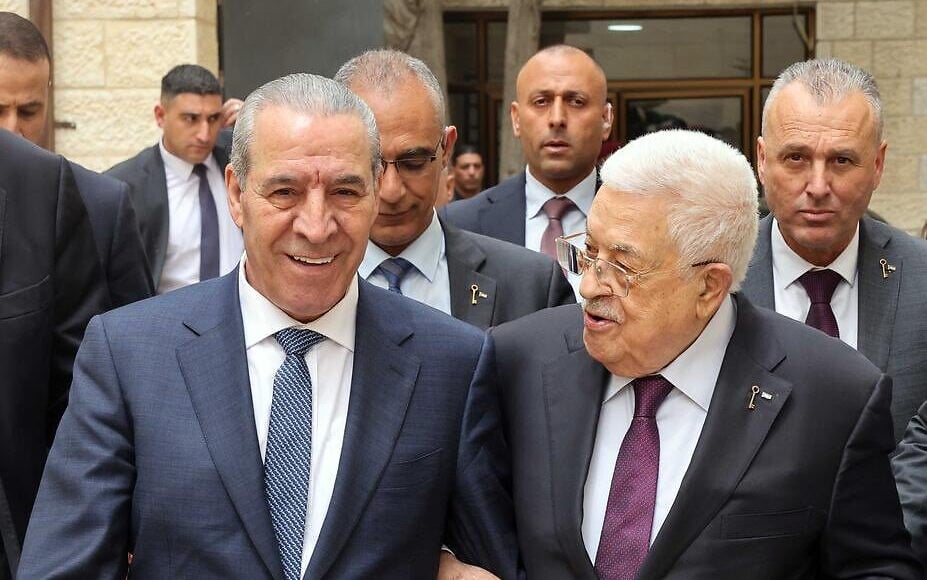
Senior officials in the security establishment are recommending that Jerusalem impose sanctions on Palestinian Authority leaders as a response to Palestinian state recognition, Army Radio reported.
The proposed objects of sanctions reportedly include PA President Mahmoud Abbas and PA Vice President Hussein al-Sheikh.
According to the report, the recommended sanctions include limits on the PA officials’ freedom of movement in the West Bank.
At the moment, the PA leaders not only travel freely around the territory, but do so with security provided by the Shin Bet.
The Israeli security officials have also recommended economic sanctions, for example on goods that their family members import from abroad, the report said.
“Steps like these [imposing sanctions on PA leaders] are unequivocally appropriate and correct. We can’t live with a situation in which leaders of the PA do irreversible damage to us on the international front, and at the same time receive privileges from Israel that, with the years, have become a norm,” officials were quoted as saying.
The Israeli security officials have not recommended any sanctions that would affect West Bank Palestinians more broadly, the report noted.
Additionally, they had recommended Israel wait until Abbas delivers his speech at the United Nations General Assembly on Thursday to see whether he advocates unilateral measures that Israel would oppose.
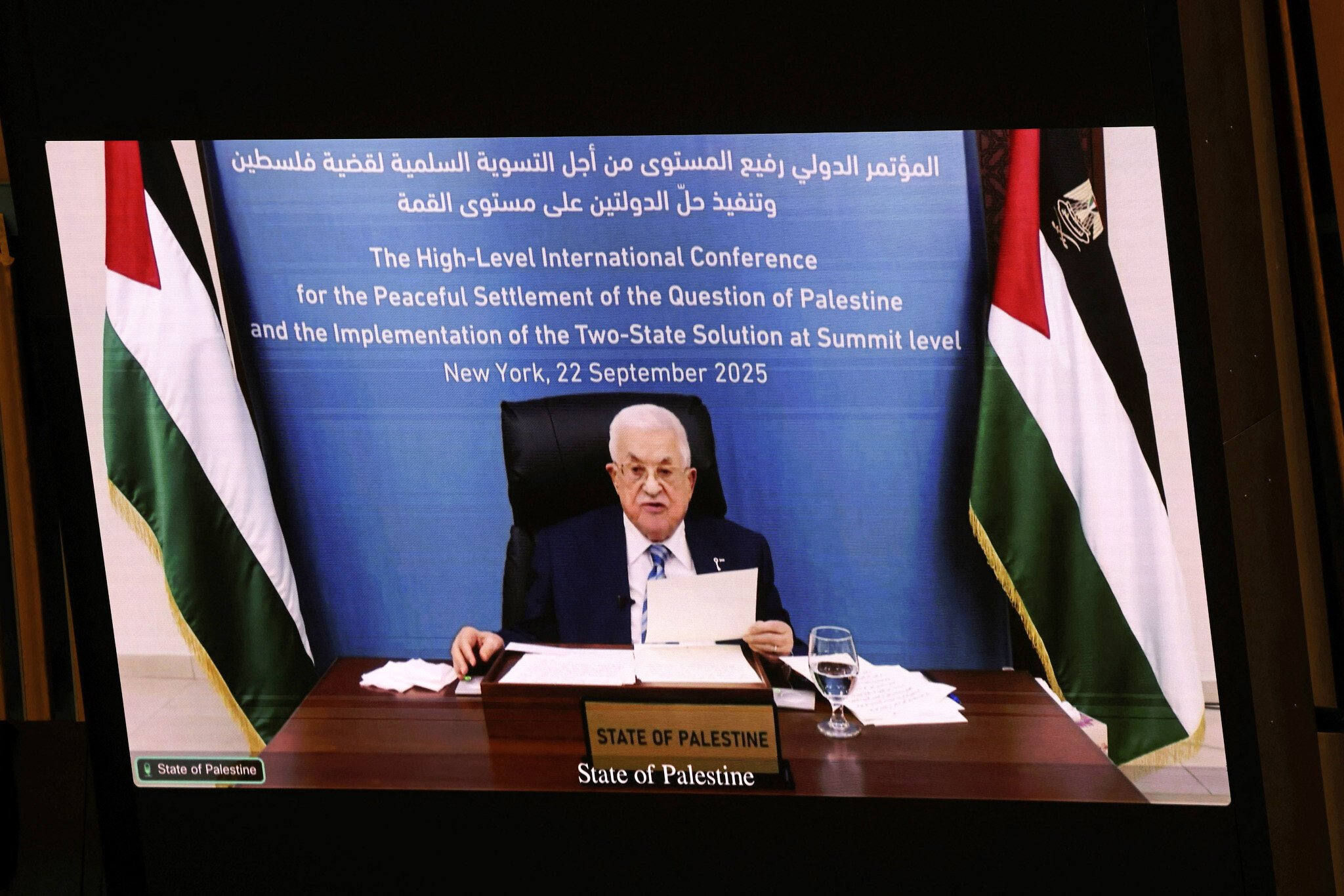
Abbas delivered his speech remotely, after the Trump administration refused to issue him a visa.
A senior Arab diplomat told The Times of Israel that there was mounting concern in the Arab world and in Ramallah that Israel will prevent Abbas from leaving or returning to the West Bank on his next trip abroad as part of the response.
The diplomat said that Israel has, in recent months, been dragging its feet with authorizations for Abbas to travel out of the West Bank, waiting until the last minute to grant approval, when in the past, the green light would come several days in advance.
The Arab diplomat said that such a move would be met with a “firm response” from neighboring Arab countries.
“Such a step would only further isolate Israel,” the diplomat added.
On Monday, Abbas addressed a UN summit on the two-state solution; the PA president praised the wave of statehood recognitions and called for an end to the war in Gaza, the release of the hostages held by Hamas, the terror group’s disarmament, and for the PA to take control of the Strip as part of one Palestinian state.
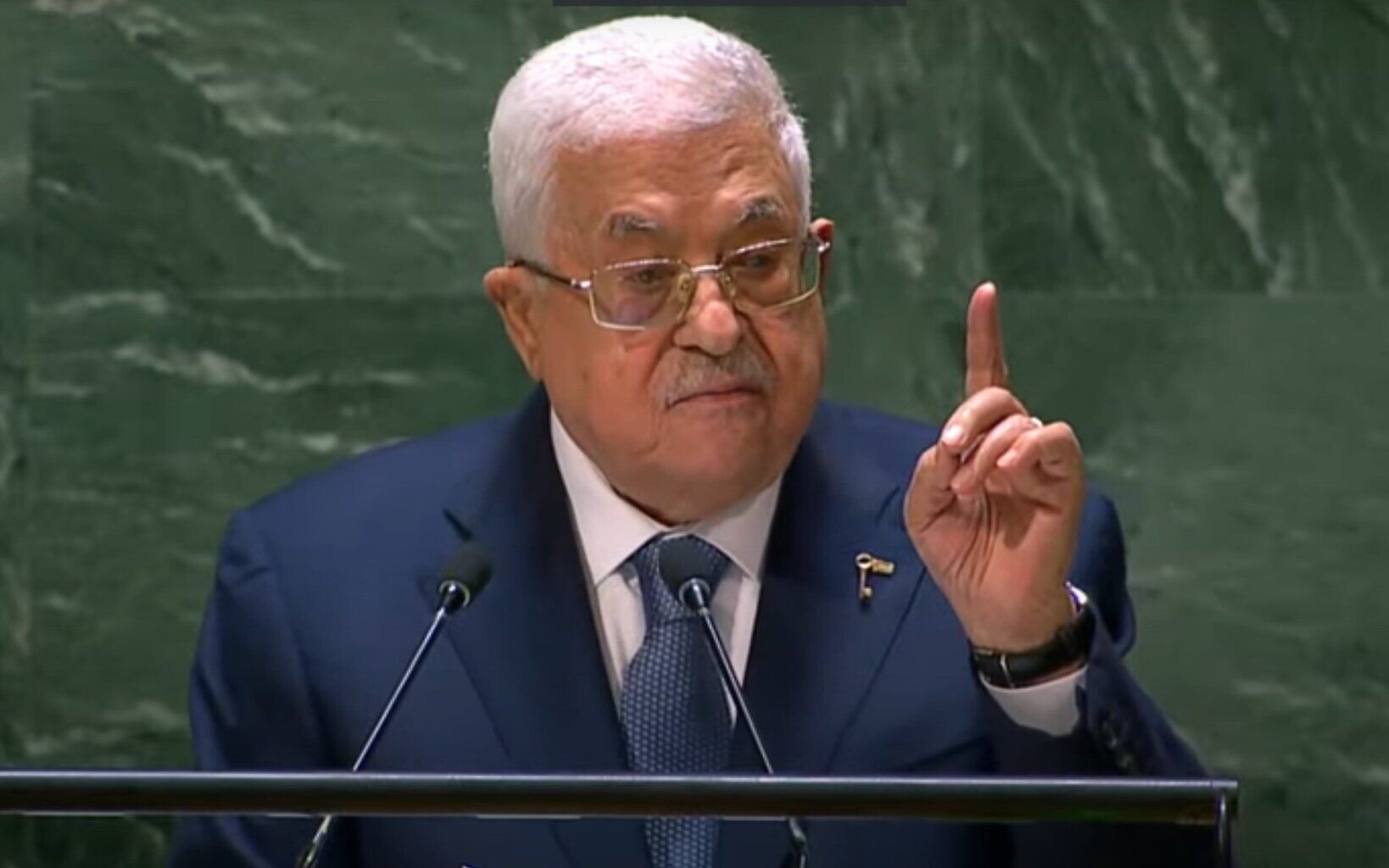
In response to the speech, the Foreign Ministry on Wednesday accused Abbas of seeking to erase Israel, noticing a pin in the shape of a key seen on his lapel when he addressed the UN conference.
The dangerous duplicity of Mahmoud Abbas. In his speech addressing the UN General Assembly he wore a “key” pin – an unmistakable symbol of his goal of erasing Israel.
While Hamas called the October 7 massacre the “Al-Aqsa Flood”, Abbas wants his own flood under the guise of two… pic.twitter.com/ET1hqIGDfN
— Israel Foreign Ministry (@IsraelMFA) September 24, 2025
Descendants of Palestinians who left their homes during Israel’s 1948 War of Independence sometimes wear or display keys as a symbol of their yearning to return to those homes, with the so-called right of return once seen as a major sticking point in long-moribund efforts to reach an Israeli-Palestinian accommodation.
Israel argues that allowing Palestinians to return would result in an influx that would threaten its character as Jewish and democratic, demanding that the children and grandchildren of those who left no longer be recognized as refugees.
In a post on X, the ministry called the pin “an unmistakable symbol of his goal of erasing Israel,” accusing the Palestinian leader of “dangerous duplicity.”
“While Hamas called the October 7 massacre the ‘Al-Aqsa Flood,’ Abbas wants his own flood under the guise of two states: millions of descendants of Arabs who left Israel in 1948 pushed into Israel to erase the only Jewish State,” the ministry wrote.
“It is long overdue for Arab states to grant citizenship to the descendants of those who left in 1948,” the ministry wrote.
Pictures show that Abbas has worn the key pin in nearly every public appearance dating back to May 2023, when the UN marked 75 years since the Nakba, or Catastrophe, the term given by Palestinians to the creation of Israel and the loss of their homes.








The Times of Israel Community.