

Israeli minister heads to Poland as Ukraine refugees pour across border
Nachman Shai, first cabinet member to visit Eastern Europe since war’s start, to meet with Israeli, Polish and Ukrainian officials
 Add ToI as a Preferred Source on Google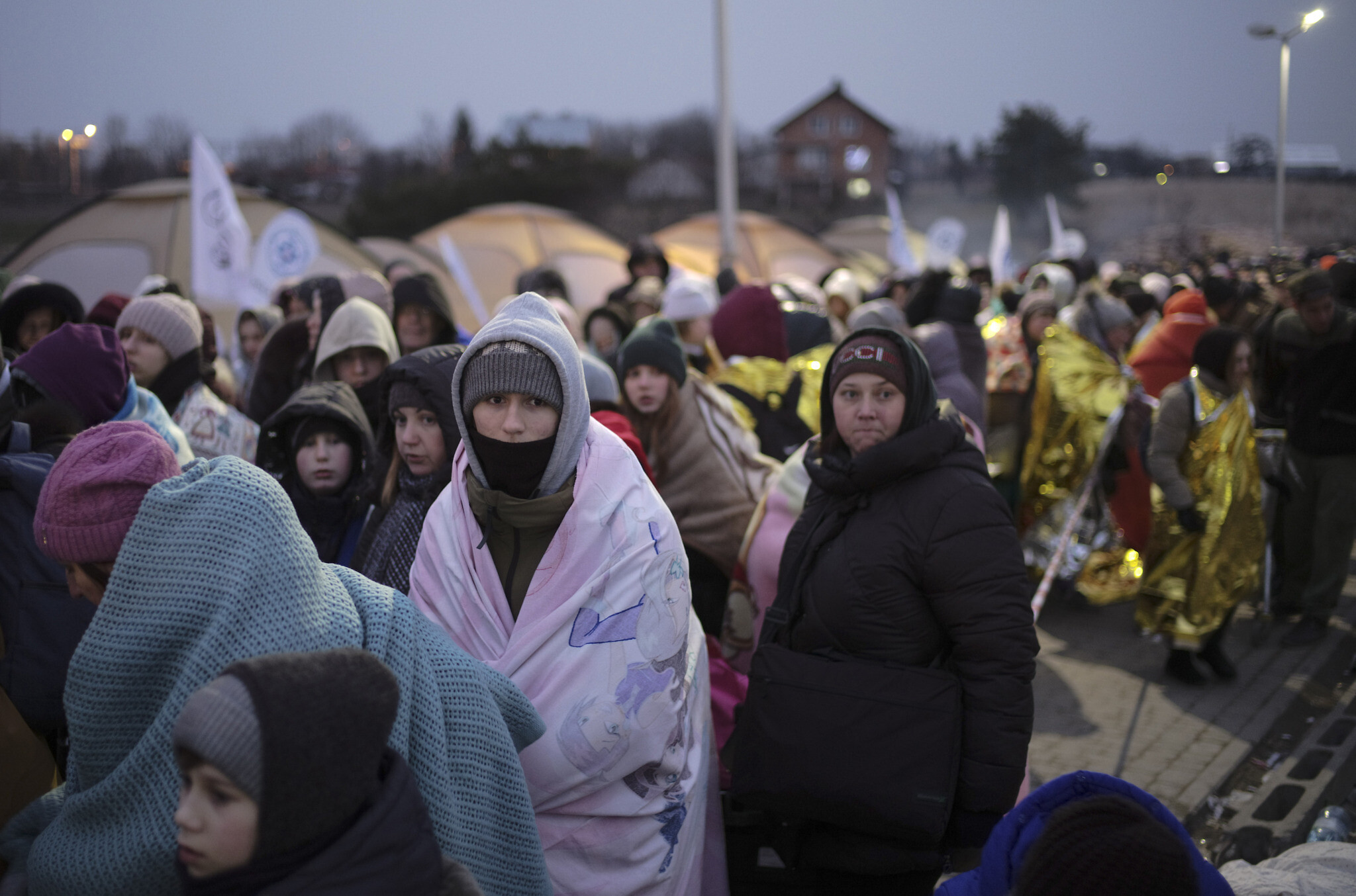
Diaspora Affairs Minister Nachman Shai set off Monday for Poland, where he was set to view Europe’s largest refugee crisis since World War II from the border with Ukraine.
Shai’s trip is the first public visit by an Israeli minister to Eastern Europe since war broke out last month with Russia’s invasion of Ukraine. The Russian offensive has triggered a massive outflow of refugees; according to the UN, over 1.5 million people have fled the country since fighting began on February 24.
Israel has taken in thousands of Jewish refugees and opened its doors to more, but Interior Minister Ayelet Shaked has also sought to limit the number of Ukrainians it accepts who are ineligible for immigration due to a lack of Jewish heritage.
Shai will meet with Israeli, Polish, and Ukrainian ambassadors and officials as well as Jewish and Israeli organizations operating in Ukraine, the Diaspora Ministry said in a statement.
The minister said his trip is to send “an unequivocal message” of unity for the Jews of Ukraine.
“We are with you,” he said. “From far and even from near, here on the ground, at any time of need. The Jewish people and Israel is supporting you and we are full of hope that this terrible war will swiftly come to an end.”
The Diaspora Ministry said that Israel is providing some NIS 20 million ($6.1 million) worth of aid for the Jewish community in Ukraine, thought to number around 200,000 before the war.
Though Shai’s visit was aimed at supporting the Jewish community, he has campaigned for Israel to take in all Ukrainian refugees seeking to escape the fighting.

On Sunday he tweeted that he asked Prime Minister Naftali Bennett to cancel the requirement that Ukrainian refugees deposit NIS 10,000 when they arrive in Israel.
“Such a demand at this time is inhuman & immoral & prevents refugees fleeing the war & without family in Israel from seeking refuge here,” he wrote.
The deposit is held as a guarantee that the Ukrainians will eventually leave Israel, as the country rarely grants refugee status to non-Jews, instead allowing them temporary entry as tourists.
The requirement has been criticized by Ukraine’s ambassador to Israel.
Nonetheless, on Monday, Interior Minister Ayelet Shaked said she would propose a cap on the number of Ukrainians who are not eligible to immigrate under the Law of Return. According to Israel’s Law of Return, Jews and their children, grandchildren, and spouses are eligible for citizenship.
Ukraine has about 43,300 people who self-identify as Jews and about 200,000 eligible to immigrate to Israel under its Law of Return for Jews and their relatives, according to a 2020 demographic study of European Jewry.
Immigration Minister Pnina Tamano-Shata has said she expected tens of thousands of people to immigrate to Israel in the coming months in light of the ongoing Russian invasion of Ukraine.
The Jewish Agency, which facilitates immigration to Israel, said it has already received thousands of immigration requests from Ukraine over the past week and a half, since the start of the Russian offensive, far more than it normally receives over the course of an entire year.
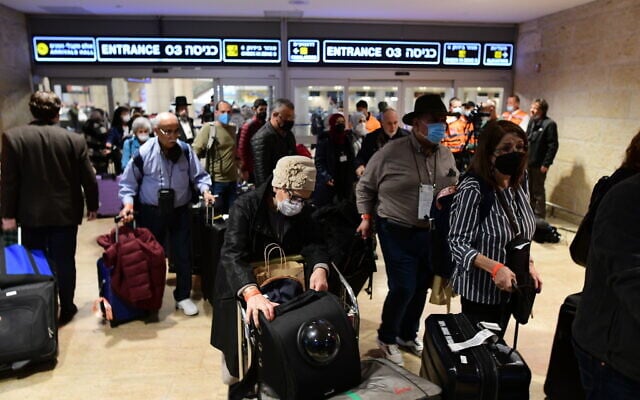
The Population and Immigration Authority said Monday morning that since the outbreak of the war, 2,792 Ukrainian nationals have arrived in Israel; 129 of them were denied entry for unspecified reasons.
Prime Minister Naftali Bennett has attempted to strike a measured approach to the conflict, decrying the humanitarian disaster while refusing to condemn Russia by name. Bennett has defended Israel’s neutrality as necessary for his attempts to mediate ceasefire talks.
Israel has sent humanitarian aid to Ukraine in the form of package airlifted last week that included 17 tons of medical equipment and medicine, water purification systems intended to supply 200,000 people, emergency water supply kits to supply 100,000 people, winter tents to house 3,000, 15,000 blankets, 3,000 sleeping bags, and 2,700 winter coats.
It plans to also ship generators to a Lviv hospital and establish an Israeli-staffed field hospital somewhere in Ukraine.




The Times of Israel Community.