

Israeli strike on vehicle in south Lebanon kills one, Beirut says
IDF says Hezbollah operative killed in strike on Thursday was violating ceasefire; UNIFIL says Israeli troops threw grenade at patrol, military says it was dropped 300 meters away
 Add ToI as a Preferred Source on Google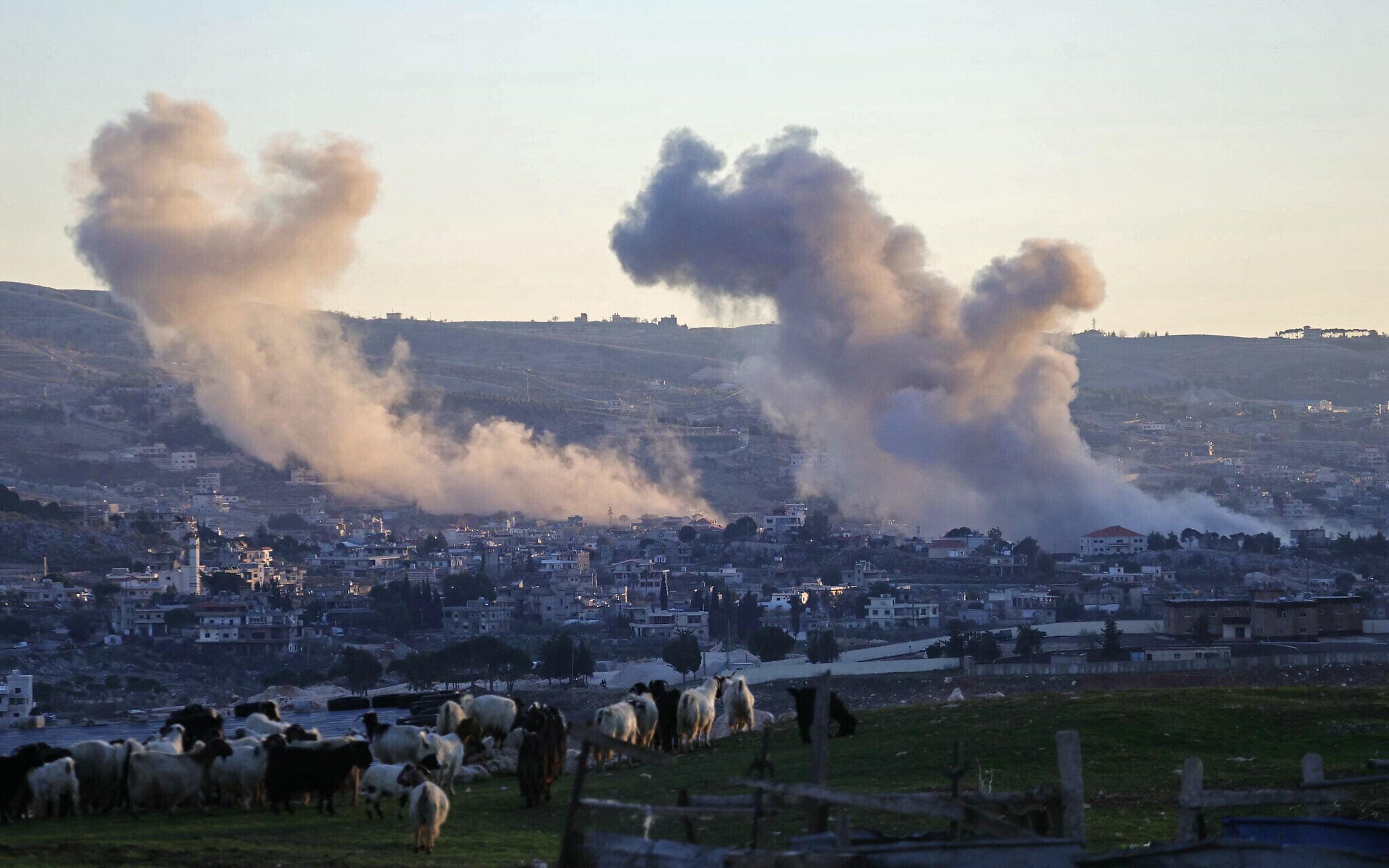
An Israeli strike on southern Lebanon killed one person on Friday, the health ministry in Beirut said.
In a statement, Lebanon’s health ministry said an “Israeli enemy strike” on a vehicle in Mansuri in the southern part of the country killed one person.
The Israel Defense Forces had yet to comment on the strike.
The Lebanese health ministry also said that a strike the previous night killed one person.
The IDF said that the strike, which was carried out in the area of southern Lebanon’s Zawtar al-Sharqiyah, targeted and killed a Hezbollah operative who was involved in efforts to rehabilitate the group’s terror infrastructure.
According to the military, the operative’s activity constituted a violation of the understandings between Israel and Lebanon.
צה"ל חיסל מחבל חיזבאללה שעסק בשיקום תשתיות של ארגון הטרור בדרום לבנון
צה"ל תקף וחיסל אתמול מחבל מארגון הטרור חיזבאללה שעסק בניסיונות שיקום התשתיות במרחב זוטר אל-שרקיה שבדרום לבנון.
פעילותו של המחבל היוותה הפרה בוטה של ההבנות בין ישראל ללבנון.
צה"ל ימשיך לפעול על מנת להסיר כל… pic.twitter.com/GXWEmSvTmc
— צבא ההגנה לישראל (@idfonline) January 16, 2026
The strikes come a week after the Lebanese military said it had completed disarming Hezbollah south of the Litani River, the first phase of a nationwide plan, though Israel has called those efforts insufficient.
Prime Minister Benjamin Netanyahu’s office said in response that the ceasefire “states clearly, Hezbollah must be fully disarmed.”
Israel and Lebanon agreed to a US-brokered ceasefire in November 2024, ending more than a year of fighting between Israel and Hezbollah that had culminated in Israeli strikes and a ground offensive that severely weakened the Iran-backed terror group. Since then, the sides have traded accusations over violations, with Israel insisting that Hezbollah has worked to rearm itself.
Lebanon has faced growing pressure from the US and Israel to disarm Hezbollah, and its leaders fear that Israel could dramatically escalate strikes across the battered country to push Lebanon’s leaders to confiscate Hezbollah’s arsenal more quickly.
On Wednesday, senior Hezbollah political official Mahmoud Qmati warned Lebanon’s government that pressing on with efforts to disarm the group throughout the country would trigger chaos and possibly civil war.
Separately on Friday, the United Nations Interim Force in Lebanon said an IDF drone dropped a grenade near its peacekeepers during a patrol in southern Lebanon a day before.
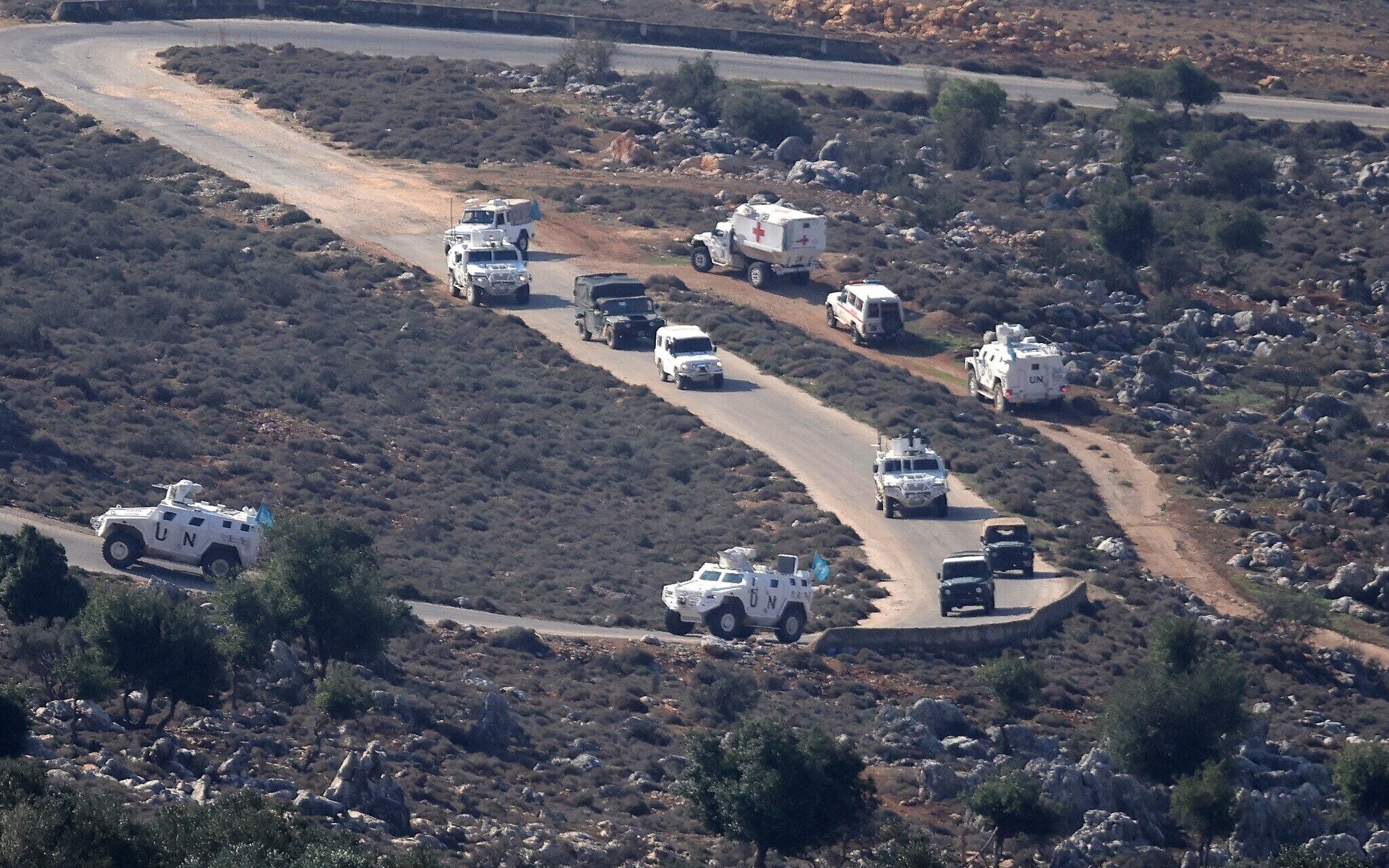
In a statement, UNIFIL said peacekeepers on a planned patrol near the town of Odaisseh along the Israel-Lebanon border were warned by locals of a potential danger at a home and discovered an explosive device connected to a detonating cord.
After establishing a security cordon and preparing to check another house, a drone that had been hovering overhead dropped a grenade some 30 meters from the peacekeepers, UNIFIL said, prompting a request to halt fire.
UNIFIL added that no one was injured.
The force accused Israel of endangering peacekeepers and violating UN Security Council Resolution 1701.
In response, the IDF said that it had identified several suspects near a structure being used for “terrorist purposes” by Hezbollah and directed a drone to locate them and prevent threats to troops in the area.
After determining the individuals were UNIFIL personnel, the military said the drone was redirected, and the munition was dropped “as required” in an open area roughly 370 meters away from the UN force.
UNIFIL has acted as a buffer between Israel and Lebanon since 1978, but the UN Security Council voted in August to withdraw the peacekeepers in 2027.
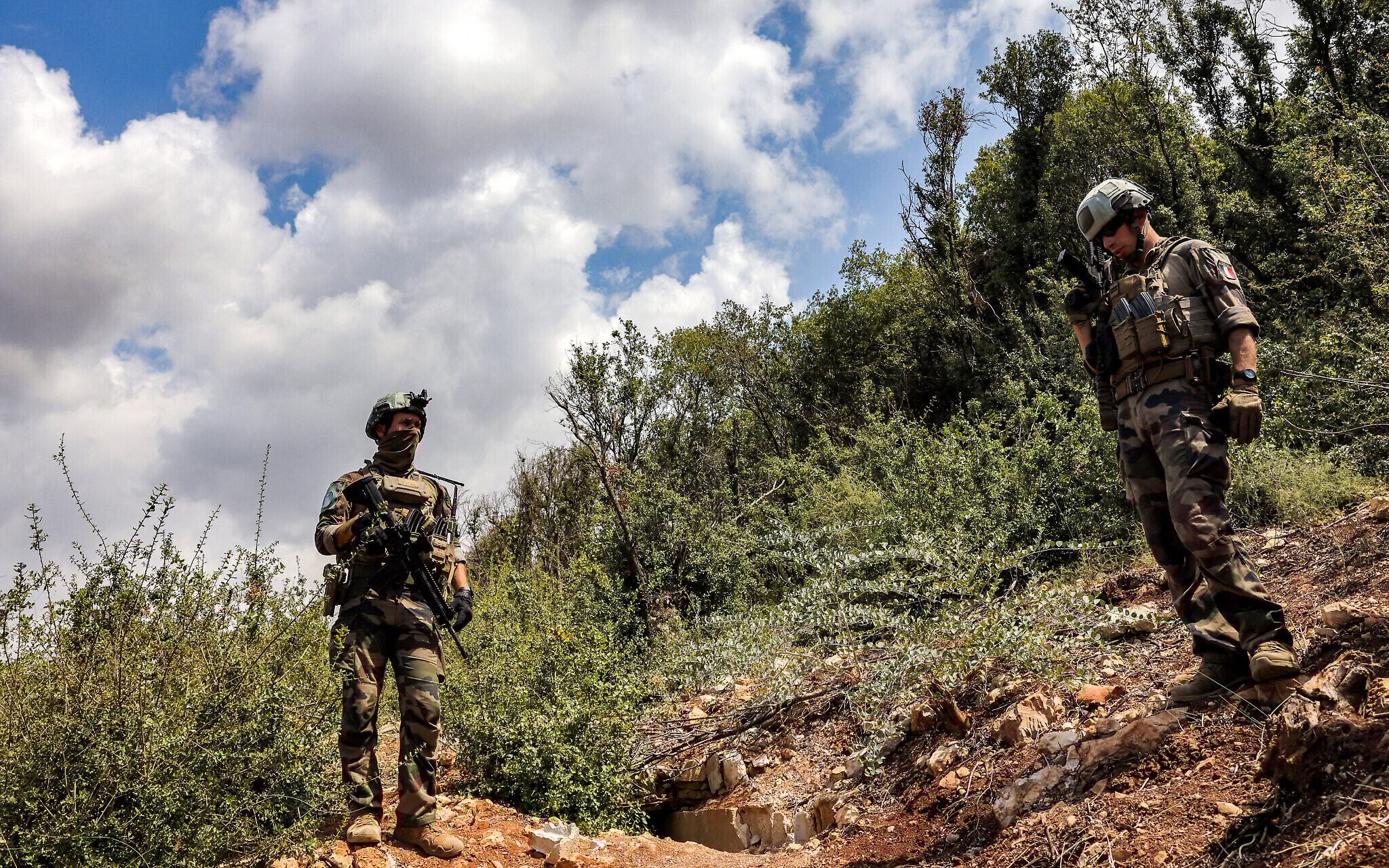
Israel has long argued that the observer force has failed in its mission, doing little to block Hezbollah from building up its forces near the Israeli border over decades, as required under UN Security Council Resolution 1701, which ended the 2006 war between Israel and Hezbollah, and formed the basis of the November 2024 ceasefire with the terror group.
Since the ceasefire, the IDF has killed around 400 operatives and struck hundreds of additional Hezbollah-linked targets. The IDF has repeatedly asserted that the activity at the targeted sites constitutes a violation of the understandings between Israel and Lebanon.
The conflict began on October 8, 2023, when Hezbollah started firing rockets and drones at northern Israel, one day after its fellow Iran-backed terror group Hamas launched a shock assault on southern Israel, sparking the war in Gaza.


The Times of Israel Community.