

Israelis celebrate Sukkot festival, this year with fewer pandemic restrictions
Last year’s holiday was marked during country’s 2nd coronavirus lockdown; fire breaks out in sukkah in Nahariya, no injuries reported
 Add ToI as a Preferred Source on Google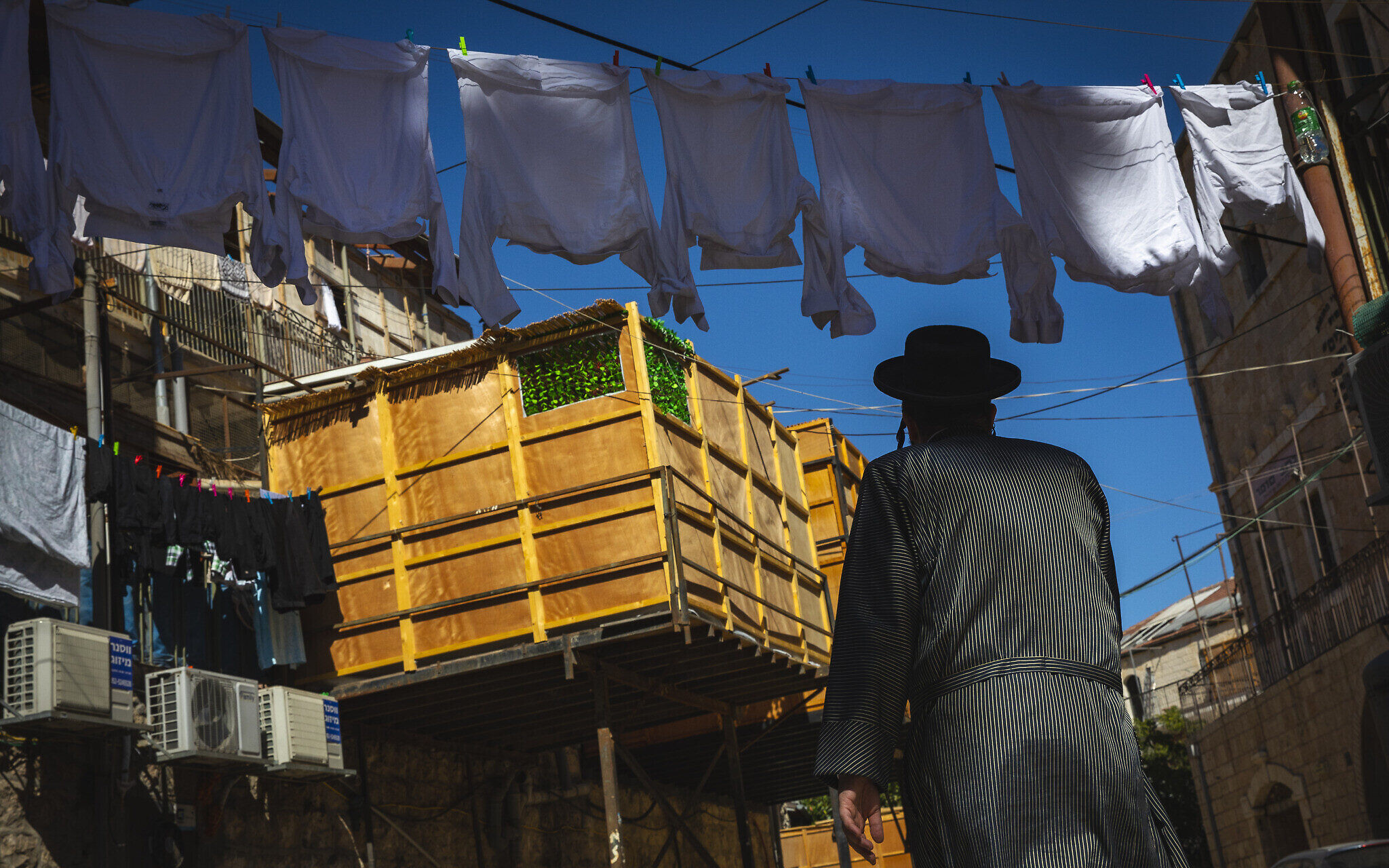
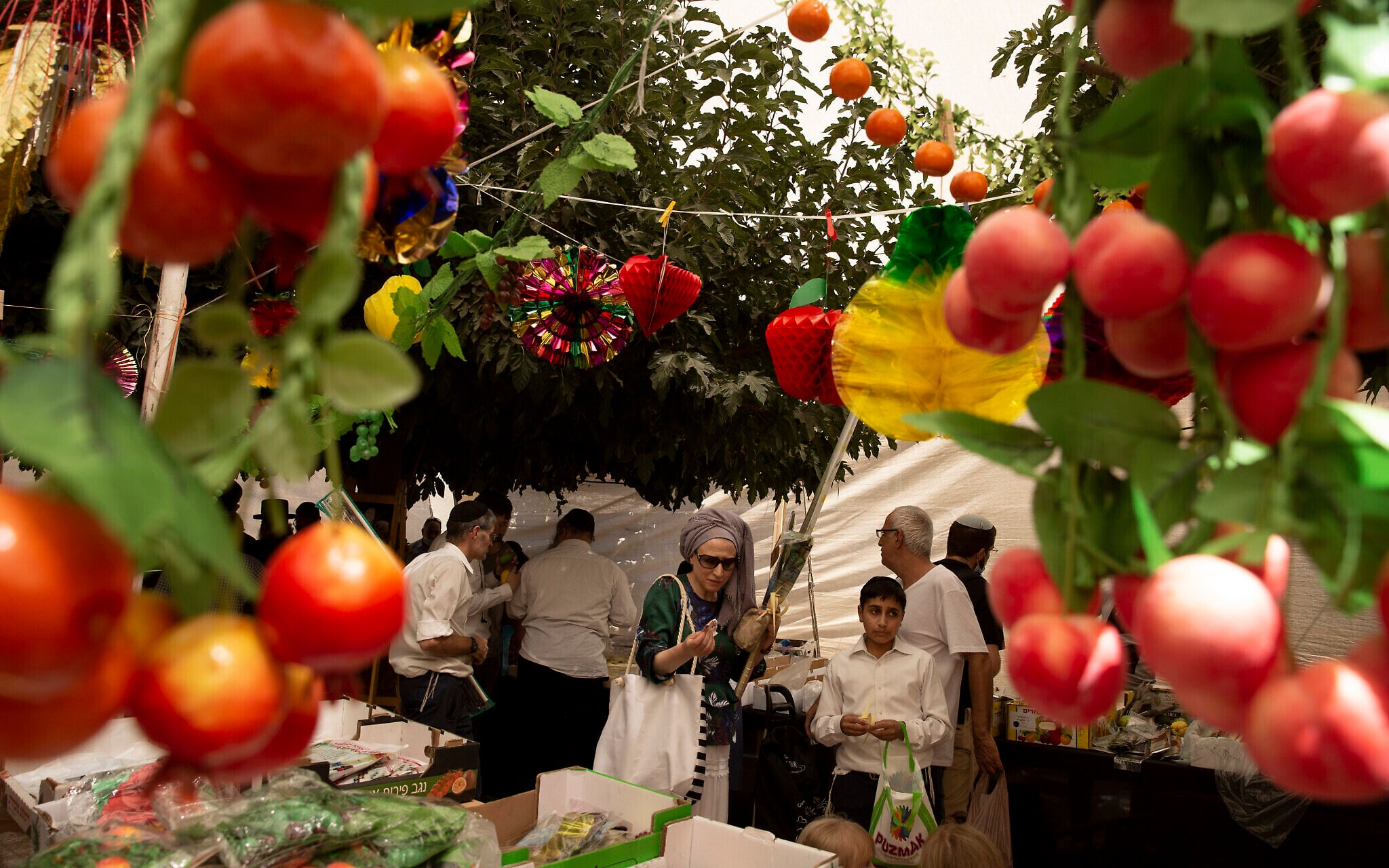
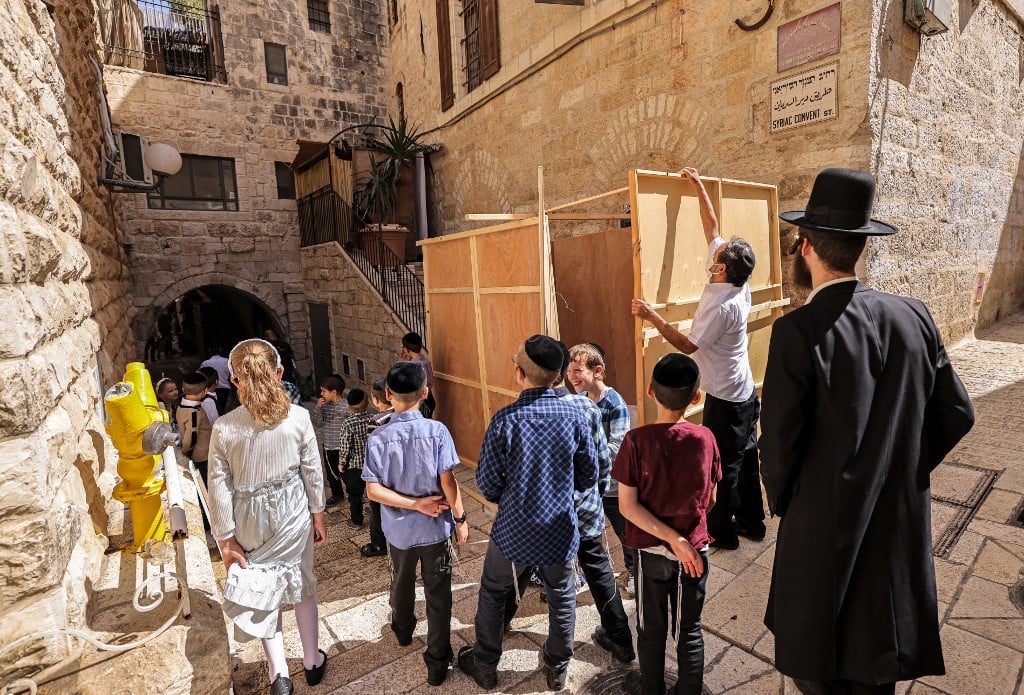
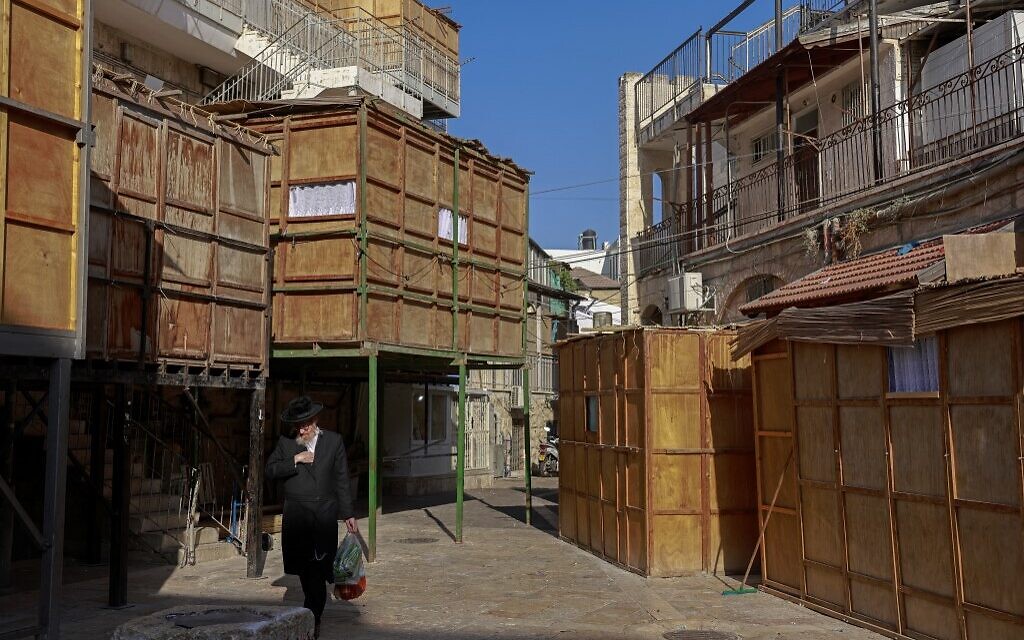
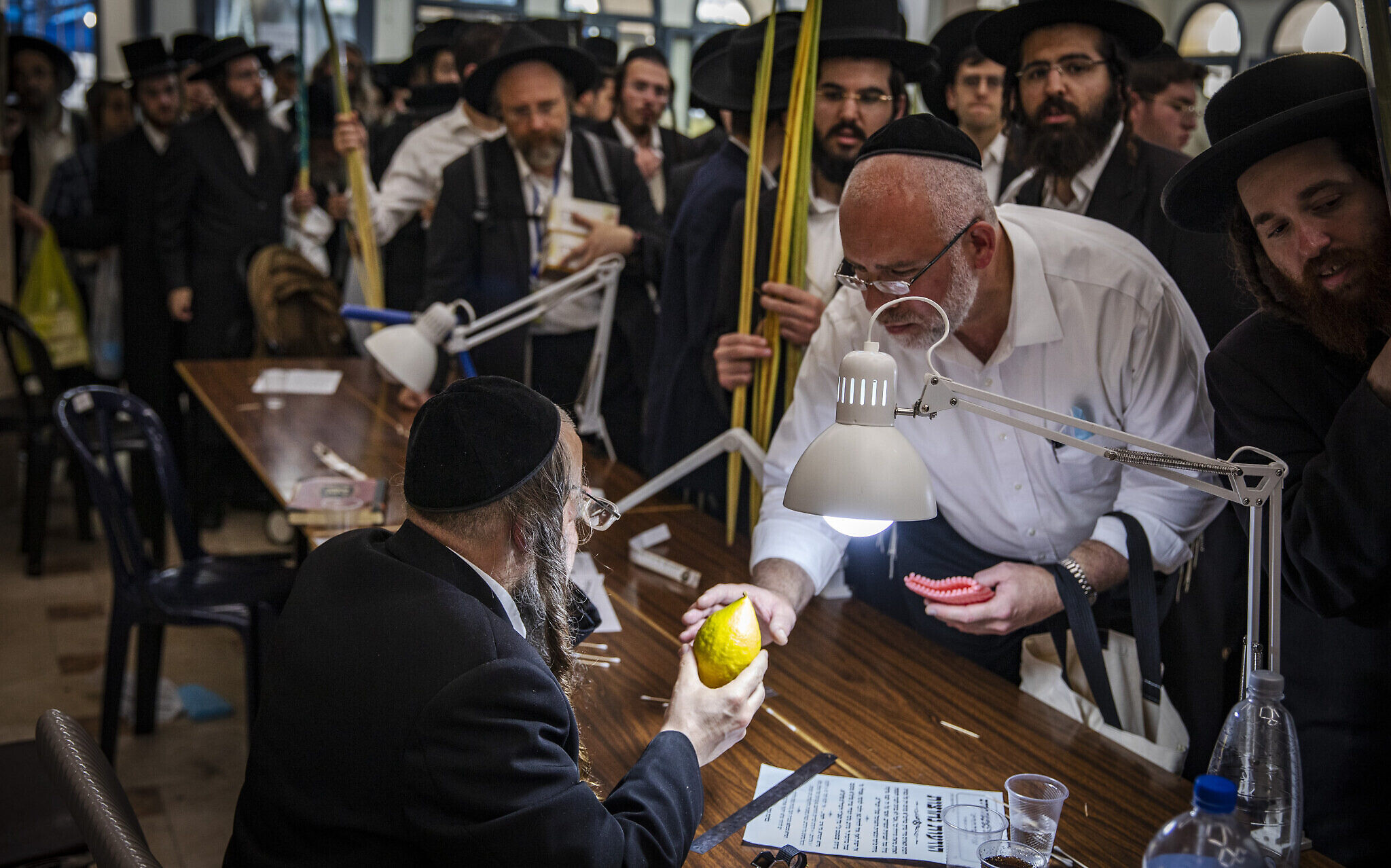
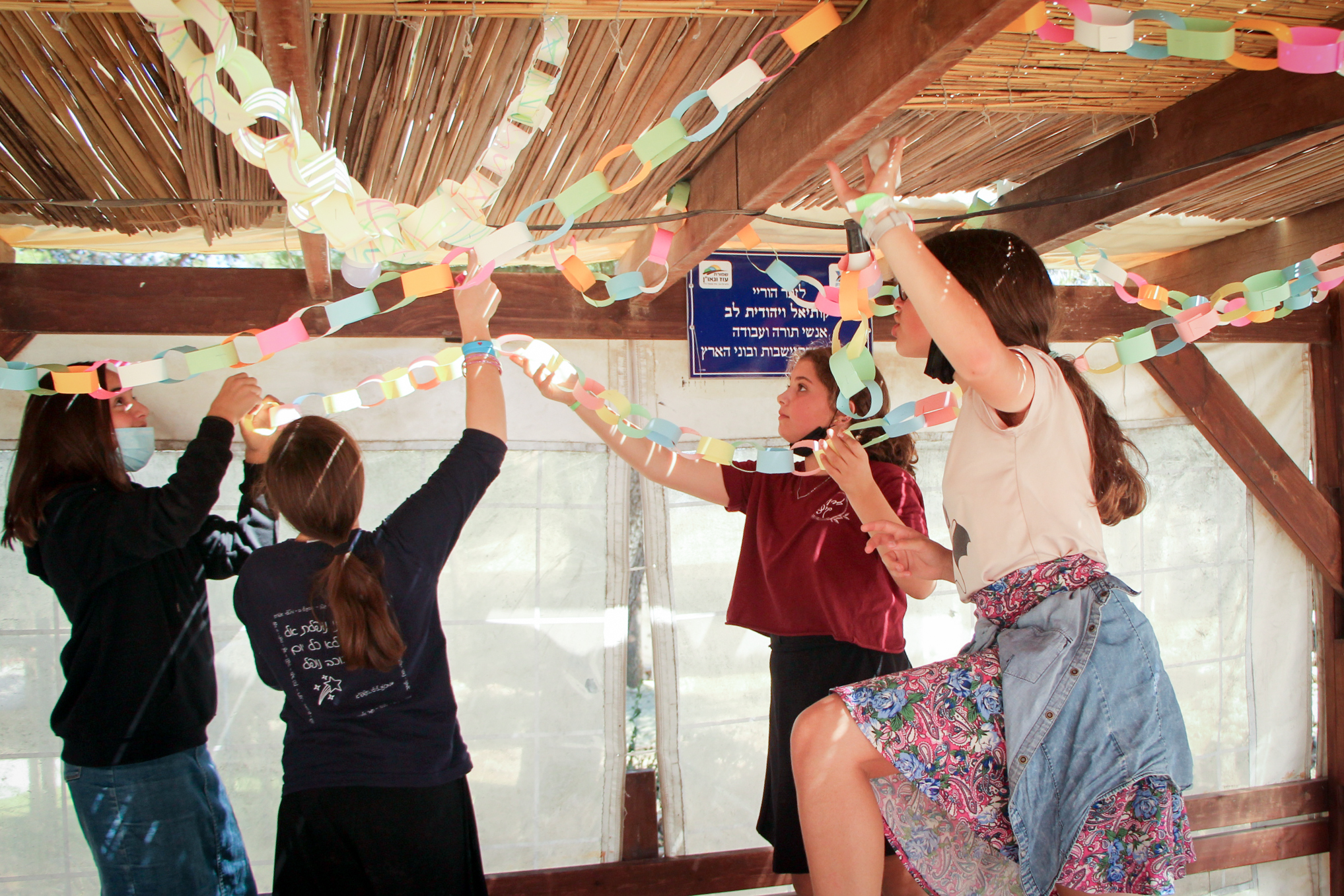
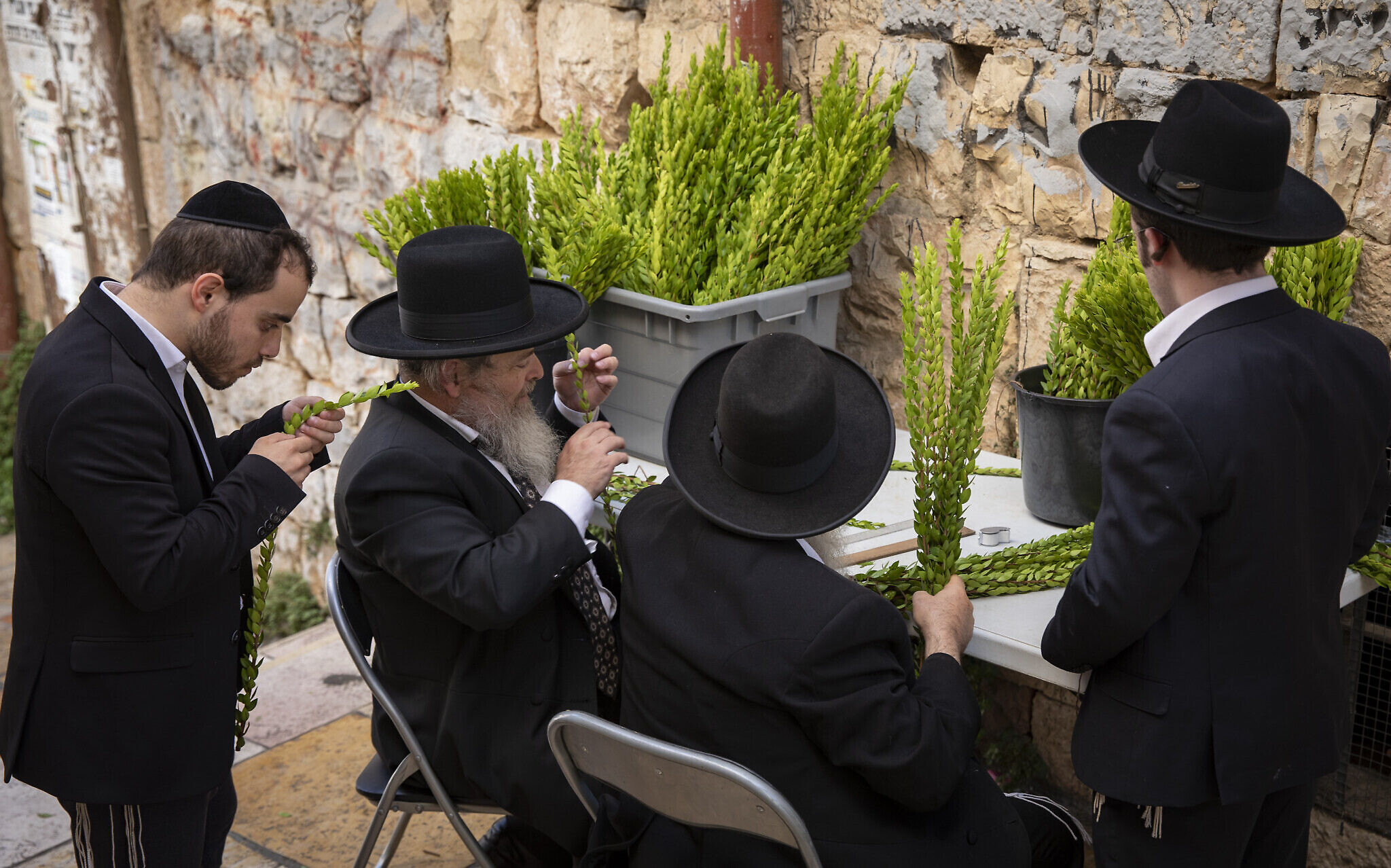
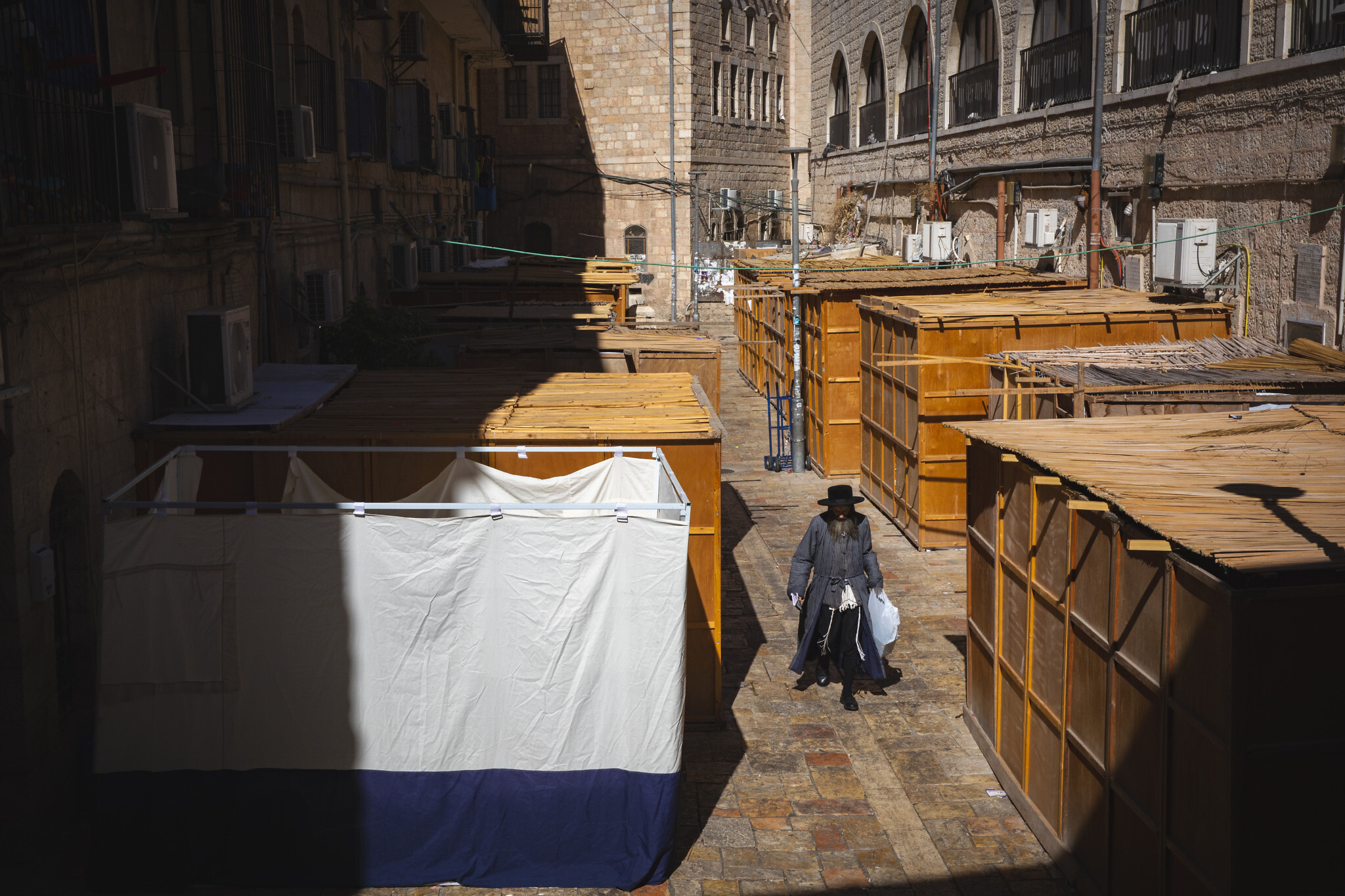
Israelis celebrated the start of the week-long Sukkot holiday on Monday evening, one year after the strict restrictions of Israel’s second pandemic lockdown made last year’s festival a more subdued affair.
This year, citizens are allowed to gather for large festive meals and attend synagogue services with few limitations, while many are also taking advantage of the holiday to go on trips, either within Israel or abroad.
There are some restrictions in effect, however. All indoor prayer services with more than 50 worshipers are required to operate under the “Green Pass” system, in which everyone must show proof of vaccination, recovery or have a recent negative coronavirus test. Those praying indoors are required to wear masks no matter how many individuals are present, and health experts are urging synagogue attendees to practice social distancing by leaving empty seats, avoiding physical contact and maintaining appropriate hygiene habits.
Throughout the country, the temporary sukkah huts in which observant Jews take their meals during the holiday can be seen dotting thoroughfares, courtyards and balconies.
Emergency services said on Tuesday morning that a fire broke out in a sukkah in the northern city of Nahariya. There were no reports of injuries.
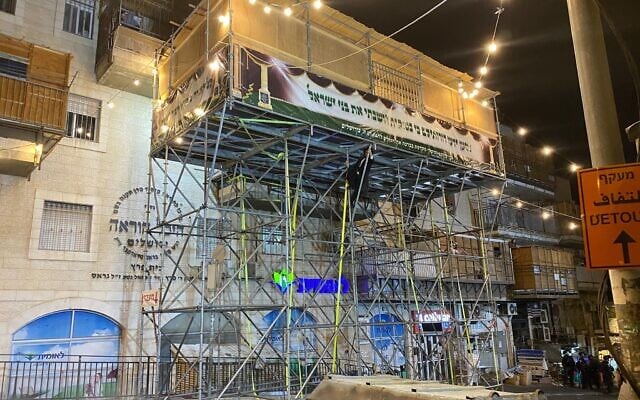
The blaze came after a number of sukkahs were deemed unsafe and were taken down by authorities. Local residents scuffled with police in Jerusalem on Sunday while they assisted city workers in removing a sukkah that was deemed hazardous, as it was perched on scaffolding over two stories above a residential street.
Additionally, thousands of people are set to attend the traditional priestly blessing event at the Western Wall in the Old City of Jerusalem this week.
Twice a year, on the intermediate days of the Passover and Sukkot festivals, tens of thousands of Jewish pilgrims make their way to Jerusalem’s Old City, with crowds of men and women spilling out from the Wall’s plaza to surrounding areas.
Last Sukkot, with a high number of coronavirus infections in Israel and a restrictive lockdown in place, pilgrims were largely barred from attending the ceremony and the priestly blessing was held with a greatly reduced number of participants.
The ceremony, which sees male descendants of the Kohanim priestly caste gather to bestow a benediction, involves the raising of hands to perform the blessing, with those conducting the blessing wrapped in prayer shawls.










The Times of Israel Community.