

Israel’s Leviathan natural gas field to resume operations after Iran ceasefire
Energy Ministry says smaller Karish field also to reopen; two Egyptian sources say imports from Israel will gradually rise, with full operations likely by weekend
 Add ToI as a Preferred Source on Google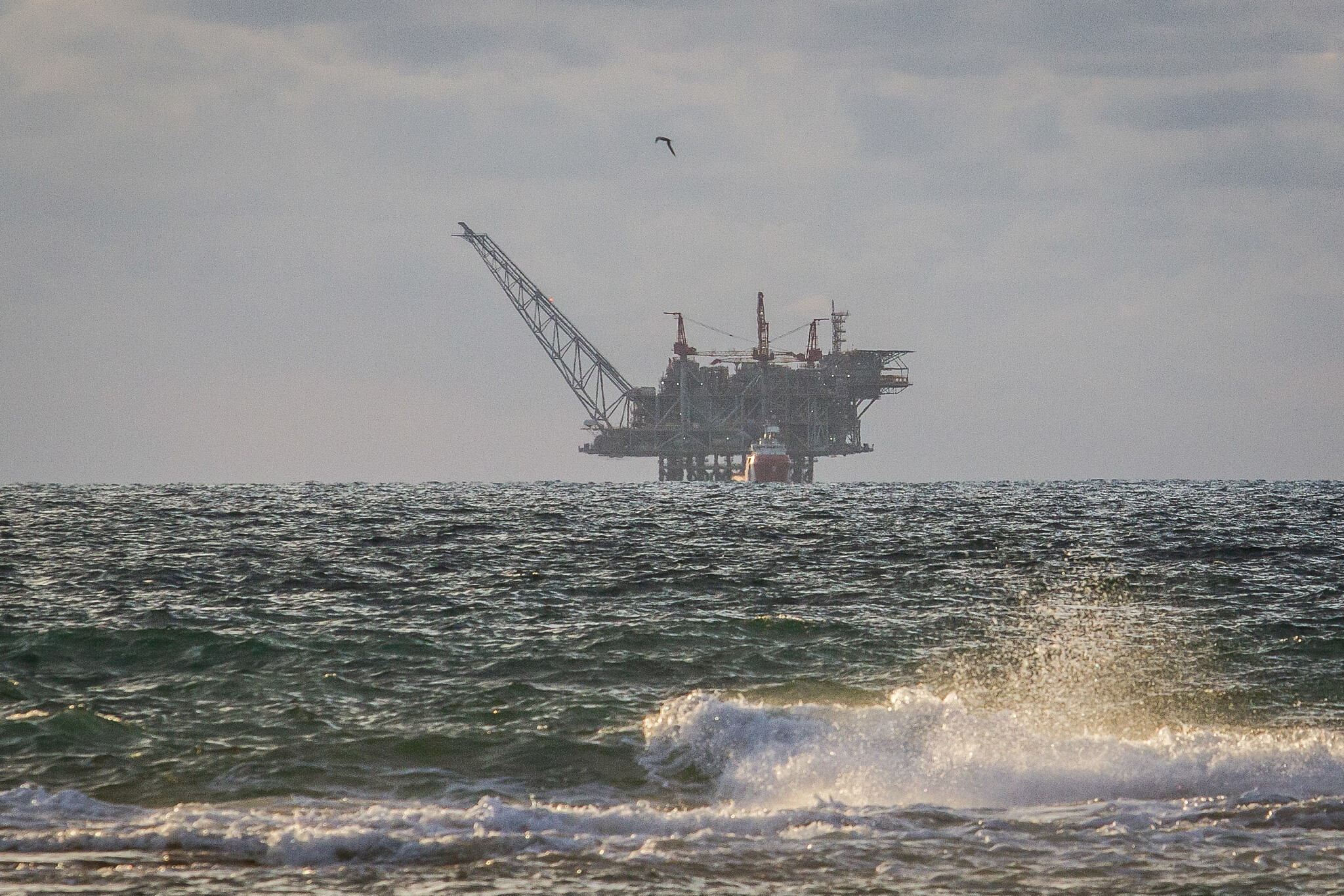
Reuters — Israel’s NewMed Energy said on Wednesday that the Leviathan natural gas field, which supplies gas to Egypt and Jordan and shut down nearly two weeks ago due to the Iran-Israel war, would resume operations in the next few hours.
Two of Israel’s three gas fields — Chevron-operated Leviathan and Energean’s Karish — off its Mediterranean coast, which provide the bulk of exports to Egypt and Jordan, have been shut since June 13.
That left in operation only the older Tamar field, used mainly for domestic supplies.
Israel and Iran agreed to a ceasefire on Tuesday.
The Energy Ministry said that after a security assessment, the larger Leviathan field and smaller Karish would reopen, leading to the resumption of gas exports, a rise in state tax revenues, and greater flexibility in managing the electricity and industrial sectors.
Israeli gas accounts for about 15-20 percent of Egypt’s consumption, data from the Joint Organisations Data Initiative shows. The disruption to Israel’s gas supply had led Egyptian fertilizer producers to halt operations.
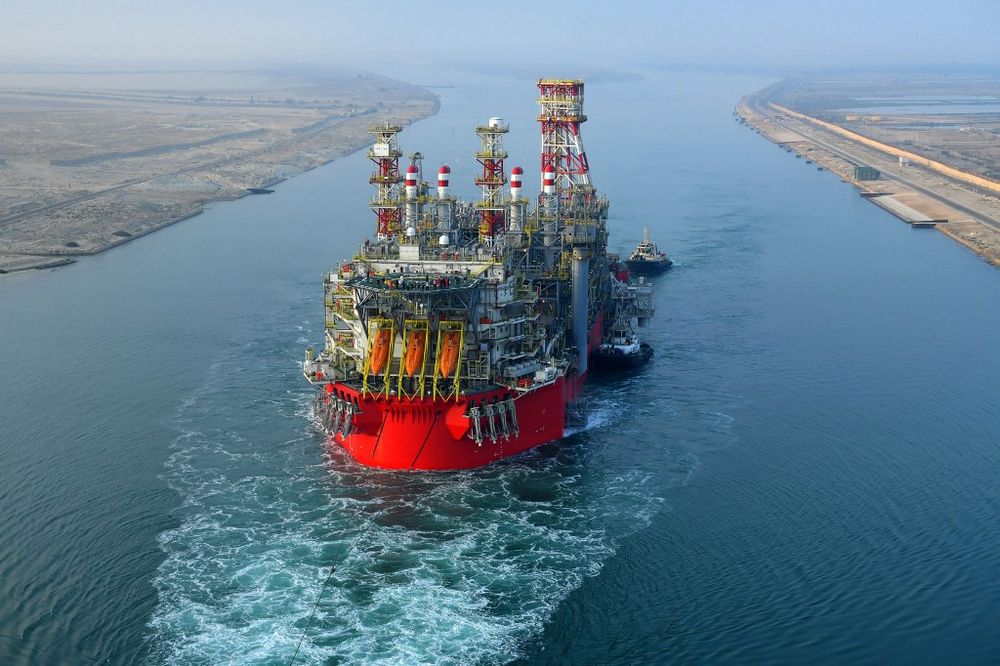
Leviathan produces 12 billion cubic meters of gas per year for sale to Israel, Egypt, and Jordan. That will rise to some 14 bcm in 2026. Ratio Energies is a partner in Leviathan alongside Chevron and NewMed.
Two Egyptian sources told Reuters that imports from Israel were expected to rise gradually, with full operations likely by Saturday.
More of Egypt’s energy imports come in the form of liquefied natural gas for regasification in the country. But while Egypt currently has three Floating Storage and Regasification Units (FSRUs), only one is operational.
The Energos Eskimo FSRU is expected to become operational soon, the sources said. The unit will be moved to the Sumed terminal, where it will be linked to the national gas grid.
“It could take around 11 to 23 days for the unit to become fully operational, although the Ministry of Petroleum could try to compress the time needed,” one of the sources said.









The Times of Israel Community.