

Judge grants citizenship to twin son of Israeli-American gay couple
‘This is justice!’ say Andrew and Elad Dvash-Banks; State Department previously denied request because boy is not his US parent’s biological son
 Add ToI as a Preferred Source on Google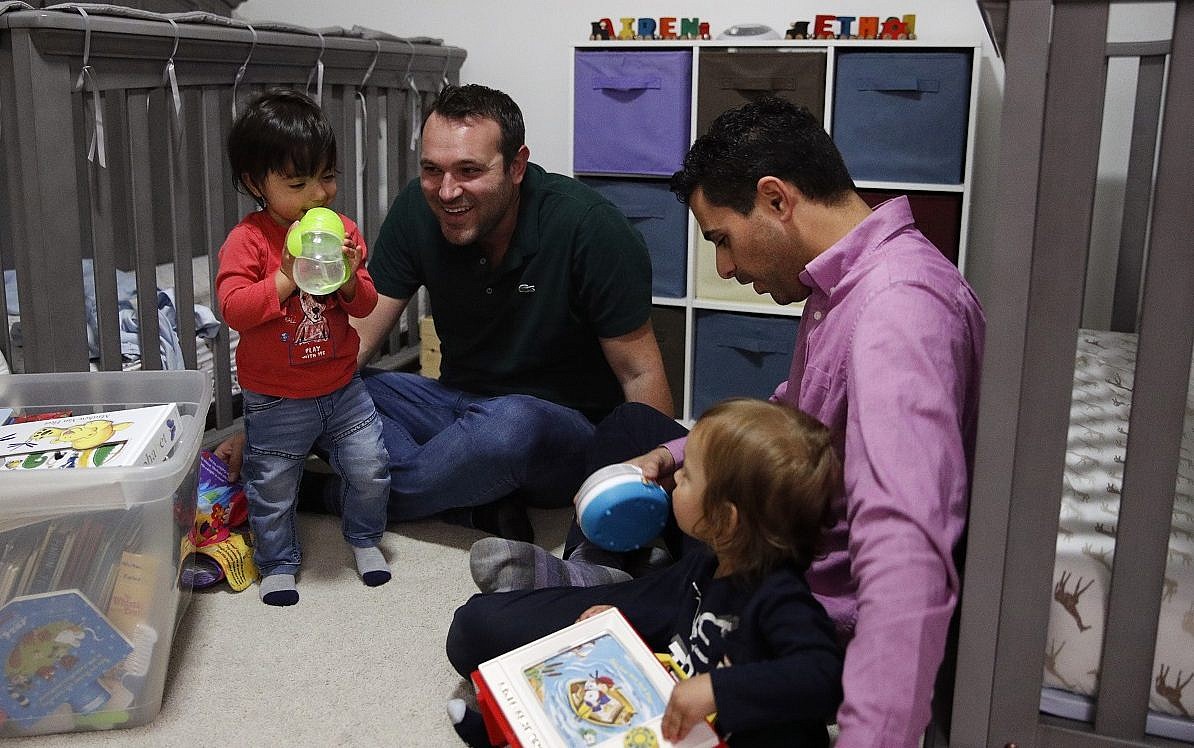
A federal judge in California ruled on Thursday that the twin son of a binational, married gay couple has been an American citizen since birth, handing a defeat to the US government, which had only granted the status to his brother.
The US State Department was wrong to deny citizenship to two-year-old Ethan Dvash-Banks because US law does not require a child to show a biological relationship with their parents if their parents were married at the time of their birth, District Judge John F. Walter found.
Last year, Ethan Dvash-Banks became a plaintiff at the tender age of 16 months in a federal lawsuit against the State Department that sought to extend him the same rights his brother has as a citizen.
Each boy was conceived with donor eggs and the sperm from a different father — one an American, the other an Israeli citizen — but born by the same surrogate mother minutes apart.
The government had only granted citizenship to Aiden, who DNA tests showed was the biological son of Andrew, a US citizen. Ethan was conceived from the sperm of Elad Dvash-Banks, an Israeli citizen.
The lawsuit was one of two filed last year by an LGBTQ immigrant rights group that said the State Department is discriminating against same-sex binational couples by denying their children citizenship at birth. The cases filed in Los Angeles and Washington by Immigration Equality said the children of a US citizen who marries abroad are entitled to US citizenship at birth no matter where they are born, even if the other parent is a foreigner. Only the Los Angeles case was decided Thursday.
“We are aware of the court’s Feb. 21 ruling. We are reviewing the ruling in coordination with Department of Justice,” the State Department said in a brief statement to The Associated Press.
Previously, the department has pointed to guidance on its website that said there must be a biological connection to a US citizen to become a citizen at birth.
“This is a huge victory for Ethan Dvash-Banks and his family,” Aaron C. Morris, executive director of Immigration Equality and one of the attorneys representing the Dvash-Banks family said, according to the Los Angeles Times. “They wanted their twin boys in every way to be treated exactly the same. It really hurt them to have one child get the remarkable privilege of US citizenship at birth and the other to be required to petition as an immigrant.”
“This is justice! We are hopeful that no other family will ever have to go through this again. It’s like a giant rock has been removed from our hearts,” Andrew and Elad Dvash-Banks said in a statement provided by Immigration Equality.
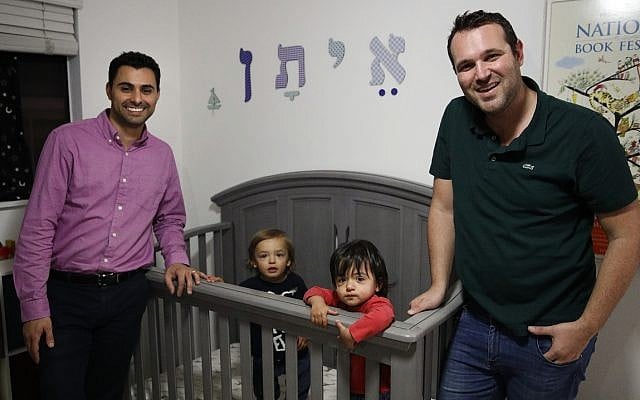
Andrew Dvash-Banks was studying in Israel when he met his future husband, Elad. Because they couldn’t marry at the time in the US or in Israel, they moved to Canada, where they wed in 2010. Each boy was conceived with donor eggs and the sperm from a different father, but born by the same surrogate mother minutes apart in September 2016.
Everything seemed fine until the couple brought their infants to the American consulate in Toronto a few months later to apply for citizenship and the woman at the counter began asking probing questions they found shocking and humiliating.
She told them she had the discretion to require a DNA test to show who the biological father was of each boy and without those tests neither son would get citizenship. The men knew that Andrew was Aiden’s biological father and Elad was Ethan’s but they hadn’t planned on telling anyone.
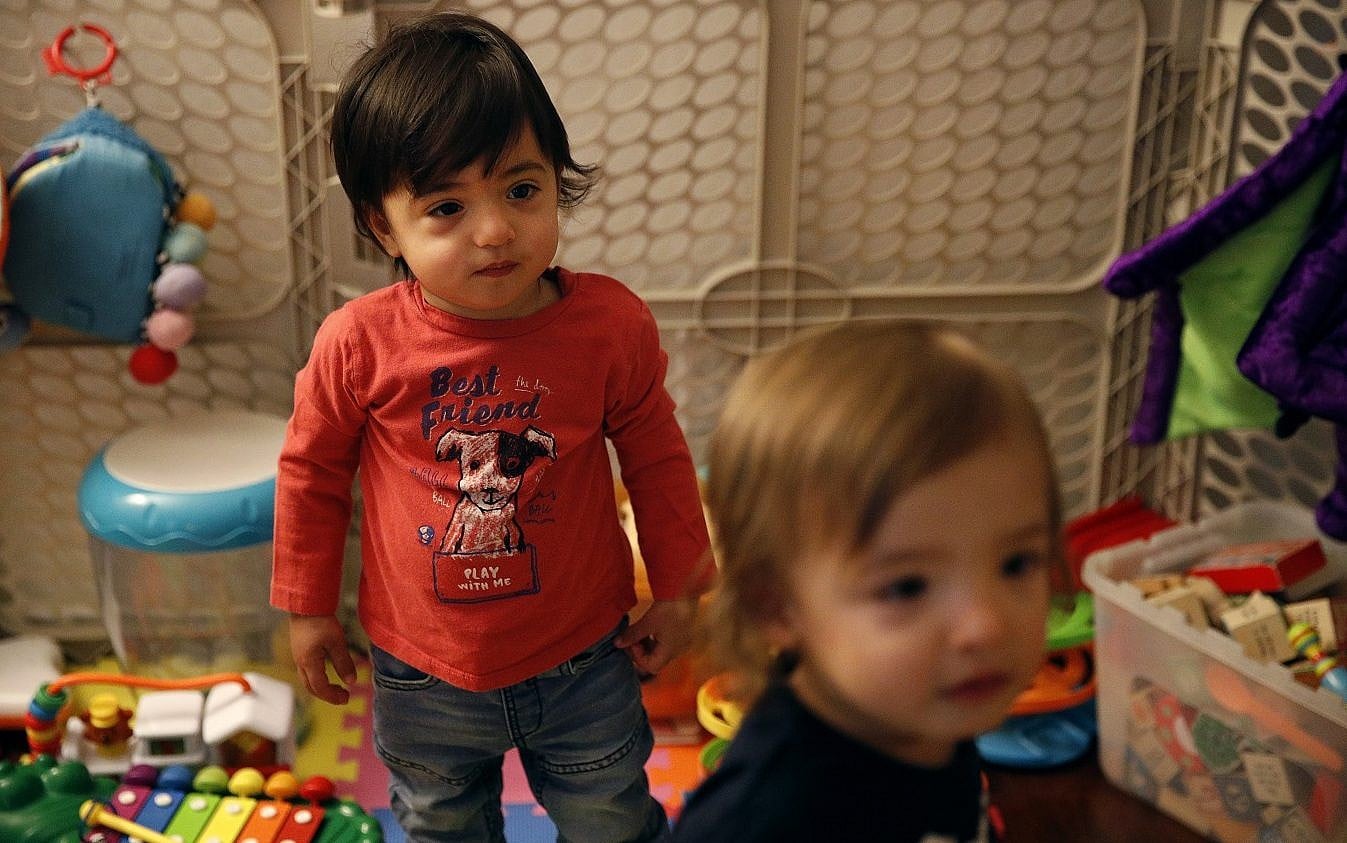
“I started crying,” Andrew Dvash-Banks said. “These are twins, how can you differentiate between them? They were born minutes apart.”
After submitting the DNA test results, the couple received two envelopes from the US on the same day in March. A large one included Aiden’s passport inside. The other was just a letter notifying Andrew that Ethan’s application had been denied.
The family said in a statement to the Los Angeles Times that they were relieved by the court decision to award citizenship to their child.
“This hurt us every day. Now our boys will be treated exactly the same, which is all we ever wanted,” Andrew and Elad Dvash-Banks said.




The Times of Israel Community.