

Lebanese prime minister accuses Israel of refusing to negotiate on border disputes
Nawaf Salam says he will raise issue with US, seeking pressure on Jerusalem to enter talks, defends army’s slow progress in taking control of southern Lebanon, disarming Hezbollah
 Add ToI as a Preferred Source on Google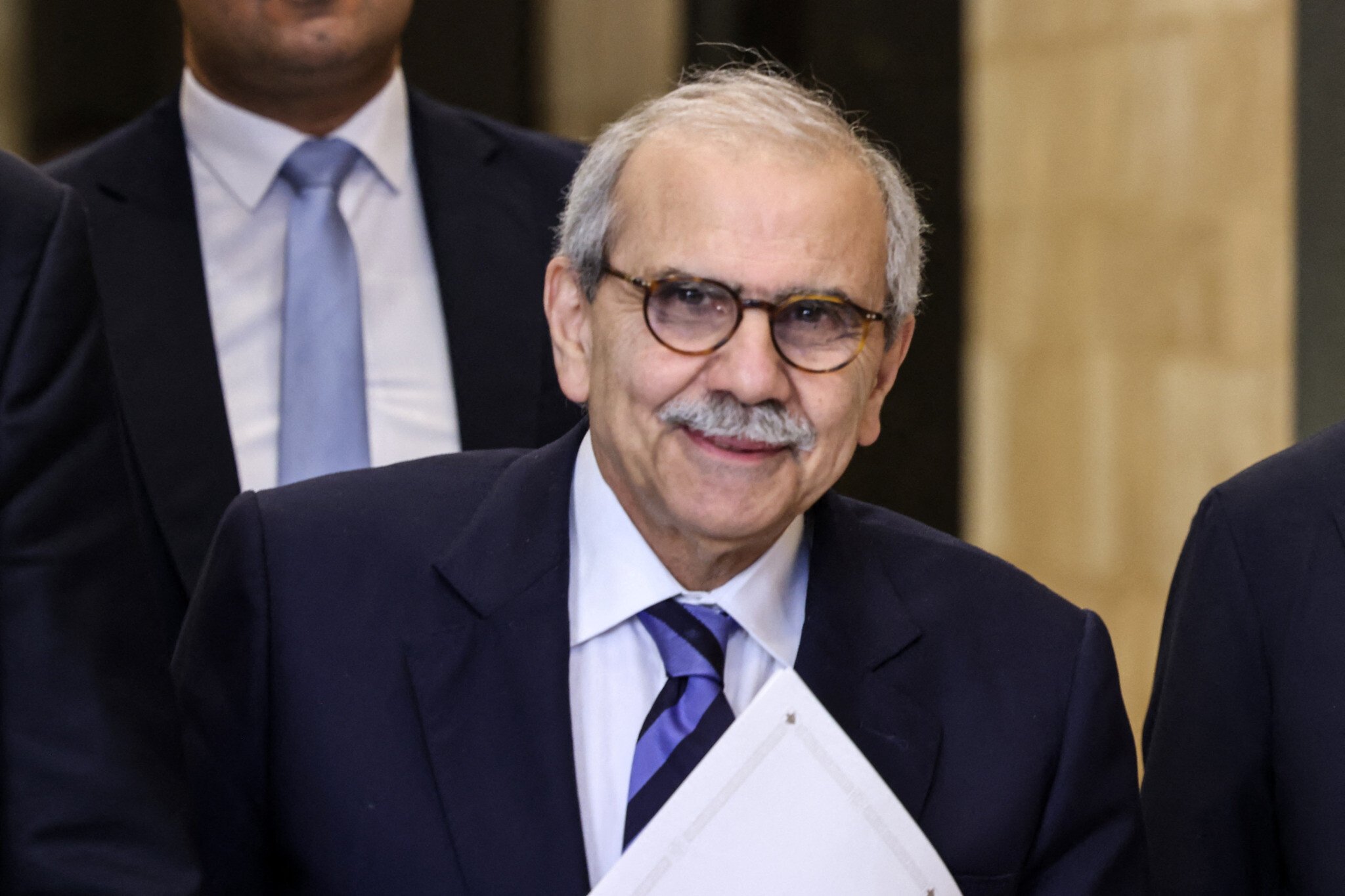
Lebanon’s Prime Minister Nawaf Salam charged that Israel is refusing to engage in negotiations over border disputes and accused it of not abiding by the terms of the ceasefire, in an interview with Bloomberg published Thursday.
The interview came days before the one-year anniversary of a ceasefire between Israel and Lebanon that ended more than a year of fighting with the Hezbollah terror group that instigated the conflict. The ceasefire has remained largely intact, although Israel regularly strikes what it says are Hezbollah efforts to rearm in southern Lebanon, as it says it is allowed to do per the agreement.
However, Salam said that Jerusalem has been unwilling to engage with Beirut to resolve a border disagreement that has seen IDF troops remain stationed at five key points on the Lebanese side of the border after the rest of the Israeli military withdrew after the fighting stopped.
“They ask for negotiations and when we show readiness, they don’t agree to the rendezvous,” Salam told Bloomberg, adding that he plans to raise the issue with the US, which has overseen the ceasefire.
He argued that the locations still held by Israel within Lebanon “have no military or security value,” and that they are instead being used as “a tool to pressure the Lebanese.”
Salam said he will seek Washington’s help in pushing Israel into negotiations.
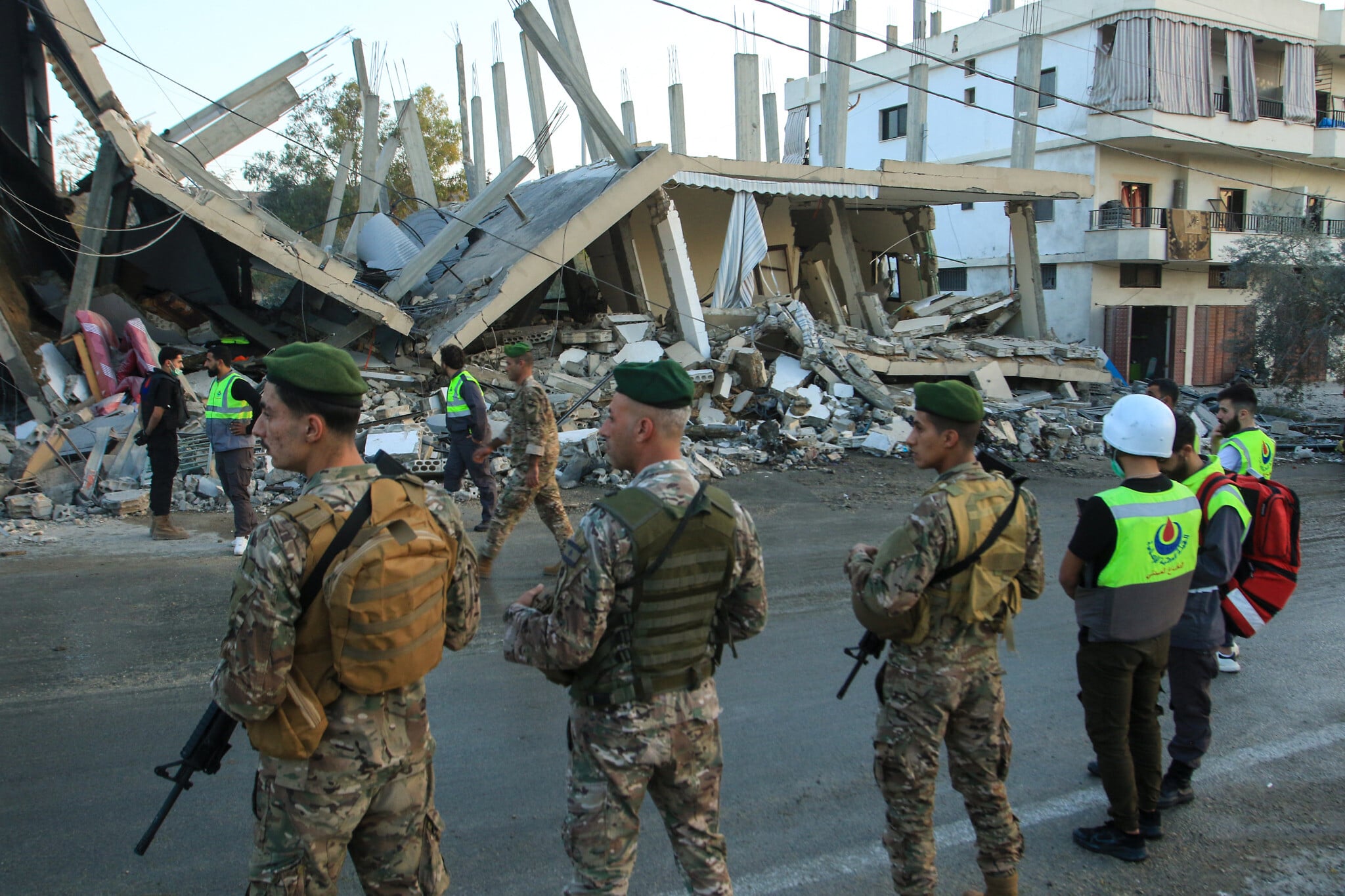
Responding to Israeli criticism that the Lebanese army isn’t deploying quickly enough in southern Lebanon, Salam argued that his country’s military is working as fast as it can, but has limited resources.
“We need to recruit more people into the army and we need to better equip the army and we need to be able to raise the salaries of the army,” he said, adding that he is working with France and Saudi Arabia to set up a donor conference for Lebanon, which has suffered years of economic crisis.
Nevertheless, he said, Beirut is still “on track” to deploy fully across the country’s south by the end of the month and demilitarize Hezbollah there — a condition of the ceasefire agreement that the Iran-backed terror group has repeatedly said it will not agree to.
Salam’s remarks echoed those of Lebanon’s President Joseph Aoun, who last month also accused Israel of avoiding negotiations in favor of attacks on Hezbollah.
Israel conducted a wave of airstrikes against the Iran-backed terror group on Wednesday, as the military ramped up efforts aimed at preventing Hezbollah from rearming.
Hezbollah began attacking Israel in October 2023, a day after fellow Iran-backed terror group Hamas invaded southern Israel, sparking the war in Gaza. After nearly a year of cross-border fire, Israel launched an intensive campaign against the terror group in September 2024, massively degrading its forces and eliminating most of its top leadership. A ceasefire was declared in November.
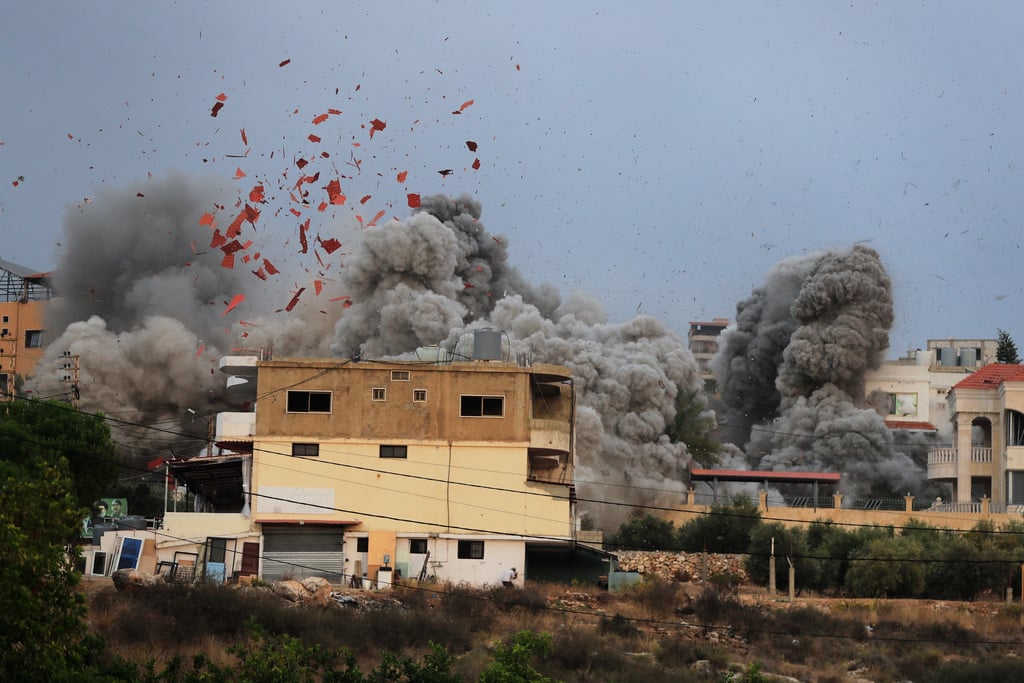
The ceasefire required both Israel and Hezbollah to vacate southern Lebanon, to be replaced by the Lebanese Armed Forces.
Weakened by the war and still facing regular Israeli strikes, Hezbollah is under internal and international pressure to hand over its weapons, and the Lebanese army has drawn up a plan to disarm it.







The Times of Israel Community.