

Legal official said to accuse PM of trying to ‘deceive public’ over graft probes
Source in State Prosecutor’s Office reportedly says Netanyahu seeks to intimidate state witnesses into changing their police statements; PM tweets: Prosecution afraid of the truth
 Add ToI as a Preferred Source on Google
Michael Bachner is a news editor at The Times of Israel
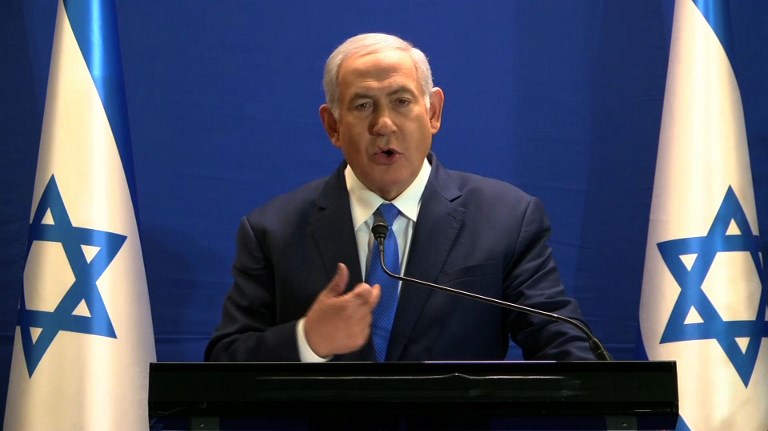
A senior law enforcement official on Tuesday reportedly accused Prime Minister Benjamin Netanyahu of trying to “deceive the public” and disrupt the criminal investigations against him with his demand to face the state witnesses who have given statements against him.
In a live statement on prime time television Monday evening, Netanyahu demanded that police allow him to confront his former aides and colleagues who have reportedly provided incriminating evidence in the three graft cases in which he is a suspect.
“Netanyahu wants to assert his power, weight and status to disrupt the investigation,” Army Radio quoted a “very senior official” in the State Prosecutor’s Office as saying. “In a confrontation with him, those state witnesses could give a different statement than what they gave police.”
“The Israeli public is being deceived, and not for the first time, by Netanyahu, who is making use of the masses’ stupidity — meaning their lack of knowledge in those subjects,” the unnamed official was quoted as saying. “Anyway, no suspect has any right to a confrontation [during a police investigation] and it is inappropriate to hold an unnecessary and damaging confrontation.”
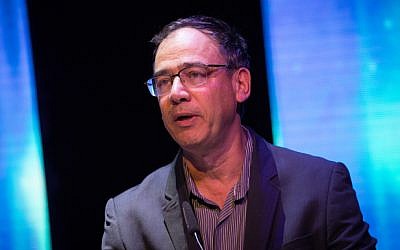
In a tweeted response, Netanyahu claimed the comments showed that the prosecution was “afraid of the truth.”
“Yesterday I asked what are they afraid of,” he wrote, sharing the Army Radio report. “Now it is revealed that they are afraid of the truth. I demand to confront the state witnesses now. The public must know the whole truth.”
Speaking from a podium at the Prime Minister’s Residence in Jerusalem, Netanyahu said Monday that his requests to confront state witnesses in the graft probes against him had been refused.
The state witnesses in the Netanyahu probes are his former chief of staff, Ari Harow; Nir Hefetz, a former media adviser to the Netanyahu family; and Shlomo Filber, the former Communications Ministry director general.
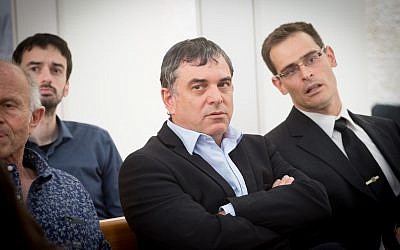
“I wanted to look them in the eye and throw the truth at them. I demanded it once and was refused. I demanded it a second time and was refused. Why was I refused this confrontation, that is so necessary to uncovering the truth? What are they afraid of? What have they got to hide?” Netanyahu demanded on Monday night.
Netanyahu said he wanted to face his accusers, and, if possible, to do so on live television.
Legal officials, pundits and opposition leaders have dismissed his demand, saying that a confrontation between a suspect and witnesses during a police probe is an investigation tool that can — but doesn’t have to — be used by police, and isn’t a right to be demanded by the suspect. Suspects can confront the witnesses against them in court during cross-examination.
Netanyahu is suspected of bribery in three cases, one of which involves gifts from wealthy associates, with the other two involving potential quid-pro-quo deals for regulatory favors in exchange for positive media coverage.
Netanyahu has long accused police, the media and the political left of pushing a conspiracy against him, and has denied any wrongdoing.
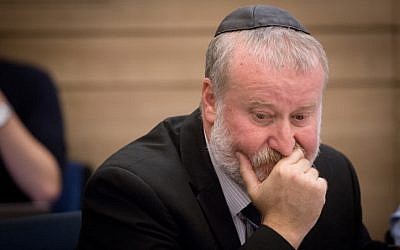
Netanyahu has been vocal in recent days in his opposition to Attorney General Avichai Mandelblit’s reported intention to announce his decision on whether to summon the prime minister for a pre-indictment hearing before the April elections.
Media reports have indicated that Mandelblit seeks to announce his decision on a possible indictment, pending a hearing, in February.
Police have recommended that Netanyahu be indicted for bribery in all three of the probes. Mandelblit is the final authority on whether state prosecutors will ultimately press charges against a sitting prime minister.
Netanyahu has dismissed the allegations as a witch hunt and has pushed for Mandelblit to hold back on releasing a decision to indict until after the election, citing the fact that a hearing process on the matter in which he would give his side of the story cannot be completed before the election.








The Times of Israel Community.